
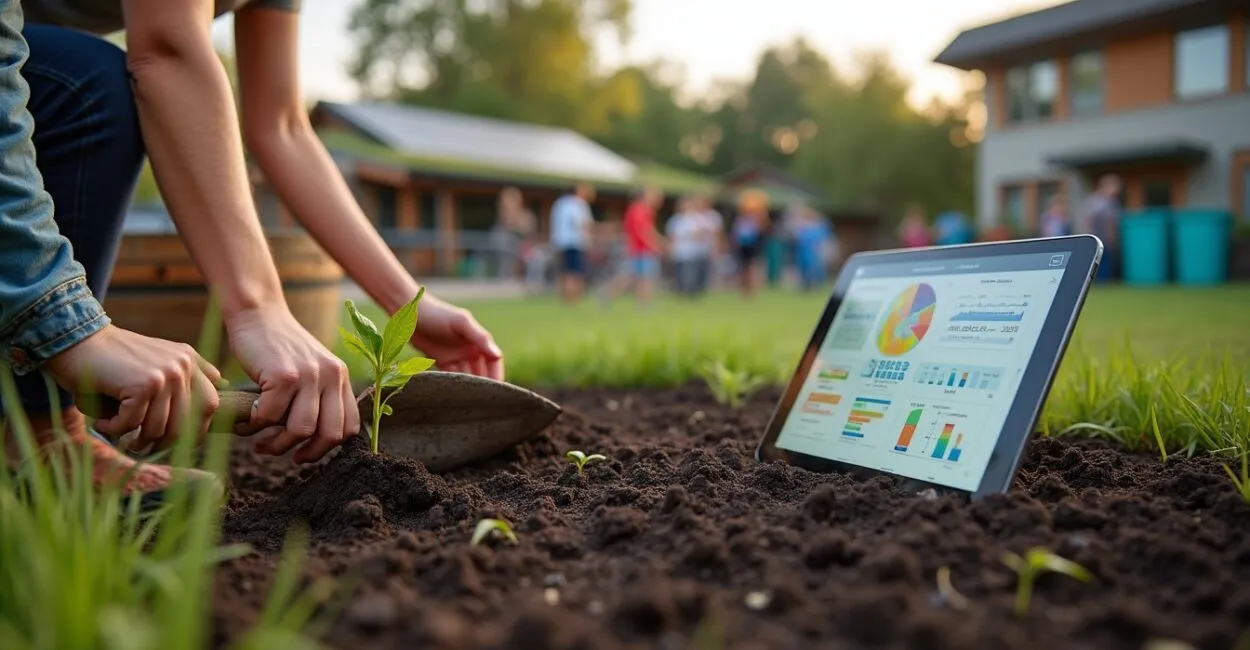
A sustainable project is a planned initiative that brings together environmental, social, and economic practices to reduce impacts, optimize resources, and generate lasting educational and community benefits in learning environments.
In practice, a school sustainability project involves a participatory assessment, measurable goals, and cross-disciplinary actions that connect the curriculum, infrastructure, and management. It aligns with public policies and international best practices to promote resilience and civic engagement.

Key Takeaways
- Integrate the curriculum with environmentally responsible management and measurable goals.
- Engage the community and provide ongoing teacher training.
- Conserve resources, improve energy efficiency, and manage waste.
The Concept and Goals of a Sustainable Project
Defining a Sustainable Project
A sustainable project needs a clearly defined purpose, scope, and success indicators. It connects learning to concrete actions that reduce consumption, improve efficiency, and promote social impact, while ensuring ongoing monitoring and replicable results. A detailed definition guides administrators and teachers in adopting practices that transform school infrastructure and culture, establishing the sustainable project as a medium- and long-term institutional strategy.
By spelling out responsibilities, budget, and schedule, a sustainable project becomes actionable and auditable, making it easier to secure funding and build local partnerships while increasing its effectiveness and educational legacy.
Goals and Indicators for a Sustainable Project
Indicators such as reduced energy consumption, the volume of recycled waste, and hours of teacher training quantify progress, making a sustainable project measurable and aligned with local or national goals. SMART goals guide decision-making and prioritize actions with the greatest educational and environmental impact, ensuring the project connects learning with changes in school practices.
Regular reports and digital tools make it possible to track indicators transparently, strengthen accountability, and make technical adjustments to improve the sustainable project’s results.
Participatory Planning for a Sustainable Project
Community Involvement in a Sustainable Project
Engaging families, students, and local partners is essential to building support for actions and ensuring they last, turning the sustainable project into a shared community effort. Participatory approaches such as councils, workshops, and needs-assessment surveys encourage inclusive decisions, broaden the range of solutions, and strengthen the project’s legitimacy among stakeholders.
Transparent communication and ongoing feedback build strong relationships and help the sustainable project respond to real needs, increasing its impact and potential for replication across schools in the district.
Governance and Scheduling for a Sustainable Project
Clear governance defines roles, decision-making bodies, and accountability processes, all essential to effectively carrying out a sustainable project in a school. A schedule with milestones, assigned leads, and deliverables makes it easier to track progress, mitigate risks, and mobilize resources, keeping the project on a predictable course.
Regular planning reviews support institutional learning and course corrections, helping the sustainable project evolve in response to results and lessons learned.
Design and Infrastructure

Architectural Design for a Sustainable Project
Architectural plans prioritize natural ventilation, appropriate lighting, and low-impact materials, incorporating passive design strategies that reduce energy use as part of an exemplary school sustainability project. Bioclimatic design techniques and sustainable building materials lower operating costs and give students hands-on experience with sustainability, extending the project’s reach.
Bringing instructional design and infrastructure together creates flexible spaces for environmental activities, fostering an environment that supports learning and hands-on engagement with the sustainable project.
Energy Efficiency and Water Resources
LED lighting systems, solar panels, and sensors reduce electricity use, while rainwater harvesting and water reuse help meet water needs—key strategies for an effective sustainable project. Feasibility studies and return-on-investment analyses help prioritize upgrades, enabling the project to save money that can be reinvested in educational quality.
Preventive maintenance and operating procedures extend the life of these solutions, helping the sustainable project deliver environmental and economic benefits over time.
Environmental Education and the Curriculum
Integrating a Sustainable Project into the Curriculum
Integrating environmental topics into the formal curriculum connects theory and practice, encouraging critical thinking and social-emotional skills as part of a school sustainability project. Interdisciplinary projects give students opportunities to learn scientific methods, collect data, and assess impacts, making the sustainable project an active learning approach.
Formative assessments and visible final projects boost engagement and demonstrate the educational and environmental outcomes of the sustainable project to the school community and its partners.
Teacher Training for a Sustainable Project
Evidence-based professional development prepares teachers to lead hands-on projects, evaluate impacts, and consistently incorporate sustainability into instructional planning. Workshops, exchanges with universities, and online resources expand teachers’ methodological toolkit, strengthening their ability to implement a sustainable project with technical and educational rigor.
Institutional incentives and professional recognition motivate teachers and foster a culture of innovation and commitment to the sustainable project’s goals over time.
Read also: The Green Economy: Turn Your Lifestyle Into a Force for Sustainability
Waste Management and the Circular Economy
Collection and Recycling Systems for a Sustainable Project
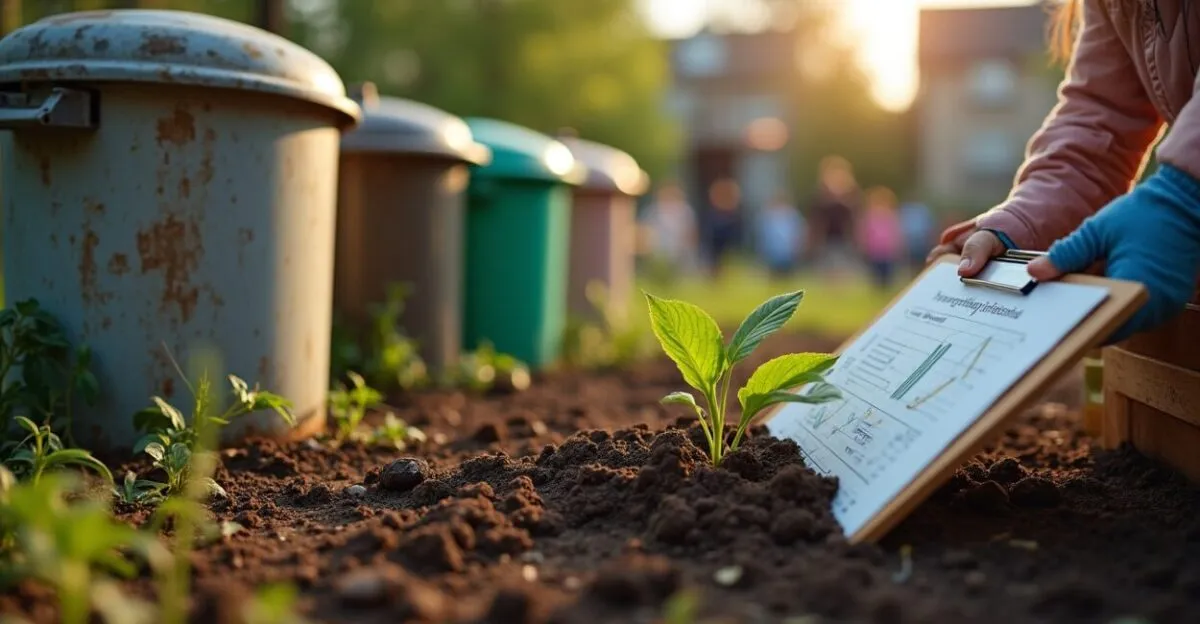
Setting up recycling drop-off points, composting programs, and partnerships with cooperatives turns waste into a resource and brings hands-on environmental education into a school’s sustainable project. Mapping waste streams and providing ongoing education for users are essential to building participation and effectiveness, making the project’s practices part of everyday school life. Indicators of waste reduction and reuse demonstrate tangible results, strengthen impact stories, and attract support to expand the sustainable project.
Comparison Table: Waste Management Methods
| Method | Upfront Cost | Environmental Impact | Feasibility for Schools |
|---|---|---|---|
| Recycling Collection | Moderate | High | High |
| Composting | Low | High | Moderate |
| Partnerships with Cooperatives | Low | Moderate | High |
The table outlines practical waste management options, helping teams choose workable combinations for circular economy initiatives—a key part of a school sustainability project with measurable impact.
Leia também: Project Manager: A Complete Guide to Leadership and Success
Funding and Partnerships
Funding Sources for a Sustainable Project
Funding sources include public grant opportunities, government programs, foundations, and private partnerships, all of which are essential to approving and adequately funding a sustainable project. Developing strong proposals with clear indicators and detailed budgets improves the chances of securing grants and aligning the project with public and private priorities.
Blended funding models, including community contributions, help ensure continuity after initial funding ends, establishing the sustainable project as a long-term local initiative.
Strategic Partnerships and Outreach
Partnerships with universities, government departments, and trusted websites expand technical knowledge and visibility, creating synergies that boost the sustainable project’s impact and potential for replication. Links and publications on reliable websites support transparency; practical examples can draw on government guidelines and academic research to build credibility.
Exploring the Portal Gov, Brazil’s official government portal, and academic initiatives such as university resources can make it easier to access tools and methods for building a strong sustainable project.
Evaluation, Scalability, and Communication
Metrics and Evaluation for a Sustainable Project
Evaluating quantitative and qualitative impacts using indicators defined during planning makes it possible to measure effectiveness, adjust activities, and demonstrate the sustainable project’s results to funders and policymakers. Digital tools and participatory reports increase transparency, engage the community, and help other institutions replicate the project using solid evidence.
Clearly communicating successes and challenges builds trust and opens doors to partnerships, reinforcing the sustainable project’s role as an educational and environmental model.
Scalability and Strategic Communication
Planning for scale means standardizing processes, documenting procedures, and creating training materials so the sustainable project can be replicated consistently across school districts. Communication strategies—including reports, social media, and local media—extend the project’s impact and attract supporters, helping sustain and expand its initiatives.
Publishing on well-regarded websites and working with education departments raises visibility. It is also helpful to reference best practices documented by educational and research institutions.
- Align educational objectives with environmental goals.
- Prioritize low operating costs and strong educational impact.
- Document processes to support replication and secure funding.
This list summarizes the practical principles for effective implementation, highlighting the importance of aligning instruction, management, and community involvement to maximize the sustainable project’s long-term viability.
- Ongoing teacher training and active learning methods.
- Regular monitoring with straightforward indicators.
- Local partnerships for logistics and material reuse.
These actions support the day-to-day operation of a sustainable project, combining training, monitoring, and outside collaboration to create a positive cycle of results and learning.
- Transparent communication and sharing results.
- Incorporating circular economy practices.
- Participatory planning with clear, revisable goals.
Communication and governance are key to building support and ensuring the sustainable project continues, turning technical achievements into a lasting institutional and educational legacy.
Conclusion
Expected Impact of a Sustainable Project
A well-designed sustainable project reduces environmental impacts, supports meaningful learning, and brings the community together, turning schools into agents of long-term environmental and social change. Tangible outcomes, such as resource savings and stronger critical-thinking skills among students, make clear the wide-ranging benefits of investing in a sustainable project within the education system.
Documenting and replicating these practices creates a lasting legacy and allows local experiences to serve as models for public policy and other institutions interested in sustainable projects.
Recommended Next Steps
Start with an assessment, engage key stakeholders, set indicators, and identify funding sources. These practical steps make it possible to launch a sustainable project at school. Setting deadlines, assigning responsibilities, and establishing evaluation routines helps integrate the project into school management and ensures it is maintained and continually improved.
Sharing results and seeking strategic partnerships strengthens the project’s sustainability and allows it to inspire broader school networks, fostering a culture of educational and environmental innovation.
Frequently Asked Questions
What Defines a Sustainable Project in a School?
A sustainable project in a school brings together education, resource management, and community involvement to reduce environmental impacts, promote the circular economy, and improve learning conditions. It has measurable goals and clear governance, ensuring it can be replicated and sustained institutionally.
How Can You Start a Sustainable Project on a Limited Budget?
Start with a participatory assessment, prioritize low-cost actions such as composting, reusing materials, and simple energy-efficiency improvements, seek local partnerships and public grants, and document results to attract funding. This approach makes it possible to launch a sustainable project even with limited resources.
Which Indicators Are Essential for Evaluating a Sustainable Project?
Key indicators include reduced energy consumption, the volume of waste sent for recycling, hours of teacher training, community participation, and observable educational outcomes. These measures make the sustainable project measurable and guide adjustments and accountability to stakeholders and funders.
How Can Teachers and Students Get Involved in a Sustainable Project?
Involve teachers and students through hands-on training, active learning methods, participation in assessment and planning, clearly assigned responsibilities, and recognition of results. This approach makes the sustainable project part of the curriculum and community life, increasing engagement and educational impact.
Which Partnerships Are Most Effective for Scaling a Sustainable Project?
Partnerships with universities, education departments, public agencies, and major media outlets provide access to technical expertise, funding, and visibility. Combining institutional and local support makes scaling easier and establishes the sustainable project as an approach that can be replicated across school districts.
Artigos Relacionados
 Sustainability in Schools: A Practical Implementation Guide
 Active Learning Methods for Elementary School: A Practical Guide
 School Bullying: A Complete, Practical Guide
 Circular Economy: A Complete, Practical Guide
 Sustainability: The Complete Guide to Building a Greener Future
 A Practical Guide to Stocks for Beginner Investors in 2025
