
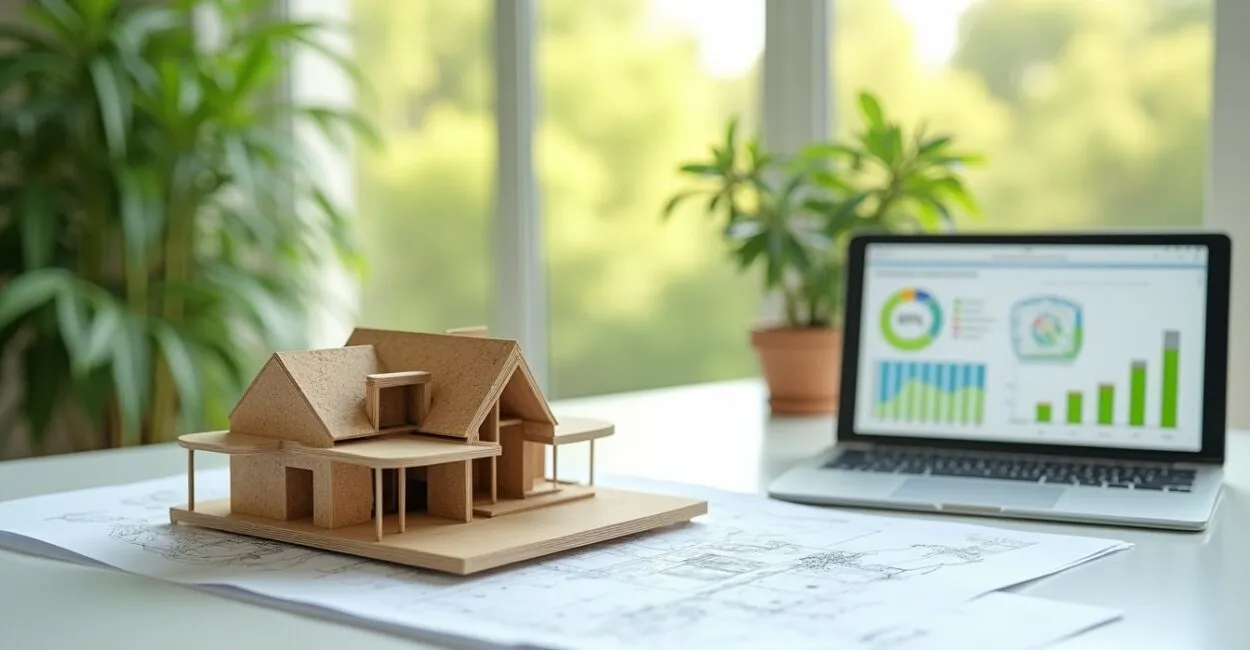
sustainability in construction refers to a set of practices, techniques, and design decisions that reduce environmental impacts, optimize resources, and improve energy efficiency throughout the life cycle of buildings and infrastructure.
The concept brings together low-impact materials, waste management, circular economy, efficiency technologies, and design processes that prioritize health, comfort, and durability. In Brazil, adoption is growing, driven by standards, certifications, and demand for lower operating costs. Investments in sustainable construction also involve financial and regulatory return analyses, along with reputational benefits. Senior professionals need to align technical strategies with ESG goals, municipal laws, and tax incentives to maximize positive impacts.

Key Takeaways
- Definition and economic impact of sustainable construction.
- Green techniques: materials, energy efficiency, and water management.
- Financial benefits and life cycle assessment models.
Sustainable Construction: Materials and Sustainable Selection
Low-Impact Materials
Material selection is central to sustainable construction: priority is given to recycled, locally sourced raw materials with environmental certifications. This reduces transportation emissions and the embodied carbon footprint of building components. Applying environmental assessment criteria, such as EPDs and certification labels, supports documented decisions. Informed selection helps use resources efficiently and makes environmental certification easier for residential and commercial projects.
- Certified wood (FSC).
- Concrete with recycled aggregate.
- Insulation made from recycled materials.
The list above summarizes practical alternatives. Each option requires a performance and cost-benefit analysis to ensure durability is not sacrificed for an apparent environmental gain.
Passive Design and Energy Efficiency
Sustainable Construction Through Passive Design
Passive designs reduce energy demand through solar orientation, shading, natural ventilation, and thermal insulation. These principles improve comfort and reduce the need for active systems, aligning bioclimatic architecture with sustainable construction. Initial investments in passive design yield substantial operating savings. Thermal modeling and simulations demonstrate returns and justify the upfront cost, especially in large commercial buildings.
- Energy simulation.
- Thermal comfort testing.
- Shading and cross-ventilation.
Implementation requires coordination among architects, engineers, and suppliers to optimize solutions and avoid late approvals and rework that drive up costs and extend timelines.
Water Management and Resilient Infrastructure

Reduction and Reuse
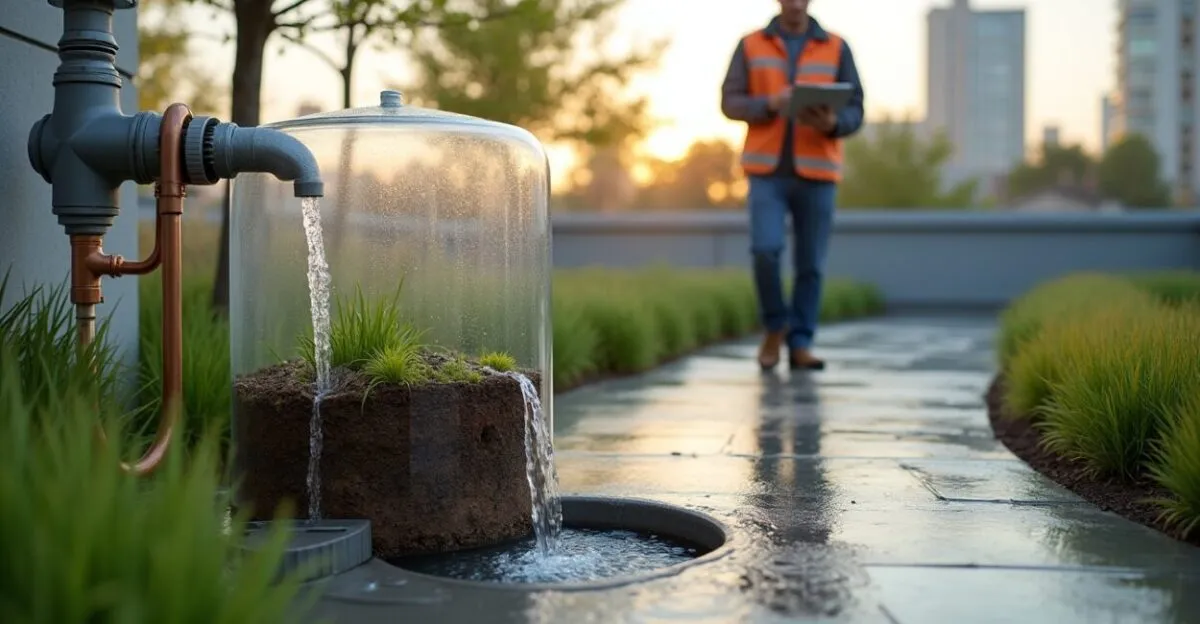
Rainwater harvesting, graywater reuse, and efficient plumbing systems help reduce potable water consumption. In sustainable construction, these practices conserve resources and lower utility bills and urban impacts. Water management plans include maintenance and monitoring to ensure quality and efficiency. Integration with landscape design allows for controlled infiltration and helps mitigate urban flooding.
- Rainwater harvesting for nonpotable uses.
- Water reuse systems in plumbing fixtures.
- Sensors for leak detection.
After these measures are adopted, regular measurement reveals actual savings and helps fine-tune operations to maximize environmental benefits and reduce operating costs.
Read also: Drones in Construction: Inspection, Mapping, and Safety
Sustainable Construction: Life Cycle Assessment and Certifications
LCA and Metrics
Life Cycle Assessment (LCA) quantifies environmental impacts from resource extraction through end of life, providing essential metrics for sustainable construction decisions. LCAs support comparisons between materials and systems. Metrics such as GWP (Global Warming Potential) and water consumption help prioritize interventions. LCA informs technical specifications and reduces the risk of “greenwashing” through measurable evidence.
Read also: BIM in Construction: Benefits and Practical Implementation
| Metric | What it measures | Practical application |
|---|---|---|
| GWP | CO2e emissions | Material and supplier selection |
| Water consumption | Liters over the life cycle | Sizing water reuse systems |
| Embodied energy | Equivalent kWh | Comparative product analysis |
The table summarizes metrics technical teams use to map impacts and justify environmental mitigation and offsetting measures in certified projects.

Financing, Incentives, and Savings
Green Financing Models
Green credit lines and tax incentives lower the cost of capital for projects with sustainable construction goals. Structures such as green bonds are increasingly used for large developments.
Financial studies should account for lower operating costs and regulatory risk. These factors turn investments in sustainable solutions into assets with predictable returns that appeal to investors.
- Green bonds and performance-based financing.
- Municipal incentives and tax exemptions.
- Public-private partnerships for infrastructure.
Financing options require robust technical documentation and performance metrics demonstrating energy savings and water savings, as well as social and environmental benefits.
Implementation, Operations, and Monitoring
Operational Best Practices
Sustainable operations require manuals, training, and continuous monitoring systems to validate performance. Without effective governance, projected gains from sustainable construction may not materialize over the building’s useful life.
Sensors and automation enable real-time adjustments, reduce waste, and demonstrate continuous improvement. Regular reports support decision-making and demonstrate compliance.
- BMS platforms and smart metering.
- Preventive maintenance plans.
- Facility team training.
Adopting digital technologies makes costs more predictable and helps demonstrate performance to certifying bodies, investors, and regulators.
Innovation, Circularity, and the Future
Sustainable Construction and the Circular Economy
Design for disassembly, component reuse, and contracts that encourage material take-back are pillars of the circular economy applied to sustainable construction. These models reduce waste and promote responsible supply chains.
New technologies—such as 3D printing with recycled materials and bio-based construction—expand the possibilities. Innovation should be assessed by life cycle and scalability to make a significant impact on the sector.
| Approach | Benefit | Challenge |
|---|---|---|
| Design for disassembly | Component recovery | Standardization and reverse logistics |
| 3D printing | Waste reduction | Scale and regulation |
| Bio-based materials | Low carbon footprint | Certification and durability |
These solutions require aligned public policies and investment in R&D. The transition to circular practices is both technical and institutional.
For more information on standards and incentives, consult official guidance, such as the federal government website, and academic studies. See examples at the Federal Government Portal and technical publications from universities and specialized platforms such as ScienceDirect. These sources help validate technical information and ensure regulatory compliance.
Frequently Asked Questions
What Is Sustainable Construction, and Why Is It Important?
Sustainable construction brings together practices and decisions that minimize environmental impacts, promote energy efficiency, responsible water management, and responsible use of materials. It matters because it lowers operating costs, improves building resilience, meets regulatory requirements, and increases market value. It also contributes to climate goals and occupant well-being, making projects more durable and socially responsible.
What Are the Most Effective Techniques for Reducing Emissions on Construction Sites?
Effective techniques include choosing materials with low embodied emissions, using concrete with alternative materials, optimizing logistics to reduce transportation, adopting renewable energy, and using passive design. Incorporating LCA into decision-making and using modular construction also reduce waste and emissions, while sustainable purchasing policies and contracts with certified suppliers help ensure reduction targets are met.
How Do You Calculate the Financial Return on Sustainable Improvements?
The calculation involves life cycle analysis, upfront cost, operating savings (energy, water, and maintenance), and intangible benefits such as increased property value. Payback, NPV, and IRR tools applied to projected cash flows help compare alternatives. Tax incentives and green financing options should also be included to reflect the total return adjusted for the risk of the improvements.
Which Certifications Should Be Considered for Sustainable Projects?
Recognized certifications include LEED, BREEAM, AQUA-HQE, and Selo Procel Edifica, Brazil’s energy-efficiency label for buildings, among others. The choice depends on the project’s goals, local context, and client requirements. Certifications require technical documentation and performance monitoring and often require verification through an audit. This helps ensure sustainable construction practices are actually implemented and their benefits are measurable.
How Can You Integrate the Circular Economy into Construction and Renovation Projects?
Integrating the circular economy requires planning for reuse and disassembly, contracts that allow materials to be returned, selecting suppliers that offer reverse logistics, and specifying modular products. Design-for-disassembly tools, material inventories, and reuse agreements reduce waste and costs. Implementation requires coordination across design, construction, and operations to close material loops.
Artigos Relacionados
 Sustainable Agriculture: Techniques for Soil and Climate
 Construction Costs: How to Optimize Project Budgets
 Sustainable Projects in Engineering and Construction
 Construction Automation: Sensors, IoT, and Real-Time Management
 BIM in Construction: Benefits and Practical Implementation
 Sustainable Investing in Financial Markets: How to Get Started
