
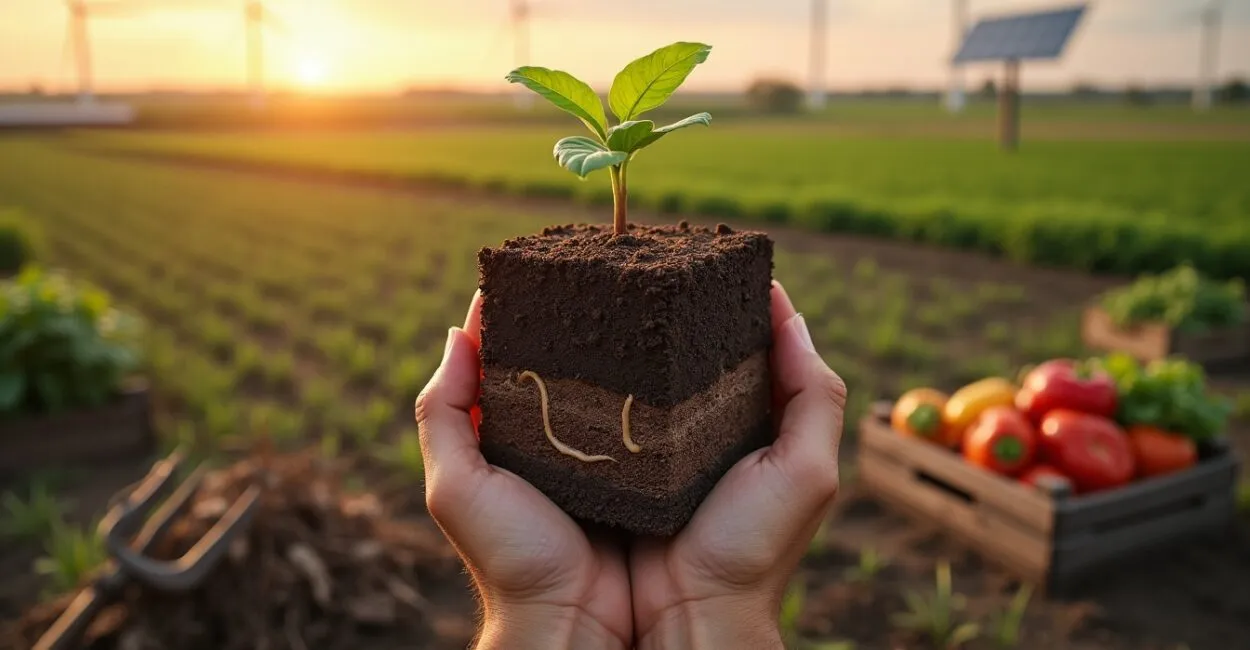
sustainable agriculture is a set of farming practices designed to produce food, fiber, and energy in ways that are environmentally responsible, economically viable, and socially equitable. It prioritizes the conservation of soil, water, and biodiversity.
Today’s challenges call for a transition to resilient production systems. Climate change, soil degradation, and rising food demand are driving the need for techniques that boost productivity without depleting resources. Public policy, technological innovation, and local knowledge are converging to scale up sustainable agriculture, reducing greenhouse gas emissions, improving carbon sequestration, and ensuring long-term food security.

Key Takeaways
- Soil conservation and integrated management build climate resilience.
- Agroecological practices increase biodiversity and productivity.
- Circular economy on the farm: treating waste as a resource.
- Policy and markets aligned with certification and traceability.
Sustainable Agriculture: Soil Management
Why Soil Matters in Sustainable Agriculture
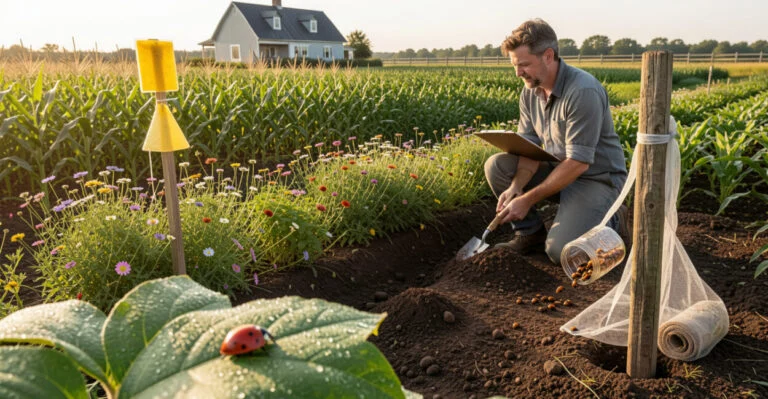
Healthy soil is the foundation of sustainable agriculture. It retains water, supports soil microorganisms, and provides nutrients continuously, reducing the need for synthetic inputs and helping prevent erosion. Practices such as crop rotation, no-till farming, and cover cropping increase organic matter, improve soil structure, and support sustainable productivity.
Soil Conservation Techniques
No-till farming minimizes soil disturbance, preserves organic matter, and reduces erosion. It is central to systems focused on sustainability and long-term cost savings. Terracing, contour farming, and riparian buffer strips are physical measures that complement biological practices and protect water resources and vulnerable soils.
- Crop rotation to break pest cycles and restore nutrients.
- Green manure to increase biomass and organic matter.
- pH adjustment and responsible fertilizer use based on soil testing.
These techniques reduce chemical inputs, increase soil biodiversity, and improve plant nutrient-use efficiency, promoting more self-sufficient systems.
Water Management and Irrigation in Sustainable Agriculture
Using Water Efficiently
Efficient water management is a cornerstone of sustainable agriculture. Drip irrigation systems and sensors reduce waste, conserve resources, and increase output per unit of water used. Water-retention practices such as contour farming and reservoirs complement these approaches, helping farms withstand drought and climate variability.
Water Recovery and Reuse
Treated wastewater reuse and rainwater harvesting make farms less dependent on external water sources, reducing pressure on watersheds and public infrastructure. Combining public and private systems ensures compliance with health standards and supports food safety, bringing technological and traditional solutions together efficiently.
- Drip irrigation systems controlled by sensors.
- Rainwater harvesting and surface water management.
- Mulching techniques to reduce evaporation.
Adopting these practices improves water productivity on the farm and lowers operating costs while contributing to climate and conservation goals.
Agroecological Practices and Biodiversity

Agroecology as the Foundation of Sustainable Agriculture
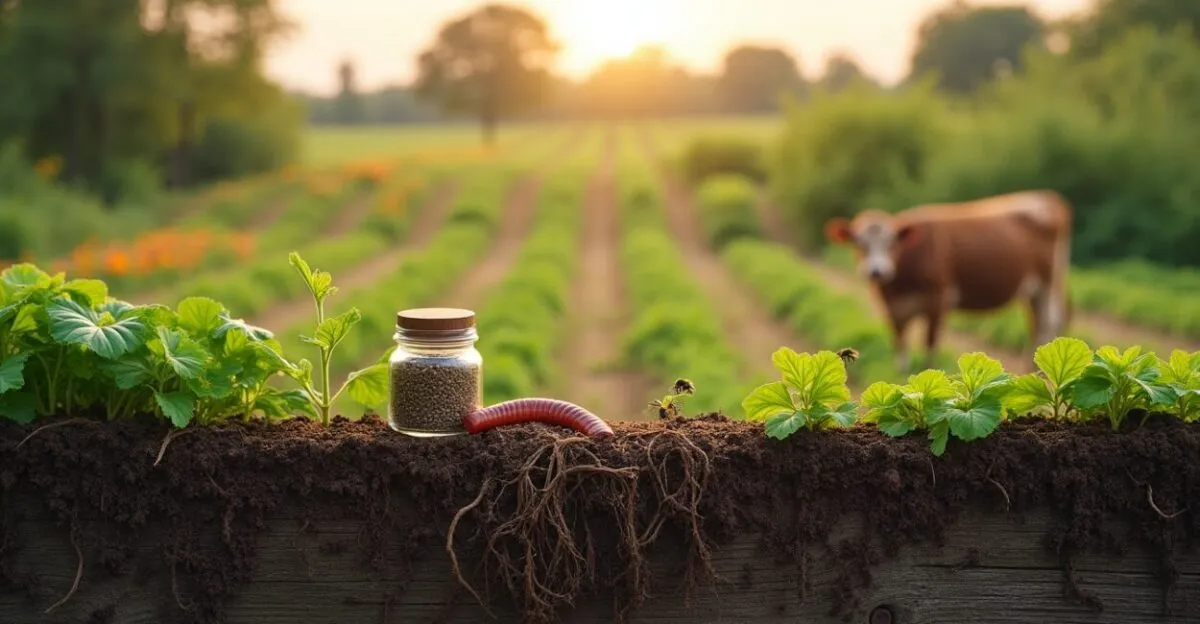
Agroecology combines local and scientific knowledge to diversify production systems, balancing agricultural output with ecosystem services. Intercropping, agroforestry, and integrated pest management boost resilience and reduce reliance on pesticides, reinforcing economic and environmental sustainability.
Protecting and Promoting Biodiversity
Green corridors, pollinator habitats, and crop diversity strengthen natural biological control, improving pollination and crop health. Habitat restoration strategies and conservation practices increase genetic diversity and safeguard essential ecological functions that support ongoing production.
- Integrated crop-livestock-forestry systems (ICLF) to diversify production.
- Using locally adapted varieties and community seed banks.
- Planting species that attract pollinators and natural enemies of pests.
These measures strengthen the agroecosystem’s ability to provide essential services, reduce spending on agricultural chemicals, and promote environmental balance.
Applied Technological Innovations
Precision Technology and Sustainable Agriculture
Precision technology optimizes input applications, reducing losses and improving efficiency. Sensors and satellite imagery support real-time field decisions. Digital platforms and big data enable crop monitoring, climate risk forecasting, and more resilient, sustainable planting plans.
Biotechnology and Sustainable Inputs
Innovations in biofertilizers and biostimulants reduce dependence on synthetic chemicals, while beneficial microorganisms improve nutrient cycling and plant health.
Read also: Agroforestry: Techniques for Healthy, Productive Soils
Developments in climate-resilient seeds complement sustainable practices, increasing productivity in regenerative systems.
- Drone mapping and remote sensing for site-specific management.
- Biological solutions for pest control and nutrient enhancement.
- Digital platforms for traceability and certification.
Integrated technologies improve production efficiency and help sustainable agriculture scale without sacrificing economic viability, connecting producers with markets and public policy.
Read also: Sustainable Farming: Practices That Boost Profits

Economics, Policy, and Markets
Economic Models and Cost-Benefit Analysis
The transition to sustainable agriculture requires weighing short-term costs against long-term benefits, including ecosystem services and climate risk mitigation. Tax incentives, green agricultural credit, and payments for ecosystem services can make adoption viable at different production scales.
Regulations, Certifications, and Value Chains
Sustainability certifications add market value, while traceability and regulatory compliance are increasingly required by major buyers and consumers. Public policies that support research, agricultural extension, and infrastructure strengthen the adoption of sustainable agriculture nationally and regionally.
- Economic incentives for conservation practices.
- Extension programs and technical training.
- Access to premium markets through sustainability certifications.
Coordination among markets, policy, and technical assistance is crucial to turning knowledge into widely adopted practices, ensuring both financial and environmental sustainability.
Monitoring, Indicators, and Scaling Up
Metrics for Evaluating Sustainable Agriculture
Indicators for soil, biodiversity, carbon sequestration, and water use measure performance; standardized metrics make comparisons easier and support effective policies. Combining local metrics with international guidelines improves communication among producers, buyers, and regulators, fostering trust and investment.
Scaling and Replicating Practices
Pilot projects with rigorous monitoring show how to scale successful approaches, while farmer networks and cooperatives speed the adoption of sustainable practices. Wider adoption depends on institutional capacity, financing, and clear economic evidence to support investment decisions and public policy.
| Practice | Benefit | Challenge |
|---|---|---|
| No-till farming | Less erosion; increased soil carbon | Equipment adjustments and residue management |
| Agroforestry | Biodiversity; multiple income sources | Time to maturity and initial investment |
| Drip irrigation | Water-use efficiency | Installation and maintenance costs |
This table compares key practices, highlighting clear benefits and operational challenges that must be managed through policy, financing, and technical assistance. Related content and case studies can guide implementation; consult references and technical guidelines to tailor solutions to local conditions. Recommended sources and further reading: government documents and academic research provide technical foundations—for example, guidance from Brazil’s Ministry of Agriculture and universities. Additional resources include reports from international organizations. Recommended further reading: the Ministry of Agriculture and scientific publications available through university repositories, as well as analyses from specialized outlets.
For practical recommendations and scientific evidence, also consult technical studies and good-practice manuals published by research institutions.
Comparing Systems and Conclusion
Conventional Systems Compared with Sustainable Agriculture
Conventional systems prioritize immediate productivity through synthetic inputs, while sustainable agriculture seeks a balance between production, conservation, and economic viability.
The transition requires planning, upfront investment, and training, but it leads to lower ecological risk and greater long-term resilience.
Guidelines for Practical Implementation
Start by assessing soil and water, implement conservation practices, and track key indicators. Adapt technologies to local conditions and production goals.
Encourage cooperation among producers, access to technical assistance, and market access to support scale and ongoing economic sustainability.
| Criterion | Conservation | Productivity |
|---|---|---|
| Short term | Moderate | High |
| Long term | High | Stable |
| Climate risk | Reduced | Increased |
The comparison shows that gradual, integrated adoption can balance productivity and conservation, making sustainable agriculture a viable solution to climate and food challenges.
Frequently Asked Questions
What Is Sustainable Agriculture, and Why Is It Important?
Sustainable agriculture is a production system that balances food production with environmental conservation, economic viability, and social inclusion. It matters because it preserves natural resources such as soil and water, reduces greenhouse gas emissions, increases resilience to extreme weather, and ensures long-term food security. It also promotes practices that lower operating costs and market risks. Broad adoption contributes to national and international sustainability and rural development goals.
Which Soil Management Practices Are Essential for Sustainable Agriculture?
Essential practices include no-till farming to reduce erosion, crop rotation to control pests and restore nutrients, green manure to increase organic matter, and responsible fertilizer use based on soil testing. Maintaining vegetative cover and using physical measures such as terracing and contour farming are also important. These measures improve fertility, water retention, and soil biodiversity, reducing dependence on chemical inputs and supporting stable productivity.
How Can Irrigation Be Optimized in Sustainable Agriculture?
Optimization involves drip irrigation, soil moisture sensors, and scheduling based on evapotranspiration. Rainwater harvesting and wastewater reuse help reduce dependence on external sources. Mulching and cover crop management reduce evaporation. Together, these approaches cut waste, increase water-use efficiency per unit of product, and protect watersheds. The water savings and greater resilience to drought offset the planning and upfront investment.
Which Technologies Are Driving the Transition to Sustainable Agriculture?
Precision technologies such as drones, remote sensing, and digital platforms enable real-time monitoring and site-specific input applications. Biological inputs such as biofertilizers and biological pest control reduce chemical use, while more resilient seeds and traceability systems strengthen value chains. These innovations improve efficiency, reduce environmental impacts, and make it easier to meet certification requirements, helping sustainable agriculture scale across different production systems.
How Can Public Policy and Markets Support Implementation?
Public policy can offer tax incentives, green agricultural credit, payments for ecosystem services, and technical extension programs. Certifications and access to premium markets increase the value of sustainable products, while investment in infrastructure and research lowers barriers to adoption. Coordination among governments, research institutions, and the private sector is essential to create a supportive environment, facilitate technology transfer, and ensure farmers have the financial and technical support needed to transition to sustainable agriculture.
Artigos Relacionados
 Sustainable Agriculture: A Path to Sustainable Social Development
 Agroforestry: Techniques for Healthy, Productive Soils
 Organic Fertilizer: Recipes and Uses for More Fertile Soil
 Integrated Pest Management: Sustainable Practices for Pest Control
 Home Gardening: How to Grow Your Own Food in a Healthy, Affordable, and Sustainable Way
 African Mahogany Planting: A Complete Guide to Profitable, Sustainable Growing
