
Agroforestry is a production system that integrates trees, crops, and animals to increase a farm’s resilience, biodiversity, and productivity. It matters because it restores soil health, improves nutrient cycling, and creates diverse income streams, making it ideal for anyone seeking sustainable practices. To get started, identify your climate, soil, and production goals; then plan your mix of species and management practices.
A common challenge is balancing productivity with environmental restoration on farms of all sizes. Agroforestry addresses erosion, compaction, and the loss of organic matter while providing shade, shelter, and habitat for wildlife.

This article covers practical techniques for establishing an agroforestry system, managing soil, selecting species, and increasing yields, along with examples and useful tools.
Agroforestry Design and Integrated Planning
Land Mapping and Zoning
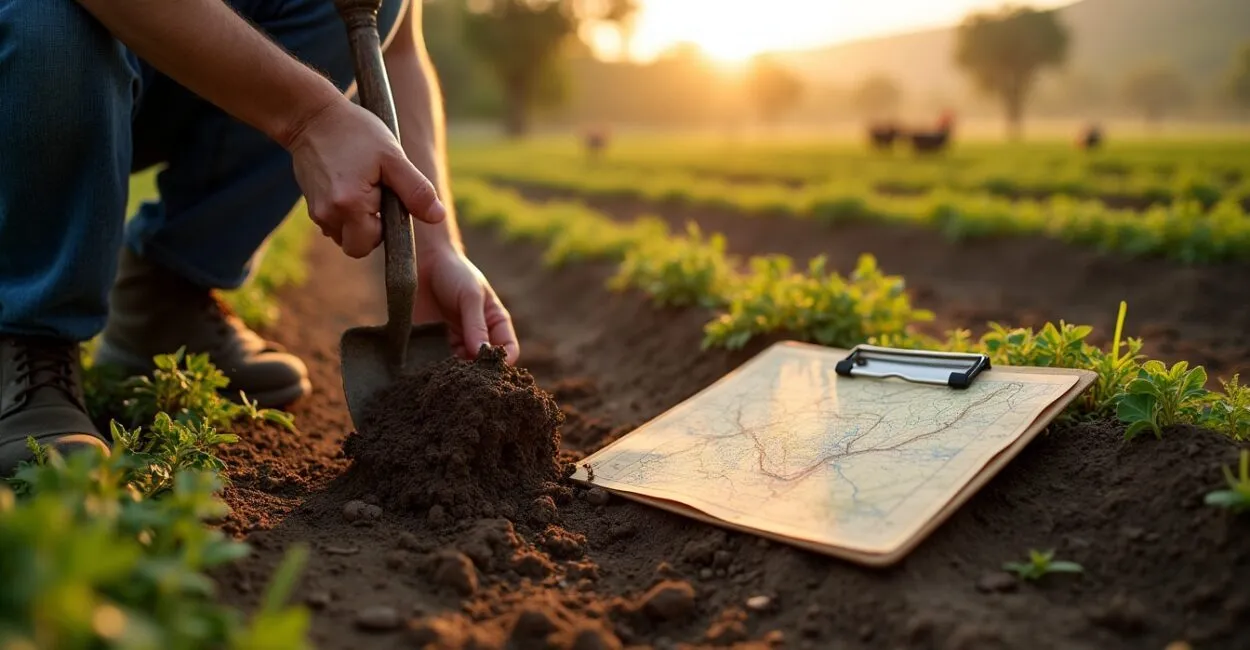
Mapping the land is the first step in a successful agroforestry project. It includes assessing slope, wind direction, water sources, and areas with fragile soil. Use this information to divide the land into zones, identifying areas that need greater protection (such as livestock pens and streamside forests) and productive areas. This makes it easier to choose suitable species and position water-retention strips. Planning reduces risks and makes the best use of resources by integrating drainage, agricultural systems, and wildlife corridors. Simple tools such as a smartphone GPS and SRTM data or topographic maps can help verify the design before planting begins. Mapping also guides the layout of contour lines, terraces, and other conservation practices, reducing erosion and capturing nutrients in critical areas. This helps align the project with production and restoration goals.
When zoning the land, also consider its history of use and whether native species are present that could be enriched. This analysis supports phased planning, identifying priority areas for intervention, seed-collection sites, and locations for nurseries.
Zoning makes it easier to allocate labor and supplies, improving the efficiency of implementation.
Species Selection and Planting Combinations
Choose species based on their functions: nitrogen fixation, biomass production, fruit, and timber, with growth suited to the climate. Well-planned combinations pair annual crops with pioneer trees and midstory species, balancing competition for light and water. Choose local plants to ensure they are well adapted and keep costs down, while also supporting wildlife and pollinators. Common combinations include cover-crop legumes to enrich the soil, fast-growing trees for shade, and high-value perennial species. Functional diversity matters more than the number of species: focus on roles that improve nutrient cycling, provide shade, and protect against wind.
Testing small plots before expanding helps you adjust plant density and spacing. Monitor species performance and health during the first few years to identify resilience to pests, disease, and water stress, adjusting the mix as needed.
Land-Use Matrix and Integration with Agriculture
Creating a land-use matrix means integrating production areas with permanent features such as tree strips, hedgerows, and wildlife corridors. The matrix organizes where to plant annual crops, where to keep shade trees, and where to focus on restoration.
The goal is to maximize yields without losing ecosystem services, creating productive, strategically planned mosaics.
As you plan, define crop rotations, harvest windows, and areas where the soil can rest. The matrix should support seasonal practices such as no-till planting into cover crops and periodic pruning to produce biomass and firewood. Integrating livestock systems—such as grazing beneath trees—increases total productivity per acre. Document the matrix to guide future work and share the design with your team or partners. This supports phased implementation and results tracking, encouraging ongoing adaptation and expansion of the agroforestry system.
- Assess the land — Survey topography and soil to inform initial decisions.
- Set goals — Define production, social, environmental, and financial targets.
- Choose species — Prioritize ecological functions and local adaptability.
- Implement in phases — Start with pilot strips and expand based on results.
Soil Management Practices in Agroforestry
Restoring Degraded Soil with Agroforestry
Agroforestry is an effective way to restore degraded soil: it combines continuous plant cover, organic matter inputs, and deep roots that improve soil structure and porosity. Planting cover-crop legumes and pioneer species accelerates nitrogen fixation and restores soil microbial communities.
At the same time, techniques such as mulch and small infiltration pits reduce water loss and allow soil organisms to recover.
Regularly observing the topsoil helps measure gains in organic matter and water-holding capacity. In compacted soils, introducing deep-rooted plants and reducing machinery traffic support natural soil restructuring. Visible signs of recovery often appear within 2–5 years, depending on the degree of degradation and the practices used. Combining agroforestry systems with targeted liming, when needed, and organic fertilization improves early results without relying on synthetic fertilizers. This integrated approach focuses on restoring the ecological processes that sustain long-term fertility.
| Practice | Benefit | Time to take effect |
|---|---|---|
| Plant cover | Reduced erosion and increased organic matter | 1–2 years |
| Legumes | Nitrogen fixation and improved soil biology | 1–3 years |
| Mulch and crop residue | Moisture and temperature regulation | Immediate–2 years |
Composting, Ground Cover, and Nutrient Cycling
Composting and using crop residue are essential for maintaining fertility in agroforestry systems: they return carbon to the soil, feed microorganisms, and improve soil structure. Crop residue protects the soil from heavy rain, reduces evaporation, and creates favorable microclimates for seeds and young plants. Well-balanced compost provides slow-release nutrients and works well with green manure.
Practices such as pruning trees and incorporating biomass into compost windrows improve nutrient cycling. Organic matter also supports beneficial growth-promoting microorganisms, including mycorrhizae and rhizobia. Periodic compost applications speed the recovery of areas with low biological activity.
Monitor organic matter and CEC (cation exchange capacity) to adjust compost applications over time. Well-managed composting reduces the need for external inputs and increases system stability.
Erosion Control and Water Management
Integrating tree strips, living ground cover, and terraces significantly reduces erosion on slopes and in floodplains. Contour planting and contour lines slow rainwater, promoting infiltration and groundwater recharge. Agroforestry systems with deep roots increase the soil’s capacity to store water, which is crucial during dry periods.
Simple structures such as swales (earthen berms) and small basins can be incorporated into the design to capture surface water. Maintaining continuous ground cover is essential to prevent erosion and protect topsoil. In areas with heavy rainfall, use fibrous-rooted plants for immediate stabilization.
Water management also involves planning efficient irrigation in productive areas and conserving moisture with mulch. This integrated approach reduces yield variability and increases resilience to extreme weather events.

Species and Biodiversity in Agroforestry

Native and Non-Native Species and Wildlife Corridors
Prioritizing native species strengthens local biodiversity and improves resilience to pests and drought. However, including low-risk, high-value non-native species can help generate income sooner. Wildlife corridors connect habitat fragments and facilitate the movement of wildlife and genetic material, increasing pollination and natural biological control.
When planning corridors, choose species that provide flowers and fruit at different times of year to support pollinators and birds. Restoring streamside forests with native species improves water quality and reduces sediment buildup. Use local species inventories and seed banks to select adapted genetic material.
Monitoring wildlife—including beneficial insects, birds, and small mammals—reveals environmental gains and supports adaptive management. Investing in functional diversity promotes ecosystem services that increase productivity and reduce the cost of chemical pest control.
Pollination, Biological Control, and Habitat
Agroforestry supports pollinators by providing a continuous variety of flowers and shelter, which are essential for crops that depend on pollination. Birds and predatory arthropods also reduce pest populations through biological control. Features such as hedgerows and wood piles provide more niches for beneficial organisms.
Read also: Agricultural Training: Boost Productivity and Stand Out in the Field
Diverse plantings provide resources even outside the main growing season, keeping pollinators active. Practices that avoid systemic pesticides and preserve beneficial habitats strengthen these services. Integrating farm management with conservation is key to maintaining a lasting balance.
Monitor these services using traps, direct observation, and yield records. Field data can guide adjustments to species mixes and strategies to maximize pollination and biological control, reducing crop losses.
Read also: Agroforestry: How to Combine Trees and Crops on the Farm
Producing Food and Timber While Conserving Nature
Agroforestry systems combine food production (fruit, vegetables, and grains) with timber and non-timber forest products such as honey, resins, and fibers, balancing income with conservation. Proper layering allows annual crops to grow beneath young trees until those trees take on their long-term roles. Plan rotations and pruning to ensure adequate light and a continuous supply of biomass.
Forest products should be harvested sustainably, with extraction cycles matched to growth and management practices that maintain carbon stocks. Well-designed systems can increase yields per acre compared with monocultures, while also reducing input costs.
Certifications and green markets can add value to agroforestry products. Record management practices and environmental indicators to reach niche markets that value sustainability. This makes conservation and production viable together.
- Choose species — Prioritize native species and ecosystem functions.
- Plan layers — Arrange trees by height and ecological function.
- Protect corridors — Connect habitats for pollinators and predators.
- Monitor ecosystem services — Track pollination, pests, and productivity.
- Adapt plant combinations — Adjust species based on performance.
Agroforestry Economics, Profitability, and Scalability
Business Models and Cost Analysis
The economic viability of agroforestry depends on long-term planning that accounts for upfront costs (nursery, labor, and fencing) and diverse revenue streams (fruit, timber, and forage). Cost-benefit analyses and phased cash-flow projections help show the expected return and break-even point. Organic inputs and family labor can reduce costs, but it is crucial to account for labor and periods of low revenue.
Business models that include payments for ecosystem services, such as carbon credits and payments for water conservation, can improve financial viability. Agroforestry planning tools and specialized consultants can help create realistic revenue and cost projections that account for climate and market risks.
Consider diversifying sales channels—local markets, cooperatives, and direct sales—to reduce exposure to price fluctuations. Scale and diversification reduce risk and improve cash flow over time.
Markets, Value-Added Products, and Supply Chains
Agroforestry produces goods that appeal to sustainability-minded buyers, making it possible to add value through organic certification, local produce boxes, processed goods such as jams and oils, and honey production. Organizing cooperatives or associations makes it easier to access larger markets and manage sales. Investing in local processing increases profit margins and reduces postharvest losses.
Connecting with short supply chains—farmers markets, local stores, and e-commerce—strengthens relationships with consumers willing to pay a premium for sustainable practices. Mapping regional demand and niche markets, such as restaurants and organic grocery stores, can guide production and packaging plans.
Partnerships with research and agricultural extension organizations can improve quality, standardize products, and open doors to institutional markets and exports. Environmental certifications and place-of-origin claims can provide a strategic advantage.
Scaling Up, Public Policy, and Incentives
Scaling up agroforestry requires public policies that support credit, agricultural extension, and incentives for ecosystem services. Payment-for-ecosystem-services programs and green credit lines can speed adoption at scale. Training technicians and farmers is essential to replicate successful models across different biomes and climates.
Demonstration projects and community nurseries lower the barriers to getting started and support local learning. Policies that recognize agroforestry as a production system make it easier to access technical and financial assistance. Well-documented case studies can help convince stakeholders and investors.
When planning to scale up, assess logistics and infrastructure needs, including processing and storage. Replication depends on transferring knowledge and adapting to local conditions, not on applying a single model everywhere.
Practical Implementation and Long-Term Management
Planting, Spacing, and Nursery Operations
Planting plans should use spacing that balances competition and future production: plant fast-growing trees closer together in strips and permanent species in alternating rows. Adjusted spacing allows for light mechanization and manual maintenance when needed. The nursery should produce healthy seedlings using nutrient-rich growing media and hardening practices before field planting.
Nursery operations should include seed selection, pest and disease control, and a grafting or propagation calendar suited to each species. Well-formed seedlings have lower mortality and establish more quickly. For small-scale farmers, community nurseries and seedling exchanges are effective, economical options.
Record plant densities and results by species in spreadsheets so you can replicate what works. On larger areas, use planting markers and maps to follow the design. Proper furrow preparation and initial irrigation help seedlings establish successfully.
| Species | Recommended spacing |
|---|---|
| Cover-crop legume | 0.5–1 m between plants |
| Pioneer tree | 3–6 m between rows |
| Fruit tree | 5–8 m between rows |
Pruning, Biomass Management, and Rotation
Regular pruning controls shade, encourages new growth, and provides biomass for ground cover. Biomass management through chop-and-drop feeds garden beds and compost windrows, closing nutrient cycles. Schedule pruning to align with the light needs of crops beneath the canopy and the trees’ production cycles.
Rotating crops beneath trees reduces pest and disease pressure and improves nutrient use. Combine rotation with green manure to reduce soil depletion. Keep records of pruning, biomass volumes, and effects on crop yields.
Avoid severe pruning that exposes trunks and increases the risk of pests. Instead, prune gradually and during dry periods, when the risk of fungal disease is lower. Integrated residue management supports sustainable operations.
Monitoring, Indicators, and Adaptation
Monitoring indicators such as organic matter, pH, yield per plot, pest presence, and pollinator diversity allows you to make ongoing adjustments to the system. Use photos, GPS, and regular records to compare project stages. Ecological and economic indicators can help demonstrate success and prepare reports for certifications or funders.
Adaptation relies on controlled experimentation: set up pilot plots with different species combinations, pruning approaches, and fertilization methods. Analyze the data and expand practices that offer the best cost-benefit ratio. This reduces risk and improves decision-making.
Digital tools and agricultural apps can support monitoring and integrate climate and soil data, making management more responsive. Share results with farmer networks to speed up collective learning.
- Track indicators — Regularly record soil, productivity, and biodiversity data.
- Adjust management — Adapt spacing, pruning, and species combinations based on data.
- Document results — Prepare reports to support decisions and access to incentives.
Conclusion
Agroforestry is a powerful strategy for improving soil, biodiversity, and yields on farms, combining ecological restoration with economic production. With careful planning, well-chosen species, and sound soil management, farmers can restore degraded land and diversify income efficiently.
Investing in agroforestry systems takes patience and monitoring, but it delivers long-term environmental and social benefits. Start small, document results, and seek technical support and market networks to scale up with confidence. Experiment, adapt, and share what you learn to expand agroforestry’s impact.
Frequently Asked Questions
What Is Agroforestry, and How Does It Differ from Conventional Agriculture?
Agroforestry integrates trees, crops, and sometimes animals to create diverse, perennial systems. Unlike conventional agriculture, which is often based on a single crop and intensive production, agroforestry prioritizes biodiversity, nutrient cycling, and ecosystem services. It aims to balance production with conservation, reduce erosion, increase organic matter, and build climate resilience. Implementation requires planning and adaptive management.
How Long Does It Take for Agroforestry to Start Improving Soil?
Early improvements in soil can be observed within 1–3 years with plant cover, organic fertilization, and legumes, while deeper changes in soil structure and carbon stocks may take 3–10 years. The timeline depends on the degree of degradation, climate, species used, and management practices. Ongoing monitoring helps evaluate progress and adjust interventions to speed recovery.
Which Species Are Recommended for Starting an Agroforestry System?
Prioritize native species adapted to the local biome, nitrogen-fixing legumes, fast-growing pioneer trees, and fruit trees suited to the market. Functional diversity—nitrogen fixers, biomass producers, and commercially valuable perennials—matters more than the number of species. Pilot plots help identify the most productive, resilient local combinations before expansion.
How Can I Finance an Agroforestry Project on a Small Farm?
Funding may come from agricultural credit lines, state or federal support programs, payments for ecosystem services, and partnerships with nonprofits. Other options include cooperatives, community nurseries, and crowdfunding. Documenting a business plan and demonstrating the system’s potential yields and ecosystem services can improve your chances of accessing funding and incentives.
Which Practices Help Control Pests Without Chemical Pesticides?
Effective approaches include biological control using natural predators such as birds and beneficial insects, traps, crop rotation, repellent plants, and the preservation of beneficial habitat. Plant diversity reduces pest pressure and strengthens ecological balance. Regular monitoring and targeted interventions minimize the need for chemical inputs, supporting sustainable management and food safety.
Sources: EMBRAPA (Brazilian Agricultural Research Corporation), FAO, World Agroforestry (ICRAF)
Artigos Relacionados
 Home Gardening: How to Grow Your Own Food in a Healthy, Affordable, and Sustainable Way
 Active Learning: Practical Classroom Techniques
 Literacy: Practical Techniques to Help Children Learn
 Active Learning: Practical Techniques to Engage Students
 Emotional Intelligence: Signs and Techniques for 2025
 Growth Mindset: Practical Techniques and Examples
