Literacy gives children the foundation to read, write, and understand the world, making it essential to their academic and social development. In this article, I explain why literacy matters, how it benefits individuals, and which practical steps can launch the teaching process effectively and playfully. The integrated, practical definition used here describes literacy as the set of decoding, comprehension, and writing skills needed to participate fully in school and everyday life.
The challenge is turning theory into practice for children in elementary school, aligning phonological, syntactic, and semantic methods with playful activities and lesson sequences. Below, I share strategies, lesson sequences, resources, and formative assessments that teachers and families can use right away, with a focus on measurable results and student engagement.

Basic Literacy Concepts
- Phonological awareness: perceiving and manipulating sounds
- Grapheme-phoneme correspondence: learning letters and their sounds
- Reading fluency: accurate reading at an appropriate pace
- Reading comprehension: understanding meaning and making inferences
- Writing: organizing ideas and using basic spelling
What phonological awareness involves
Phonological awareness includes identifying syllables, rhymes, and beginning and ending sounds in words—skills that develop before reading. Activities such as segmenting words, rhyming, and sound games help children recognize how sounds make up spoken language.
Adding daily oral exercises and listening games to the classroom can reduce later difficulties with sound-letter correspondence and make decoding easier to learn.
Grapheme-phoneme correspondence
Teaching grapheme-phoneme correspondence requires systematic, gradual practice, moving from simple to complex: individual sounds, syllables, and words. Explicit alphabetic instruction, visual letter cues, and activities involving short words help build automaticity.
Repeated, contextualized practice with immediate feedback speeds up recognition and reduces persistent errors in early reading.
Early reading comprehension and writing
Comprehension involves inferring meaning, connecting ideas, and predicting what might happen in simple texts. Writing involves organizing coherent sentences for a specific purpose. Storytelling, guided questions, and shared writing help build vocabulary and an understanding of text structure.
Connecting reading and writing strengthens learning because children see the purpose of reading and creating meaning.
Practical Literacy Teaching Methods
- Teach sounds and letters explicitly and systematically.
- Practice segmenting and blending sounds every day.
- Use shared reading to model fluency.
- Provide guided writing with consistent visual support.
- Conduct formative assessments and adjust the lesson plan.
The phonics method and how to use it
The phonics method focuses on teaching the relationship between letters and sounds through clear, repetitive sequences. In the classroom, this means short, focused lessons on phonemes, reading syllables and simple words, and plenty of reading aloud practice.
When practiced regularly with feedback, this approach reduces decoding errors and builds reading speed.
The whole-word method and integrated activities
The whole-word method emphasizes recognizing words and understanding them in context, making it useful alongside phonics instruction. Reading familiar sentences, using illustrations, and playing matching games help children connect words with meaning right away.
Combining whole-word instruction with phonics gives children access to meaning early on, without making them wait until they have fully mastered decoding.
Multisensory instruction and differentiation
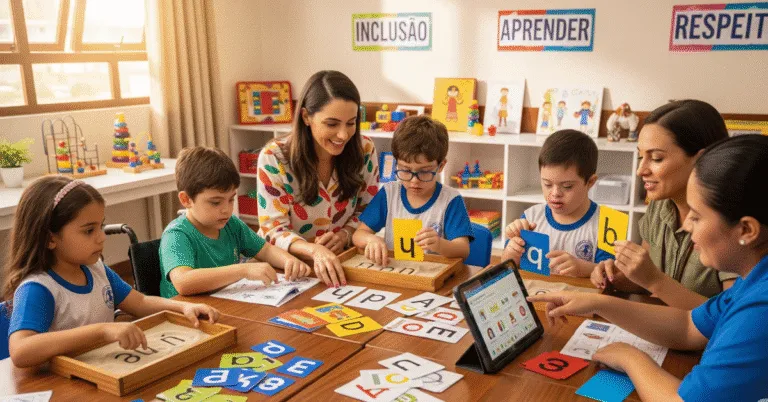
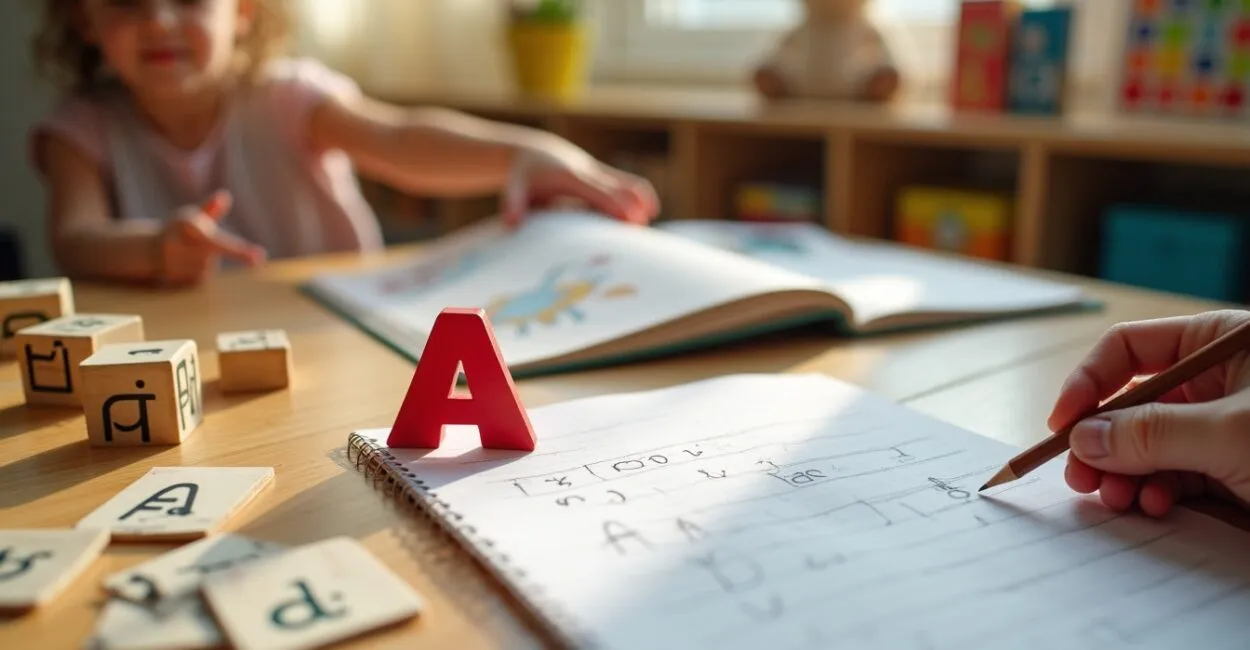
Multisensory learning involves moving, touching, and seeing letters and words—for example, tracing letters in sand or using letter blocks. This approach can support children with different learning styles and challenges.
Plan differentiated activities that provide both extra practice and challenges, helping every student make progress through short cycles of instruction and reassessment.
Comparing Literacy Teaching Methods

| Method | Focus | When to use it |
|---|---|---|
| Phonics | Systematic decoding | At the start of formal instruction |
| Whole-word | Word recognition and context | As a complement to phonics |
| Multisensory | Sensory and motor integration | For students with challenges or diverse needs |
| Balanced | A combination of techniques | In mixed-ability classrooms |
How to compare the effectiveness of different methods
Comparing methods requires clear indicators: decoding accuracy, words read per minute, and reading comprehension. Measuring progress monthly with standardized tasks helps identify which method or combination works best. Formative assessment data can guide adjustments to lesson sequences and help teachers intensify interventions when needed.
Criteria for choosing a method
When choosing a method, consider the class’s needs, available resources, and teacher training. For example, if 70% of students have auditory processing difficulties, prioritize multisensory approaches and individual support. According to UNESCO, context and resources directly affect how methods are implemented and the results they achieve.
Read also: Fractions in Elementary School: Practical Teaching Strategies
Practical classroom implementation
Implementation requires weekly planning with fluency goals, activities, and assessments. Combine short phonics lessons, shared reading, and playful learning stations. Track progress with simple records and hold brief meetings with the teaching team to align interventions and ensure activities match learning objectives.
Lesson Sequences and Playful Activities
- Shared reading with repetition and active participation
- Rhyming and sound-segmentation games
- Guided creative writing workshops
- Rotating stations with short reading tasks
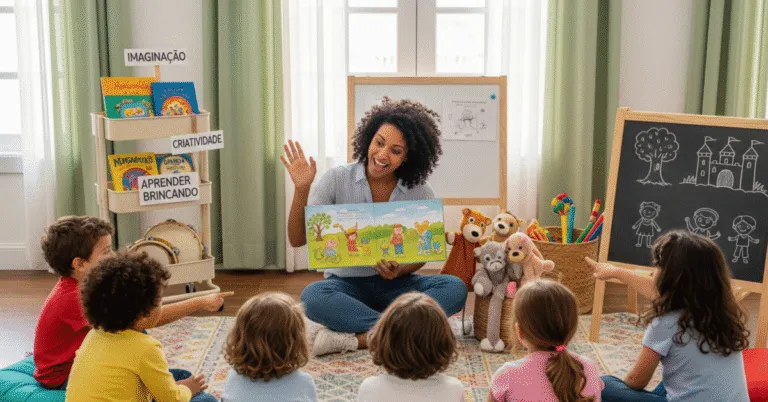
- Puppet theater to build oral language and vocabulary
Planning weekly lesson sequences
Weekly sequences combine clear objectives, hands-on activities, and assessment. For example, spend three days on phonological awareness, two days on guided reading, and review vocabulary daily. This creates a predictable cycle that supports automaticity and retention. Record observations so you can adjust the focus to skills that still need work.
Playful activities that reinforce learning
Syllable card games, word dominoes, and letter races make learning active and enjoyable. By combining movement with friendly competition, children practice reading and writing without feeling like they are doing repetitive work. Play boosts engagement, reduces anxiety, and encourages more attempts at independent reading.
Integrated formative assessment
Formative assessment should be ongoing and practical: short dictations, reading aloud, and writing samples show student progress. Use simple checklists to track fluency, accuracy, and comprehension. According to INEP, Brazil’s National Institute for Educational Studies and Research, regular assessments can guide interventions and improve school performance when used to adjust instruction.

Educational Benefits and Impact
- Greater independence at school and higher self-esteem
- Improved reading comprehension and performance across all subjects
- Lower rates of grade retention and school dropout
- Stronger critical thinking and self-expression
- Greater family and community engagement
Impact on academic performance
Effective literacy instruction improves performance in other subjects because reading and writing are essential learning tools. According to the OECD, students with adequate reading skills score up to 20% higher on international assessments, demonstrating literacy’s ripple effect on academic learning. Investing in literacy means investing in broader school success.
Social and emotional benefits
Beyond its cognitive benefits, literacy promotes inclusion and social participation by providing access to information and civic life. Children who can read and write tend to have higher self-esteem and greater independence with schoolwork and household tasks, positively affecting their motivation to learn and their interactions with the school community.
Return on investment in education
Well-implemented literacy programs pay off over time by reducing grade retention and the need for extra support. The upfront cost of teacher training is offset by fewer remedial interventions. According to educational studies, early interventions can reduce later remediation costs by up to 30% (World Bank).
Resources, Assessment, and Progress Monitoring
| Resource | Purpose | Classroom use |
|---|---|---|
| Phonics charts | Visual support | Daily reference |
| Picture books | Comprehension and vocabulary | Shared reading |
| Educational apps | Independent practice | Homework and extra practice |
Effective assessment tools
Use simple tools: short dictations, timed reading, and comprehension tasks. Digital tools can also automatically track progress. Analyzing common errors, such as omissions and reversals, helps guide targeted interventions. Recommended schedule: formative assessments every two weeks and diagnostic assessments quarterly to guide curriculum adjustments.
Progress monitoring and intervention
Track individual progress using portfolios and fluency charts. Six- to eight-week intervention cycles with measurable goals often lead to significant gains. For students with persistent difficulties, intensive interventions lasting 15–30 minutes per day for 12 weeks can help reduce early skill gaps.
Practical limitations and challenges
- Insufficient resources in some schools
- Inadequate teacher training in specific methods
- Mixed-ability classrooms with wide differences in skill level
Drawbacks, Limitations, and Alternatives
Common limitations of literacy programs
Programs copied without local adaptation often fail, while a lack of materials and teacher training reduces effectiveness. Purely theoretical approaches often do not translate into classroom practice. Solutions require investment in ongoing teacher development and materials suited to children’s socioeconomic context, along with family support.
Risks of relying on a single approach
Focusing exclusively on phonics can neglect comprehension and vocabulary; on the other hand, a whole-word method without a phonics foundation can delay decoding. Balance is essential: combining phonics, contextualized reading, and multisensory activities reduces risks and meets different needs.
Practical alternatives and additions
Options such as peer tutoring, book clubs, and educational technology expand learning opportunities. Community reading programs and library partnerships increase children’s exposure to print. Schools with limited resources can use recycled materials and oral activities to support progress at a low cost.
Recommended Practices and Advanced Strategies
- Set clear, measurable weekly goals
- Combine phonics and context in every unit
- Use formative assessment to adjust interventions
- Encourage voluntary reading by letting students choose books
- Involve families in at-home reading activities
Classroom management for effective instruction
Organize learning stations, predictable routines, and quick transitions to maximize instructional time. Group students by skill level and plan weekly task rotations. Well-established routines increase the time students spend actively reading and writing, a critical factor in literacy development.
Family and community engagement
Engaging families through workshops, book lending, and simple guidance strengthens reading habits at home. Small steps, such as reading together for 10–15 minutes a day, have a cumulative impact. Local campaigns and library partnerships expand access to reading materials and help build a culture of reading.
Ongoing teacher training and professional development
Investing in practical, on-the-job teacher training is essential: short courses on phonological awareness, intervention strategies, and data use improve effectiveness. Peer classroom observations and ongoing feedback support lasting instructional improvement and help teachers respond quickly to emerging needs.
In short, literacy instruction requires a combination of methods, ongoing assessment, and playful strategies to engage elementary school children. Well-planned literacy instruction leads to lasting academic and social gains. Start with simple lesson sequences, assess frequently, and involve families. Try one intervention over a 6–8-week cycle and track results to adjust your approach.
Frequently Asked Questions About Literacy
What is literacy?
Literacy is the process through which children develop reading, writing, and comprehension skills by combining decoding, fluency, and understanding. It includes phonological awareness, grapheme-phoneme correspondence, and writing. The goal is to develop independent readers who can understand and produce texts in school and social settings, supporting active participation in learning and civic life.
How does literacy instruction work in practice?
In practice, literacy instruction includes systematic teaching of sounds and letters, reading aloud, guided writing, and comprehension activities. Teachers combine short phonics lessons, shared reading, and playful tasks to reinforce skills. Formative assessments guide interventions so each child receives targeted support at their own pace.
What is the difference between phonics and the whole-word method?
The phonics method emphasizes the relationship between sounds and letters, teaching children to decode systematically. The whole-word method prioritizes word recognition and understanding through context. The main difference is the starting point: phonics starts with sounds, while the whole-word method starts with meaning. Today, balanced approaches that combine both are preferred for their flexibility and effectiveness in mixed-ability classrooms.
When should intensive literacy intervention be used?
Use intensive intervention when formative assessments show persistent delays—for example, low fluency after 12 weeks of regular instruction or ongoing difficulty with grapheme-phoneme correspondence. Structured, explicit instruction for 15–30 minutes a day over 6–12 weeks often produces measurable progress and reduces the need for remediation.
How much does it cost to implement an effective literacy program?
Costs vary based on scale and resources: basic materials, such as books and posters, may cost as little as R$150 per class in lower-cost settings, while programs that include teacher training and educational technology may range from R$1,000 to R$5,000 per class per year. According to World Bank studies, upfront investments in training pay off by reducing remediation costs; exact amounts depend on the local context.