
Have you ever felt that your school could be more vibrant and more connected to the community, but you weren’t sure where to start—and no one seemed to have enough time or funding? I’ve seen that exhaustion turn into energy when there’s a solid plan.
I’ll walk you through a four-step plan for creating school cultural projects that really engage students and the community, with practical checklists and real-world examples. Stick with me, and you’ll come away with a plan that works in practice and that you can put to use right away.

Cultural Projects That Connect Start with a Community Assessment
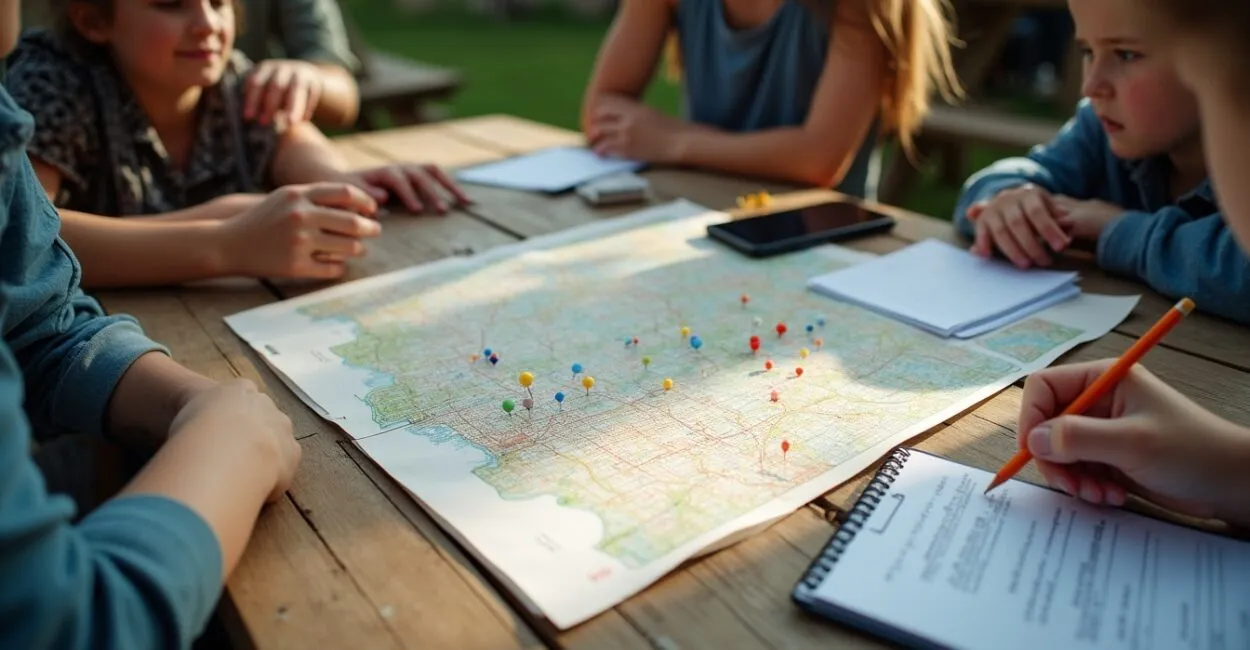
Think of the school as a map full of hidden treasures—you just need the right coordinates. Start with a cultural assessment and listen to students, families, local business owners, and artists.
- Conduct quick interviews with 10 students from different grades
- Create a map of local talent with 15 contacts (musicians, craftspeople, storytellers)
- Keep a record of public spaces available for activities
These steps may seem simple, but they’re the engine of the project. Here’s the secret: without this inventory, you’ll keep reinventing the wheel and lose people’s interest.
Why Local Partnerships Change the Game
You don’t have to do it all alone. Think of the school as a community gathering place where neighbors share tools. Partnerships bring resources, credibility, and an audience.
- Offer clear benefits in return, such as workshops for your partner’s employees
- Put simple agreements in writing
- Include small-scale community sponsorship opportunities
Partnerships aren’t just about money; they’re about stories. When the corner bakery lends you chairs, the event becomes the talk of the neighborhood. What better proof of community support could you ask for?
Leia também: Cultural Funding: Risks and New Sources for 2025
Collaborative Production as a Teaching Practice

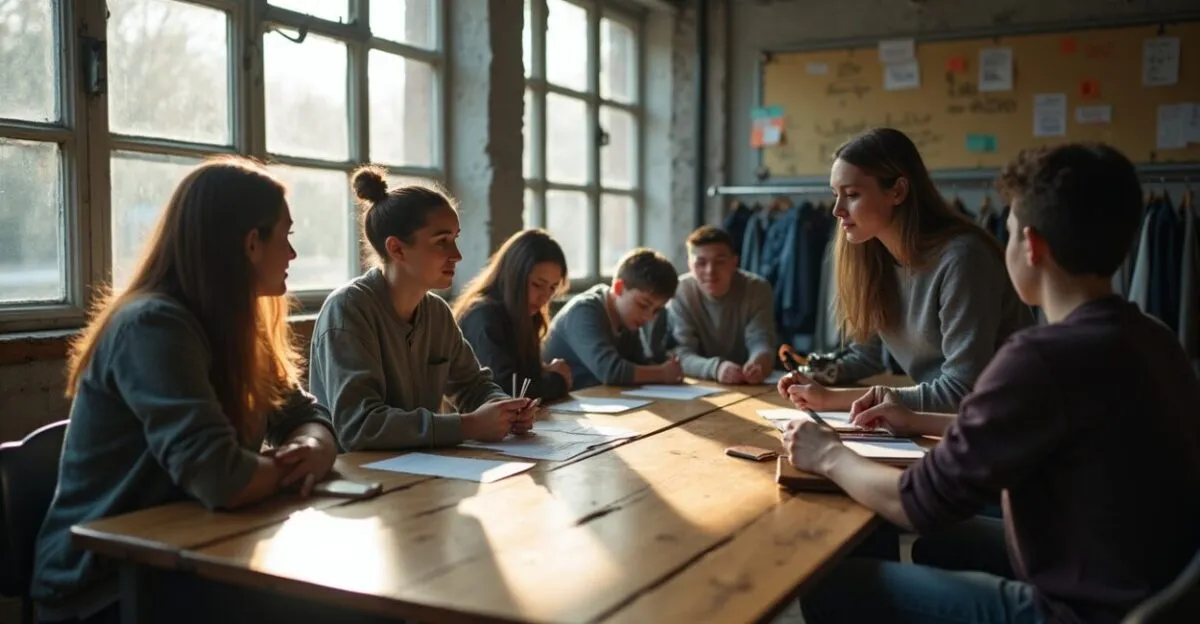
Here’s the challenge: not everyone will want to participate, and planning can stifle creativity. The solution is collaborative production—turning tasks into experiences.
- Creative sessions with students and teachers
- Assign roles, from costumes to promotion
- Keep a video record and project journal
Working together teaches organization, empathy, and practical skills. Think about it: when students take on a role, they go from spectators to protagonists—and that can change both behavior and their sense of connection.
Leia também: Improving Basic Education: Practical, Measurable Strategies
A Closing Event That Becomes a Community Celebration
The journey’s big finale should be memorable—not just a performance. Create a hybrid event with an exhibition, performances, and interactive booths.
| Format | Duration | Impact |
|---|---|---|
| Cultural fair | 3 hours | Active participation, sales, and exchange |
| Art show | 2 hours | Art appreciation and visitor turnout |
| Theater performance | 1 hour | Emotional engagement and pride |
A well-planned event can make people see the project as a much bigger success. But don’t stop there: document everything and use social media and local news outlets to reach more people.

Practical Checklists for Every Stage
Want to make sure nothing falls through the cracks? Use checklists. They keep the team on the same page and reduce anxiety.
- Assessment: contacts, permissions, talent map
- Partnerships: agreements, mutual benefits, shared calendar
- Production: roles, timeline, materials
- Event: logistics, safety, communication
Checklists aren’t bureaucracy; they’re a safety net that helps prevent surprises. Try printing one and posting it in the staff room—you’ll see the difference.
What to Avoid So You Don’t Lose Engagement
- Planning everything without listening to the community
- Expecting people to show up without a clear purpose or benefit
- Depending on just one funder
- Waiting until the last minute to communicate
Avoiding these common mistakes saves time and manages expectations. If the community feels the project is being imposed on them, they’ll shut the door. Being open and listening are the antidote.
Ready-to-Use Examples and Activities for Tomorrow
Here’s a practical plan you can use as a starting point, test quickly, and adjust: a regional music workshop, a knowledge-sharing fair, or a storytelling workshop using cell phones.
For official references and inspiration, check the Brazilian Government Portal and educational materials from Brazil’s Ministry of Education. You can also read news stories about local initiatives on major outlets like BBC Brasil, the Brazilian edition of BBC News. These examples show how to adapt ideas to different situations without losing their collaborative spirit.
Conclusion
You now have a four-step plan, checklists, and examples to help turn your school into a cultural catalyst. Don’t underestimate the power of starting small and growing with the community. Choose one action for this week, invite a partner, and conduct your first assessment. Then let me know what happened—and get ready to be surprised by what the community can create when you invite them to take part.
Question 1: How Can I Start a Cultural Project If the School Has No Funding?
Start with a cultural assessment and local partnerships, focusing on people and free spaces as resources. Use recycled materials, invite volunteer artists, and offer nonmonetary benefits such as promotion and certificates. The key is to launch a small event quickly, document it, and use the results to seek greater support.
Question 2: How Can I Involve Families Who Don’t Usually Participate?
Invite them with a clear purpose, showing how the project benefits their children and the community. Plan hands-on activities at convenient times, offer refreshments, and make time to hear their thoughts. Ask for their input during planning and give them small roles so participation can grow into a sense of belonging. Small wins build trust and pave the way for bigger commitments.
Question 3: How Long Does It Take to See Real Results?
In general, noticeable results appear within 2 to 3 months of regular activities, but a sense of belonging may emerge after the first event. The key is consistency and keeping records of what you do. Use a simple evaluation with quick questions for students and community members to track progress and adjust the project.
Question 4: Which Metrics Should I Track to Measure Success?
Track in-person attendance, social media engagement, the number of active partnerships, and qualitative feedback from teachers and families. Record sales at fairs, workshop attendance, and students’ skill development. Quantitative metrics and personal stories together show the project’s real impact and help you secure future funding.
Question 5: How Can I Document and Promote the Project on a Budget?
Use cell phones to record short videos and take photos, create digital newsletters, and partner with local radio stations or newspapers for free promotion. Share short stories on the school’s and partners’ social media accounts. Simple tools like Google Drive and social media are enough to build an archive that supports funding requests and expands your reach.
Artigos Relacionados
 Educational Projects That Transform Classrooms in 30 Days
 6 Interdisciplinary Projects for Schools: Quick Models
 Active Learning Methods: 7 Practices That Are Transforming Education
 Educational Toys: 9 Options That Inspire Creativity
 Maker Education: 5 Easy Projects to Start Today
 Phonics Teaching Methods That Build Fluent Decoding Skills
