
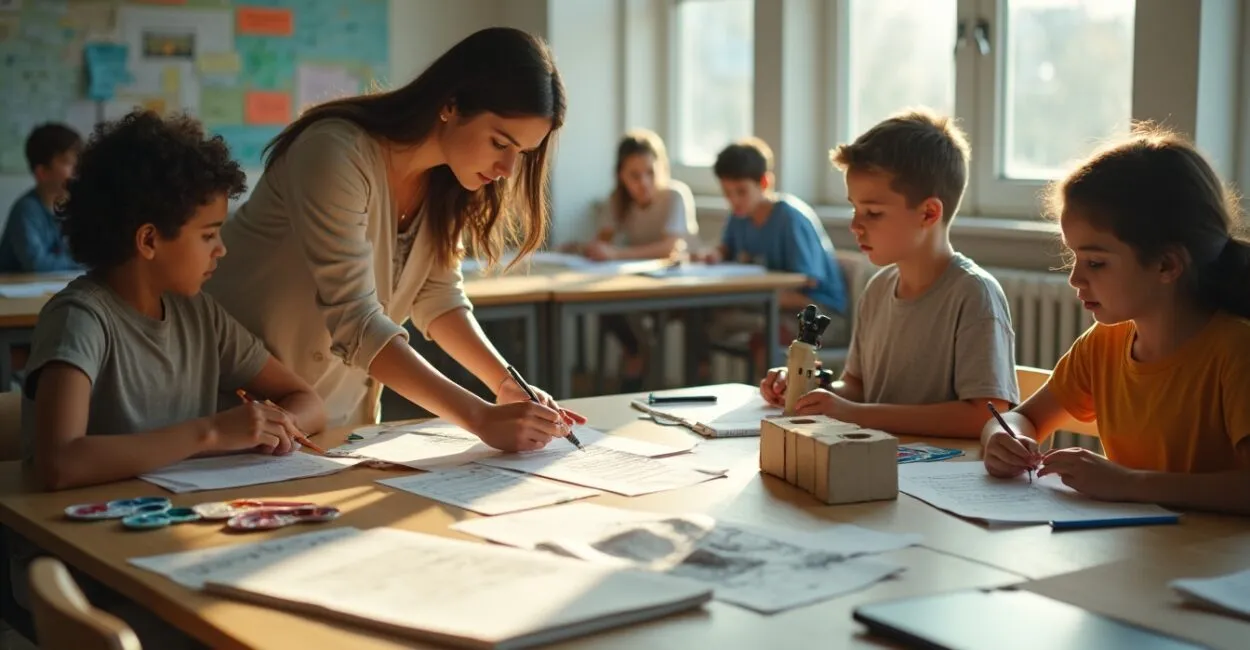
Have you ever felt that classes seem disconnected, with English, math, science, and art all kept in separate boxes? I have, too, and I know it wears out teachers and confuses students. Here are six practical interdisciplinary projects, each with objectives, a lesson plan, assessment criteria, and final products ready to display. Take a quick look, pick what works for you, and adapt it for your classroom this week.
How to Get Started with Interdisciplinary Projects Without the Hassle
Want to turn an idea into action, but short on time and support? I get it. Start small with a guiding question that connects English, math, science, and art, and involve students in creating the lesson plan.

Here’s the secret: define a clear final deliverable, simple assessment criteria, and a showcase that turns the work into an event. That changes how the class approaches the work.
Science Newspaper — Stories, Data, and Curiosity
Objectives
- Write informational texts in English
- Analyze basic data in math
- Explore the scientific method in science
- Develop page layouts and visuals in art
The newspaper brings together writing, basic statistics, and experiments. Students collect data, write articles, and design layouts. The finished product can be shared around school or as a PDF.
Lesson Plan
- Class 1: Choose topics and form a hypothesis
- Class 2: Collect data and conduct an experiment
- Class 3: Write articles and create infographics
- Class 4: Edit, design, and print
Divide students into teams, use weekly checklists, and make use of a computer lab if one is available. The final publication provides a reliable way to assess skills.
Read also: Interdisciplinary Projects: How to Engage the Class
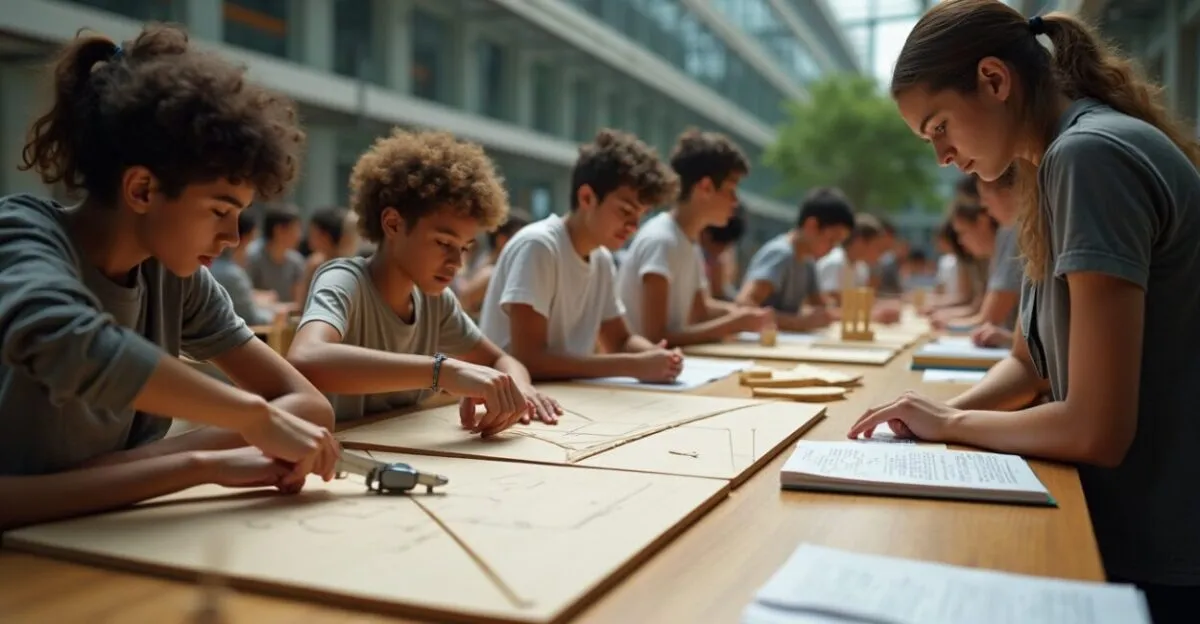
Math and Art Fair — Problems, Patterns, and Beauty

Objectives
- Solve applied problems using math
- Document processes in English
- Create art installations or sculptures
The fair features projects that highlight patterns and measurements. Students present displays, models, and performances that showcase calculation, proportion, and communication. Visitors vote for their favorite project.
Assessment Criteria
Use clear rubrics for content (math), communication (writing and speaking), and visual appeal (art). Score research, originality, and presentation clarity, and share the rubric from the start.
Leia também: Principles of Outcome-Based Education
History and Science Comics — Tell, Explain, Illustrate
Objectives
- Create historical and scientific narratives in English
- Interpret logical sequences and cause and effect
- Experiment with art techniques and design
Comics help students synthesize information. They turn historical events or scientific processes into visual stories, using speech bubbles, panels, and captions to explain concepts.
| Task | Time | Product |
|---|---|---|
| Research | 2 classes | Summary |
| Script | 1 class | Storyboard |
| Artwork | 2 classes | Final comic |
The table helps you plan over several weeks. It’s simple, visual, and effective for managing instructional time and expectations.
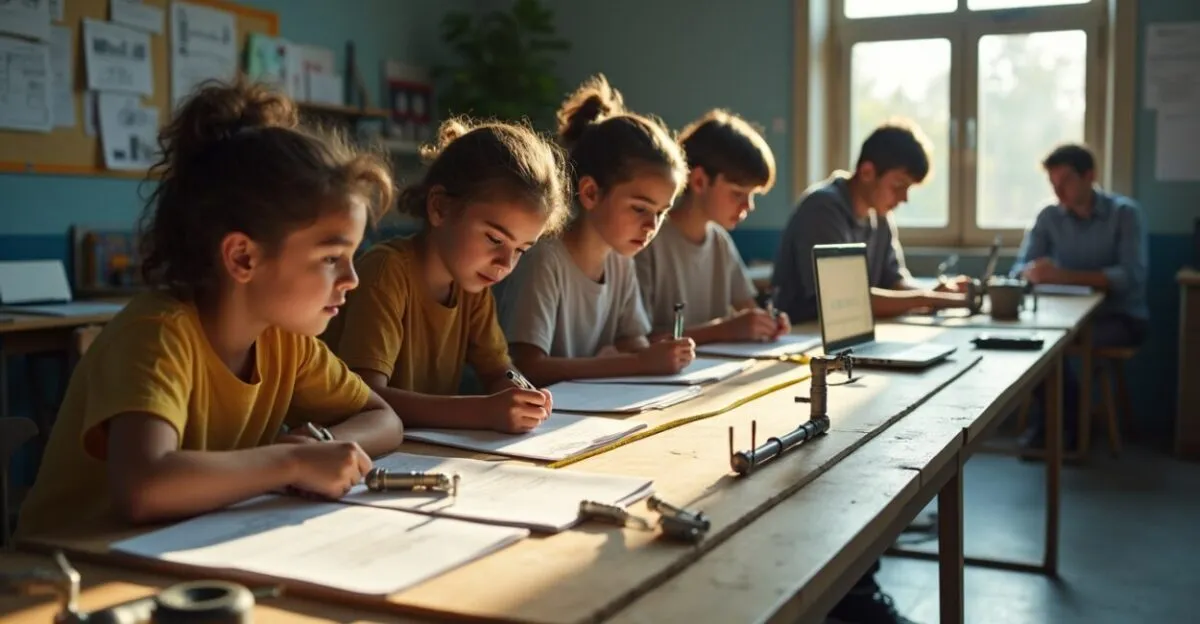
Real-World Workshop — Solve a Problem at School
Objectives
Choose a local problem, such as water waste or confusing school signs. Students research, measure, propose solutions, and build prototypes. This model starts with a real-world context and calls for technical writing, calculations, and visual presentations.
Key Steps
- Map the problem through interviews
- Collect data and take measurements
- Build and test prototypes
This turns theory into real-world impact and creates an opportunity to present projects to the school community, potentially involving Brazil’s Ministry of Education or local partners.
Music, Rhythm, and Fractions — Sound, Proportion, and Language
Objectives
Use music to teach fractions, proportion, and reading comprehension. Students create arrangements that illustrate fractions, write lyrics in English, and give an artistic performance.
Final Products and Showcase
Concerts, videos, and printed sheet music are great for a showcase. Record and share the work, or invite parents to an informal recital. For research on music and learning, visit SciELO, Brazil’s online scientific library.
Assessment, Setup, and Showcase — Turn Projects into an Event
Practical Criteria
Combine self-assessment, peer assessment, and the teacher’s rubric. Use a checklist for communication, content, creativity, and impact. Keep it simple: focus on evidence of the process and the displayed final product.
- What to avoid: making assessments too subjective
- What to avoid: failing to promote the showcase to the community
- What to avoid: underestimating setup time
Common mistakes can undermine engagement, so document each step, make the schedule clear, and celebrate students’ efforts at the showcase opening. This helps turn their work into recognized learning.
You’re all set: six project models you can try, each with a lesson plan, assessment criteria, and a final product. Choose one, adapt it, and give it a try next week.
If you’d like, I can share a ready-to-print rubric. Tell me which model you chose, and I’ll help you customize it.
Frequently Asked Questions
How Can I Adapt These Projects for Multiage Classes?
Adapt them by assigning clear roles and tiering activities by level. Divide tasks into research, execution, and presentation, assigning different challenges based on grade level. Use mixed-ability groups to balance skill levels and make sure every student has a role with a measurable goal. Plan brief weekly check-ins and provide visual resources to support independent work. This encourages collaboration and makes skills-based assessment easier, without overburdening anyone.
How Long Does Each Project Usually Take?
Quick projects typically take 2 to 4 weeks, with 1 to 3 classes per week, depending on the schedule. More ambitious projects may span a semester. Plan weekly milestones, time for revisions, and a final day dedicated to setting up the showcase. A clear schedule prevents last-minute rushing and improves the final product, while making it easier to integrate subjects.
What Materials Are Essential, and How Can I Cut Costs?
Prioritize reusable materials such as kraft paper, poster board, office supplies, and digital devices already on hand. Ask the community for donations, repurpose scrap materials for prototypes, and encourage students to use free online tools for editing and layout. Local library or nonprofit partnerships may provide access to equipment. Creativity often matters more than budget, and simple, well-presented products can make a big impact.
How Can I Involve Families and the Community in Showcases?
Invite families well in advance, offer a range of times, and hold short events featuring student presentations. Use the school’s social media to spread the word, and ask families to provide quick feedback for students. Partnerships with local businesses or government agencies can expand the event’s reach. Make the showcase a celebration, with students sharing what they learned along the way. This builds pride and keeps the momentum going.
Can I Assess Students Individually on Group Projects?
Yes. Combine group assessment with individual tools such as portfolios, self-assessments, and contribution reports. Clear rubrics that separate technical skills, communication, and collaboration can help. Observe students systematically during activities and keep digital records of their work. This way, group work is still valued without compromising fairness in individual grades.
Artigos Relacionados
 School Gardens as Learning Labs: Inspiring Projects for 2025
 5 Composting Projects for Schools and Apartment Buildings
 Fake News: How to Address the Topic Effectively in School Projects
 A Practical Guide to School Sustainability Projects
 Educational Projects That Transform Classrooms in 30 Days
 Public Schools: History, Challenges, and Policies
