
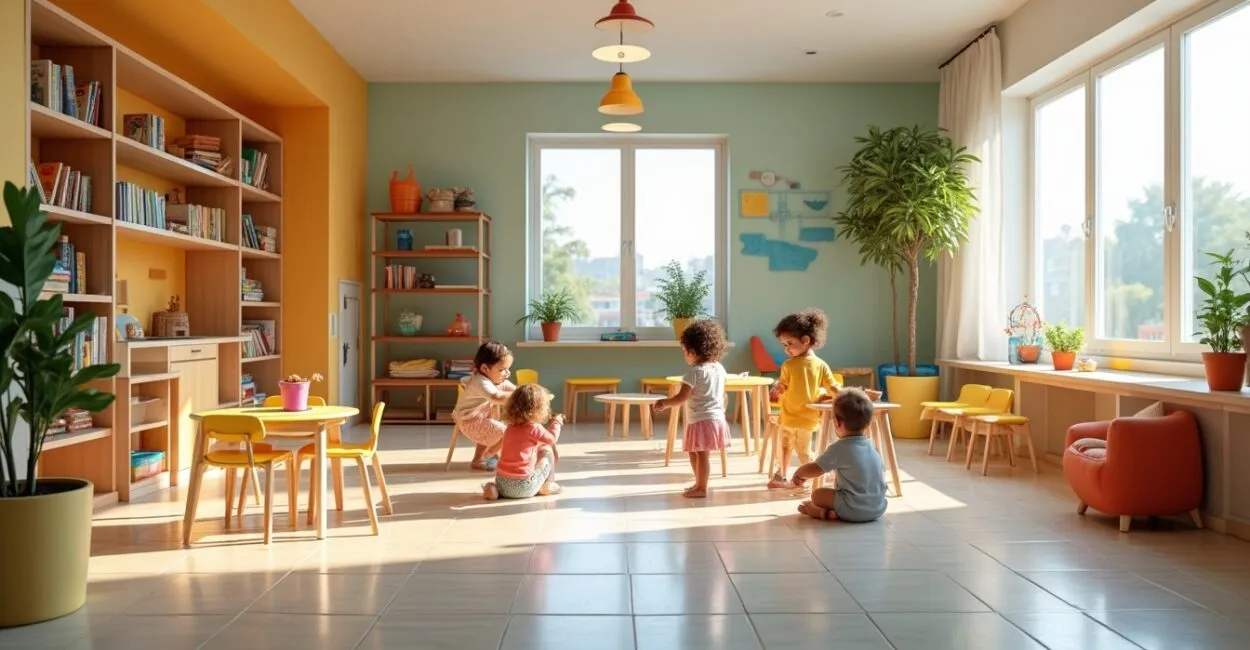
A school toy library is a thoughtfully designed educational space that supports children’s overall development through guided play, diverse materials, and clear learning goals. It complements the curriculum and provides an environment for social and emotional interaction.
In schools, a toy library supports inclusive practices, builds social-emotional, cognitive, and motor skills, and helps teachers lead playful learning activities. Its design, management, and teacher training determine its educational impact and the project’s long-term sustainability.

Key Takeaways
- Definition and educational role of a school toy library.
- Space, materials, and curriculum integration.
- Management, teacher training, and impact assessment.
1. Planning and Designing a School Toy Library
Strategic Planning for a School Toy Library
Planning a school toy library means defining educational goals, the intended age groups, how the space will be used, and the requirements of the physical space. It should reflect school guidelines and cultural diversity while ensuring accessibility and safety for children of different ages. Mapping resources, scheduling activities, and establishing lending policies all support long-term sustainability.
Management plans should include maintenance, replacement of materials, and partnerships with families and outside organizations to expand educational opportunities.
Layout, Safety, and Accessibility
The layout of a school toy library should include activity zones for building, creative expression, dramatic play, reading, and movement. Modular furniture and appropriate flooring make routines and supervision easier, encouraging children’s independence without compromising safety. Clear rules, signs, and training help reduce risks.
Accessibility adaptations help include children with disabilities and align the space with relevant standards and best practices for ergonomics and safety.
2. Choosing Materials and Learning Resources
How to Choose Materials
When choosing materials for a school toy library, consider durability, versatility, safety, and opportunities for imaginative play. Open-ended materials such as blocks, fabric, and recycled objects encourage creativity and new ways to play. A variety of sensory experiences, along with a balance of structured and open-ended toys, supports different skills. Records and an inventory help guide ongoing selection, ensuring the collection meets educational needs.
Leia também: Brazil’s LGPD in Schools: Protecting Student, Family, and Staff Data
Integrating Digital and Hands-On Resources
Combining digital resources with hands-on materials expands learning opportunities in a school toy library. Audiovisual tools, educational apps, and mobile devices can complement activities without replacing hands-on and social play. Technology use should be guided, focused on clear goals, and limited to short periods of screen time, always with adult supervision. Teacher guidance is essential to help technology and physical materials support children’s development.
3. Intervention Methods and Teaching Practices

Play-Based and Purposeful Approaches
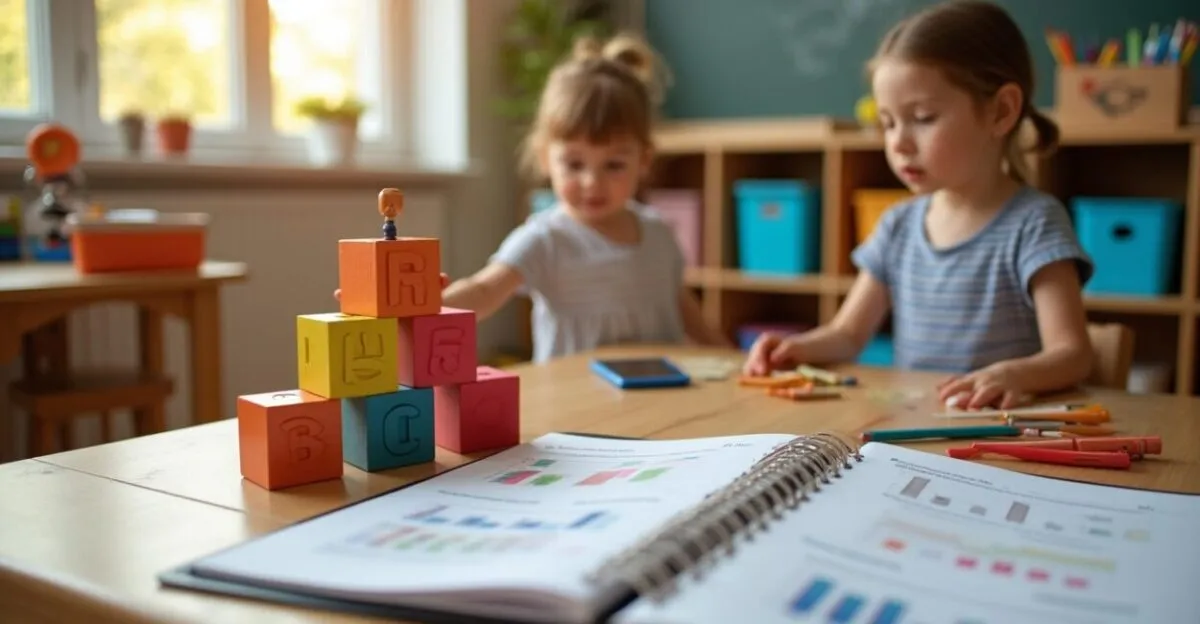
Methods for a school toy library combine free play with structured activities guided by learning goals. Teacher guidance turns the space into a laboratory for exploring ideas and negotiating social interactions, enriching the learning process. Systematic observation and documentation help educators adapt activities to children’s developmental stages. Interdisciplinary projects connect the toy library to the curriculum, reinforcing topics such as language, math, and science through play.
Observation, Documentation, and Assessment
Documenting interactions and progress in a school toy library provides evidence for assessment and planning. Portfolios, photos, and organized notes help track children’s social-emotional and cognitive skills.
Read also: Cooperative Games in Physical Education: 12 Practical Ideas
Formative assessment guides teaching interventions and helps educators share results with families. Clear indicators—such as participation, initiative, and cooperation—inform decisions about materials and how the space is organized.
4. Teacher Training and School Toy Library Management
Staff Training and Roles
Ongoing professional development prepares teachers and facilitators to lead activities in a school toy library with clear educational goals. Hands-on workshops, case studies, and supervision build observation and intervention skills.
Clearly defined administrative and educational responsibilities help ensure smooth operation. Staff should coordinate schedules, maintenance, collaboration with teachers, and family involvement to increase the educational impact.
Management Policies and Sustainability
Clear policies for use, purchasing materials, and partnerships help sustain a school toy library. Participatory budgeting, donations, and agreements with cultural organizations can expand the collection without compromising quality. Preventive maintenance plans and replacement schedules help preserve safety and functionality. Proactive management includes training, assessment, and annual planning to maintain educational value over the medium and long term.
5. Curriculum Integration and Inclusion
Connecting the School Toy Library to the Curriculum
Integrating a school toy library into the curriculum creates more opportunities for contextualized learning. Thematic and cross-curricular projects, along with hands-on experiences, make abstract concepts accessible through games and exploration. Joint planning by teachers and facilitators ensures that playful activities align with curriculum goals. Competency-based assessment helps educators adjust activities and show how the toy library contributes to students’ learning.
Inclusive Practices and Diversity
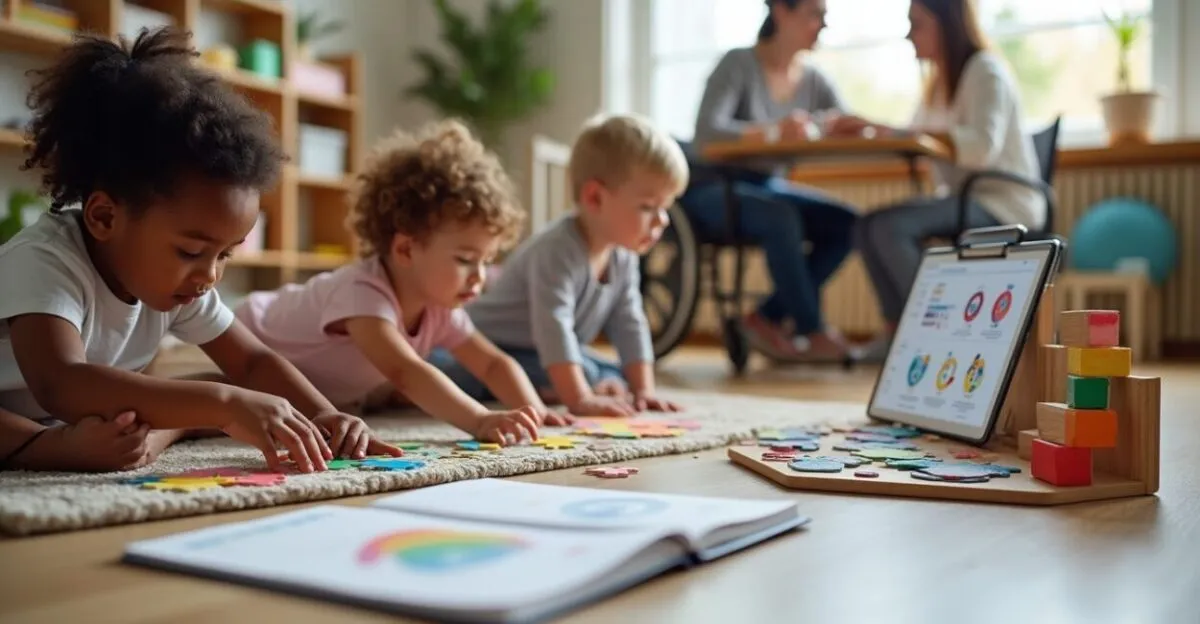
Inclusive practices in a school toy library include adapted materials, accessible communication, and a range of activities that welcome cultural and ability differences. Sensory spaces and support strategies help all children participate. Training in inclusive education and collaboration with specialists help ensure appropriate support. Respecting individual identities and recognizing play as a right promote educational equity.
6. Measuring Impact and Success
Qualitative and Quantitative Indicators
Assessing a school toy library requires indicators that cover attendance, engagement, social-emotional development, and skill acquisition. Interviews, structured observations, and standardized tools provide a comprehensive picture. Clear goals and regular reports make it possible to adjust the program and justify investments. Comparing data from before and after implementation shows its effectiveness and informs decisions about expanding or modifying the project.
Reporting, Outreach, and Transparency
Reports on a school toy library’s results promote transparency and help mobilize resources. Sharing evidence with the school community and administrators builds institutional support and public awareness. Publishing successful practices on educational websites and institutional networks broadens their reach. Partnerships with universities and public agencies can establish programs as local models.
7. Partnerships and External Resources
Institutional and Community Partnerships
Partnerships with libraries, museums, universities, and education departments enrich a school toy library with training, materials, and events. Collaboration broadens perspectives and lends credibility to educational practices. Projects with nonprofits and local businesses can generate donations and themed activities. Seeking technical guidance from established institutions strengthens the quality and sustainability of these initiatives.
Online Resources and References
Reliable references can help improve practices in a school toy library. Technical guides and research available through government and educational websites support the development of projects tailored to local needs. Useful sources include education department documents and academic research. Specialized websites can also provide materials and teaching ideas.
| Criterion | Materials A | Materials B |
|---|---|---|
| Versatility | High (blocks, fabric) | Medium (themed toys) |
| Durability | Medium | High (durable plastic) |
| Cost | Low | High |
- Open-ended materials encourage creativity and reuse.
- Structured materials support specific learning goals.
- A balanced mix creates an effective learning environment.
Combining different types of materials balances cost, durability, and educational value. Inventory management and rotating materials maintain children’s interest and extend the life of the collection.
As you develop your project, consult guides and standards for educational programs, such as those available on official websites. Useful references include Brazil’s Ministry of Education and research from higher education institutions such as the School of Education – USP (University of São Paulo).
| Indicator | Annual Goal | Result |
|---|---|---|
| Usage rate | 80% of classes | 75% (adjust schedules) |
| Family satisfaction | 85% | 88% |
| Teacher training | 4 workshops/year | 5 workshops/year |
- Track class attendance and participation.
- Survey families to measure satisfaction.
- Invest in ongoing training for staff who can share what they learn.
Comparing goals with results supports informed decisions. Targeted adjustments to schedules, materials, and training can improve indicators and increase impact.
Frequently Asked Questions
What Exactly Is a School Toy Library, and What Is Its Purpose?
A school toy library is an institutional space for guided play, with a varied collection of materials and educational guidance. Its purpose is to support children’s overall development through playful activities, encourage social interaction, build language, cognitive, and social-emotional skills, and connect play with curriculum goals. It also serves as a place to study play, document learning, and experiment, supporting inclusive practices and the active involvement of children, families, and educators in the learning process.
How Can You Set Up a School Toy Library with Limited Resources?
Setting up a school toy library on a tight budget means prioritizing open-ended, reusable, low-cost materials such as blocks, boxes, fabric, and recycled educational materials. Build partnerships with community groups, nonprofits, and businesses to secure donations, and hold workshops where families and students make toys. Focus on organization, safety, and basic training for facilitators to ensure the space is used for learning. Plan maintenance, inventory, and activities to make the most of the space without requiring a large budget.
What Criteria Should You Use to Choose Materials for a School Toy Library?
Choose materials based on safety, durability, versatility, and potential for imaginative play. Prioritize items that support different kinds of play and improvisation, such as building pieces, art materials, simple musical instruments, and cooperative games. Consider cost and ease of cleaning, and include accessible resources for children with disabilities. Inventory management, rotation, and clear disposal criteria help maintain a high-quality collection. Document how materials are used for learning to guide future purchases and support requests to school administrators.
How Can You Integrate a School Toy Library into the School Curriculum?
Integrate a school toy library into the curriculum through joint planning by teachers and facilitators, with goals aligned to expected competencies. Develop interdisciplinary projects that connect curriculum topics with playful activities and hands-on experiences. Use the toy library to explore concepts in language arts, math, science, and the arts, and document progress through portfolios and observations. Regular coordination between classrooms and the toy library ensures educational consistency and makes learning more meaningful.
What Indicators Can You Use to Measure a School Toy Library’s Impact?
Measure impact using quantitative and qualitative indicators, including usage rates, class participation, family and teacher satisfaction, growth in social-emotional skills, and behavioral observations. Use systematic observation, portfolio records, surveys, and formative assessments to track progress. Compare data from before and after interventions, and document successful practices. Clear indicators support reports to administrators and funding requests, while informing decisions about training, materials, and project adjustments.
Artigos Relacionados
 School Gardens as Learning Labs: Inspiring Projects for 2025
 Architectural Accessibility in Schools: How to Adapt Spaces
 How to Create an Entrepreneurship Project at School
 Extracurricular Activities for Social-Emotional Development at School
 Inclusive Education in Elementary School: Practices and Support
 Creative Curriculum: 7 Hands-On School Activities for 2025
