
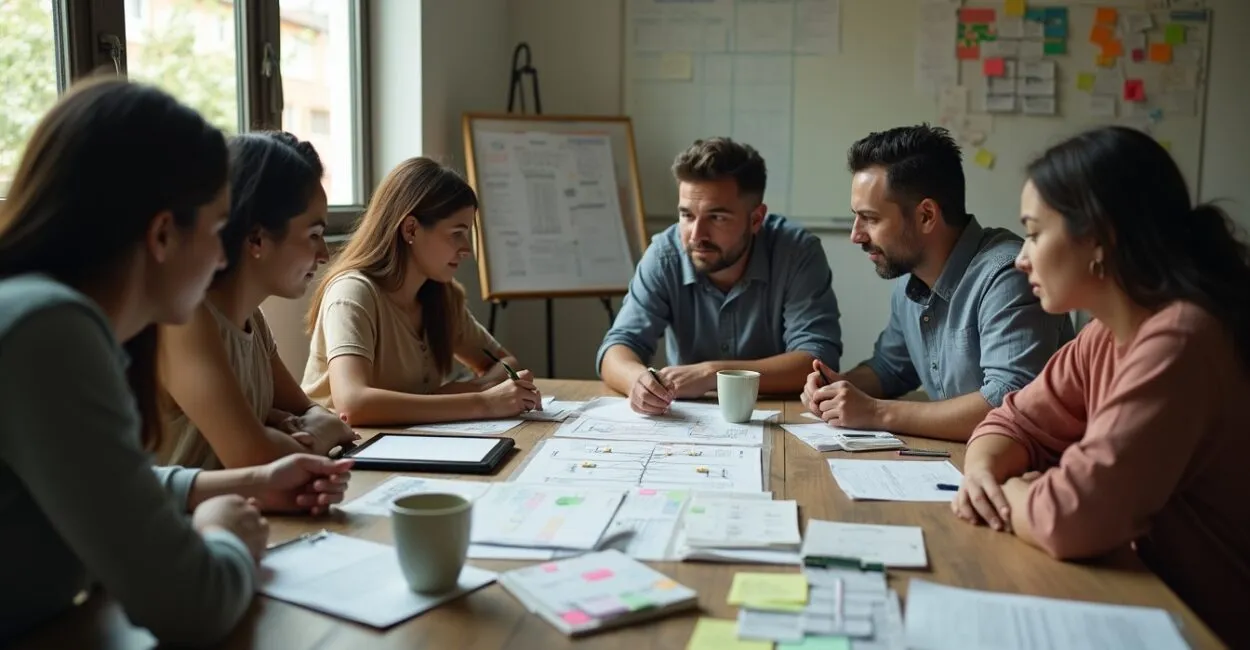
The Political-Pedagogical Project is a collaborative document that guides institutional educational practices by defining the values, goals, and responsibilities of the school community and ensuring alignment among the curriculum, leadership, and everyday school life.
It sets priorities, describes participatory processes, and legitimizes decisions, serving as a reference for teachers, administrators, families, and students working toward a whole-child, democratic education. Developing an institutional political-pedagogical project strengthens school identity, creates pedagogical coherence, and makes it possible to track goals—essential to educational quality and accountability.

Why the Political-Pedagogical Project Is Central
The Political-Pedagogical Project brings pedagogical and administrative principles together, guiding curriculum choices and assessment practices. This leads to more effective whole-child development and more coordinated work across the school team. By establishing shared principles, the project makes it easier to align with public policies, district guidelines, and local needs, promoting equity and a shared sense of purpose.
It also helps schools respond consistently to challenges such as inclusion and the transition to new teaching methods, strengthening school governance and the sustainability of initiatives.
Impact on Whole-Child Development
In the context of whole-child education, the Political-Pedagogical Project guides initiatives that foster social-emotional skills, citizenship, and cross-sector collaboration, ensuring that academic development goes hand in hand with student well-being. This alignment supports stronger connections between schools and their communities, encouraging partnerships and programs that expand learning opportunities beyond the classroom.
By spelling out goals and indicators, the project also strengthens how outcomes are tracked, allowing for evidence-based pedagogical adjustments and collaboration.
Assessment, Goals, and Monitoring
Gathering and Analyzing Contextual Information
Assessment begins with gathering qualitative and quantitative data about the school, including its facilities, students’ socioeconomic backgrounds, staffing, and community expectations—all essential to the Political-Pedagogical Project. This information guides priorities and highlights gaps, making it possible to set realistic goals and timelines and assign shared responsibilities to staff and community stakeholders.
A thorough assessment prevents superficial interventions and supports sustainable, context-sensitive efforts, increasing the likelihood that proposed initiatives will succeed.
Setting Strategic Goals
Clear, measurable goals guide progress tracking and accountability, translating the principles of the Political-Pedagogical Project into operational objectives for learning, democratic leadership, and family engagement. Goals need deadlines, indicators, and assigned owners to promote transparency and enable evidence-based adjustments, strengthening a culture of continuous improvement.
Realistic plans developed collaboratively build buy-in and reduce resistance by making responsibilities visible and encouraging everyone involved in the educational process to work together.
Ongoing Monitoring and Evaluation
Monitoring involves regularly collecting data on established indicators, analyzing progress, and making adjustments to ensure the Political-Pedagogical Project remains active and responsive to the needs of the school community. Participatory evaluation involves teachers, administrators, and families, generating useful feedback for teaching practices and school leadership while strengthening institutional transparency.
Regular reports, review meetings, and simple tracking systems help schools adapt and carry out planned initiatives more effectively.
Teaching Strategies and Curriculum Design
Integrated Curriculum and Interdisciplinary Learning
Organizing the curriculum around connections among subject areas supports meaningful, contextualized learning and aligns teaching practices with the Political-Pedagogical Project and whole-child education goals. Interdisciplinary learning encourages projects, problem-solving, and project-based learning, fostering 21st-century skills in a way that reflects the school’s values.
Collaborative planning among teachers makes it possible to create connected instructional sequences, formative assessments, and individualized support, increasing pedagogical impact.
Active Learning and Student Agency
Active learning approaches, such as project-based learning and the flipped classroom, put students at the center of the learning process and reinforce the participatory dimension outlined in the Political-Pedagogical Project. These practices develop independence, critical thinking, and engagement, supported by assessment tools that value both the learning process and its outcomes.
Ongoing teacher professional development is essential for effective implementation, ensuring alignment between the project’s vision and classroom practices.
Formative Assessment and Feedback
Formative assessment guides real-time instructional interventions, allowing for adjustments that remain consistent with the Political-Pedagogical Project and schoolwide goals for learning and inclusion. Clear, intentional feedback supports individual and collective progress, building a trusting environment and a culture of continuous improvement.
Maintaining records and portfolios and holding instructional team meetings ensure assessment serves as a learning tool, not just a way to assign grades.
Democratic School Leadership and Participation

School Councils, Committees, and Governance
Participatory governance involves school councils, topic-specific committees, and decision-making bodies, ensuring that the Political-Pedagogical Project is developed and updated with input from the community. These structures promote transparency, accountability, and legitimacy in decision-making, supporting collaboration and context-specific solutions to local challenges.
Training and preparing representatives is essential to ensure discussions are informed and focused on the common good, rather than leading to fragmented decisions.
External Partnerships and Cross-Sector Collaboration
Building partnerships with government departments, health services, and community organizations expands the reach of the Political-Pedagogical Project, strengthening whole-child education initiatives and opportunities for students. These connections support social and educational projects and comprehensive services for students, bringing together expertise and resources beyond the school walls.
Strong partnerships require clear agreements, monitoring, and ongoing communication to ensure lasting impact and alignment with institutional goals.
Communication and Transparency
Clearly communicating the Political-Pedagogical Project builds trust and engagement by making its goals, criteria, and results accessible to families, students, and the community—an essential part of democratic school leadership. Regular communication channels, public reports, and town hall meetings encourage informed participation, increase accountability, and strengthen the school community’s sense of belonging.
Communication strategies should also include regular updates on decisions and assessments, strengthening a culture of dialogue and continuous improvement.
Teacher Training and Professional Development
Professional Development Plan Aligned with the Political-Pedagogical Project
An ongoing professional development plan should connect the priorities of the Political-Pedagogical Project with concrete instructional needs, supporting coherent, schoolwide professional growth. Investing in courses, mentoring, and professional learning communities strengthens skills in active learning, formative assessment, and inclusive school leadership. Professional development should be practical, collaborative, and evaluated based on outcomes to ensure that training investments lead to better student learning.
Read also: Effective School Leadership: Practices for Students and Staff
Peer Mentoring, Observation, and Feedback
Peer mentoring and observation systems encourage the exchange of effective practices and continuous growth, aligning teaching with the Political-Pedagogical Project and institutional goals. Constructive observations and structured feedback promote professional reflection and changes that can be applied across different classrooms, strengthening a culture of teaching and learning.
These practices can also improve teacher retention by providing professional support and opportunities for growth within the institution.
Read also: Active Learning in Extracurricular Activities: Engagement and Learning
Incentives and Professional Recognition
Recognizing innovative practices and teacher progress motivates the team and highlights contributions that support the Political-Pedagogical Project, helping build a positive school culture. Awards, career advancement, and opportunities to showcase teaching practices help institutionalize knowledge and spread successful strategies throughout the school.
Recognition policies should be transparent and tied to clear pedagogical criteria to ensure fairness and genuinely encourage improvement.
Resources, Facilities, and Technology
Resource Management and Effective Allocation
Allocating resources according to priorities set by the Political-Pedagogical Project ensures that investments in materials, facilities, and professional development support the school’s strategic goals. Participatory budget planning improves transparency and effectiveness, directing funds toward initiatives that directly affect student learning.
Managing expenses wisely and seeking co-funding can make proposed initiatives more sustainable and prevent disruptions that undermine results.
Educational Technology and Digital Inclusion
Integrating technology into teaching expands learning opportunities, from support platforms to multimedia resources, in alignment with the Political-Pedagogical Project. Digital inclusion policies should address equitable access, teacher training, and critical use to avoid widening disparities in schools.
Well-planned technology projects support assessment, personalized instruction, and communication with families, strengthening whole-child education.
Maintenance, Safety, and Learning Environments
Safe, well-maintained facilities are essential to putting the Political-Pedagogical Project into practice because they affect well-being, attendance, and the quality of classroom interactions. Preventive maintenance and investments in furniture, libraries, and common areas support collaborative practices and extracurricular activities.
Safety and accessibility plans ensure that all students can fully participate in the opportunities the school offers.
Putting the Plan into Practice: Timelines and Tools
Detailed Action Plan
An action plan puts the Political-Pedagogical Project into practice by defining steps, owners, deadlines, and indicators, turning intentions into concrete tasks that everyone can track. Simple tools such as timelines, responsibility matrices, and checklists make implementation and monitoring easier and help teams and school leaders hand off processes effectively.
Regularly reviewing the plan allows for quick adjustments when unexpected issues arise and keeps the work aligned with short- and medium-term goals.
Digital Tools for School Leadership and Communication
School management and communication platforms make it easier to record goals, track attendance, and share the Political-Pedagogical Project with stakeholders. Integrating systems with calendars, reports, and indicators makes governance more efficient and supports data-informed decisions.
Choosing user-friendly technology and training users is essential to minimize resistance and ensure tools are used effectively in day-to-day school operations. Find guidance on the Portal Gov and in educational resources from public universities.
Community Outreach and Engagement
Engaging families and partners requires clear invitations, relevant agendas, and opportunities to listen to and value their contributions to the Political-Pedagogical Project. Events, topic-specific councils, and school committees are practical ways to make participation part of school operations, build shared responsibility, and legitimize decisions.
Recording and sharing the results of these efforts builds trust and sustains engagement, creating a virtuous cycle of participation and continuous improvement.
Indicators, Comparisons, and Best Practices
Performance and Outcome Measures
Academic performance, attendance, retention, and school climate indicators help assess the impact of the Political-Pedagogical Project, guiding priorities and necessary adjustments to school practices. Combining qualitative and quantitative indicators provides a fuller understanding of outcomes, supporting more accurate interpretations and effective action.
Clear, accessible reports help track trends over time and share progress with the school community and partners.
Comparing Different Models
| Aspect | Traditional Project | Participatory Project |
|---|---|---|
| Development | Developed by a technical team | Co-created with the community |
| Flexibility | Rigid | Adaptable to context |
| Impact | Limited | Greater buy-in and sustainability |
Comparing models helps school leaders choose processes that promote participation and sustainability, grounding decisions in evidence and the positive experiences of other schools.
Best Practices and Replicability
Documenting successful processes makes it easier to replicate and share practices aligned with the Political-Pedagogical Project, supporting learning across school districts and education departments. Protocols, manuals, and case studies support professional development and help preserve progress when school leaders or teachers change.
Sharing evidence in forums and public portals extends the impact and contributes to better-informed, context-sensitive policies. Consult the Brazilian Ministry of Education and university websites for reference materials and adaptable models.
- Clear goals
- Ongoing professional development
- Community participation
- Continuous monitoring
These points sum up essential practices for an effective Political-Pedagogical Project. Combining professional development, participation, and monitoring is key to making lasting changes to everyday school routines.
- Evidence-based decision-making
- Strategic use of technology
- Cross-sector partnerships
Additional strategies encourage innovation and expand the resources available to schools, strengthening initiatives outlined in the Political-Pedagogical Project and increasing their social impact.
- What to avoid: replacing dialogue with technocracy
- What to avoid: goals without indicators
- What to avoid: one-off professional development with no follow-through
Avoiding common mistakes such as lack of participation, vague goals, and isolated interventions is crucial. These missteps undermine the legitimacy of the Political-Pedagogical Project and prevent effective practices from taking hold.
- Transparent monitoring
- Ongoing feedback
- Recording and sharing results
- Quick adaptation
Promoting transparency and adaptability strengthens governance and keeps the Political-Pedagogical Project relevant over time, supporting continuous institutional learning.
Frequently Asked Questions
What Is a School Political-Pedagogical Project, and Why Is It Important?
A School Political-Pedagogical Project is a collaborative document that organizes a school’s values, goals, and initiatives and sets pedagogical and administrative priorities. It is important because it promotes coherence, participation, and shared responsibility in providing a high-quality, whole-child education for all students.
How Can the Community Help Develop the Political-Pedagogical Project?
Community involvement requires transparent invitations, participatory meetings, councils and committees, and accessible communication strategies. Training representatives and providing opportunities for active listening ensure diverse voices influence decisions and strengthen the project’s legitimacy.
Which Indicators Are Essential for Monitoring a Political-Pedagogical Project?
Key indicators include academic performance, attendance, student attrition, school climate, and family participation. Combining qualitative and quantitative measures makes it possible to assess the overall impact of initiatives and adjust the Political-Pedagogical Project based on evidence and local priorities.
How Long Does It Take to Implement an Effective Political-Pedagogical Project?
Implementation time varies depending on the context, resources, and level of engagement, but an initial phase of 12 to 24 months is often needed to complete an assessment, set goals, and launch the first initiatives. Significant results tend to emerge over the medium term, with progress taking hold through cycles of monitoring and adjustment.
How Can Schools Ensure the Political-Pedagogical Project Is Sustainable and Ongoing?
Sustainability requires embedding practices in school operations, documenting processes, providing ongoing professional development, engaging the community, and establishing monitoring mechanisms. Recording results and transferring knowledge between school leadership teams helps ensure the Political-Pedagogical Project continues to have a lasting impact.
Artigos Relacionados
 A Practical Guide to School Sustainability Projects
 School–Community Integration: A Complete Practical Guide
 Social-Emotional Learning in Schools: Transforming Learning and Whole-Child Development
 School Bullying: A Complete, Practical Guide
 Sustainability in Schools: A Practical Implementation Guide
 Active Learning Methods for Elementary School: A Practical Guide
