
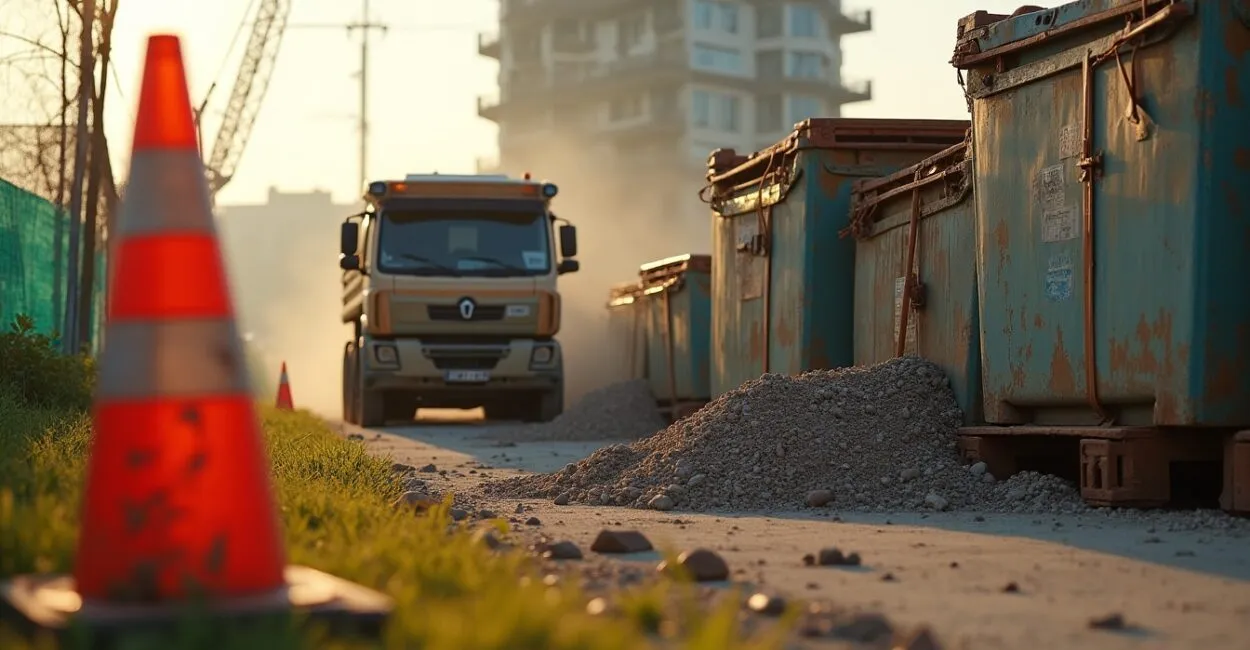
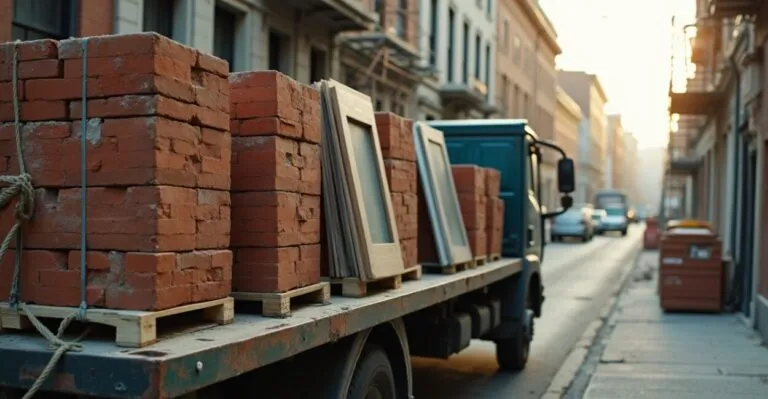
The truck sitting idle at the job site with half a ton of debris was the clearest sign yet: the project budget doesn’t add up if waste disposal becomes a problem. The phrase reverse logistics came up during a conversation with a subcontractor, and suddenly the entire schedule had to account for collection, recycling, and environmental paperwork—all without blowing the budget.
Why Reverse Logistics Has Become a Priority Now
A new law, steep fines, and clients with stronger environmental expectations have turned an optional concern into a concrete obligation. Brazil has increased requirements for the construction industry, and manufacturers are asking for waste traceability. As a result, what used to be something to “deal with later” now affects cash flow and permits.

- Fines and work stoppages can delay project delivery.
- Reused materials reduce purchasing costs.
- Sustainable practices improve a construction company’s image.
Collection Models That Are Working on Job Sites
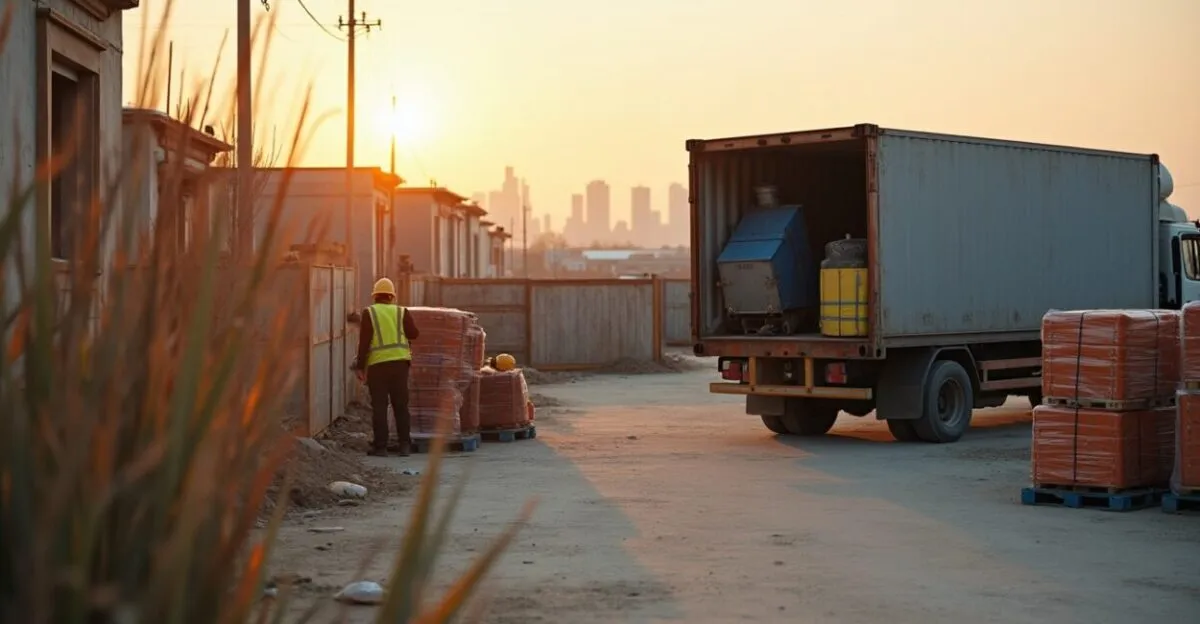
At least three collection models work in practice: drop-off locations, contracts with specialized haulers, and direct partnerships with recycling cooperatives. The hybrid model—an on-site container with scheduled pickups—is the most scalable option for small construction companies, because it avoids extra trips and makes costs more predictable.
How Small Construction Companies Cut Costs with Reverse Logistics

Cutting costs starts with organization: sorting waste on-site, hiring by volume, and using materials in a closed-loop system. A practical tip: group nearby projects and arrange consolidated pickups. Fewer trips, less waste, and lower bills.
- Set up standardized sorting areas at each job site
- Negotiate per-ton rates with recyclers
- Use contracts that reward clean material deliveries
Partnering with Recyclers: What to Negotiate
It’s not just about price. Negotiate pickup frequency, proof of proper disposal, invoices, and liability clauses. Small contract clauses can save projects from fines and lower operating costs. Set quality targets for the delivered material—recycled gravel with less dust is worth more and reduces rework.
Read also: Reflective Insulation Is Booming: Why Everyone’s Talking About It
- Require a certificate of proper disposal
- Set penalties for deliveries that don’t meet standards
- Consider sharing sorting equipment costs with the recycler
The Common Mistake That Costs Time and Money (and How to Avoid It)
Expectation: “I’ll just toss everything in the truck and be done.” Reality: mixing waste raises fees, makes recycling unfeasible, and can lead to improper disposal. Don’t make the mistake of failing to train the construction crew. A 30-minute session on sorting can cut rejected material in half.
- Mistake: failing to label containers
- Mistake: paying by the service instead of by the ton
- Mistake: relying only on recyclers’ verbal promises
A Comparison That Pays Off: Before and After Effective Reverse Logistics
Before: paying fines, covering emergency disposal, and buying new gravel. After: selling recyclables, buying less raw material, and enjoying predictable cash flow. At a mid-sized job site, this can reduce total costs by 8–15% a year—savings that add up quickly across multiple projects.
Read also: Sustainable Insulation Is Booming: Why Everyone’s Talking About It
| Item | Before | After |
|---|---|---|
| Disposal costs | High and unpredictable | Lower and controlled |
| Project schedule | Risk of work stoppages | More reliable delivery |
| Company image | Neutral | Positive and competitive |
How to Get Started in 30 Days: A Practical Checklist
Don’t wait for a perfect plan. Start simple: identify waste streams, talk to a local recycler, and train the site supervisor. Within 30 days, you can install containers, set routes, and have proof of proper disposal.
- Days 1–7: map waste streams and sorting areas
- Days 8–15: get quotes from two recyclers and one hauler
- Days 16–25: train the crew and install containers
- Days 26–30: schedule the first pickup and obtain a certificate
Here’s a real-world example: at a 60-unit housing project, a site manager changed the waste disposal routine and partnered with a local cooperative. Within six months, the project had sold enough recycled material to cover two months of labor costs. Small decisions can have a direct impact on the bottom line.
According to data from Brazil’s Ministry of Regional Development, programs for proper waste disposal reduce environmental liabilities. Studies by EMBRAPA, Brazil’s agricultural research corporation, also show the potential for using recycled aggregates in construction.
Conclusion
Reverse logistics isn’t an extra cost—it’s a way to manage risk and create opportunities for profit. Adopting these practices today can help you avoid fines tomorrow and turn debris into revenue. The question is: will you keep throwing value away, or start collecting it?
What Counts as Construction Waste in Reverse Logistics?
Construction waste includes leftover concrete, ceramics, bricks, wood, metals, plastic, and drywall generated during construction and demolition. Reverse logistics requires proper sorting so reusable materials can be sent to recyclers or reused on-site. It’s important to distinguish hazardous waste, such as solvents and paints, which is subject to specific handling rules, and to require proof of proper disposal to avoid fines and civil liability.
How Can a Small Construction Company Find Reliable Recyclers?
Look for cooperatives and companies with certifications and a solid local track record. Ask for references from other projects and require disposal documentation. A quick visit to the recycler’s facility can help you assess its sorting practices and processing capacity. Negotiate straightforward contracts that cover pickup frequency, material standards, and invoicing. Circular economy platforms and industry associations also often maintain vetted partner lists.
Which Documents Prove Waste Was Properly Disposed Of?
Common documents include service invoices, disposal certificates issued by the recycling company or cooperative, and transportation reports with waste manifests when applicable. These records can support permitting and help you respond to inspections. Keep digital copies organized by project and time period; auditors and clients require traceability, and missing documents can result in citations and permit delays.
How Much Can Reverse Logistics Reduce Operating Costs?
The impact varies by project size and type, but consistent sorting practices and partnerships typically reduce total costs by 8% to 15%, thanks to lower aggregate purchases and disposal fees. Beyond direct savings, there are indirect benefits, including a lower risk of work stoppages, shorter schedules, and a competitive edge in bids. Training investments and changes to daily routines often pay for themselves within a few months.
What Simple Mistakes Can Undermine a Reverse Logistics Program?
The most common mistakes are failing to sort materials at the source, hiring based on price without requiring proof of proper disposal, and not training the site crew. Poor documentation—accepting verbal promises alone—can also cause problems. Don’t improvise with unlabeled containers, and don’t underestimate the importance of communication with subcontractors. Clear rules and written contracts help protect you from fines and ensure more material is recovered.
Artigos Relacionados
 Protective Puts Are Trending: Why Everyone’s Talking About Them
 Tesouro Selic Is Trending: Why Everyone’s Talking
 Why Test Reverse Logistics in the Circular Economy
 Logistics Director: A Complete Guide to the Role and Its Demands
 The Construction Reuse Trend That Divides Opinion
 Construction Costs: How to Optimize Project Budgets
