
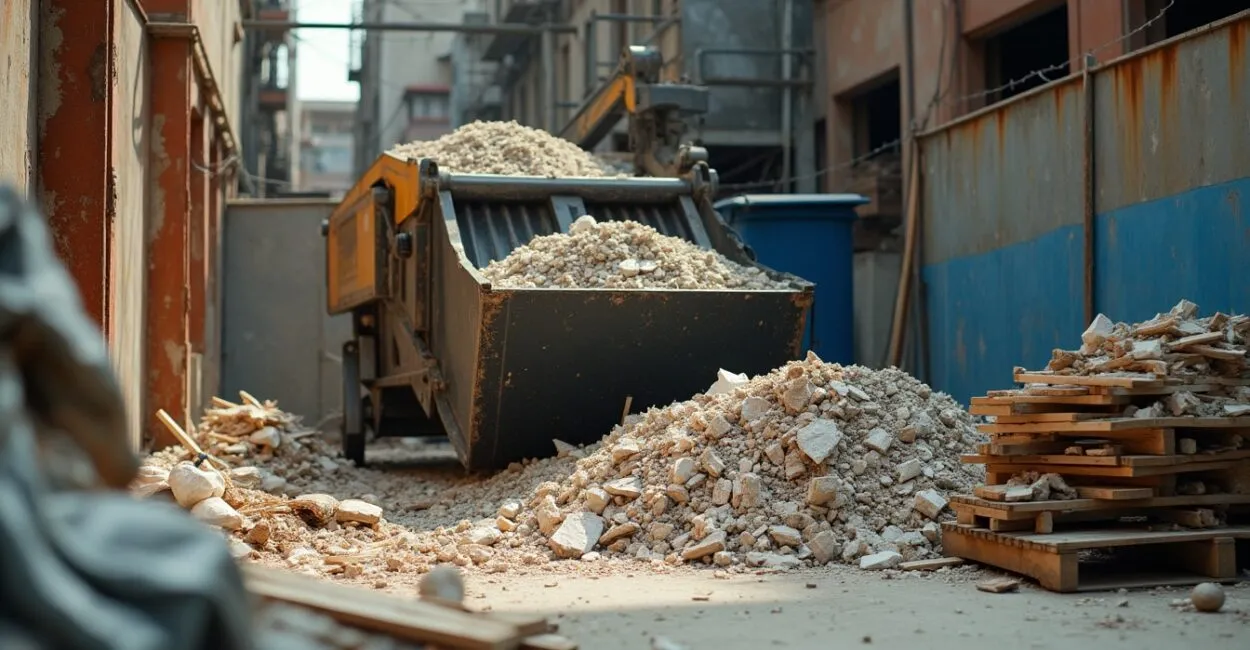
The first truck arrived carrying a mix that looked like a patchwork quilt: dirty plastic, wood, drywall scraps, and a handful of shiny metal pieces. In 30 minutes, an automated sorting line had separated 70% of the material by type—without stopping or missing a beat. Automated sorting promises to save time and reduce human error, but can it handle small construction sites without blowing the budget?
The Savings You Can See in Your Paycheck—and on the Scale
Companies that adopt automated sorting report operating cost reductions of 20% to 40% within months, not years. The savings come from reduced labor for repetitive tasks, shorter wait times, and less waste sent to landfills because of poor sorting. The financial impact is immediate when waste flows are consistent—sites handling more than X tons a day (depending on the equipment) tend to see the biggest gains.

For smaller projects, the savings depend on finding the right balance between cost and timing.
How It Works—Explained Simply
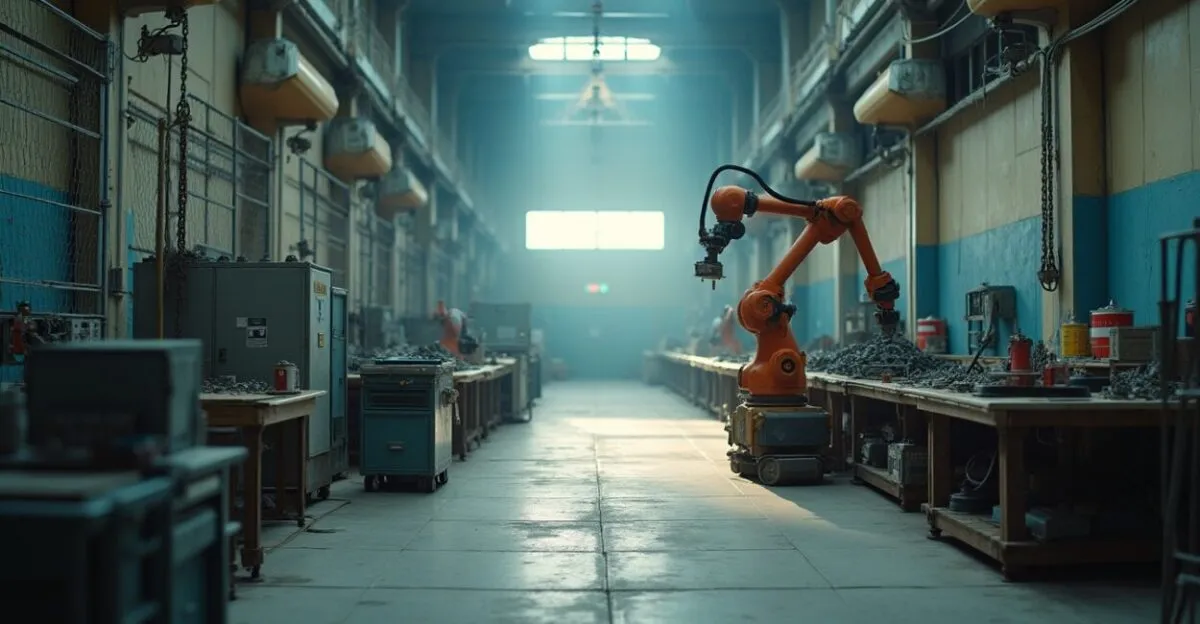
In practice, automated sorting combines computer vision, optical sensors, electromagnetic separators, and mechanical robots. Cameras identify materials, algorithms make decisions, and actuators push or vacuum items into place. The key is the sorting software: without a well-trained model, the machine becomes a black box that makes just as many mistakes as a poorly trained operator. Integrating real-time weighing and telemetry turns the line into a learning system—and reduces losses from contamination.
Expectations vs. Reality: The Comparison That Protects Your Investment

Expectation: replace three operators with one machine, and you’re done. Reality: the machine handles 60–80% of the workflow, while skilled operators manage exceptions. The surprising comparison: a typical before-and-after analysis shows 50% fewer overtime hours, but 15% more preventive maintenance costs in the first year. The takeaway: automated sorting pays off when paired with process changes, not treated as a plug-and-play solution.
What Small Construction Sites Should Avoid (Common Mistakes)
Mistakes that drive up costs instead of reducing them:
- Buying far more capacity than you need—idle equipment raises the cost per ton.
- Skipping material preparation (removing large chunks and tarps)—clogs become routine.
- Underestimating the need to integrate with logistics—a sorting line with nowhere to send materials creates bottlenecks.
- Failing to train staff to handle exceptions—machines need technical supervision.
How to Get Started Without Blowing the Budget
Small teams can adopt automated sorting in stages: start with rented mobile modules, track the gains, and buy equipment only when the numbers make sense. Performance-based financing and leases that include maintenance can reduce financial risk. Run a three-month pilot with measurable targets (less waste sent to landfills, sorting time, cost per ton) and adjust the human-machine mix before expanding. Partnerships with local recyclers can also turn costs into revenue.
Limitations Salespeople Don’t Like to Mention
Automated sorting isn’t magic: very dirty materials, clumped items, and mixed materials smaller than 50 mm challenge sensors; plastics with similar additives confuse cameras; and hazardous items require manual sorting for safety. There’s also the cost of technological obsolescence: AI models need retraining when the waste profile changes. These issues are among the main reasons for dissatisfaction in the first year.
Mini Case Study: How a Five-Person Team Became a Model for Others
At an urban renovation site, five workers spent eight hours a day sorting debris. After installing a modular line and training two operators to manage exceptions, the team doubled its productivity. Instead of hiring more staff, they reassigned three workers to logistics and recyclable-material sales; scrap revenue covered part of the machine lease. Practical result: less rework, more profit, and a smaller team focused on higher-value work.
According to data from IBGE, Brazil’s national statistics agency, and industry studies, the next challenge is standardizing performance metrics so small businesses can buy with confidence. For technical reports and practical guides, consult official publications and universities that study the circular economy.
Wondering whether automated sorting is right for your site? Consider your waste volume, how much the waste stream varies, and your team’s ability to adapt—these three factors determine your actual ROI.
Sources: government information on waste and studies published by the University of São Paulo provide evidence on operational gains and technical limitations.
The Bottom Line
Automated sorting works—but only if you understand what it can handle and what still requires human workers. Treat it as a strategic tool, not a replacement, and it can pay for itself. If your only goal is to cut staff, be prepared for costs that come back to bite.
What Do You Need to Start an Automated Sorting Pilot?
To start a pilot, you need a minimum, consistent daily waste volume; a safe, level space for the sorting line; access to power and internet for telemetry; and a technical operator to run the equipment and record data. You’ll also need clear metrics (tons sorted, contamination rate, cost per ton) and a maintenance contract. With these pieces in place, a pilot can quickly show whether the system is viable and what returns to expect.
Can Small Teams Run the Equipment Without Hiring More Staff?
Yes, with some caveats: automated sorting reduces repetitive work, but operators are still needed to handle exceptions and maintenance. Small construction sites often reassign duties—for example, shifting sorters into quality control and logistics roles. The transition requires training and schedule adjustments; otherwise, the machine simply shifts where the costs show up instead of reducing them. Planning ahead is crucial to prevent overloading the team.
How Much Does It Cost to Maintain an Automated Sorting Line Each Month?
Monthly costs vary widely: leasing and maintenance can run from a few hundred to several thousand dollars, depending on capacity. Factor in electricity, wear parts, software, and ongoing training. In many cases, revenue from selling sorted materials helps offset operating costs. To estimate your costs, calculate the cost per ton and compare it with your current disposal and labor expenses; a well-measured pilot provides the most reliable answer.
Which Types of Waste Are Easiest to Sort Automatically?
Materials with distinct physical properties—ferrous metal, paper and cardboard, large pieces of wood, and rigid plastics in different colors—are easiest to identify. Very small items, materials contaminated with organic waste, and tightly mixed materials such as composites are more challenging. Automated sorting works best when the waste stream is controlled beforehand through source separation or preprocessing, reducing false positives and manual rework.
How Can You Keep the Technology from Becoming Obsolete Too Quickly?
Include software updates and AI model training in the initial contract, and prioritize modular equipment that lets you replace sensors and cameras without replacing the entire line. Centralize operating data to spot declines in accuracy and schedule retraining. Choose suppliers that offer upgrades and technical support. With proactive maintenance and clear metrics, obsolescence becomes a predictable cost rather than a financial surprise.
Artigos Relacionados
 Do Career Tests Really Work? What They Leave Out
 Does Taking a Coffee Break Affect Productivity?
 Why Pastel Colors Are Taking Over Zen Decor Again
 Which Financial App Really Cuts Management Time by 40%?
 What Does a Cybersecurity Specialist Do?
 Automated Learning Tools: A Complete Guide to Better Learning
