
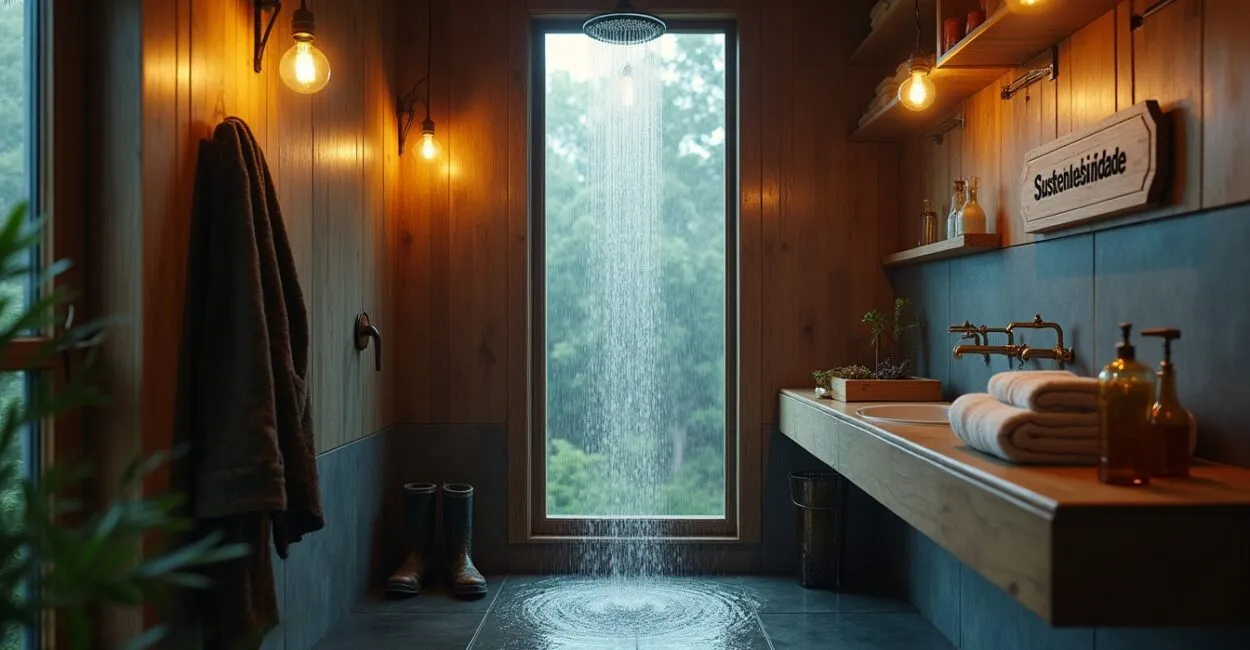
Summer rain. A guest returns from a hike, hoping for cool air and a quick shower—and finds a slow showerhead, stylish LED bulbs, and a note about “sustainability.” That contrast is the new currency: sustainable hospitality is no longer just a label; it’s a competitive advantage. Inns and hotels that invest in sustainable practices boost occupancy, cut costs, and attract travelers willing to pay more for responsible experiences.
Why Guests Choose Sustainable Hospitality—and Are Willing to Pay More
Study after study points to a clear trend: travelers are looking for purpose. They want more than comfort; they want to know their choices don’t harm the places they visit. Sustainable hotels see higher occupancy rates and more direct bookings because their message resonates with eco-conscious travelers and curious guests looking for something different.

- Millennial and Gen Z travelers prioritize green practices, according to recent surveys.
- Certifications and transparency help drive direct bookings.
- Sustainable local experiences earn better reviews and more recommendations.
The Secret No Lodging Manager Talks About: Real Savings on Your Bills
Replacing outdated systems with green technology measurably lowers operating expenses. Reducing energy and water use can cut fixed costs by 20% to 40%, depending on the property’s size and level of activity. This isn’t just a theory—it’s a tangible financial result, often with a payback period of less than three years.
Read also: Local Itineraries Are Trending: Why Travelers Prefer Them
- Heat pumps for efficient heating.
- Rainwater recovery systems for gardens and toilets.
- Energy management systems that prevent costly demand spikes.
What Works to Save Water Without Sacrificing the Guest Experience

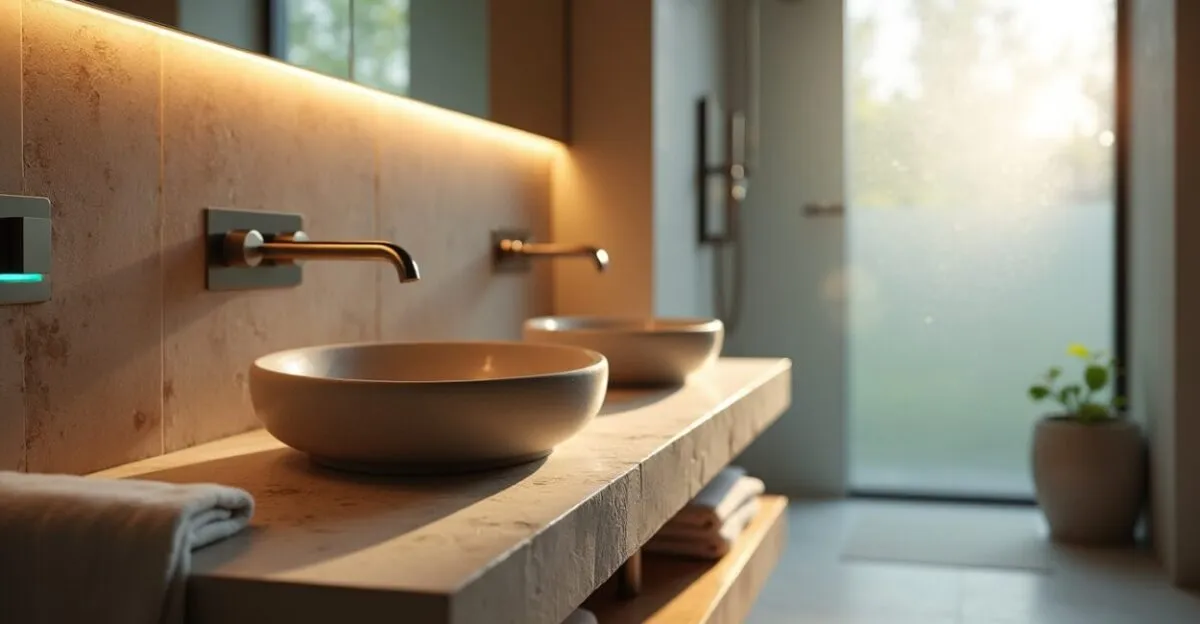
Replacing showerheads and faucets with efficient models is a good start, but the key is combining technology with thoughtful design. Real-time meters and educational campaigns can influence behavior just as much as equipment. In guest rooms, options such as dual-flush valves and electronically controlled faucets reduce waste without making guests feel less comfortable.
A Surprising Before-and-After: A Sustainable Retrofit
Here’s the difference: a renovated 20-room inn cut electricity use by 35% and water use by 28% in the first year, while average revenue per room rose 12% thanks to better reviews. Expectation: an expensive renovation. Reality: an investment that pays for itself in bookings and reputation.
Read also: Green Entrepreneurship: 7 Profitable Businesses for 2025
| Metric | Before | After |
|---|---|---|
| Energy use | 100% | 65% |
| Water use | 100% | 72% |
| Average revenue per room | 100% | 112% |
Common Mistakes That Sink Green Projects—and How to Avoid Them
Many people think sustainability is just about installing panels and selling a “conscious experience.” Common mistakes cost time and money—and erode guest trust. Avoid these pitfalls:
- Greenwashing: making claims without proof. Get certified by recognized organizations.
- Focusing only on aesthetics: efficient equipment and good management are essential.
- Neglecting staff training: sustainable practices depend on people, not just equipment.
- Failing to measure results: without data, you can’t know the real return.
A Short Story: An Inn That Became a Model in 12 Months
A couple inherited a modest inn in the mountains. They installed solar panels, replaced the water heaters, and began collecting guest feedback each month. Within a year, bookings had increased by 40%, and they were fully booked throughout the winter. What changed? It wasn’t just the savings—it was their honest, verifiable story, which became a social media hit and attracted a new audience.
How to Get Started Tomorrow: A Practical Checklist for Inn and Hotel Owners
You don’t need to wait until you have a large budget. Start with low-cost actions that deliver immediate results. Focus on steps that reduce operating costs and improve the guest experience.
- Quick audit: identify water and energy waste.
- Gradually replace bulbs with LEDs and install occupancy sensors in common areas.
- Install efficient faucets and showerheads.
- Set up a savings program with staff incentives and clear communication with guests.
- Seek local certifications and partnerships focused on responsible tourism.
For data and guidelines, consult official sources such as Brazil’s Ministry of Tourism and international reports from the World Tourism Organization, which show how public policies and global standards speed up adoption.
If you’re wondering, “Is it worth it?” remember: well-executed sustainability is a sign of good management. And good management turns savings into a strong reputation—which leads to more bookings.
How Does Certification Affect Bookings?
Certifications build guest trust by validating practices that might otherwise seem like empty marketing. They serve as a quality seal and help position a property on search channels and platforms that let users filter for sustainability. In addition, recognized certifications can open the door to more favorable financing for renovations, lowering retrofit costs and speeding up the return on investment.
Which Investments Should You Prioritize When Starting on a Tight Budget?
Prioritize high-impact, low-cost steps: replace bulbs with LEDs, install water-saving faucets and showerheads, fix leaks, and add basic insulation. Training staff in conservation practices and installing simple meters can also deliver immediate benefits. These measures reduce operating expenses and improve the guest experience, helping build cash flow for larger investments, such as solar panels or efficient heating systems, over the medium term.
How Can You Avoid Greenwashing and Communicate Honestly?
Transparency is essential: publish real consumption data, show how your processes work, and be willing to say, “We’re still making the transition,” when that’s the case. Invest in certifications and simple reports that document improvements. Avoid vague claims without metrics. Share small wins—for example, a reduction of x% in water use—and make the evidence easy for the public to access. This builds credibility and helps prevent criticism that could hurt your reputation and bookings.
What Role Does Staff Play in Making Sustainable Practices Effective?
Staff are on the front lines: without their engagement, even the best equipment loses effectiveness. Ongoing training, simple goals, and incentives for reducing consumption encourage lasting behavior change. Well-informed employees can also do a better job of presenting the guest experience. Regular feedback and recognition of ideas from within the team make staff partners in the effort, reduce operational errors, and improve guests’ perception of the property’s genuine commitment.
How Long Does It Take to See a Financial Return on Green Initiatives?
The payback period depends on the scale of the project: simple measures such as LEDs and efficient faucets can produce savings within months; larger investments, such as solar panels or a retrofit, typically pay back in two to five years. The key is to measure results from the start and prioritize actions with the best cost-benefit ratio. Beyond direct savings, gains in marketing, occupancy, and average revenue per room can also speed up the return on investment.
Artigos Relacionados
 2025 Local Businesses: Trends Reshaping Neighborhoods
 Brazilian Ecotourism Is Booming: Why It’s Trending Now
 A Practical Guide to School Sustainability Projects
 Why Sustainable Eating Matters Now
 Air Pollution: Hidden Impacts and Sustainable Solutions for Public Health
 Sustainable Insulation Is Trending: Why Is Everyone Talking About It?
