
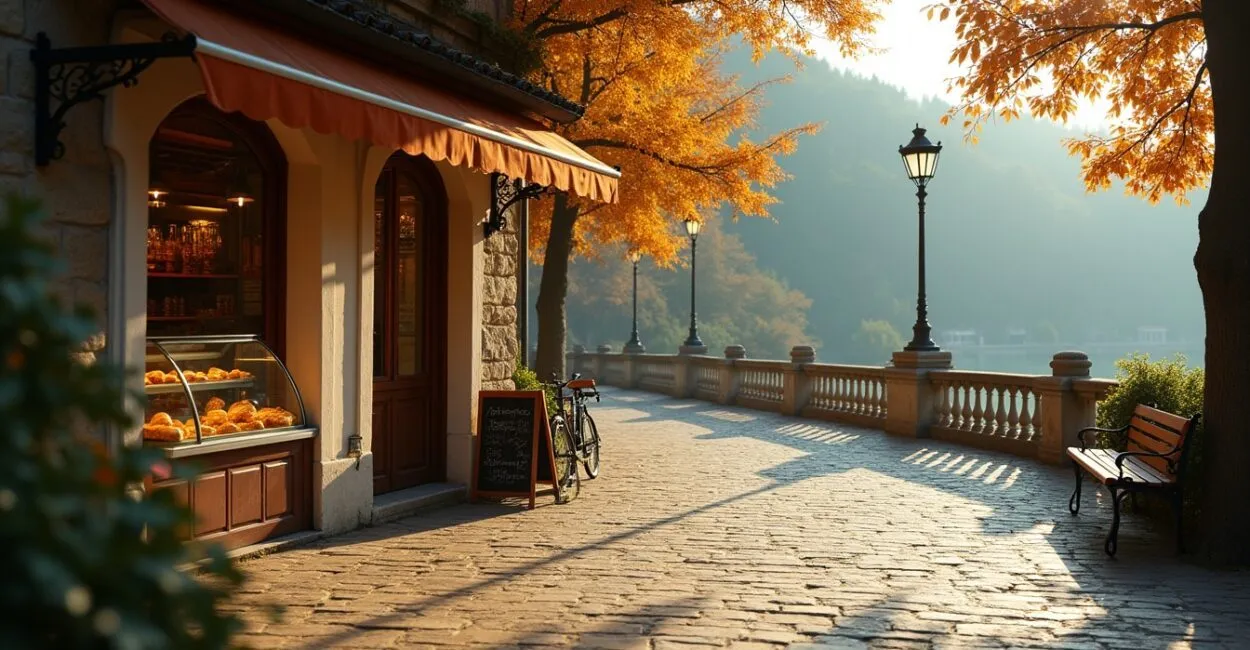
An empty town square at 10 a.m. on a Saturday, a neighborhood bakery where the owner still remembers your name, and a scenic overlook nobody posts on Instagram: these are the kinds of places making local travel more popular than ever. It’s not just nostalgia—it’s a practical shift toward more authentic experiences, lower costs, and a smaller environmental footprint. If you’re tired of packed airports and lines for photos, keep reading: I’ll show you why this trend works and how to plan a short getaway that makes the most of your time.
Why 73% Prefer Nearby Destinations
Local trips turn curiosity into real experiences—and fast. Recent research from the tourism industry shows that travelers value time well spent over distance: a well-planned weekend can be just as satisfying as a week away, with less stress and lower costs. Logistics are simpler, too: less travel means fewer cancellations due to unexpected problems and more time to take in the destination. Examples include tasting tours, urban walks led by residents, and scenic drives that turn a couple of hours into an adventure.

The Part No One Explains Well: Authenticity on a Budget
Authenticity doesn’t have to be expensive—it’s about making the right choices. Eating at a family-owned restaurant can cost 30–50% less than dining in a tourist hotspot, and the food is often better. Fewer middlemen and more direct contact with the people who live there make for genuine memories. The choice is clear: instead of spending on a prepackaged tour, pay for an experience—a local guide, a home cooking class, or an evening stroll. The result: a sense of connection without breaking the bank.

A Smaller Environmental Footprint: How Short Trips Really Help

Local trips reduce emissions per trip and put less pressure on local infrastructure. Fewer flights, fewer long drives, and more public transit or biking—the math is simple. In sensitive areas, residents prefer small groups of visitors exploring local routes over large tourist crowds. For data and public policies, look into sustainable tourism initiatives on official portals like the Brazilian government website and industry reports such as those from the Central Bank of Brazil on economic impact. These resources can help you plan responsibly.
Practical Tips: How to Plan a Local Trip That’s Worth It
Plan fewer stops and prioritize experiences. Instead of listing 12 attractions, choose three and explore them in depth. Useful tools include local WhatsApp groups, guide profiles on Instagram, and offline maps. Quick suggestions:
- Set aside a morning to walk without a set destination;
- Check out public markets and artisan workshops;
- Talk to a resident and ask for an honest, non-touristy recommendation.
Common Mistakes That Can Ruin a Short Trip (and How to Avoid Them)
The biggest mistake is trying to cram a long trip into just a few hours. Other pitfalls include:
- Trying to “see everything” instead of taking it all in;
- Relying exclusively on five-star reviews (some are paid for);
- Ignoring local schedules—markets close early, and trails can be scorching at midday.
A Surprising Comparison: Local Trips vs. Long-Distance Travel
Expectation: A perfect vacation requires a faraway destination. Reality: A similar emotional payoff in fewer days. Before: you’d take 10 days off and come home exhausted. After: an action-packed local weekend leaves you feeling refreshed. The difference shows up in average daily spending, time lost to travel, and sleep quality. Short trips also let you try things out and come back for more—you can revisit a place you enjoyed without giving up weeks on your calendar.
A Short Story That Changes the Way You Plan
She left Friday afternoon, took a two-hour bus ride, and met a woman selling cakes made from family recipes. They talked for 20 minutes, and the baker recommended a hidden trail that ended at a river lined with smooth stones. On Sunday, she came back with a book. It wasn’t a famous destination, but the trip became a lasting memory. That’s the kind of discovery local travel makes possible: simple, unexpected, and deeply human.
If you want to travel happier, spend less, and leave a lighter footprint, local trips deliver—all you need are things you already have: curiosity, time, and a willingness to talk to people who know where things really happen.
Wrapping Up
You don’t have to travel to the other side of the map to make lasting memories. Try your next outing as if you were exploring for the first time; the unexpected is often just around the corner from home.
How Do I Start Planning a Local Trip?
Start by deciding what you want: rest, food, nature, or culture. Choose a destination within a one- to three-hour drive and list three priorities (a place to eat, an activity, and a spot to take in the scenery). Check hours and make reservations ahead of time, talk to residents in local online groups, and leave room for spontaneity. Choose public transit or carpooling to reduce costs. Try a short weekend version before planning something bigger—it’s a low-risk way to see what works.
Which Apps Help You Find Non-Touristy Attractions?
Use tools that highlight reviews from residents and collaborative maps: local transportation apps, community groups on Facebook, and regional forums on Reddit. Offline maps and hiking apps help you explore without relying on a mobile connection. Don’t rely only on commercial guides; look for independent guides and small local blogs. Combine multiple sources to cut through the tourist noise and find genuine recommendations. Check tips before following them blindly, and always have a backup plan.
How Can I Balance Authenticity and Safety When Exploring Unfamiliar Places?
Authenticity doesn’t mean taking unnecessary risks. Let someone know your plans, check operating hours, and bring the basics: water, a charged phone, and ID. Visit less familiar areas during the day and pay attention to local signs and guidance. Check recent reviews and be respectful: don’t take photos without permission, and shop at small businesses when you can. Simple planning and awareness make trips safer while preserving the authentic experience.
How Can I Adapt a Local Trip for Family Travel or Kids?
For family trips, take a slower pace and choose places with useful amenities: bathrooms, shade, and easy food options. Plan breaks and short activities (30–60 minutes) that keep kids interested, such as a playground, a local art workshop, or a stop for handmade ice cream. Always have a backup plan in case it rains, and keep travel between stops short. Bring comfort items and let everyone have a say—sometimes kids make the best discoveries when they choose a spontaneous detour.
Is It Worth Hiring a Local Guide, or Should I Go on My Own?
It depends on what you’re looking for. A local guide helps you discover more in less time, offers historical context, and opens doors you might not find on your own—ideal if you want a deeper experience on a short trip. Going on your own costs less and gives you the freedom to explore at your own pace. Try a mix: book a short guided tour to cover the essentials, then explore independently. You’ll get both insight and flexibility while spending less and having authentic experiences.
Artigos Relacionados
 Sustainable Hospitality Is Booming: Why Local Businesses Profit More
 Brazilian Ecotourism Is Booming: Why It’s Trending Now
 Straw Insulation Is Trending: Why Everyone Wants to Know
 Green Roofs Are Trending: Why Everyone’s Talking
 Thermal Paint Is Trending: Why Everyone Is Trying It
 Reflective Roof Insulation Is Trending: Why Everyone’s Talking About It
