
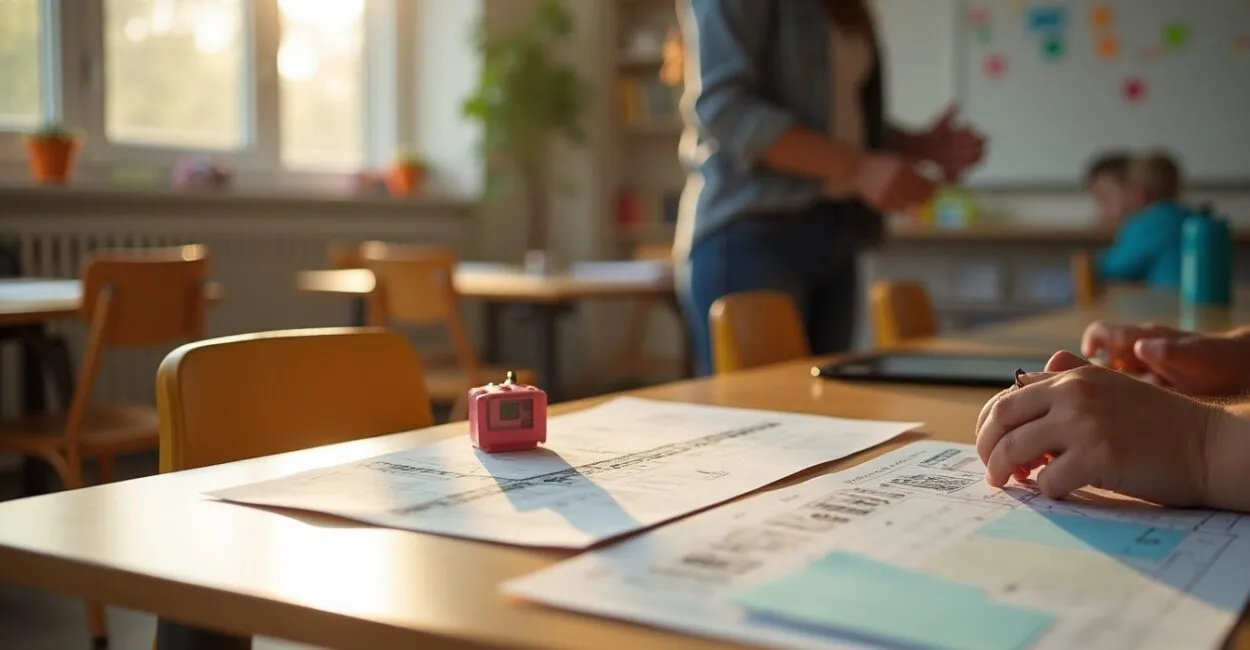
These practical, straightforward guidelines help you start planning lessons efficiently by focusing on clear objectives, realistic timing, and essential resources you can put to use right away. These strategies are designed to make it easier to prepare activities, quick assessments, and adaptations for students at different levels. lesson planning tips for beginners make the process repeatable, so you can measure instructional impact and improve teaching and learning over time based on your classroom context and student feedback. With curricula and classroom technology constantly changing, quick solutions help preserve quality and keep learning at the center.
Key Takeaways
- Set measurable lesson objectives aligned with essential skills.
- Plan time blocks and gather the minimum resources needed to maintain a consistent routine.
- Use brief formative assessments to adjust instruction in real time.
Lesson Planning Tips for Beginners: Setting Objectives
When establishing basic lesson-planning practices, start with objectives, which guide your choice of content and activities. This section covers measurement, cognitive taxonomies, and communication with students, laying the groundwork for lesson sequences, success criteria, and assessments aligned with your goals.

Set SMART Objectives
SMART objectives keep lessons focused and measurable, helping you choose relevant evidence of learning that fits the time available. I’ll explain how to break broad goals into observable behaviors that can be assessed quickly, then use student performance to adjust your plan. When expectations are measurable, it’s easier to choose activities and resources that fit the schedule, preventing overload and loss of engagement. This directly improves teaching efficiency and makes directions clearer for students.
When objectives are clear, it’s easier to make course corrections, and feedback cycles become more practical and productive. This increases the likelihood of meeting the goals set for each lesson and unit.
Align Objectives With Curriculum Standards
Aligning objectives with curriculum standards makes it easier to justify and sequence essential skills, reducing gaps between what you teach and what you assess. Consult official documents when needed, and adapt the language for your class. This alignment helps you prioritize essential content and choose strategies that maximize learning transfer. It also makes it easier to communicate progress and expectations to administrators and families.
In practice, this creates greater consistency between instructional units and summative assessments, ensuring that every activity contributes to the intended skill and making better use of available teaching time.
Communicate Objectives to Students
Communicating objectives clearly and accessibly helps students stay focused and manage their own learning, leading to more purposeful participation and better use of assigned activities. Use direct language and brief examples. When goals are visible, students can track their own progress and adjust their study strategies, reducing confusion and unnecessary requests for extra help. This also makes it easier to provide targeted instructional support.
Effective communication turns goals into a shared learning agreement, shaping motivation and accountability. It also makes formative assessment more direct and useful for planning upcoming lessons.
Time, Pacing, and Classroom Management: Tips for Beginners
Time management shapes lesson pacing and the quality of learning, so practical planning accounts for consistent time blocks, transitions, and a buffer for the unexpected. I’ll cover timing techniques, active listening, and pace adjustments, along with signs of student attention and engagement.
Break Activities Into Timed Segments
Breaking activities into short segments helps students stay focused and lets you check progress during the lesson, making it easier to adjust on the spot. Plan time for instruction, guided practice, and independent application. Timing each stage leaves room to answer questions without derailing the rest of the plan and avoids a last-minute rush. Simple monitoring is enough to make the lesson more predictable.
The result is more equitable access to content: a manageable pace helps students who need more time keep up without sacrificing depth for advanced learners.
Make Transitions Between Activities Efficient
Well-planned transitions minimize wasted time and cognitive overload, so use clear cues, visual routines, and organized materials. These practices help students stay focused and maintain instructional momentum. When transitions are practiced, students can prepare materials and start the next activity independently, without constant teacher direction. That frees you to focus on learning, reduces teacher fatigue, and improves the classroom climate.
In practice, this means more instructional time, better classroom management, and stronger instruction during core activities—all of which can improve task-completion rates.
Fit Formative Assessment Into the Time Available
Brief formative assessments show whether students are ready to move on and prevent confusion from building up. Use guiding questions and quick checklists to gauge understanding. Simple tools provide actionable information. Short assessments reveal learning gaps and allow for immediate intervention, improving students’ readiness for what comes next. Gather qualitative and quantitative information to guide targeted feedback.
The result is a more responsive teaching cycle, with time redirected to areas that need more attention and fewer students failing because difficulties went unnoticed.

Resources, Technology, and Practical Materials

Choosing the right resources expands opportunities for engagement and differentiation, including digital tools, printed materials, and hands-on activities. I’ll consider cost-effectiveness, accessibility, and how easily resources fit into existing routines.
Choose Relevant Digital Tools
To choose technology that adds value without making things more complicated, prioritize ease of use, compatibility, and instructional value. Look for tools with a short learning curve and measurable results. Try them with small groups before rolling them out more widely. When incorporating digital resources, consider accessibility and access to avoid excluding students who lack the necessary technology. Planning offline alternatives is essential and directly supports equity.
Expected benefits include more interaction, immediate collection of learning evidence, and opportunities to personalize instruction—all of which can improve student retention and engagement.
Essential Materials and Low-Cost Alternatives
Listing essential materials helps you plan lessons efficiently and on a budget, while identifying alternatives makes your plan more resilient when supplies are unavailable. Prioritize reusable and recyclable items for sustainability and flexibility. Versatile materials make it easy to reorganize activities when plans change while keeping instructional goals on track. This reduces last-minute purchases and helps make the most of the school budget.
In practice, this makes classroom plans more resilient: teachers can carry them out even with limited resources while maintaining instructional quality and a positive student experience.
Integrate With Official Platforms
Connecting lesson content with official portals and guidelines helps ensure curriculum alignment and makes it easier to explain your instructional choices. It also gives you access to reference materials and standardized assessments, lending greater credibility to your practices. Official portals can provide curriculum frameworks to download and activities to adapt for different levels while keeping instruction consistent with institutional expectations. These platforms often offer free materials and training.
This reduces duplicated work and increases confidence in your lesson plans, improving administrative efficiency and supporting instructional decisions.
Build a Lesson Plan: Tips for Beginners
A clear, concise lesson plan makes it easier to teach and communicate expectations, with an opening, main lesson, and wrap-up arranged in a logical sequence. Here’s how to create plans that can be adapted to different classes and learning objectives.
Start With an Engaging Hook That Activates Prior Knowledge
An effective opening captures students’ attention and activates prior knowledge through thought-provoking questions, images, or short tasks. This sets the stage for new learning and helps students connect ideas. Use examples that feel relevant to them.
Activating prior knowledge reduces resistance, speeds up comprehension, and connects students’ experiences with new content. This can boost participation from the start of class.
The instructional benefit is stronger retention and a greater ability to apply concepts in new situations, because initial connections support deeper understanding during core activities.
Teach With Guided and Independent Practice
Following guided practice with independent work bridges understanding and application, allowing for immediate feedback and timely correction of misconceptions. This supports meaningful learning.
Starting with guidance reduces frustration and helps you identify common errors to address as a class before asking students to work independently. This transition is essential for building skills.
In practice, this leads to more effective skill development, fewer persistent errors, and better performance on subsequent assessments.
Wrap Up by Reinforcing Learning and Previewing What’s Next
End the lesson with a summary and a focused follow-up task to reinforce retention and guide independent study. This connects the lesson to ongoing progress, supports learning beyond the classroom, and prepares students for future assessments.
Keep the summary concise and tied to measurable objectives so students can recognize their progress and understand what comes next. Short assignments are more likely to be completed and can provide useful diagnostic information.
The result is stronger long-term retention and better preparation for upcoming assessments, leading to a more consistent learning journey.
Quick Assessment and Feedback
Efficient assessment requires quick ways to gather evidence and provide constructive feedback, with an emphasis on continuous improvement and course correction. I’ll cover simplified rubrics, feedback methods, and using data to revise lesson plans.
Simplified Rubrics for Faster Grading
Simplified rubrics make grading easier and feedback more objective, allowing you to standardize criteria without unnecessary paperwork. Use short scales and clear descriptions that communicate expected progress accurately.
Rubrics reduce variation across assessments and help you return work to students sooner, making feedback more useful. They also make it easier to compare results over time and track class progress.
The direct benefits are greater transparency and more reliable grades, along with better-informed instructional decisions for what comes next.
Specific, Actionable Formative Feedback
For formative feedback to be effective, it should be specific, actionable, and delivered in time for students to use it. Focus on observable behaviors and clear strategies for improvement. Generic comments don’t lead to change.
When feedback is immediate and focused, students can apply corrections in their next activities, accelerating skill development. It also strengthens a culture of learning and accountability.
The result is better retention and skill development, as useful feedback turns mistakes into concrete opportunities to improve.
Use Data to Revise Your Lesson Plans
Data from quick assessments can guide revisions and help you prioritize content that needs to be revisited, making instructional decisions more objective and less reliant on intuition. Simple tools can reveal valuable insights.
Analyzing patterns in student errors shows where to focus interventions and which teaching strategies work best, allowing you to allocate time more efficiently and based on evidence.
The practical result is a more adaptive teaching cycle, with fewer gaps in learning and stronger overall outcomes at the end of each unit.
Differentiate and Include From the Start
Planning for differentiation from the beginning helps account for everyone’s needs through adaptations to content, process, and products. This approach covers initial screening, support resources, and planning for multiple levels of complexity.
Use Initial Screening to Identify Student Levels
Quick screenings identify learning profiles and essential gaps, allowing you to group strategies and adapt instruction efficiently. Diagnostic tools can assess prior skills and learning preferences.
With this information, you can prioritize interventions and create tiered activities for different levels, reducing the drawbacks of one-size-fits-all instruction and supporting greater inclusion.
The result is more precise use of instructional time and greater equity, because each student receives support based on their actual needs.
Practical Ways to Adapt Materials
- Simplified text versions for beginning readers.
- Multisensory activities for different learning preferences.
- Visual aids and checklists to help students work independently.
Adapting materials makes learning more accessible and helps students who might otherwise be left out complete tasks with confidence. This builds self-esteem and encourages participation in group activities.
Strategies to Support Students Who Are Struggling
Providing support in small steps with frequent feedback helps close learning gaps without stigmatizing students who need more time. Focus on steady progress and achievable goals to maintain motivation and momentum.
By setting small goals and using positive reinforcement, students who are struggling can see their progress. This can change their learning trajectory and prevent gaps from piling up. The approach is sustainable and scalable.
The result is less loss of essential content and higher rates of success in meeting curriculum objectives, with positive effects on classroom climate and overall outcomes.
Common Mistakes and What to Avoid
- Avoid overplanning without leaving room for the unexpected.
- Don’t rely entirely on technology without having alternatives.
- Avoid vague goals without observable success criteria.
Avoiding these mistakes cuts down on extra work and frustration, making lesson plans more flexible and resilient. Small adjustments to your practice can lead to significant gains in efficiency and instructional impact.
- Don’t underestimate the time needed to transition between activities.
- Don’t use summative assessments as your only source of diagnostic information.
- Don’t overlook the importance of clearly communicating objectives to students.
Addressing these issues makes classroom routines more consistent and improves alignment between instruction and assessment. Ongoing reflection is the key to preventing these problems from recurring.
- Don’t copy ready-made lesson plans without adapting them to your local context.
- Don’t pile on assignments that aren’t aligned with your objectives.
- Don’t ignore differences in learning pace.
Adapting plans to the classroom context makes them more relevant and effective, encouraging greater engagement and better results, especially in diverse classes with limited resources.
Get Started Today: Put What You’ve Learned Into Practice
Small changes you make today can have a cumulative effect on teaching quality and time management. Try one adjustment each week and gather quick evidence to validate its impact, then refine your strategies based on real data.
Set clear, measurable goals, share ideas with colleagues, and document results to build your professional toolkit. This practical approach can transform your routine and improve class performance over time.
To deepen your knowledge and ground your practice in research, consult reference materials from Brazil’s Ministry of Education (Ministério da Educação, the federal agency responsible for education) and academic journals. For example, see the Ministry of Education and educational research resources such as Google Scholar to bring research evidence into your instructional decisions.
Frequently Asked Questions
How Do You Prioritize Objectives When Time Is Short?
Prioritize objectives by identifying those with the greatest immediate impact on learning and that can be measured with simple tools. Reviewing previous assessments can reveal critical gaps and help you choose goals that deliver the most progress in the time available. Focus assignments on essential skills and use quick assessments to check progress, reallocating time based on evidence gathered during the lesson.
Which Digital Tools Are Actually Useful?
Useful tools are easy to use, work across devices, and provide evidence of learning, such as quiz platforms and resource libraries. Prioritize solutions that let you export data and integrate with school systems for analysis. Pilot testing with small groups helps you assess cost-effectiveness before adopting a tool more widely.
How Can You Differentiate Without Increasing Your Workload?
To differentiate without adding to your workload, plan tiered activities that share common objectives but vary in complexity and support. Use multisensory materials and tasks at different levels, along with quick-feedback routines that let you monitor progress without extensive individual grading. Simple tools and rubrics also reduce grading time.
How Can You Ensure Inclusion With Limited Resources?
Ensuring inclusion with limited resources takes creativity. Adapt activities and use alternative materials while keeping instructional goals in focus. Prioritize collaborative activities, simple printed resources, and strategies that encourage student independence. Identifying needs early helps you direct essential support where it will have the greatest impact on learning.
What’s the Best Way to Gather Formative Feedback?
To gather useful formative feedback, use brief, frequent tools such as diagnostic questions, checklists, and guided self-assessments. These methods provide actionable information quickly, allowing you to make adjustments in the short term. Give specific feedback and practical guidance students can apply to upcoming activities.
Artigos Relacionados
 Succulents: Easy Indoor Plants and Care Tips
 Steam Workshop: Quick Tips for Science Classes
 Lesson Planning: An Effective Framework
 Active Learning in Lesson Planning: Strategies and Examples
 Formative Assessment: Integrating It Into Lesson Planning
 Digital Rural Cooperatives: Lessons from Cresol and Sicredi
