
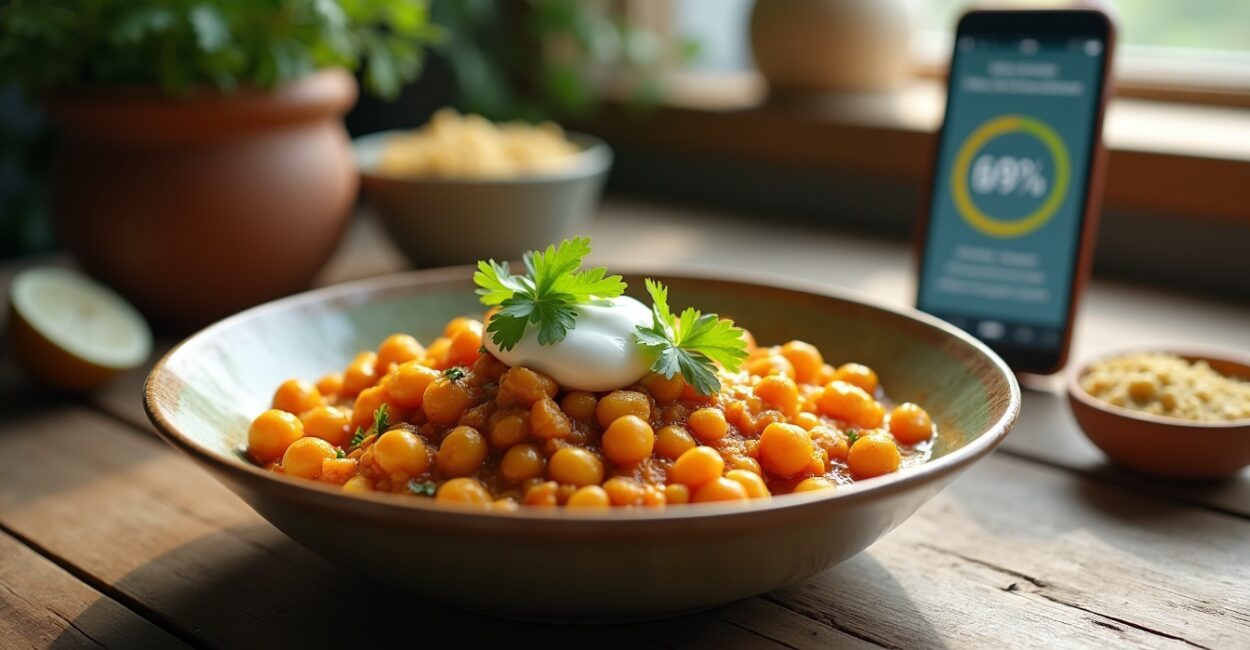
The quickest way to reduce emissions may not be in your garage or on your roof—it may be on your plate. When sustainable eating becomes part of your routine, everyday choices—like swapping beef for beans—can make a real difference for the climate, water, soil, and biodiversity. Technically, sustainable eating is an eating pattern that minimizes environmental pressure, preserves natural resources, and provides adequate nutrition over time. In practice, that means being more intentional about what you eat: fewer ultra-processed foods, more fresh or minimally processed plant foods, better use of local seasonal produce, and more thoughtful portions of animal protein.
The Essentials
- Swapping a serving of beef for chickpeas, lentils, or tofu measurably reduces the meal’s carbon footprint.
- Most of a diet’s climate impact comes from animal proteins, especially ruminants, because of methane emissions and intensive land use.
- Sustainable eating doesn’t mean going vegan: it also includes eating seasonally, buying local, wasting less, and choosing less-processed foods.
- This kind of change can fall flat when it becomes a rigid, expensive rule. It works better when it fits your budget, prep time, and household food culture.
- People who eat more sustainably tend to get more fiber, feel fuller, and enjoy more variety—as long as they don’t replace real food with ultra-processed “plant-based” products.
Why Sustainable Eating Matters Now
The basic point is simple: the food system accounts for a significant share of global emissions, and beef production is among the most carbon-intensive food-producing activities per pound. The FAO report on livestock and climate highlighted this impact years ago, and the problem has not gone away as consumption has increased. No single factor is responsible. Enteric methane, deforestation for pasture, feed production, transportation, and refrigeration all add emissions across the supply chain. That’s why a serious discussion of sustainable eating isn’t limited to “eating less meat.” It also involves how food is produced, where it’s bought, and how much goes to waste.

What matters most for a meal’s environmental impact isn’t just its calories. It’s also the type of protein you choose and the amount of land and water needed to produce it.
What You Learn by Looking at the Whole Supply Chain
When you look at the full life cycle of foods, the difference between rice, beans, beef, chicken, and tofu becomes more than a gut feeling—it shows up in the data. Meat from ruminants typically generates far more emissions per serving than legumes, which makes a real difference to the environmental cost of a meal. People who work in nutrition and sustainability know the conversation is more honest when it moves beyond moralizing. It’s not about “banning” meat; it’s about recognizing that a steak and a bowl of lentils don’t have the same environmental impact.
Animal Proteins, Legumes, and the Swap That Cuts the Most CO2
Of all the changes you can make, partially replacing animal protein with plant-based sources often delivers the greatest environmental benefit with the least disruption to your routine. Chickpeas, lentils, beans, peas, soy, and tofu are ideal for this swap because they provide protein and fiber and work in a variety of dishes.
Foods to Factor In
- Chickpeas: Great in salads, dips, stews, and veggie burgers.
- Lentils: Quick to cook and hearty enough for a main dish, soup, or side.
- Tofu: Easily absorbs seasonings and works well in stir-fries instead of meat.
- Beans: An affordable, accessible, and culturally familiar option in Brazil.
- Soy: Available as edamame, textured soy protein, and tofu, all with a good amount of protein.
- Quinoa: It doesn’t need to be a dietary staple, but it can add variety in amino acids and texture.
Data compiled from life-cycle analyses by universities and research centers show that plant proteins typically emit far less carbon dioxide equivalent per pound than beef. A useful reference is Our World in Data’s comparison of the environmental impacts of food, which brings together peer-reviewed studies and makes it easy to compare categories.
A Practical Rule of Thumb
If you want to get started without making life difficult, try the 80/20 approach: keep meat on the menu for part of the week and make legumes the main protein in two or three meals. That alone can significantly reduce a meal’s footprint, add variety to your diet, and often lower your grocery bill. Not every plant-based substitute is automatically a better choice. An industrially made “plant-based” burger may have a long ingredient list, high sodium, and a lot of processing. It can still offer environmental benefits, but your decision should also account for nutrition, price, and processing.
Public Health, Fullness, and the Role of Fiber

The discussion about sustainable eating is also a discussion about health. Diets with more vegetables, legumes, fruit, and whole grains tend to provide more fiber and micronutrients and help with fullness more than eating patterns centered on processed meats and ultra-processed foods.
Read also: Ecotourism in Brazil Is Booming: Why It’s Trending Now
That doesn’t mean every plant-based diet is healthy by definition. A vegan meal can still be low in protein, high in sugar, or full of unhealthy fats. The point is that a plant-based foundation makes it easier to get more nutrient-dense foods.
When the Swap Helps Most
- For everyday meals, when cost and portion size matter.
- For families looking to add fiber without significantly increasing their grocery bill.
- For busy routines, as long as you plan ahead for cooking and freezing meals.
There’s an important caveat: people with specific needs—such as pregnant people, children, older adults, people with kidney disease, or anyone with medical dietary restrictions—need to plan their meals more carefully. When there’s a risk of nutritional inadequacy, sustainability is no substitute for guidance from a nutrition professional.
How to Shop Better: Local, Seasonal, and with Less Waste
Shopping is where many people get stuck. The good news is that not every change requires premium prices or specialty stores. Buying seasonal foods, shopping at farmers markets, choosing local growers, and planning portions can reduce waste and improve the quality of what ends up on your table.
What to Look for in Practice
- Choose seasonal fruits and vegetables, which are often cheaper and require less storage and transportation.
- Buy grains in bulk when it makes sense for your household.
- Use leftovers in soups, casseroles, salads, and fillings.
- Avoid buying more fresh food than you can use before it spoils.
Food waste also affects the climate. Throwing food away means wasting water, energy, soil fertility, transportation, and human labor. The United Nations Environment Programme’s Food Waste Index shows that household food waste remains a significant global problem—and it’s directly relevant to any sustainable eating strategy.
Shopping better almost always reduces more of your impact than chasing the “perfect” expensive food that no one can stick with for three weeks.
A Real-Life Example of Making a Change Without Going to Extremes
A family of four used to serve beef for dinner five nights a week. Grocery costs were climbing, leftovers went in the trash, and shopping felt like a chore. After planning their meals, they made a simple change: two dinners a week featured lentils, one was tofu with vegetables, and another was beans and eggs.
The results weren’t just environmental. Their monthly grocery bill went down, meal prep became more predictable, and the refrigerator started working for the household instead of against it. This kind of adjustment is common in families that start cooking more intentionally: less improvising, more using up leftovers, and meals that feel less stressful.
Simple Recipes to Make the Change Stick
For the change to work, it has to fit into everyday life. Recipes that are too complicated make it hard to stick with the plan; simple recipes make it easy to repeat, and repetition builds habits.
Three Dishes to Get You Through the Week
- Chickpea stew with tomatoes, onion, paprika, and spinach.
- Sautéed lentils with garlic, carrots, bay leaf, and rice.
- Grilled tofu with soy sauce, lemon, and roasted vegetables.
If you want an even more affordable option, beans are still hard to beat. They’re inexpensive, deeply rooted in Brazilian food culture, and pair well with rice, squash, collard greens, toasted cassava flour, and eggs. That makes the transition more approachable than any sophisticated talk about carbon emissions.
What Makes the Change Work in the Long Run
The biggest mistake is treating sustainable eating as a quest for perfection. That doesn’t work because no one can stick with an eating pattern that makes life more expensive, requires hard-to-find ingredients, or ignores cultural preferences.
What works is a simple strategy: eat red meat less often, eat more legumes, shop smarter, cook more, and waste less. This approach won’t eliminate your impact, but it can make a consistent, realistic difference.
Next steps
Choose one change to try for 14 days: replace one meal with beef with a legume-based meal, plan your weekly shopping before going to the store, or add two go-to dishes featuring chickpeas and lentils to your meal rotation. The right move isn’t to do everything at once; it’s to build a system you can repeat.
Frequently Asked Questions
Is Sustainable Eating the Same as a Vegan Diet?
No. A vegan diet eliminates all animal products, while sustainable eating aims to reduce environmental impacts and improve the food system as a whole. It can include meat and dairy less often, as long as you make more thoughtful choices.
Which Swap Has the Biggest Impact on a Meal?
In general, replacing beef with legumes such as beans, lentils, or chickpeas tends to deliver the biggest emissions reduction per meal. That’s because ruminants produce a lot of methane and require a great deal of land and other resources.
Is Sustainable Eating Expensive?
Not necessarily. When you build meals around beans, rice, seasonal vegetables, and less food waste, costs tend to go down. The transition gets more expensive when you rely too heavily on processed “alternative” products and specialty ingredients.
Are Plant-Based Processed Foods Always a Good Choice?
No. Veggie burgers and other ultra-processed foods can contain a lot of sodium, additives, and a long list of ingredients. They can be useful in some situations, but they shouldn’t replace a foundation of real food.
What’s the Easiest First Step?
Start by choosing one regular meal each week to make plant-based. A simple dish with beans, lentils, or chickpeas, served with rice and vegetables, is often the easiest way to begin.
Is Buying Local Always Better for the Climate?
Not always. How food is produced and what kind of food it is usually matter more than the distance it travels. Still, buying local and seasonal can help reduce waste and support shorter supply chains.
Artigos Relacionados
 Understanding Sustainability: Meaning and Why It Matters
 Air Pollution: Hidden Impacts and Sustainable Solutions for Public Health
 Why Reading Matters in Early Childhood and Elementary School
 Gastroenterologist: A Complete Guide to the Specialty and Why It Matters
 Hematologist: A Complete Guide to the Specialty and Why It Matters
 The Essential Journey to Sustainable Career Growth
