
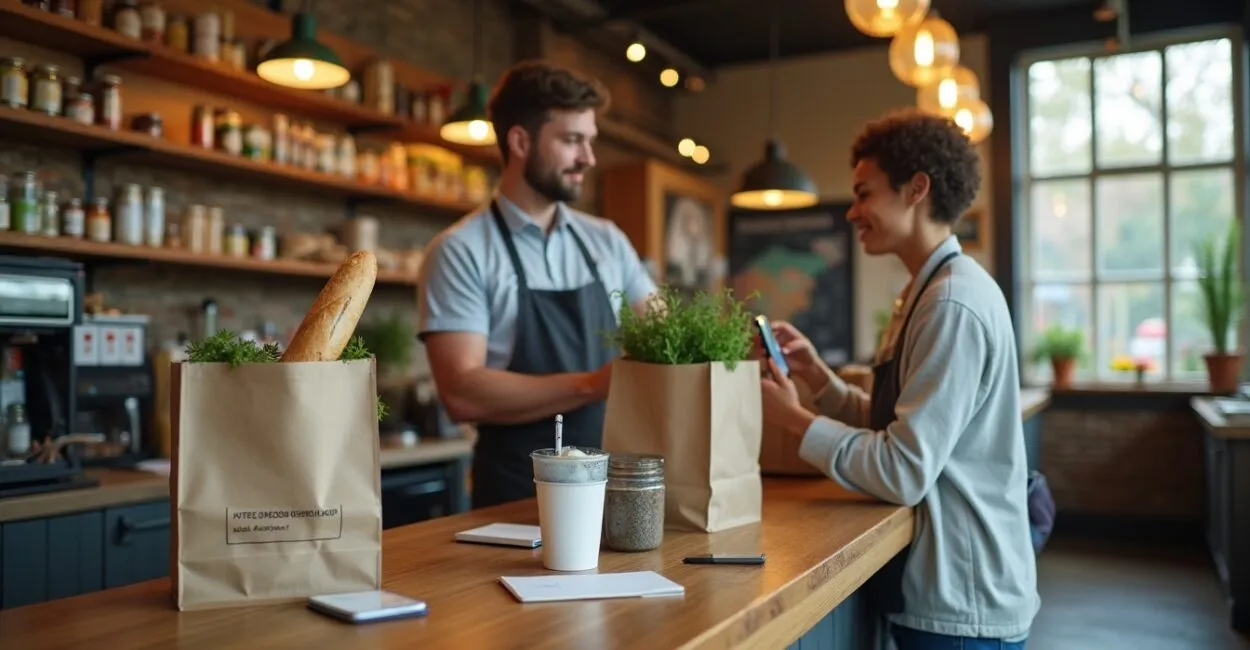
Have you ever wondered how local businesses, like a neighborhood grocery store or bar, can become the beating heart of a community with simple, people-focused solutions? It comes down to technology, community, and quick decision-making.
This article explains why 2025 trends—especially community delivery and neighborhood apps—will change how grocery stores and neighborhood bars operate, the customers they serve, and their relationships with the community.

You’ll discover practical strategies, tools, actionable steps, and real-world examples you can put to work today to boost sales, loyalty, and local relevance.
1. Why 2025 Is a Turning Point for Local Businesses
In 2025, trends like local delivery, neighborhood platforms, and instant payments are accelerating the recovery and growth of grocery stores and neighborhood bars.
Small businesses that adopt neighborhood apps, community-based logistics, and hyperlocal marketing will gain loyal customers and a competitive edge.
Impact on Day-to-Day Operations
Integrating orders, inventory management, and community delivery routes reduces waste and speeds up local service.
Simple tools make purchasing, restocking, and communication with neighborhood customers more predictable, strengthening the business.
What Local Customers Expect
Consumers want convenience, proximity, and authentic experiences. They value direct communication with their neighborhood grocery store and bar.
Personalized offers, frictionless payments, and fast delivery through a neighborhood app increase visit frequency and average order value.
2. Community Delivery: What It Is and Why It Works
Community delivery connects grocery stores, neighborhood bars, and the surrounding community, reducing costs, delivery times, and environmental impact while strengthening local ties.
This model prioritizes shared routes, local couriers, and direct communication between customers and merchants.
Operating Models
Optimized routes, pickup points, and set delivery windows make deliveries more efficient without relying on large, centralized delivery platforms.
Courier cooperatives and partnerships between local businesses increase capacity, reduce commissions, and improve the customer experience.
Economic Benefits
Higher margins, stronger customer retention, and lower commission expenses improve cash flow for small local businesses.
Investing in community-based logistics can pay off quickly through repeat sales and lower customer churn.
- Set up regular delivery routes to nearby neighborhoods.
- Bundle grocery store and bar offerings to increase average order value.
- Connect through local channels: neighborhood groups, apps, or WhatsApp.
3. Neighborhood Apps: A New Showcase for Local Businesses

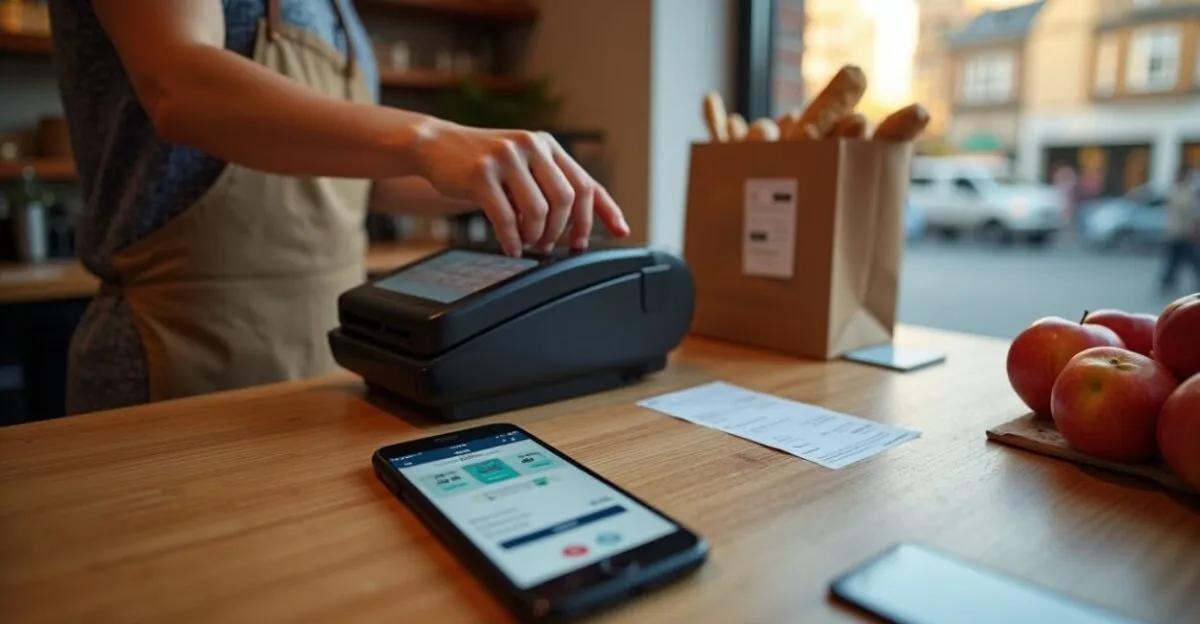
Neighborhood apps connect residents, promote local deals, and make it easier to pay, make reservations, and order delivery from grocery stores and neighborhood bars.
These platforms strengthen a business’s digital presence without relying solely on national marketplaces.
Engagement and Loyalty
Rewards programs, targeted notifications, and app-exclusive offers encourage local customers to visit and buy again.
A simple interface and friendly communication make the app part of customers’ daily routines, building habits and preferences.
Integration With Existing Systems
Open APIs and integrations with point-of-sale (POS) systems, inventory management tools, and payment methods simplify operations for neighborhood businesses.
Choosing an integrated app reduces errors, syncs inventory, and speeds up delivery and checkout.
4. Local Marketing and a Practical Digital Presence
Local marketing combines local SEO, social media, neighborhood partnerships, and a presence on community apps to attract residents and visitors.
Relevant, timely campaigns and content boost discovery and increase the chances of appearing in Google Discover.
Content Strategies
Local posts, customer stories, and events at the neighborhood bar build emotional connections and increase visibility in searches for local businesses.
Use authentic images, clear descriptions, and local keywords to improve rankings and mobile engagement.
Promotions and Partnerships
Cross-promotions between grocery stores and neighborhood bars, community events, and deals on neighborhood apps help retain customers and drive traffic.
Partnering with local producers highlights what makes a business unique and strengthens the community’s value chain.
| Action | Benefit | Time to See Results |
|---|---|---|
| Launch a neighborhood app | Increased loyalty and lower commissions | 1–3 months |
| Community delivery | Lower cost per delivery and faster delivery times | 1–2 months |
| Local marketing and partnerships | More traffic and stronger brand recognition | 2–6 weeks |
- Map frequent customers in the neighborhood to understand demand.
- Set up an ordering channel through a neighborhood app or WhatsApp.
- Set regular routes and delivery windows for community deliveries.
- Train your team to provide fast service and communicate with local customers.
- Review results and adjust prices, promotions, and routes.
5. Affordable Technology for Grocery Stores and Neighborhood Bars
Tools like cloud-based POS systems, payment gateways, and neighborhood apps make technology accessible to small local businesses.
Simple integrations improve efficiency, reduce errors, and make it easier to expand sales channels, including delivery and reservations.
Choosing Platforms
Look for solutions with built-in inventory, payment, and reporting integrations. Prioritize ease of use and local support.
Free trials and reviews from other business owners can help you choose technology that works for your neighborhood.
Security and Trust
Use certified payment methods and clear privacy policies to build customer trust and protect data.
Being upfront about timelines, fees, and returns helps avoid complaints and improves your local reputation.
- Use a cloud-based POS system with real-time syncing.
- Choose payment gateways that accept digital wallets and PIX, Brazil’s instant payment system.
- Set up neighborhood app notifications to provide order updates.
6. Finances, Logistics, and Sustainability
Financial planning and collaborative logistics reduce costs, while sustainable practices attract environmentally conscious customers to grocery stores and neighborhood bars.
Community delivery and eco-friendly packaging improve a business’s image and reduce operational waste.
Cost Management
Analyze profit margins by product, delivery costs, and the impact of promotions. Optimize your product mix with fast-moving items.
Automate financial reports and track KPIs to make quick, informed decisions for your local business.
Practical Sustainability
Reusable packaging, buying directly from local producers, and optimized delivery routes reduce environmental impact and logistics costs.
Sharing your sustainability efforts on a neighborhood app increases perceived value and builds loyalty among like-minded customers.
7. Real-World Examples, Metrics, and Next Steps
Studies of grocery stores and neighborhood bars show revenue growth from in-house delivery and neighborhood apps, along with increased customer retention.
Tracking the right metrics, running quick tests, and listening to community feedback can guide local growth.
Metrics That Matter
Track purchase frequency, average order value, cost per delivery, and repeat purchase rate to optimize local business operations.
Simple data can offer practical insights for adjusting promotions, hours, and partnerships on a neighborhood app.
How to Get Started Now
Start with a pilot in one neighborhood, set monthly goals, and involve key customers to gather ongoing feedback and make quick improvements.
Early wins build momentum. Scale based on measurable results and community support.
Conclusion: Local businesses, especially grocery stores and neighborhood bars, have a real opportunity to lead the community experience in 2025. By adopting community delivery, neighborhood apps, and local marketing strategies, you can turn neighbors into loyal customers and brand ambassadors. Remember: your greatest strength is being close to your community.
Frequently Asked Questions
What is community delivery, and how does it benefit local businesses?
Community delivery organizes deliveries using local routes and set time windows, reducing costs and delivery times. For grocery stores and neighborhood bars, this increases margins, improves reliability, and strengthens ties with the community. It also reduces reliance on large platforms and supports a collaborative local economy.
How can a neighborhood app help a grocery store increase sales?
A neighborhood app brings orders, offers, and direct communication with local customers together in one place. Notifications, exclusive coupons, and rewards programs help build loyalty. Regular interactions keep the store top of mind, encouraging more visits and higher average order values.
What technology do I need to get started with local delivery?
The essentials are a cloud-based POS system, a payment gateway (for PIX, Brazil’s instant payment system, and cards), an order management system, and a neighborhood app or ordering channel. Simple integrations between these systems reduce errors and speed up deliveries, creating a better customer experience.
How can I measure success when adopting these trends at a neighborhood bar?
Key metrics include customer frequency, average order value, cost per delivery, repeat purchase rate, and local NPS. Track sales by channel (app, in-store, delivery) and adjust hours, offers, and logistics based on neighborhood customers’ behavior.
Which local partnerships are worth pursuing to grow quickly?
Partnerships with other neighborhood businesses, local producers, and courier cooperatives can be valuable. Joining a neighborhood app and taking part in local events can also expand your reach. These alliances reduce costs and grow your customer base.
Selected references: Sebrae, Brazil’s small business support agency; IBGE, Brazil’s national statistics agency; Forbes.
Artigos Relacionados
 New Businesses: 12 Innovative Ideas for Your Neighborhood
 Industrial Salaries: 5 Trends Reshaping Pay in 2025
 Neighborhood Store: 5 Ways to Attract Customers in 2025
 Rural Entrepreneurship: 7 Trends That Will Transform 2025
 Food Security: 7 Trends That Will Shape 2025
 Public School Purchasing: Bringing Local Farmers Onboard
