
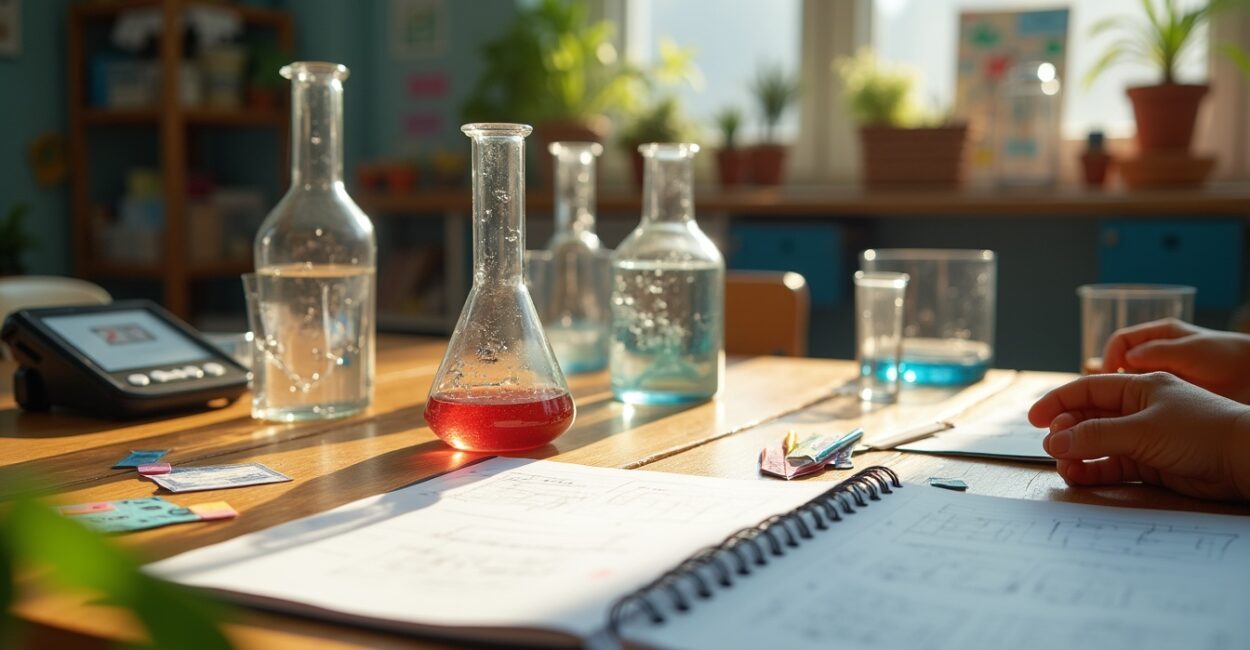
Science is a systematic way of observing, explaining, and predicting natural phenomena through testable hypotheses, controlled experiments, and critical analysis of evidence. In elementary school, this translates into learning that combines empirical inquiry, conceptual modeling, and communication of results, helping children understand causes, patterns, and the limitations of scientific explanations.
Key Takeaways
- Science projects should connect hands-on inquiry with clear, measurable learning objectives.
- Accessible materials and safety protocols make experiments more feasible in both public and private schools.
- Evidence-based formative assessment using records, portfolios, and rubrics is more effective than relying on one-off tests.
- Integrating science with math, language arts, and art strengthens scientific literacy and critical thinking.
Why Science Is Key to Building 21st-Century Skills in Elementary School
Science develops essential cognitive skills, including systematic observation, causal reasoning, and statistical literacy. By engaging students with questions that can be investigated, science instruction fosters metacognition and real-world problem-solving—skills valued by international assessments and the job market. Recent education policies emphasize science and technology skills as part of Brazil’s National Common Core Curriculum (BNCC). Teachers who align projects with these guidelines make learning more relevant and transferable.

How Inquiry Builds Skills
Projects that require students to ask questions, collect data, and communicate their findings build cognitive and methodological skills. Empirical inquiry allows students to test simple hypotheses and learn to interpret variability and uncertainty—key elements of scientific literacy. This approach helps address common misconceptions and prepares students to critically evaluate scientific information in everyday life.
Implications for the Curriculum
Integrating science into the curriculum requires clear objectives, a sequence that builds in complexity, and aligned assessments. By prioritizing key concepts for each grade and progressively building inquiry-based practices, teachers create a learning pathway that connects theory and practice. This makes it easier to connect science with other subjects without compromising scientific rigor.
Hands-On Projects by Topic: The Environment, the Human Body, and Simple Experiments
Effective projects start with local problems and questions that students can observe. Environmental projects, such as monitoring water quality or starting a school garden, let students collect data, take measurements, and discuss human impacts. Human body activities exploring sensations, reactions, and hygiene habits connect basic biology to health. Simple experiments with density, germination, and battery-powered circuits demonstrate basic physics and chemistry using safe, low-cost materials.
Environment: A School Garden Monitoring Project
Objectives: Understand biogeochemical cycles, the impact of farming practices, and local biodiversity. Materials: Planter boxes, soil, a thermometer, a magnifying glass, and a field notebook. Activities: Plan experimental plots, record plant growth, compare organic and mineral fertilizers, and look for correlations with rainfall and temperature. Assessment: A portfolio with an observation journal, a growth chart, and a critical report on sustainable practices.
The Human Body: A Sensory Map and Healthy Habits
Objectives: Identify the sense organs, record responses, and connect them to health-related behaviors. Materials: Objects for sensory testing, a ruler, and simple questionnaires. Activities: Blind taste tests, reaction-time measurements, and informational posters. Assessment: A rubric that evaluates scientific accuracy, causal explanations, and clarity of communication.
Instructional Design: Objectives, Progression, and Assessment

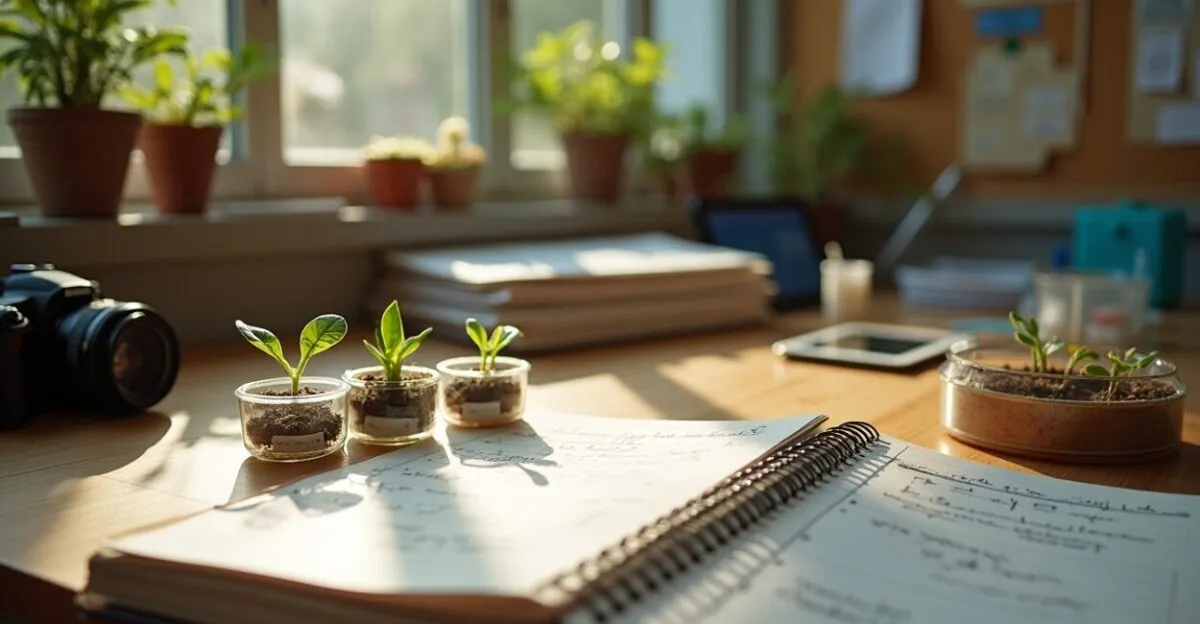
Successful projects connect learning objectives to observable evidence. Objectives should be specific (for example, “compare germination rates under three conditions”) and aligned with grade-level progression. Assessment includes ongoing documentation (journals, photos, videos), simple standardized tools (rubrics, checklists), and a final product that demonstrates conceptual understanding and inquiry methods.
Setting Measurable Objectives
Process objectives make it possible to assess performance using indicators such as data-collection accuracy, the ability to formulate testable hypotheses, and correct use of graphs. These indicators inform rubrics that define performance levels (beginning, developing, proficient), making it easier to provide targeted feedback.
Formative Assessment Models
Formative assessment focuses on evidence gathered throughout the process, such as lab notes, reflection questions, prototypes, and presentations. Adding self-assessment and peer assessment encourages metacognition and shared responsibility. The results help teachers make immediate instructional adjustments instead of simply calculating a final grade.
Read also: Integrated Curriculum: How to Plan Lessons in Practice
Safe, Low-Cost Materials and Protocols
Making elementary school projects feasible requires careful selection of materials and protocols that minimize risk and cost. Prioritize recyclable materials, household measuring tools, and protocols that do not require hazardous chemicals. Safety checklists, parent or guardian permission, and direct supervision are essential. Standardized kits improve reproducibility across classes and make it easier to scale projects across school systems.
Examples of Accessible Materials
Materials include plastic bottles, plastic cups, blunt-tip scissors, educational multimeters, basic digital thermometers, magnifying glasses, and assorted seeds. These items can be used to explore basic physics, chemistry, and biology. Bulk purchasing by schools reduces costs and improves material quality.
Basic Safety Protocols
Protocols include a simplified risk-assessment form, personal protective equipment when needed (gloves, goggles), advance instructions on procedures, and teacher training. For experiments involving water or soil, include hygiene practices and environmentally responsible waste disposal.
Connecting Science to Math, Language Arts, and Art
Interdisciplinary learning turns science projects into rich learning opportunities. Math provides tools for measuring, representing, and analyzing data; language arts helps students make arguments, document findings, and communicate results; and art encourages modeling, visualization, and cognitive empathy through models and exhibits. These connections show that science is a social practice that relies on language, calculation, and creativity.
Measurement and Basic Statistics
Incorporate counting, averages, bar graphs, and tables so students can quantify their observations. Exploring uncertainty and variability introduces basic ideas in statistics and probability that are essential for interpreting experimental results. Hands-on activities, such as comparing plant heights or reaction times, make math more meaningful.
Communication and Representation
Creating reports, infographics, and oral presentations develops language and science skills at the same time. Interview guides, explanatory writing, and digital portfolios strengthen students’ ability to argue from evidence and adapt their language for different audiences.
Measuring Impact, Scalability, and Evidence of Effectiveness
Large-scale implementation requires short- and long-term indicators: conceptual gains (pre- and post-tests), engagement (attendance, participation), and transferability (applying methods in other contexts). Pilot projects with representative samples and standardized data collection enable comparative analyses to inform decisions across school systems.
Quantitative and Qualitative Indicators
Combine conceptual pre- and post-tests with qualitative analyses of portfolios and interviews. Objective metrics (the percentage of hypotheses correctly tested, measurement accuracy) and subjective indicators (self-efficacy, interest in science) provide a fuller picture of the learning impact.
Scaling Up and Teacher Training
Teacher training focused on inquiry-based learning and managing hands-on experiments is essential. Programs that include active training, classroom support, and ready-to-use materials increase the likelihood of sustained adoption. Documented protocols and kits make it easier to replicate projects across schools.
Next Steps for Implementation
Start with a well-documented pilot: select 2–3 projects aligned with Brazil’s National Common Core Curriculum (BNCC), define measurable objectives, create rubrics, and assemble standard materials. Provide brief teacher training and involve the school community in logistical support. Collect data from the outset to refine practices and demonstrate impact. Scaling up requires documentation, sharing results, and coordination with local education policies—so science becomes a core part of essential skills development rather than an isolated activity.
Frequently Asked Questions
How Do I Choose the Right Science Project for My Third- Through Fifth-Grade Class?
Choose projects that address observable questions, use safe materials, and can be repeated several times. Prioritize objectives such as collecting simple data, formulating hypotheses, and displaying results in graphs. Consider the time available: short-term projects (2–4 classes) for practicing techniques and long-term projects (a semester) for ongoing monitoring. Assess the school’s resources and include adaptations for students with disabilities to ensure accessibility and equity throughout the inquiry process.
Which Assessment Indicators Are Essential for Measuring Learning in Science Projects?
Essential indicators combine conceptual understanding (performance on pre- and post-tests), procedural skills (quality of data collection), and communication skills (clarity of reports and presentations). Use rubrics that define levels for each indicator, along with observation records and portfolios as evidence. Include self-assessment and peer assessment to measure metacognition. Standardized data collection makes it possible to compare results and validate instructional adjustments.
How Can I Integrate Science Activities With Math Without Losing Scientific Depth?
Design tasks in which math is a tool, not the end goal: measurements, tables, averages, and graphs grounded in experimental data. Explain why each mathematical procedure is used in the project, connecting formulas and calculations to the questions being investigated. Introduce uncertainty and variability to develop critical thinking. This integration reinforces math concepts through practical applications while preserving scientific rigor.
What Legal and Safety Precautions Should I Consider Before Conducting Experiments With Students?
Obtain informed consent from parents or guardians when necessary, follow local regulations for lab activities, and avoid hazardous chemicals or equipment in elementary school classes. Keep a simplified risk-assessment form, a contingency plan, and first-aid supplies on hand. Ensure continuous supervision, prior training in procedures, and clear signage for work areas. Including safety information in lesson plans and sharing it with school staff helps reduce liability and protect students.
How Can I Document and Share Project Results to Engage Parents and the Community?
Document projects with brief reports, infographics, digital portfolios, and in-person exhibits that show the process and evidence, not just the final products. Hold science fairs with group presentations, explanatory displays, and hands-on demonstrations. Share data and reflections through school social media and newsletters, putting results and local implications in context. Involving partners such as nonprofits and universities increases visibility and access to resources, turning projects into community assets.
Artigos Relacionados
 Interdisciplinary Projects for Elementary School
 How the Digital Economy Strengthens School Projects Today
 School Political-Pedagogical Project for Whole-Child Education: A Practical Guide
 Low-Cost School Sustainability Projects in 3 Weeks
 6 Interdisciplinary Projects for Schools: Quick Models
 Inclusive Education in Elementary School: Practices and Support
