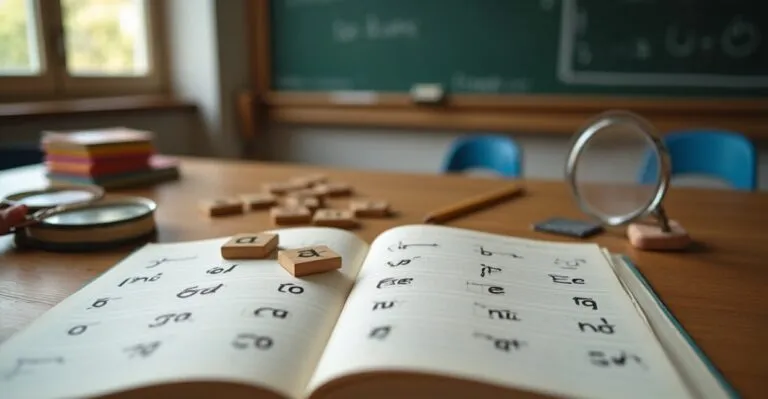
A child may correctly produce a letter’s sound while tracing it with a finger, then hesitate when asked to recognize it in a new word. The multisensory method helps teachers plan for this kind of learning: it combines input such as listening, looking, and tracing to teach specific reading and writing skills. Results depend on the goal, the instructional sequence, and gradually removing supports. Using several materials at once without a clearly defined skill can distract rather than teach.
In literacy instruction, this approach often connects phonemes, graphemes, and writing movements. The same principle can support other subjects, as long as each sensory input has a clear instructional purpose.

What Is the Multisensory Method in Literacy Instruction?
The multisensory method is an instructional approach that coordinates input from different senses to help students notice and practice a skill. In literacy instruction, for example, a child hears a phoneme, looks at the corresponding letter, and traces it. The combination serves the goal; it does not automatically guarantee learning.
In everyday terms, this means teaching a relationship through more than one channel: hearing the /m/ sound, seeing the letter “m,” and drawing it with a finger. The gesture provides a tactile and motor cue, while pronunciation and the written form remain central to the task. Explicit code instruction teaches the relationships between phonemes, the sounds of speech, and graphemes, their written representations. To do this, each input should reinforce the same relationship. Background music, an attention-grabbing texture, and several objects unrelated to the letter being studied may increase activity, but not necessarily learning.
The International Dyslexia Association describes structured, multisensory instruction as part of explicit, sequential language instruction. However, the approach should be chosen based on what the student already knows and what they still need to practice.
How Can You Apply Reading Instruction to Sentence-Level Work?
To carry a skill from sounds to sentences, teach one relationship at a time, practice it in larger units, and check whether the student can use it in words they have not practiced. This sequence helps connect phonological awareness, letter recognition, and meaningful reading without skipping steps when the student is still unsure about the code.
- Introduce the phoneme: Pronounce the sound clearly and ask the student to identify it in familiar words.
- Connect it to the grapheme: Show the letter and connect its form to the sound, taking care not to teach the letter’s name as if it were the phoneme.
- Practice tracing: Ask the child to draw the letter on paper or on a tactile surface while saying the sound.
- Build syllables and words: Combine graphemes that have already been taught and read the units aloud.
- Use the skill in a sentence: Have the student read and write using new words that contain the target relationship.
- Remove the cues: Ask the student to read without tracing or looking at a model, and note what they can do independently.
One practical consideration: when a child traces a letter with a finger, they may focus so much on the tracing path that they stop saying the sound. In that case, separate the steps: first, look at and name the letter; then trace it while saying the phoneme. The teacher can combine the steps once the child can coordinate them.
The same principle applies to other subjects: in math, a student can talk through an operation while arranging objects; in science, they can observe a sequence and describe it. To broaden the ways to apply this approach, follow one rule: the resource should represent or support the concept being taught.
Which Multisensory Activities Support Reading and Writing?

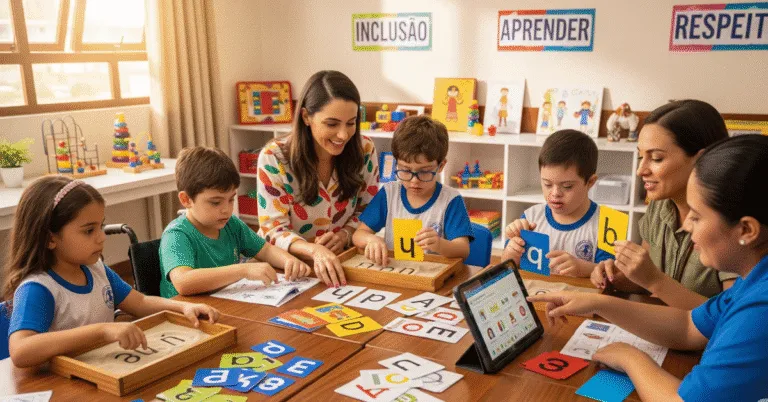
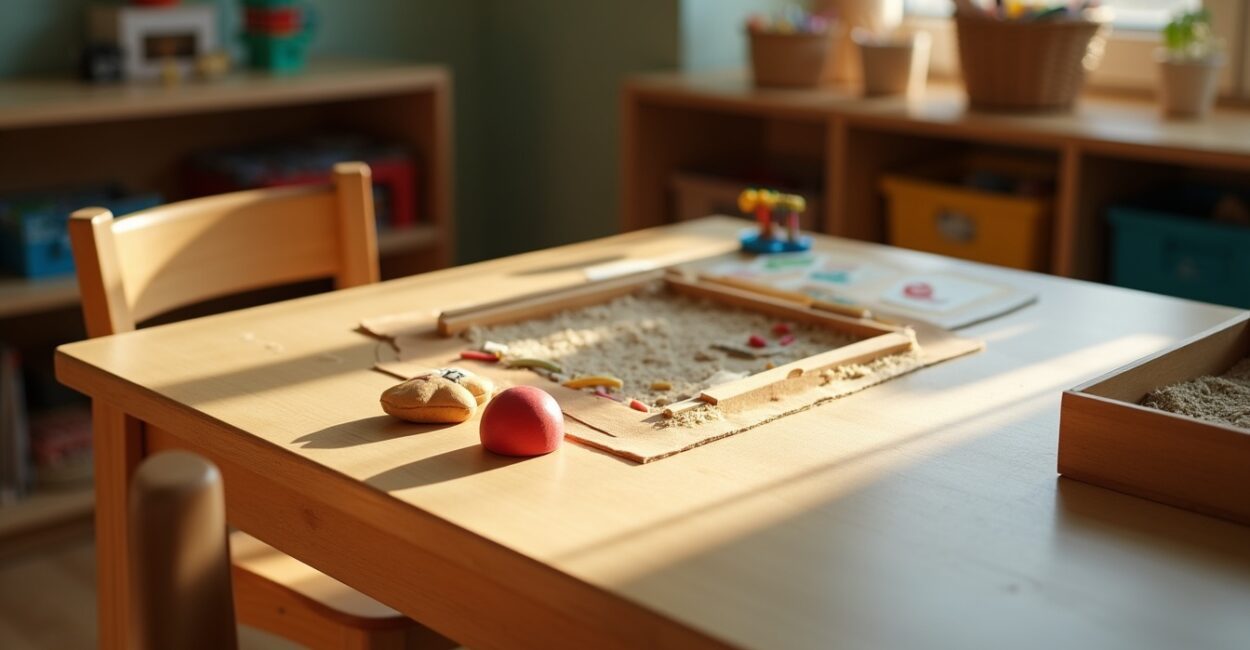
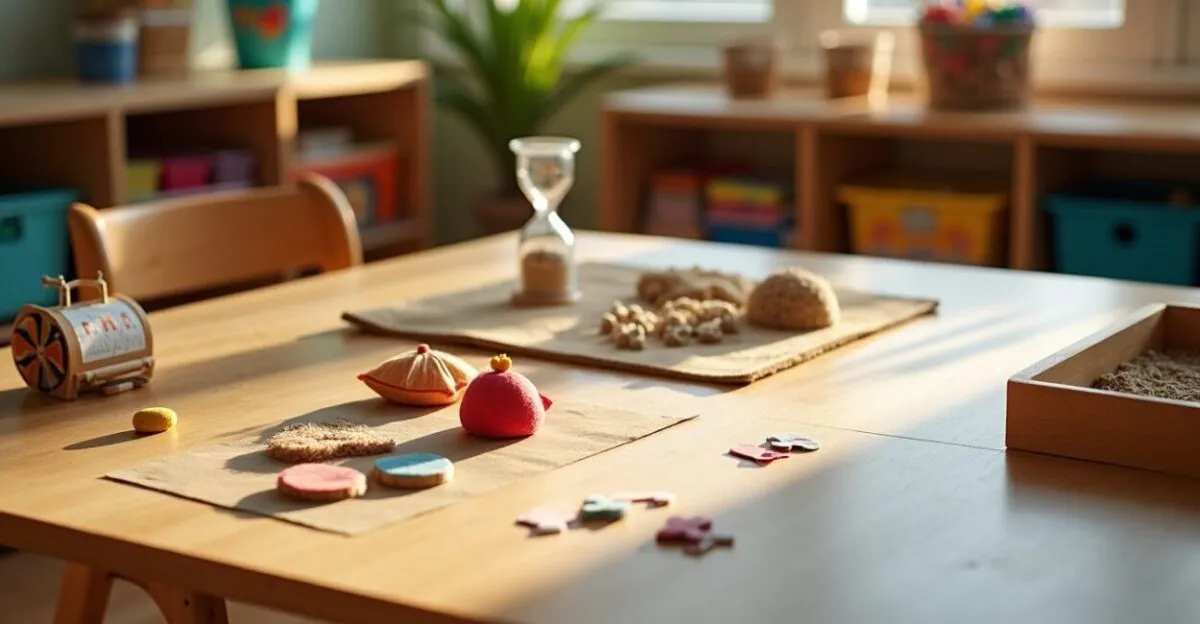
Useful activities connect a sensory action to an observable skill, such as identifying a phoneme, combining syllables, or writing a word. Simple, low-cost materials are enough: paper, pencils, cards, and a tray of sand can provide helpful cues, as long as students do not depend on them to respond.
- Sound: Say a word and ask the child to identify its initial phoneme without showing any letters. The goal is to practice awareness of speech sounds.
- Letter: Show a grapheme, say its sound, and invite the student to trace it with a finger in sand or on a sheet of paper. The goal is to connect sound, form, and movement.
- Syllable: Clap or mark the rhythm while breaking familiar words into syllables. Then compare the rhythm with the written word.
- Word: Build a word with letter cards, read it aloud, and ask the child to write it without looking at the model.
For example, with the word “mala,” the teacher might ask the student to identify /m/, find the grapheme “m” among two cards, and trace the letter while saying its sound. Then the child builds “ma” and “la” and reads “mala” without the cards. If they can only get it right while looking at the model, the support is still part of their response.
These multisensory strategies can be adapted for students who lose focus during long tasks: give short instructions, keep only a few materials on the desk, and use brief practice turns. When choosing other activities, prioritize those that let you observe the skill, not those that simply keep students’ hands busy.
Who Can Benefit, and What Adaptations Should You Consider?
Students with different learning paces, gaps in their learning, or difficulty sustaining attention may benefit from instruction that offers visual, auditory, and tactile cues. Responses vary: one child may benefit from tracing, while another may be distracted by the texture or need more time to coordinate speech and movement. For students with dyslexia, multisensory resources can be part of structured reading instruction, alongside explicit and sequential teaching. The approach alone does not diagnose or treat a clinical condition and does not replace a specialist evaluation when difficulties persist.
Sensory and motor needs should also be considered. A rough surface may feel uncomfortable to some students, and tracing a letter may require too much effort from a student with motor difficulties. In that case, change the sensory input, reduce the motor demands, or offer another way to respond, such as choosing the correct letter and saying its sound.
Literacy instruction should match each student’s level. If a task seems easy during a game but the child cannot recognize the letter in a new word, increase explicit practice and adjust the cues instead of assuming the skill has been learned.
Which Materials and Technology Are Worth Using?
Choose materials that are safe, accessible, and connected to the learning goal. Paper, pencils, movable letters, and a tray of sand may be enough; the number of resources does not determine the quality of instruction.
Activity
Goal, sensory input, and materials
Identify the initial sound
Practice phonological awareness through auditory input; use words spoken by the teacher.
Trace a letter
Connect grapheme, sound, and movement; use paper, a pencil, or a tray of sand.
Break words into syllables
Notice the sound parts of a word; mark the rhythm with claps or counters.
Build and read a word
Combine graphemes and check reading; use letter cards, then remove them.
Apps and digital resources can provide audio, animations, or voice recognition, but they should serve the same goal and allow the teacher to check the response. An animation that repeats a sound without asking the student to identify or use the relationship teaches less than a short task with an observable response. Organizing a few support systems and keeping materials close at hand reduces transition time. If a resource takes a long time to set up for just a few minutes of practice, choose a simpler option.
How Can You Tell Whether an Activity Taught Something Beyond Holding a Student’s Attention?
An activity supports learning when the student demonstrates the skill with fewer cues and can use it in new examples. Attention and participation are useful observations, but on their own, they do not prove learning has occurred. Briefly note what the child did, how much help they needed, and the type of task. For example: identified the phoneme with a model; read the word using cards; then recognized the grapheme without support in another word. These notes make it possible to compare attempts without turning every practice session into a long test.
The What Works Clearinghouse guide on foundational reading skills recommends instructional practices that develop these skills. To monitor progress, look for indicators related to the target goal:
- Accuracy: Can the student correctly identify or read the sound, letter, or word?
- Independence: Can they respond without a model, gesture, or support material?
- Generalization: Can they use the skill in words and sentences they have not practiced?
- Fluency: Do they read accurately and at an appropriate pace for their stage of learning?
If a child gets the answer right while tracing a letter but makes mistakes when tracing is removed, return to practicing the sound–grapheme correspondence. If their response improves, remove one cue at a time: first the visual model, then the tactile material. The National Reading Panel report, Teaching Children to Read, can also serve as a reference for the research on reading instruction.
Learning is confirmed when a student applies a skill to a new task without relying on the cue used to teach it.
How Can Schools Implement This Approach Without Losing Focus?
Start with a priority skill and agree on how the team will teach and document it. A shared routine among teachers helps students practice the same phoneme–grapheme relationship, even when the materials change. During planning meetings, the team can review examples of student responses, decide which cues to use, and determine when to reduce them. Professional development does not have to start with buying resources: observing an activity, discussing its goal, and comparing progress notes can already help refine instruction.
Three common missteps are adding stimuli without a goal, keeping sensory supports indefinitely, and mistaking enthusiasm for mastery. These problems arise when the activity becomes the focus of the lesson and there is no way to verify the skill. To avoid them, write down what the student should be able to do independently before practice begins.
When discussing instructional work as a team, also note which adaptations worked and which caused discomfort or distraction. Instruction should remain flexible: keep the goal, but change the sensory input when it does not help a particular student.
Summary
Question
Answer
What should you combine?
Sensory input that supports the same reading or writing skill.
Which materials should you use?
Simple, safe resources connected to the task’s goal.
How should you assess learning?
Look at accuracy, independence, and use of the skill in new examples.
When should you adapt?
When a sensory input distracts, causes discomfort, or does not help the student respond.
The next step is to choose a phoneme–grapheme correspondence the class is studying and plan an activity with an introduction, practice, and a response without support. Note what each student can do independently; this record indicates whether the next lesson should move forward, repeat the practice, or change the cues.
To learn more about organizing children across different learning routines, consider how transitions and task length affect participation. Any digital systems you select should follow the same rule: they should support an observable skill.
Frequently Asked Questions
What are the three analytical methods of literacy instruction?
In traditional classifications, analytical methods move from larger units to smaller ones. These include the word method, the sentence method, and the whole-language method, which begins with texts or stories. Terminology may vary across teaching materials; this classification is not the same as a multisensory approach.
Do multisensory learning and multisensory communication mean the same thing?
Not exactly. Multisensory learning describes the planned use of more than one sensory channel to teach or practice content. Multisensory communication can refer to ways of conveying a message through different senses, such as combining speech, images, and gestures.
Is a lesson with music and movement automatically multisensory?
It may involve different senses, but the combination needs to be connected to a learning goal. If music and movement do not help students practice the target skill, they may function only as background stimuli.
Do you need to use tactile materials in every lesson?
No. Tactile resources are useful when they provide a relevant cue, such as tracing a letter while saying its sound. If they distract or cause discomfort, another support or practice without that input may be more appropriate.
Is there a set amount of time to use sensory supports?
There is no single timeline that works for everyone. The most useful criterion is whether the student can complete the task without the cue and transfer the skill to new examples.
Does a multisensory method for reading and writing require a specific PDF?
No. The quality of the instruction depends on clear goals, a teaching sequence, practice, and progress monitoring—not the format of the materials. When consulting a PDF, check who produced it and whether the activities match students’ needs.