Creative teaching methods turn the classroom into an active space for discovery, boosting student motivation and retention. They matter because they foster critical thinking, collaboration, and social-emotional skills, while also improving academic performance when implemented well.
Today, teachers face diverse classrooms and engagement challenges. Using creative teaching methods creates opportunities to differentiate instruction, integrate technology, and use interdisciplinary projects. This article explores practical strategies, proven benefits, and steps for effective implementation.

Innovative Approaches to Creative Teaching Methods
Project-Based Learning
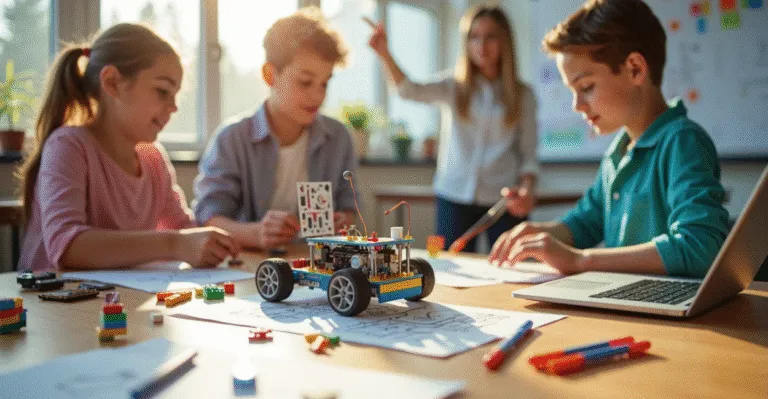
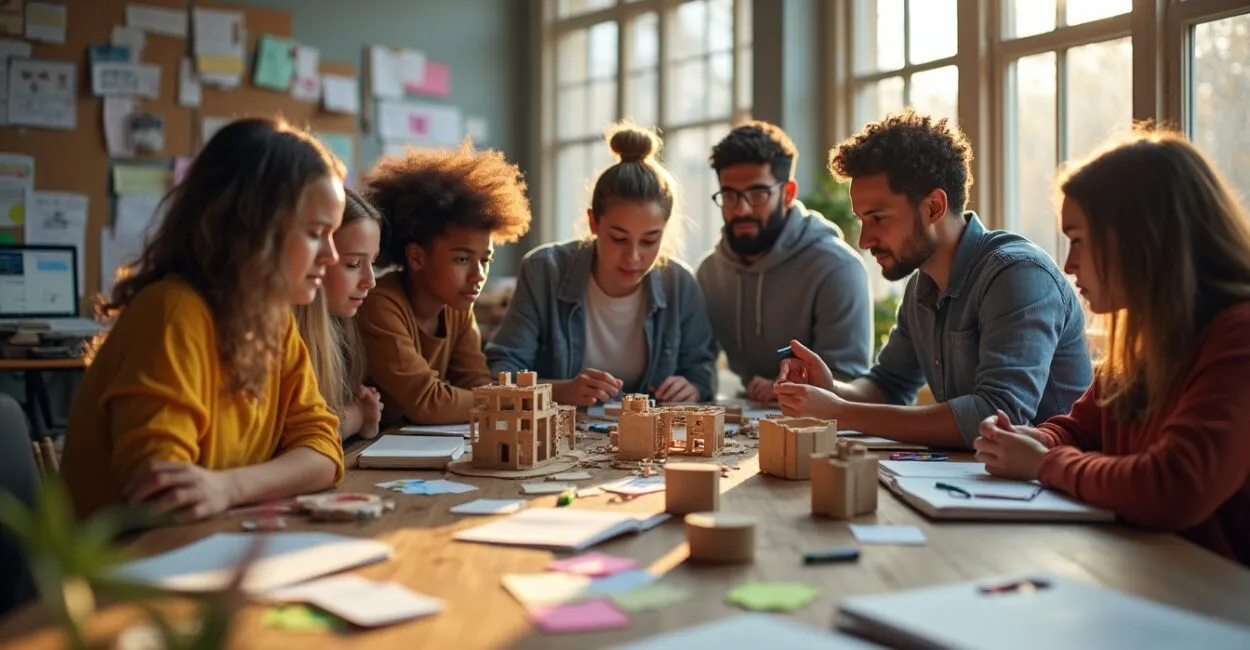
Project-based learning (PBL) encourages students to solve real-world problems, fostering independence and the practical application of knowledge. Through project work, students develop research, planning, and presentation skills valued in both the workplace and academic life. In PBL, the teacher acts as a guide, setting goals and assessment criteria while students investigate, test, and refine solutions. This approach supports interdisciplinary learning and the use of varied materials, such as data, interviews, and prototypes.
Related concepts such as active learning, collaborative learning, and formative assessment naturally fit into PBL, connecting curriculum goals with meaningful experiences. Digital resources and hands-on workshops expand the possibilities for teaching and learning.
Active Learning and Gamification
Active learning puts students at the center of their education through techniques such as debates, case studies, and games. Gamification uses game elements—points, challenges, and levels—to increase engagement and persistence with academic tasks. Together, active learning and gamification enable rapid feedback cycles, support intrinsic and extrinsic motivation, and develop skills such as problem-solving. Teachers can use digital platforms, challenge boards, and badges to recognize progress.
Related approaches such as problem-based learning, the flipped classroom, and hands-on workshops broaden this range of teaching strategies, connecting curriculum content with engaging, technology-supported activities.
Blended Learning and the Flipped Classroom
Blended learning and the flipped classroom reorganize time and space: lecture-style content is delivered outside the classroom, while in-class time focuses on applied activities. This approach makes more room for interaction, individualized support, and collaboration. These models require planning short digital lessons, activity guides, and accessible multimedia resources. Learning management systems (LMSs), short videos, and formative quizzes help teachers monitor understanding and guide instructional decisions.
Related concepts include personalized instruction, the educational use of technology, and asynchronous learning, all of which support the goal of making learning more student-centered and focused on meaningful outcomes.
- Set clear objectives: Define the skills students should develop and the evidence of learning you expect.
- Choose an approach: Select PBL, gamification, or blended learning based on your needs.
- Design activities: Create steps, materials, and assessment criteria.
- Implement in cycles: Use the approach in short units, gather feedback, and make adjustments.
- Assess and reflect: Use rubrics, self-assessment, and revisions to improve.
Practical Strategies for Using Creative Teaching Methods
Designing Student-Centered Activities
Designing student-centered activities means considering students’ interests, cognitive levels, and learning preferences. Start with thought-provoking questions that connect the content to students’ everyday lives, making learning more meaningful and engaging. Activities should include clear roles, accessible materials, and assessment criteria. Adapt tasks to different paces and skill levels to ensure every group has the right balance of inclusion and challenge.
Concepts such as differentiation, scaffolding, and classroom routines help structure these practices, supporting independence, collaboration, and steady skill development over time.
Integrating Educational Technology
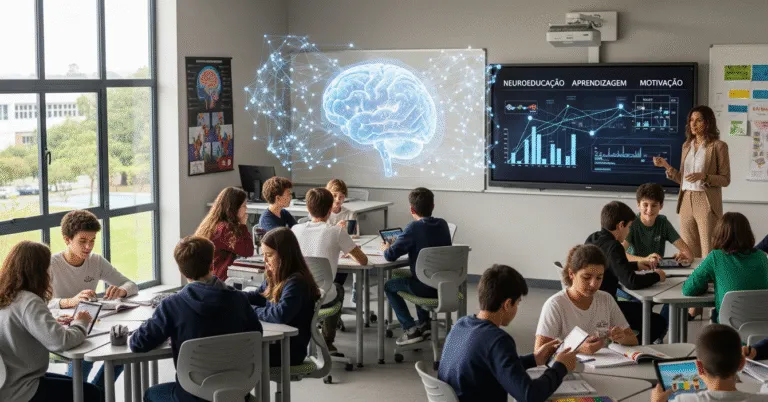
Educational technology expands the resources available to teachers: simulators, collaborative digital boards, and assessment platforms make learning more interactive. Choose tools that align with your goals, without letting technology replace sound pedagogy. Use apps for coauthoring, digital concept maps, and formative question banks. Tools with reporting features help identify learning gaps and tailor interventions.
Related concepts such as LMS platforms, remote learning, and multimedia resources complement this strategy by connecting content, practice, and educational data analysis.
Formative Assessment and Ongoing Feedback
Formative assessment is a key part of creative teaching methods: it allows teachers to adjust instruction in real time based on observations, quizzes, and drafts. Ongoing feedback supports development and helps close learning gaps before summative assessments. Use brief check-ins, clear rubrics, and self- and peer assessment to strengthen metacognition. Feedback should be specific, actionable, and focused on success criteria to encourage improvement.
Related concepts such as competency-based assessment, portfolios, and evidence of learning help document progress and plan targeted interventions.
| Strategy | Instructional focus | Practical example |
|---|---|---|
| PBL | Problem-solving | A project on local sustainability |
| Gamification | Motivation and retention | Weekly missions with badges |
| Flipped classroom | In-class application | Short videos + in-person workshops |
Educational Benefits of Creative Teaching Methods

Improved Engagement and Motivation
Creative teaching methods boost engagement by making tasks meaningful and challenging. When students see a purpose and have a sense of autonomy, they invest more cognitively and emotionally in the activities.
Hands-on activities, games, and projects connect content to real-world contexts, sparking curiosity and persistence. The results include more active participation, fewer disruptive behaviors, and a positive classroom environment.
Terms such as learning retention, behavioral engagement, and intrinsic motivation describe these effects, which influence academic performance and student well-being in the medium and long term.
Developing 21st-Century Skills
Creative practices promote skills such as collaboration, communication, critical thinking, and creativity. These transferable skills are essential for adapting to the workplace and participating in society.
Interdisciplinary projects and authentic assessments give students opportunities to practice solving complex problems, negotiating, and presenting results, preparing them for real-world challenges.
Related concepts include digital literacy, critical thinking, and citizenship, all of which are integrated into competency-based learning and whole-child education.
Inclusion and Personalized Learning
By using a range of methods, teachers can accommodate different learning paces and preferences, promoting inclusion. Creative strategies offer multiple ways for students to demonstrate what they know, including portfolios, presentations, and prototypes.
Adaptations and multimodal resources reduce barriers for students who need extra support and create more opportunities for advanced students to progress. This approach values diversity and equity in education.
Related concepts include differentiated instruction, accessibility, and personalized learning, all of which are essential for schools seeking greater equity and better outcomes.
Step-by-Step Planning and Implementation of Creative Methods
Assessing Needs and Setting Goals
Start with an assessment: identify the class’s proficiency levels, interests, and learning gaps. Data can come from diagnostic assessments, observations, and student interviews. Use these findings to set priorities and determine necessary adaptations.
Set clear learning goals, success criteria, and desired evidence of learning. Goals aligned with the curriculum and competency standards make assessment easier and help you communicate with the school community.
Concepts such as competency mapping, modular lesson plans, and learning objectives help structure planning and ensure alignment between intentions and classroom practice.
Teacher Training and Classroom Management
Teacher training is essential. Professional development in instructional design, technology use, and formative assessment strengthens implementation. Sharing practices among teachers supports faster adoption tailored to the school context.
Classroom management involves clear routines, organized materials, and grouping strategies. Establish expectations for collaboration and work time to keep creative activities focused and productive.
Related concepts include ongoing professional development, professional learning communities, and instructional leadership, all of which support lasting change in schools.
Monitoring, Evaluation, and Scaling
Track impact using indicators such as academic performance, engagement, and student feedback. Use qualitative and quantitative data to evaluate effectiveness and identify areas for improvement. Ongoing adjustments improve quality.
To scale successful practices, document routines, resources, and evidence, then share them with professional networks and school leaders. Controlled pilots make gradual, sustainable expansion easier.
Concepts such as learning indicators, rubric-based assessment, and scaling plans connect classroom practices to institutional policies and help ensure continuity.
- Involve students in planning
- Use frequent formative assessments
- Document and share evidence
- Adapt based on feedback
- Scale up from pilot programs
Resources, Examples, and Sustainability of Creative Methods
Instructional Resources and Digital Tools
Resources range from simple materials (poster board, kits) to digital platforms (LMSs, education technology tools). Collaborative tools, multimedia editors, and simulators enrich hands-on activities and project development.
Choose solutions that balance cost, accessibility, and educational impact. Prioritize tools that provide learning reports and integrate with existing school routines.
Related terms include resource repositories, open educational resources (OER), and authoring tools, which help teachers customize activities without compromising quality.
Repeatable Activity Examples
Repeatable activities include science fairs with prototypes, collaborative community maps, and design thinking challenges focused on local problems. These models encourage research, prototyping, and communication.
Adapt the duration and complexity to the class’s level: use short units to reinforce concepts and longer projects to integrate a wider range of skills. Schedule checkpoints for ongoing assessment.
Resources such as ready-to-use lesson plans, instructional sequences, and workshop guides give teachers a framework for implementing activities quickly and effectively.
Sustainability Policies and Partnerships
Sustainability depends on institutional support, ongoing professional development, and partnerships with universities, companies, and nonprofit organizations. These collaborations can provide resources, mentorship, and connections with the community.
Include parents and guardians in the learning process by sharing goals and results. Their involvement builds support for instructional change and strengthens its legitimacy.
Related concepts include school governance, project funding, and collaborative networks, all of which are essential for ensuring continuity and the ongoing development of these practices.
| Resource | Benefit |
|---|---|
| LMS platform | Monitoring and organization |
| Maker workshops | Hands-on learning and prototyping |
| Local partnerships | Resources and real-world experiences |
Conclusion: Implementing creative teaching methods boosts engagement, develops skills, and improves outcomes by connecting content with active learning. With planning, teacher training, and ongoing assessment, schools can transform classroom routines and make learning more meaningful.
Start small: choose an approach, pilot it for one unit, and gather evidence. Creative teaching methods require ongoing review, but they offer educational and social benefits. Try them, make adjustments, and share progress with the school community.
Frequently Asked Questions About Creative Teaching Methods
What Are Creative Teaching Methods, and Why Use Them?
Creative teaching methods include strategies such as project-based learning, gamification, and blended learning, which put students at the center of their education. They are used to increase motivation, promote critical thinking, and connect theory with practice. By encouraging interactive activities and assessment, these methods improve retention, develop social-emotional skills, and prepare students for real-world challenges, making education more relevant and effective.
How Can I Start Using These Methods in My Teaching?
Start by assessing your class and setting clear goals aligned with the curriculum. Choose an approach, such as PBL or the flipped classroom, plan activities with assessment criteria, and implement them in short units. Gather feedback, adjust routines, and document evidence. Ongoing professional development and partnerships can also support gradual, sustainable adoption and provide instructional guidance during implementation.
Which Technology Resources Are Most Useful?
Useful tools include LMS platforms for organization, collaborative editors for documents and mind maps, educational simulators, and formative quiz apps. Choose accessible resources that provide learning reports and fit into existing routines. The priority is pedagogical fit: technology should support teaching goals, not replace them. You can also look for OER repositories with free materials.
How Can I Assess the Impact of Creative Methods on Learning?
Use ongoing formative assessment, clear rubrics, and portfolios as evidence of progress. Combine quantitative data, such as quiz scores and grades, with qualitative data, such as observations and student feedback. Set success indicators and checkpoints throughout the project. Comparing traditional and innovative units, along with reports on engagement, can help demonstrate impact and guide improvements.
What Are Common Challenges, and How Can They Be Overcome?
Challenges include resistance to change, limited resources, and classroom time management. Address them with teacher training, collaborative planning, and controlled pilots. Seek partnerships for resources and adapt activities to your school context. Communication with parents and school leaders builds institutional support. Small steps and ongoing reflection help establish sustainable, effective practices.
Sources and further reading: UNESCO, Brazilian Government Portal, studies in educational journals, and public policy reports on instructional innovation.