
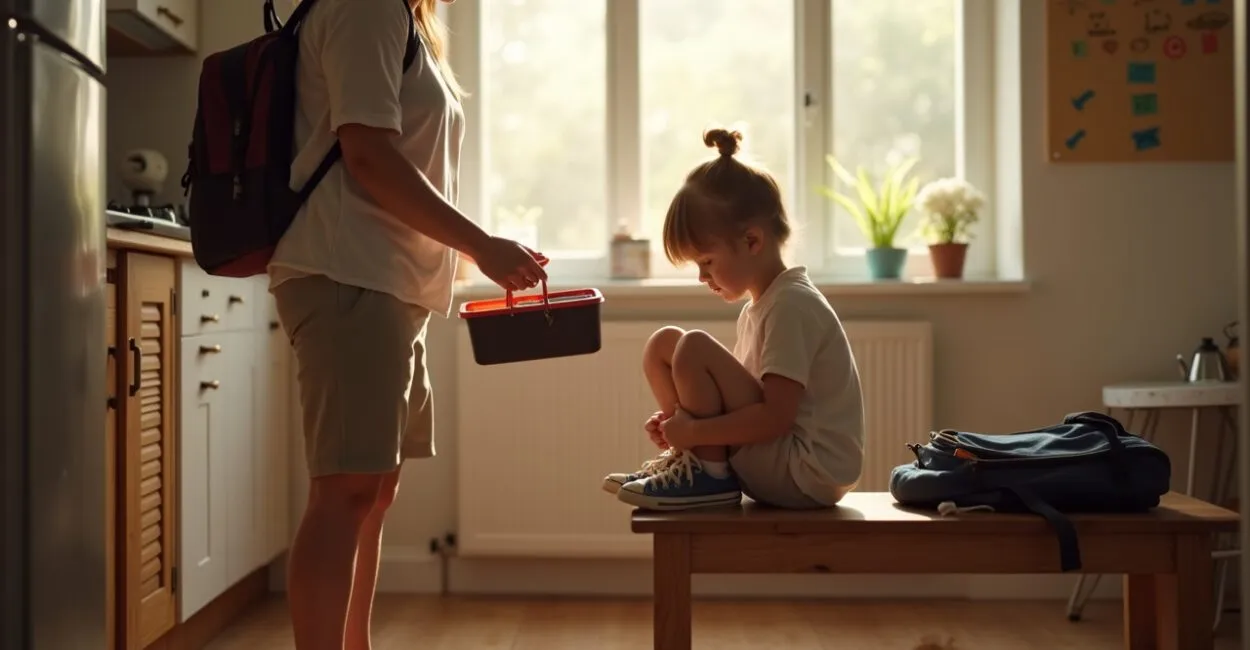
These are routines repeated in the first hours of the day to prepare the body and mind for schoolwork and social activities. For children and teens, they involve more than getting up on time: they include preparing school supplies, managing time, transition rituals, and small assigned responsibilities. Consistent routines create predictability, reduce family friction, and gradually build independence—all essential elements for academic performance and well-being.
Key Takeaways
- Short, predictable morning routines build independence and reduce school tardiness by turning tasks into automatic habits.
- Visual checklists and getting ready the night before reduce morning cognitive load and improve focus in the classroom.
- Assigning age-appropriate responsibilities (clear, gradually increasing tasks) builds accountability without overburdening parents.
- Brief 3–10-minute rituals (breathing, a quick review of tasks) improve emotional regulation and cognitive readiness.
- Simple time tracking and consistent feedback help habits take hold faster and make objective adjustments possible.
Why Morning Habits Are Key to School Independence
Morning habits shape students’ ability to take responsibility for their school routines. Repetition turns deliberate actions into automatic responses to the morning context. This frees up cognitive resources for learning instead of using them on basic decisions like “what to pack” or “did I brush my teeth?” Making fewer decisions in the morning is associated with better attention during the first classes and less family stress.

Effects on Cognitive Load
When families adopt predictable routines, they reduce the number of decisions needed after waking up. The theory of ego depletion suggests that repeated decisions use up mental resources; morning scripts can therefore reduce that demand. Studies in cognitive psychology show that automating sequences reduces the time it takes to act and supports better performance on later tasks. In practice, this means fewer forgotten items, less need for parental reminders, and greater student independence.
Impact on Academic Performance and Behavior
Children who internalize routines are absent and late less often, which translates into real learning gains over the school year. In addition, rituals that include checking school supplies reduce classroom disruptions caused by missing items. For teens, a well-structured morning routine supports more consistent study habits and greater responsibility for deadlines and projects.
Nighttime Checklists and Preparation: A Practical Head Start
Preparing the night before is the most cost-effective way to build effective morning routines. A simple checklist for a backpack, clothes, lunch, and planner can cut common forgotten items by 50–70%. It shifts decisions to a time when there is more time and less pressure. For families with tight schedules, shifting these tasks is key to reducing morning conflict.
Age-Based Checklist Template
- Ages 6–8: pack backpack, lay out clothes, pack lunch (parents check).
- Ages 9–12: pack backpack, make a to-do list for the day, check personal items (child checks).
- Ages 13–17: take full responsibility for backpack and planner; set a digital reminder when needed.
How to Implement a Checklist Without Pushback
Start with a visual checklist in a designated spot and review it for two weeks, using positive reinforcement. Use pictures for younger children and a written checklist for older ones. Reducing parents’ small, frequent interventions helps habits take hold faster. If there is resistance, agree on a transition period with clear goals and predictable consequences.

Time and Micromanagement: Timers, 10-Minute Routines, and Objective Tracking

Setting clear time limits turns vague actions into concrete goals. Visual timers or digital timers help children understand time limits and develop a healthy sense of urgency. Micro-routines lasting 3–10 minutes—such as “5 minutes to brush your teeth and get dressed”—improve efficiency without creating undue pressure. Tracking time for two weeks provides data to make realistic adjustments to the routine.
Practical Tools
Use physical timers, simple apps (such as a phone timer), and charts with time blocks. If students take the bus, align the routine with the bus schedule or departure time. Track average time per task and share it with the child; numerical feedback makes it easier to agree on goals and self-correct.
When to Be Flexible With Time
Not every day calls for the same pace. On days with tests or medical appointments, cut nonessential tasks and prioritize what’s needed to get to school on time. Teaching children to adjust their routines based on priorities is a key skill for long-term independence.
Assigning Age-Appropriate Responsibilities: From Guided to Independent
Responsibilities should be assigned based on a child’s motor, cognitive, and emotional abilities. Building independence doesn’t mean stepping away; it means handing over tasks with the right level of support. Mapping tasks to skills allows for safe, measurable progress. This process prevents frustration and helps children feel capable at each stage.
Practical Examples of Progression
- Beginning: Parents explain and demonstrate; the child completes the task with supervision.
- Intermediate: The child completes the task while parents observe and step in if needed.
- Advanced: The child completes tasks independently and reviews their checklist.
Common Mistakes When Assigning Responsibilities
Assigning tasks without clear instructions or expectations for checking the work is a common mistake. Another is taking responsibilities away after the first mistake. The right approach includes instruction, guided practice, feedback, and gradually increasing responsibility.
Transition Rituals for Emotional Regulation and Focus
Brief rituals—mindful breathing, five minutes of reading, or a positive review of the day—prepare the nervous system for learning. These rituals act as cues that tell the brain it’s time to study. They can be especially helpful for children with morning anxiety or trouble paying attention.
Simple Ritual Ideas
- Three minutes of breathing: sit down, inhale for 4 seconds, hold for 4 seconds, and exhale for 4 seconds.
- Three-point ritual: check the backpack, review the list, and praise self-management.
- Five minutes of reading: choose an easy text to engage with language without rushing.
How to Evaluate Effectiveness
Track indicators such as how long it takes to leave home, the number of forgotten items, and behavior during the first classes. If things improve within 2–4 weeks, the ritual is working. Otherwise, adjust its duration or timing, or involve a caregiver to provide initial support.
Tracking, Feedback, and Adjustments: Making Habits Sustainable
Simple tracking and consistent feedback speed up learning. Tracking tools can include a weekly chart on the kitchen wall or apps that mark completed tasks. The goal isn’t to punish, but to gather data that informs practical adjustments. Small, data-based changes increase follow-through and reduce family frustration.
Useful Indicators
| Indicator | How to measure | Practical goal |
|---|---|---|
| Late arrivals | Daily entry on a chart | Reduce by 50% in 4 weeks |
| Forgotten school supplies | Checklist completed before leaving | Average of ≤1 per week |
| Total morning time | Timer for each task | Stabilize within an acceptable range |
Constructive Feedback
Use objective language: “You forgot notebook X today; what could you do to prevent that?” Avoid moral judgments. Recognize small wins and adjust goals if needed. This approach turns data into real skills.
Resources and Evidence: Where to Find Support and Information
Reliable sources help provide a foundation for these practices. Reports on child health, sleep guides, and studies on habits show that consistency and predictability are essential. For population data, IBGE, Brazil’s national statistics agency, provides sociodemographic context. Reviews in developmental psychology describe how task sequences become automatic. Use school materials and local school guides to align routines with curriculum requirements.
Helpful Links
Check sleep guidance from sources such as the CDC and articles from universities on helping children stay organized. For behavioral strategies, reviews in journals such as the Journal of Applied Developmental Psychology offer studies on routine-based interventions.
When to Seek Professional Help
If a student continues to have an irregular sleep schedule, persistent tardiness, or difficulty regulating emotions despite following routines for 8–12 weeks, consult a pediatrician, child psychologist, or school counselor. Professionals can assess medical causes, sleep disorders, or learning issues that may require specialized support.
How to Apply These Strategies
Choose one simple change to start: use a nighttime checklist for 14 days and track late arrivals. Set clear, age-appropriate responsibilities and use a morning timer. Record results weekly and adjust goals. By focusing on small wins, you can turn micro-habits into lasting independence. A gradual approach reduces resistance and builds real responsibility—not just temporary compliance.
Putting these practices into action takes persistence. The family should agree on expectations and feedback. Within 6–8 weeks, you may see fewer conflicts and better academic performance. If needed, consult professional resources and experts to tailor strategies to the child’s specific situation.
How Can You Adapt Morning Habits for Children Who Go to Bed Late or Resist Getting Up?
Make changes gradually: move bedtime up by 10–15 minutes each night until you reach the ideal time; establish a screen-free routine 30–60 minutes before bed; use bright light in the morning and encourage light physical activity after waking. Use positive reinforcement when weekly goals are met and a nighttime checklist to reduce morning decision-making. If problems persist after 6–8 weeks, consult a pediatrician to rule out sleep disorders.
Which Digital Tools Work Best for Tracking Morning Checklists?
Simple checklist and timer apps work well: they offer reminders, timers, and a way to track completed tasks. Gamified tools can help children stay engaged, while digital calendars and customized alarms can build responsibility in teens. The key is to choose a solution that doesn’t make the child dependent on parents and allows for weekly data reviews. Consider privacy and family preferences when selecting apps.
How Can Parents and Children Divide Morning Tasks Without Conflict?
Set clear, gradual expectations: start with small, specific tasks for the child while parents provide supervision. Use written agreements or visual charts to show responsibilities and natural consequences. Recognize progress with objective feedback and avoid emotional punishment. If there is resistance, agree on short-term goals with appropriate rewards, and reduce parental involvement as the child demonstrates competence.
How Long Does It Take for Morning Habits to Become Automatic in Children and Teens?
It varies. Research indicates that habit formation takes 18 to 66 days in adults, depending on the level of complexity; in children, it may take less time with daily practice and consistent support. For simple routines, 3–6 weeks is a realistic estimate; complex sequences may take 8–12 weeks. The keys are daily repetition, immediate feedback, and data-based adjustments. Persistence and positive reinforcement speed up the process.
What Common Mistakes Make Morning Habits Hard to Sustain?
Common mistakes include vague expectations, lack of tracking, excessive punishment, and constantly changing the rules. Another is handing over responsibilities abruptly without instruction. To make habits stick, use clear goals, visual checklists, regular tracking, and positive reinforcement. Allow for mistakes and make gradual adjustments. If children aren’t told why a task matters, they’re less likely to internalize the habit over the long term.
Artigos Relacionados
 Morning Routine: 6 CEO Habits That Actually Work
 School Autonomy: How to Build Independent School Routines
 School Entrepreneurship Builds Independence and Creativity
 Attention Teachers: Changes to the School Routine for Students with ADHD
 Phonics Teaching Methods That Build Fluent Decoding Skills
 Preschool Activities That Build Social Skills Every Day
