
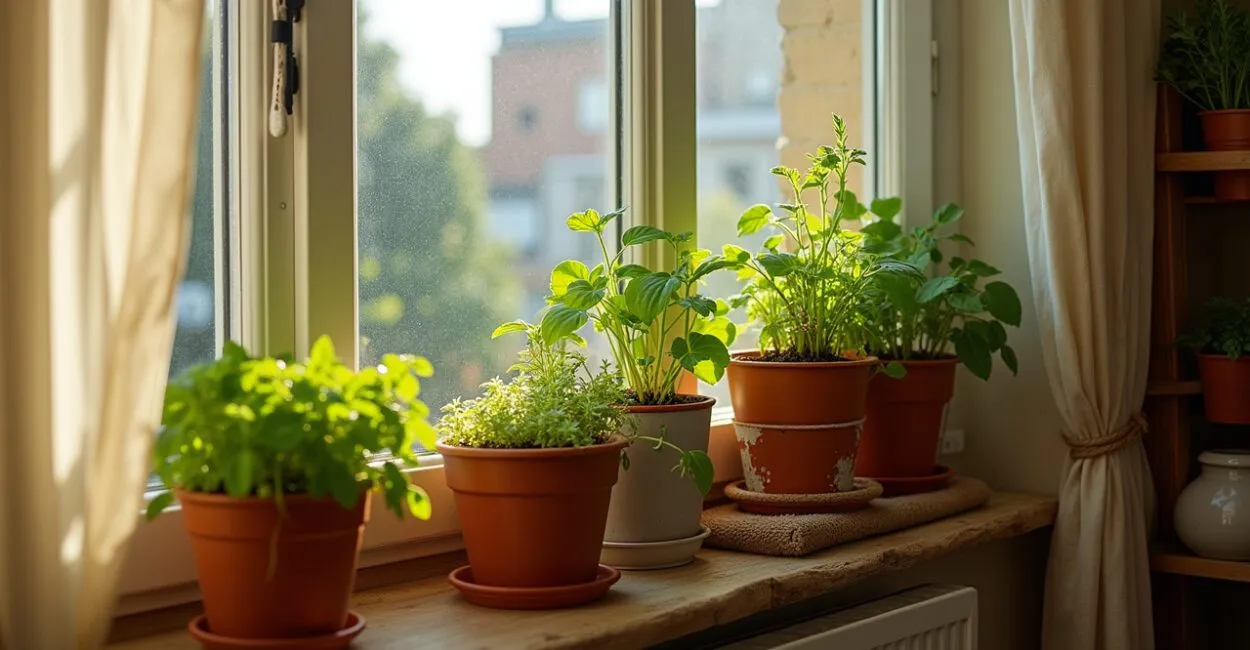
The crooked little pot on my windowsill turned into a mini farm in five days—and that’s how I learned that starting a small garden isn’t about having space; it’s about using the right space. If you want fresh greens without becoming a full-time gardener, read to the end: you’ll find a straightforward method, smart support ideas, and a plan that delivers visible results in just a few days.
Start Where No One Thinks It’ll Work: A Vertical Garden
Growing vertically is the fastest way to multiply your usable space. A shelf, a pallet mounted on the wall, or even a system of stacked plastic bottles can turn 1 m² into several garden beds. Plant herbs, lettuce, and strawberries on the upper shelves, and deeper-rooted crops in larger pots. A practical example: three 12-inch shelves can produce as much as a 5-foot planter while taking up less space than a living room rug.

The Support That Saves Your Plants (and Your Time)
Simple supports cut down on maintenance. Use trellises for long-stemmed herbs, hooks for hanging pots, and planting towers for microgreens. A well-designed support means less watering, pruning, and disease because it improves airflow and sun exposure. Build one with inexpensive materials: wooden strips, galvanized wire, and fiber baskets—all lightweight and durable. The result: less time working the soil and more consistent harvests.
Potting Mix That Delivers Results in Days

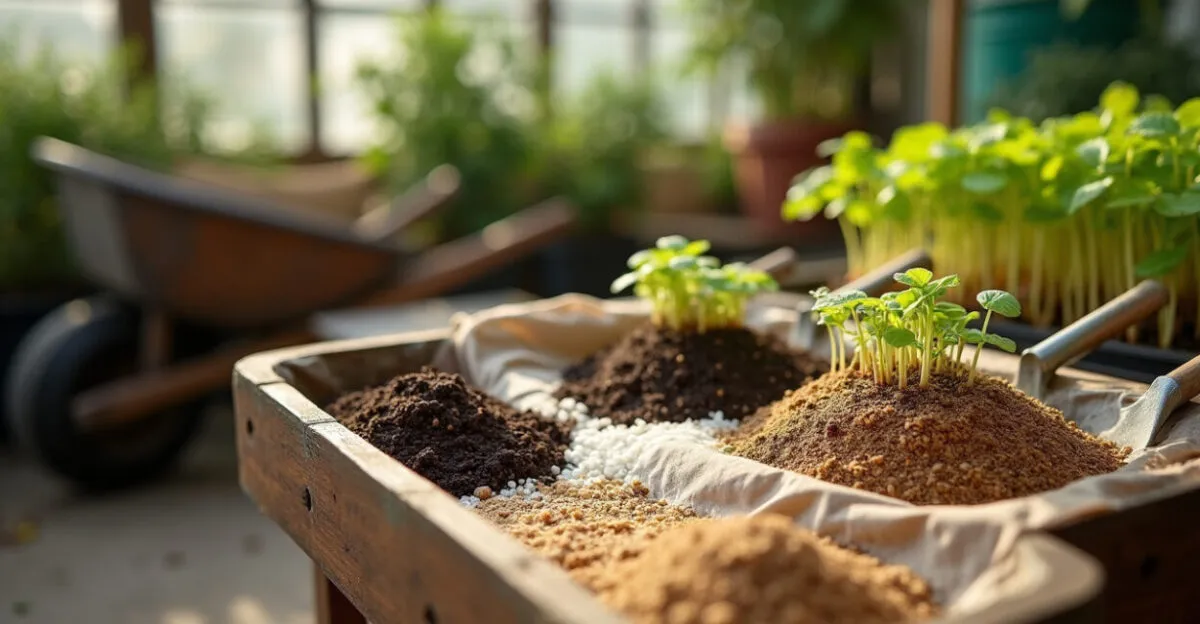
The right mix can mean the difference between wilted leaves and a weekend harvest. Combine 40% topsoil, 40% organic compost, and 20% perlite or coarse sand for drainage. This potting mix speeds up root growth and prevents rot. For faster growth, add a balanced liquid fertilizer every 10–14 days during the first few weeks—and watch your seedlings double in size in less than a week.
A Minimal Watering Routine: Just the Essentials
Overwatering kills plants. Here’s a simple rule: Check the soil 1 inch down; if it’s dry, water. Use a watering can with a narrow spout, and try to water in the morning. To reduce watering, cover pots with straw or coconut coir. This conserves water and protects roots from temperature swings. With mulch and the right potting mix, you can cut watering in half while also avoiding fungal diseases and pests caused by soggy soil.
What to Plant First for Results in Days
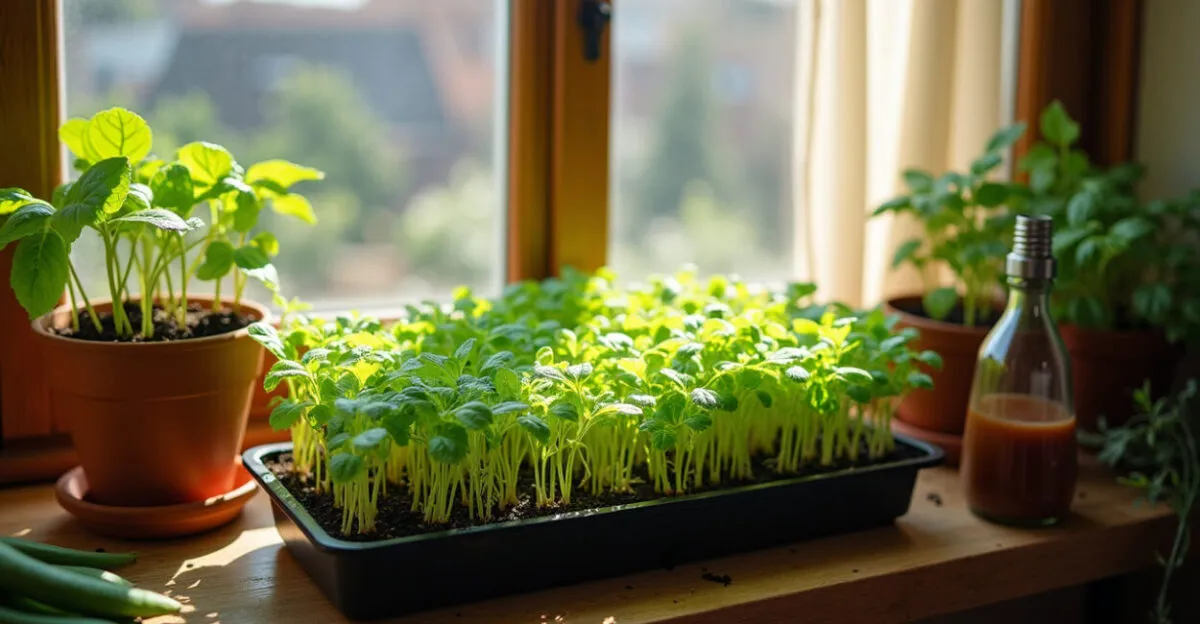
For a quick harvest, choose seeds and seedlings that grow fast: arugula, loose-leaf lettuce, green onions, basil, and microgreens. These plants show new leaves within days and do well in small pots. Sow microgreens in shallow trays; they’ll be ready to harvest in 7–12 days. Expectations vs. reality: don’t expect giant tomatoes in 10 days, but do expect fresh herbs and salad greens by the following week.
Common Mistakes That Ruin a Small Garden (and How to Avoid Them)
People make the same mistakes: overcrowding pots, overwatering, using poor potting mix, and forgetting about sunlight. Avoid these problems with a few simple rules: leave enough space between plants, use well-draining potting mix, rotate your pots, and check on your garden weekly. Don’t overfertilize seedlings, and don’t ignore signs of pests. Quick checklist: leave about 6 inches between seedlings, make sure pots have drainage holes, and add a tablespoon of compost per week to small pots.
A Mini Story: How a Balcony Garden Paid for Itself
In a 430-square-foot apartment, a friend put three pots on her balcony. Within 15 days, she had harvested enough green onions and basil to sell small bundles to her neighbors—earning back the cost of the seedlings with herbs to spare. She used a makeshift trellis and repurposed a rice bag as a decorative planter cover. This practical savings story shows that a small garden can offer profit, convenience, and stress relief, all at once.
For more on composting and potting mixes, Embrapa, Brazil’s agricultural research agency, offers practical guides. Research on efficient watering and water conservation is also available on university websites, including the University of São Paulo, which explains methods that reduce water use and increase productivity.
A Thought-Provoking Conclusion
If you think you need a plot of land to eat well, you’re missing the obvious: space is about mindset, not square footage. Start with a shelf, a pot, and a five-minute daily routine—in less than a week, your small garden will prove that all you had to do was begin.
How Much Space Do I Really Need to Start a Small Garden?
You can get started with less than 5 square feet. A narrow shelf or three pots on a windowsill are enough for herbs and leafy greens. The trick is to grow vertically and choose fast-growing plants that don’t need deep roots. Plan your setup to get at least 4–6 hours of direct sunlight or bright indirect light. With the right potting mix and a simple support, even this small area can provide weekly harvests and quick lessons without taking over your apartment.
Which Plants Are Best for Quick Results?
Arugula, basil, green onions, loose-leaf lettuce, and microgreens are among the best choices for quick results. They sprout and grow quickly in shallow trays or small pots, and can handle changes in temperature and watering. Microgreens, for example, can be harvested in 7 to 12 days. For the best results, choose quality seeds, use well-draining potting mix, and stick to a regular light and watering routine without waterlogging the soil.
How Can I Avoid Overwatering When I’m Away for a Few Days?
Use mulch (straw or coconut coir) to reduce evaporation, and choose self-watering pots or use plastic bottles as reservoirs. Another option is to place pots on trays with water and a wicking material; plants will draw up what they need. Before you leave, water thoroughly and move pots to partial shade if the weather is very hot. With moderate temperatures and moisture-retentive potting mix, most herbs can go 5 to 10 days without intensive care.
Do I Really Need Fertilizer? How Often Should I Use It?
Yes, but use it sparingly. For a small garden, apply a balanced liquid fertilizer every 10–14 days during the first few weeks, then cut back as the plants grow. Too much fertilizer in small pots can burn roots and reduce productivity. You can also add a tablespoon of well-rotted compost to each pot every two weeks. Watch how the leaves are growing: slow growth may indicate a nutrient deficiency, while scorched leaves can mean you’ve applied too much.
Can I Start a Small Garden with Plants Bought at the Grocery Store?
Yes, many grocery-store plants do well, especially herbs and lettuce, and they’re a quick way to get started. Transplant them carefully, gently loosening the root ball and using well-draining potting mix. Don’t plant them in pots without drainage holes. Already-rooted plants often adapt quickly and shorten the wait until your first harvest. Combine seedlings with a few seeds to maximize variety and save money.
Artigos Relacionados
 Quick and Easy Lesson Planning Tips for Beginners
 Start an Apartment Garden From Scratch: A 1-Hour Method That Works
 Delicious Fruit Salad: A Complete, Easy-to-Follow Guide
 Homemade Strawberry Tart: An Easy, Classic Recipe
 Integrated Livestock Farming: Efficient Management on Small Acreages
 Succulents: Easy Indoor Plants and Care Tips
