
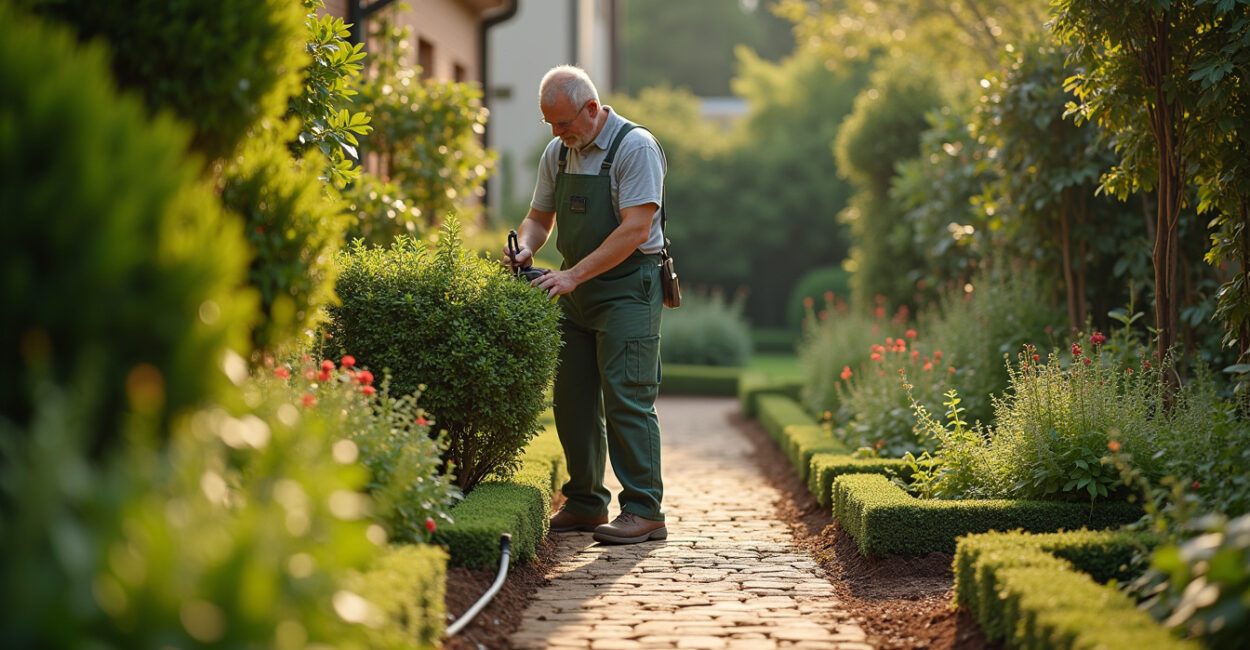
A well-maintained garden doesn’t happen by accident. Behind every balanced flower bed, perfectly timed pruning, and healthy plant is a gardener who reads the environment, fixes problems, and addresses issues before they arise. When this work is done well, the space becomes more attractive, comfortable, and safe—and can even increase a property’s value.

In practice, the job involves much more than watering and trimming leaves. It takes knowing when to prune, how to fertilize, which species thrive in sun, shade, and different soils, and how to spot signs of pests, fungi, and water stress. This article explains what gardeners do, which skills really matter, and how the career can grow through technical knowledge and consistency.
What You Need to Know
- A gardener’s work combines technical skill, observation, and routine; without ongoing maintenance, a garden quickly loses its vitality.
- Improper pruning, overwatering, and fertilizing at the wrong time are among the mistakes that do the most damage to ornamental plants.
- Knowing the soil type, sun exposure, and how each species behaves matters more than following generic rules.
- Gardeners who master pest management, drip irrigation, and maintenance schedules deliver better results and can charge more.
- In residential and corporate gardens, service quality shows in the plants’ health and in how predictable maintenance is.
A Gardener’s Work and What the Job Really Involves
Technically speaking, a gardener is responsible for managing, maintaining, and developing green spaces, focusing on ornamental plants, lawns, flower beds, and small shrubs. Put simply, a gardener keeps a garden healthy and attractive without letting it become a patchwork of quick fixes.
The routine usually combines recurring tasks with quick decisions. One day starts with watering and cleanup; the next, the priority may be shaping plants, replanting, controlling mealybugs, or improving the growing medium. Anyone who does this work knows that a garden “speaks” before it gets sick: yellowing leaves, waterlogged soil, weak shoots, and uneven growth usually provide warning signs before a plant is lost.
The Tasks You’ll Do Most Often
- Pruning for cleanup, shaping, and size control.
- Applying organic or mineral fertilizers, depending on the plant’s needs.
- Weeding, removing debris, and organizing flower beds.
- Watering by hand or with an automated system.
- Monitoring for pests, diseases, and poor growth.
There’s a big difference between caring for a residential garden and maintaining corporate properties, apartment complexes, or public parks. In public and shared spaces, consistency matters more: clients want fewer surprises, less rework, and a stable appearance throughout the year.
Hands-On Techniques: Pruning, Soil, Irrigation, and Fertilizing
The work improves significantly when a gardener understands four key elements: pruning, soil, water, and nutrients. These factors don’t act in isolation. Improper pruning can weaken a plant; overwatering can compact the soil; too much fertilizer can burn the roots; and poor growing medium can limit any attempt to restore a plant.
What separates a healthy garden from a struggling one isn’t the type of plant—it’s the right balance of water, soil, light, and timely maintenance.
Pruning Without the Mystique
Pruning isn’t just “cutting things to make them look nice.” It helps control a plant’s shape, encourage new growth, remove diseased parts, and prevent excessive shade. The practical rule is simple: every species responds differently, and pruning at the wrong time of year can reduce blooms, weaken the plant, or create openings for infection.
Soil and Growing Medium Matter More Than You Think
Compacted soil with poor drainage is often a hidden problem. A plant may stay green for a while, then start to lose vigor. In many cases, improving the soil structure does more good than repeatedly applying fertilizer.
For technical information, consult soil management and cultivation resources from Embrapa, Brazil’s agricultural research agency. Guidance from UFRGS, the Federal University of Rio Grande do Sul, on agronomy and applied botany is also useful, as are agricultural extension guides from public universities.
Watering and Fertilizing with Care
More watering doesn’t mean better watering. In pots and flower beds, excess water suffocates roots and encourages fungal growth. Fertilizing should follow the plant’s growth cycle: encouraging rapid growth at the wrong time can throw the garden off balance.
In larger areas, drip irrigation often delivers better results because it reduces waste and waters the roots rather than the foliage. This helps control disease and makes better use of water—an increasingly important consideration in cities where water use is more restricted.
How to Spot Pests and Diseases Before the Damage Spreads

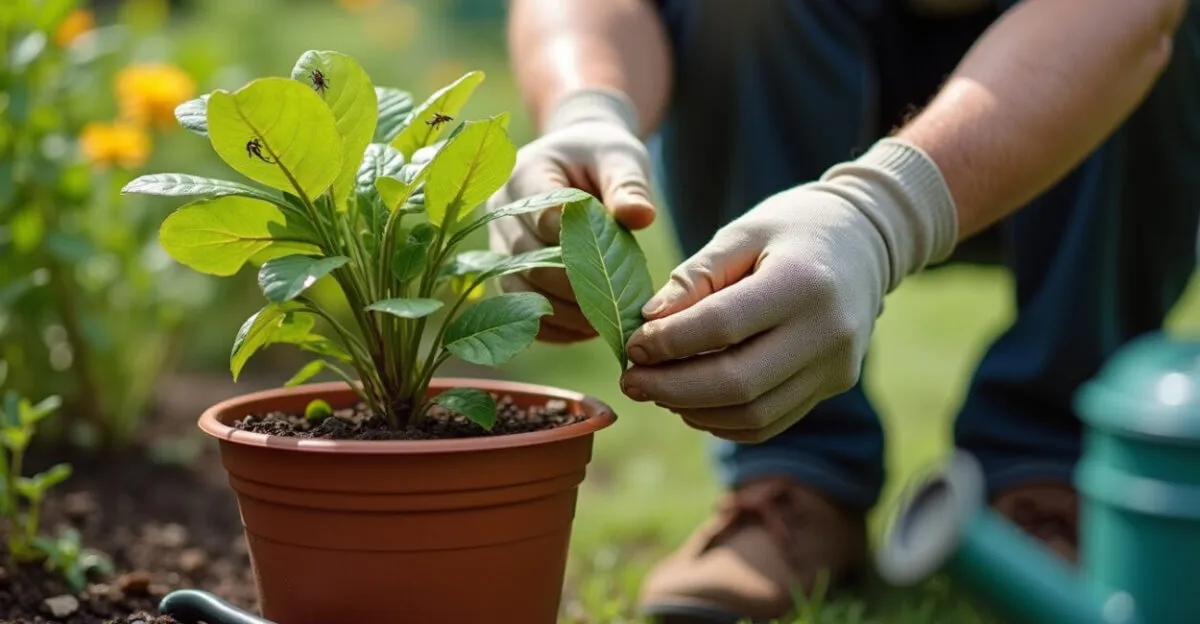
The biggest mistake is waiting until a plant is practically “screaming” before taking action. When an infestation is already obvious, recovery takes longer and costs more. In practice, leaf spots, sooty mold, distorted shoots, and tiny moving specks on the undersides of leaves often point to problems with mealybugs, aphids, or spider mites.
There’s no single solution for every problem. In some gardens, cultural controls are enough: remove damaged parts, adjust watering, improve airflow, and increase light. In others, control measures need to be more thorough and follow professional guidance, especially when the infestation has spread.
Pest control works best when it starts with a diagnosis—and fails when it becomes a late reaction to visible damage.
Warning Signs That Need Immediate Attention
- Yellowing leaves while the soil stays wet for several days.
- Dark spots that spread quickly.
- New leaves that are twisted or shriveled.
- Sticky residue, black mold, or tiny white specks.
- Branches drying out for no apparent reason.
For a deeper dive into the technical side, research from Brazil available through SciELO covers plant health, integrated pest management, and how ornamental species respond to environmental stress.
Tools, Equipment, and Everyday Safety
A good gardener doesn’t need a huge collection of tools, just the right equipment. Sharp pruning shears, an appropriate pruning saw, sturdy gloves, a watering can, a hose, a rake, a shovel, and a sprayer cover much of the daily work. As the space grows, the equipment may include a brush cutter, leaf blower, garden cart, and automatic irrigation systems.
Must-Have Tools
| Tool | Primary use | Practical note |
|---|---|---|
| Pruning shears | Clean, precise cuts | Keep them clean and sharp |
| Rake | Clearing leaves and light leveling | Helps keep flower beds organized |
| Sprayer | Applying solutions and treatments | Requires accurate measurements |
| Gloves and safety glasses | Personal protection | Help prevent cuts and irritation |
Safety matters more than many people realize. Minor cuts, slips on wet surfaces, and exposure to improperly used products are common during green-space maintenance. Following procedures for cleaning, disposal, and personal protection saves time in the long run and helps prevent unnecessary work stoppages.
How to Build a Successful Career
Career growth comes not only from accumulated experience but also from technical knowledge and client trust. A gardener who learns to identify species, follow pruning schedules, understand basic landscape design, and manage irrigation can solve bigger problems and take on higher-value projects.
A practical difference shows up in pricing: ongoing maintenance, lawn care, and flower-bed restoration can provide recurring income, while one-off jobs tend to be less predictable. That’s when a gardener stops selling only physical labor and starts offering reliability, preservation, and results.
A Realistic Example
At a small apartment complex, the work started with weekly cleanup and basic pruning. After three months, spots appeared on the shrubs and bare patches developed in the lawn. The gardener adjusted the irrigation, replaced some of the growing medium, and reorganized the fertilizing schedule. The results didn’t come by magic—they came from a routine focused on fixing the cause, not just improving appearances.
That’s the turning point. People who understand plant life cycles become known as technical experts, not just workers who carry out tasks.
When to Hire a Professional and When to Do It Yourself
Not every garden needs a full crew, but certain signs show when the work has moved beyond the amateur level. If the garden has medium-sized trees, recurring pest problems, an uneven lawn, or sensitive species, the risk of making a mistake rises quickly. For small, simple spaces, at-home maintenance can work well with discipline and basic knowledge.
There’s a clear limit: this approach works best in predictable gardens and falls short when the space has many different species, poor soil, or little time available for maintenance. In those cases, hiring someone who can assess the space technically often costs less than fixing problems later.
Small gardens are more forgiving; mature gardens charge interest on every bit of neglect.
If you want to recognize good service, look for three things: regular visits, clear guidance, and the plants’ actual health over time. Immediate appearance matters, but the real test comes weeks later.
Next Steps for Those Who Want to Work in the Field
If you want to enter this profession, start by getting the basics right: learn about ornamental species, practice careful pruning, understand how to water without overdoing it, and see how soil responds to different kinds of care. After that, consider courses in landscape design, professional gardening, and green-space maintenance to build your knowledge and improve your organizational skills.
The smartest approach is to see a garden as a system, not just a collection of individual plants. This perspective leads to better decisions, less wasted material, and work clients can notice right away and enjoy for much longer.
Frequently Asked Questions
What’s the difference between a gardener and a landscape designer?
A gardener carries out and maintains the day-to-day work in a green space, including pruning, watering, cleanup, and plant health. A landscape designer plans the space, choosing its layout, plant species, and overall look. In many projects, the two roles complement each other.
What skills does a good gardener need?
A gardener needs a keen eye, good hand coordination, and the ability to spot signs of stress in plants. It also helps to know about pruning, watering, fertilizing, and basic plant health. Organization matters because the routine rarely looks the same from one day to the next.
How long does it take for a garden to show results?
It depends on the garden’s starting condition. Flower beds that receive proper care can look better within a few weeks; restoring neglected areas may take months. Plants grow in cycles, so some results only appear with ongoing maintenance.
What does the most damage to a well-maintained garden?
Overwatering, pruning at the wrong time, and unbalanced fertilizing are among the most common mistakes. Failing to monitor plants also causes problems, since pests and diseases can spread quickly when they go unnoticed. Often, a small issue becomes a big one because it wasn’t addressed in time.
Do you need a course to work as a gardener?
It isn’t required in every setting, but training can make a real difference in service quality and client confidence. Courses in gardening, landscape design, and plant care can help you charge more and work with more demanding clients. In practice, technical knowledge reduces mistakes and rework.
Artigos Relacionados
 Pharmacist: A Complete Guide to the Profession and Career Opportunities
 Photographer: The Complete Guide to Mastering the Profession
 Pulmonologist: A Complete Guide to the Profession and Career
 Professional Development Courses: A Complete Guide to Advancing Your Career
 Film Director: A Complete Guide to Starting Your Career in Film
 Fashion Designer: A Complete Guide to Building a Successful Career
