
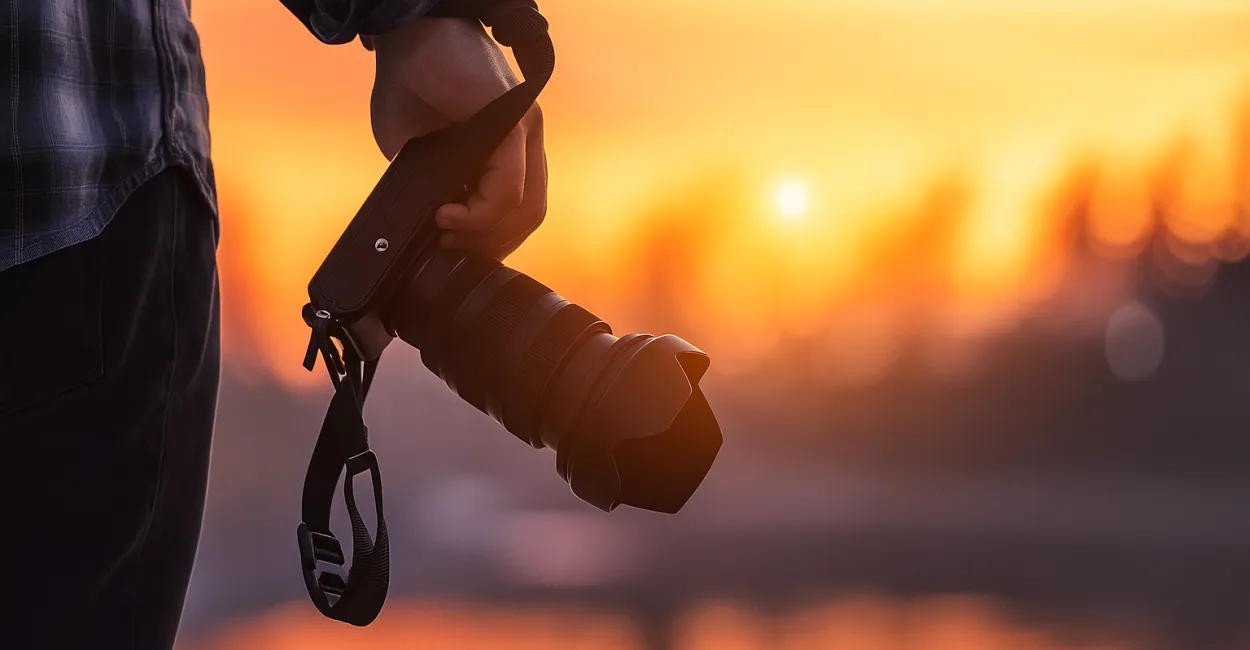
Being a photographer is about more than pressing the shutter button. It means turning light, time, and composition into images that inform, sell, or move people—and doing it consistently, not by chance.

The profession calls for visual fluency, technical skill, and the ability to read a scene quickly, because every decision affects the final result.
In practice, anyone who works in photography knows that a great portrait, event gallery, or product shot rarely comes from “pure talent” alone. It takes a process: understanding the camera, choosing a lens, controlling the light, directing people, and delivering a file suited to its intended use.
Below, you’ll learn what defines the work, where the opportunities are, and which skills really make a difference.
Quick Summary
- Professional photography combines technical skill, creative direction, and market awareness; without all three, the work may fall flat visually or commercially.
- The most sought-after photographers usually master a clear niche, such as portraits, events, advertising, food, or brand content.
- Light has the biggest impact on the final result. An expensive camera helps, but it can’t make up for poor lighting control.
- A strong portfolio, good client service, and reliable delivery matter just as much as visual quality when it comes to booking clients.
- People who enter the field without a clear position tend to compete on price; those who define a specialty tend to compete on value.
Photographer: What They Do, the Skills They Need, and Where They Work
Technically, a photographer is a professional who plans, captures, and finishes images for artistic, documentary, advertising, or commercial purposes. In everyday terms, a photographer solves visual problems using a camera, light, and composition—and does so with a clear goal, not just to “take pretty pictures.”
The work varies considerably by setting. In advertising, the job calls for precise control of light, color, and delivery. At events, the challenge is anticipating moments and working quickly. Portrait photography involves directing poses and expressions and building rapport with clients. For product photography, precision comes first: texture, color, reflections, and cropping all need to fit the brand’s identity.
What separates a good image from a professional one isn’t just sharpness—it’s a visual intention carried through consistently.
Where the Work Usually Happens
- Studio: Portraits, fashion, still life, campaigns, and controlled photo shoots.
- Events: Weddings, birthday parties, conferences, corporate events, and concerts.
- On location: Family sessions, editorial work, travel, architecture, and environmental portraits.
- Digital and brands: Social media content, e-commerce, product launches, and campaigns.
The market is also hybrid. Many people start in one niche and move into another over time after discovering where the margins are better, demand is stronger, or the work is more enjoyable. This is common among people who start as hobbyists and discover that the business side matters just as much as the creative side.
Light, Composition, and Gear: The Foundation of a Great Image
Light is photography’s most important element because it defines shape, contrast, texture, and mood. Without a good understanding of light, even an advanced camera can produce lifeless images. That’s why mastering natural and artificial light is more valuable than collecting gear.
The Three Elements That Have the Biggest Impact
- Exposure: The combination of aperture, shutter speed, and ISO.
- Composition: How elements are arranged within the frame.
- Color: Color temperature, white balance, and visual harmony.
Beginners tend to overvalue the camera body and undervalue the lens. In practice, a good lens can change the look of an image more than switching to a different camera model. Focal length affects perspective, aperture affects background blur, and optical quality influences contrast and perceived sharpness.
If you want to build a solid foundation, the smartest approach isn’t to buy everything at once. Learn what each piece of gear can do: a 50mm lens for portraits, a 24–70mm for versatility, a dedicated flash for lighting control, and a reflector to soften shadows. Add the rest as your work calls for it.
If you want to dig deeper into the technical fundamentals, check out resources like Cambridge in Colour, which clearly explains exposure and color, and Adobe’s photography learning hub, which helps connect image capture with editing workflows.
How to Choose a Niche Without Falling Into the “I Do Everything” Trap

Choosing a niche doesn’t mean locking yourself into one thing forever. It means telling the market clearly which problem you’re best at solving. That gets you to the right clients faster, strengthens your portfolio, and makes pricing easier.
People who try to serve everyone tend to have a generic pitch and an unfocused portfolio. Clear positioning can support higher rates because it reduces the client’s perceived risk. A food photographer doesn’t just sell pictures; they sell visual appeal. An event photographer doesn’t just sell coverage; they sell lasting memories clients can count on.
Common Niches and What Each Requires
| Niche | Main focus | Biggest challenge |
|---|---|---|
| Portraits | Expression, posing, and connection | Directing people |
| Events | Key moments and comprehensive coverage | Speed and anticipation |
| Products | Color, texture, and consistency | Technical precision |
| Advertising | Concept and art direction | Maintaining brand consistency |
| Digital content | Volume and speed | Production pace |
There’s an important distinction: a niche isn’t the same as a creative limitation. It’s a commercial focus. You can photograph more than one kind of subject, but you need a clear point of entry. The market understands specialization faster than it understands unfocused versatility.
Photographers who position their services around the problem they solve tend to sell more effectively than those who focus only on the camera they use.
Workflow: From the Shoot to Final Delivery
A professional image goes through several stages that extend well beyond pressing the shutter. The workflow usually includes a briefing, planning, shooting, selection, editing, and delivery. Each stage helps prevent mistakes, rework, and miscommunication with the client.
Steps That Have the Biggest Impact on the Final Quality
- Briefing: Understand the goal, how the images will be used, and the visual references.
- Pre-production: Choose the location, lighting, wardrobe, props, and schedule.
- Shooting: Work with technical skill and stay aware of the session’s pace.
- Post-production: Select images and adjust color, contrast, and skin tones as needed.
- Delivery: Export files in the right format for web, print, or a campaign.
I’ve seen entire shoots that seemed “good” but turned out to be useless because no one considered how the photos would be used. An Instagram image doesn’t need the same framing as an editorial cover. An e-commerce photo calls for a clean background and consistency; an executive portrait may need a more understated style. When the end use comes up late in the process, the work becomes less efficient.
In professional photography, editing can’t magically fix a bad capture. It enhances what was already done well. This approach works very well when the lighting and composition are right, but it falls short when the scene was poorly handled from the start.
If you want a broader perspective on the industry and creative production, the Bureau of Labor Statistics’ occupational overview helps put the profession’s roles and demands in an international context.
How to Build a Portfolio, Establish Credibility, and Set Your Rates Without Undervaluing Your Work
A portfolio is proof, not an album. It should demonstrate consistency, not sheer volume. Ideally, it brings together images that make your style, niche, and ability to deliver repeatable results clear.
What a Strong Portfolio Usually Includes
- Images aligned with the niche you want to work in.
- Consistency in color, editing, and visual style.
- Real client work, not just “test” shoots.
- Enough variety to show your range without losing cohesion.
Pricing isn’t just the number of hours worked plus the cost of a memory card. It accounts for experience, risk, complexity, commercial usage, and perceived value. A corporate portrait session may cost more than a long event because it involves direction, consistency, and a direct impact on the company’s image. A large event, meanwhile, may require a crew, backups, and logistics that increase costs.
Beginners often charge low rates to break into the market, but that can become a trap. Your starting price needs to cover your time, taxes, gear, post-production, and room to grow. If it doesn’t, your business becomes an expensive hobby.
Career, Market, and What Really Gets a Photographer Hired
Getting hired regularly depends less on being “good with a camera” and more on seeming reliable throughout the entire process. Clients want someone who responds quickly, explains how things work, meets deadlines, and delivers consistently. Skill gets attention; organization closes the deal.
Skills That Matter Most When Clients Are Hiring
- Clear communication before and after the session.
- The ability to understand a brief and turn an idea into an image.
- Consistent delivery, even under pressure.
- Professional conduct with clients, crew, and vendors.
Experts often disagree on one point: some argue that specializing narrowly is the only way to grow, while others see flexibility as a competitive advantage. The truth is usually somewhere in the middle. Specialization helps you sell. Diversification helps you weather slow seasons and build cash reserves. The key is not to combine the two in a confusing way.
It’s also worth remembering that the profession is constantly changing with technology. Smartphone cameras have raised the average quality of images, which has raised the bar in some market segments. That pushes photographers to compete on direction, concept, polish, and experience—not just access to equipment.
The Smartest Way to Grow in the Profession
If you want to build a sustainable career, focus on three areas at once: technical skill, positioning, and delivery. Improving only your visual work isn’t enough. Improving only the business side won’t sustain your work for long, either.
The most effective next step is simple: choose a priority niche, build a portfolio that fits it, and review your workflow from briefing to delivery. Then compare your setup with what the market actually needs, not just what looks good in your social media feed.
Photographers who treat photography as a process rather than improvisation build more stable careers. In the end, that’s what separates a talented amateur from a consistent professional.
Frequently Asked Questions
What does a photographer need to know besides how to take pictures?
They need to understand light, composition, directing people, editing workflows, and client service. In many jobs, organization and communication matter just as much as technical skill. Without them, delivery can fall short even when the images are good.
Is it better to start with a professional camera or a phone?
It depends on your goal. A phone is enough to make real progress in composition, visual storytelling, and reading light. For paid work that demands greater control and consistency, the right camera and lenses make a real difference.
Which niche tends to have the most demand?
It depends on your city, your network, and the kinds of clients you can serve well. Events, corporate portraits, brand content, and product photography tend to generate steady demand. The best niche is the one that combines a viable market, your skills, and clear positioning.
How long does it take to make a living from photography?
There’s no set timeline. Some photographers book clients within a few months, while others take more than a year to build a steady schedule. Progress depends on portfolio quality, consistent marketing, and the ability to position your services.
Is heavy editing a sign of professional work?
Not necessarily. Professional editing serves the image’s purpose; it doesn’t overdo the effects. In many cases, the best editing is almost invisible because it respects color, skin, texture, and the image’s intended use.
What’s the biggest mistake new photographers make?
Mispricing their work, building an unfocused portfolio, and failing to establish a process. Many beginners take any job they can get, which confuses the market and lowers their perceived value. A clear niche and consistent delivery solve much of that problem.
%%AGPTRH8%%
Artigos Relacionados
 Nursing Assistant: A Complete Guide to This Essential Profession
 Pulmonologist: A Complete Guide to the Profession and Career
 Systems Analyst: A Complete Guide to the Modern Profession
 Paid Traffic Manager: A Complete Guide to This Essential Digital Marketing Career
 Successful YouTuber: A Complete Guide to Building Your Career on the Platform
 Digital Influencer: The Complete Guide to Building a Successful Online Career
