
Your first tomato can appear in less than a month—and that’s no accident: it’s the result of a method. If you want to set up a functional quick garden in 45 minutes, this guide provides a tested, step-by-step plan, with planting tips, water-saving techniques, and pest protection that really work when you need results fast.
Choosing a Location: The Secret to Getting Started Faster
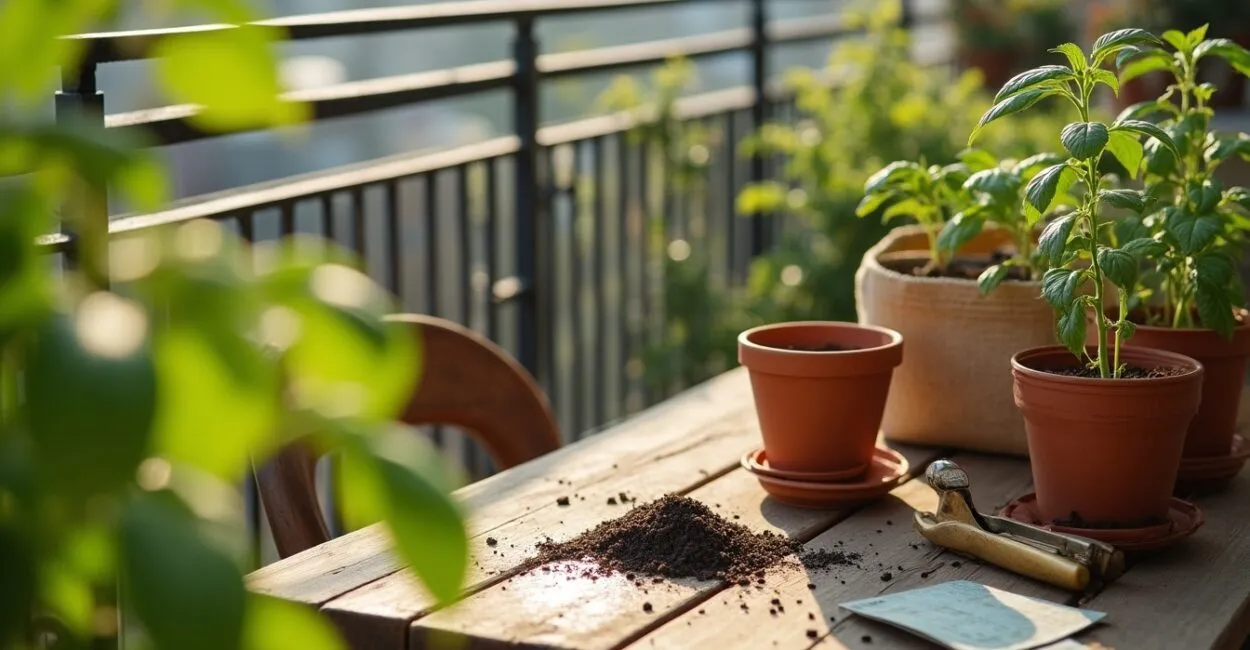
Don’t waste time looking for the perfect spot—choose a suitable one. You won’t be digging a garden bed in 45 minutes, but you can position planters or pots where the sunlight and airflow work in your favor. If the area gets 4–6 hours of direct sun, that’s enough.

- A balcony with morning sun: great for herbs.
- A partly shaded yard: leafy greens and radishes do well.
- Windy areas: use lightweight barriers to protect young seedlings.
Quick Setup: The 45-Minute Plan
Time is an ingredient. Set aside 10 minutes to arrange your planters, 15 for the growing mix and basic irrigation, and 20 for planting and finishing touches. With the right tools, you can set up several pots in under an hour.
Read also: A Small Vertical Garden Made Simple: A Step That Works
- 10 min: gather pots, planters, and tools.
- 15 min: prepare the potting mix (soil + compost + perlite).
- 20 min: sow seeds or transplant seedlings, add mulch, and set up a simple drip system.
Fast, Effective Potting Mix — A Tested Formula

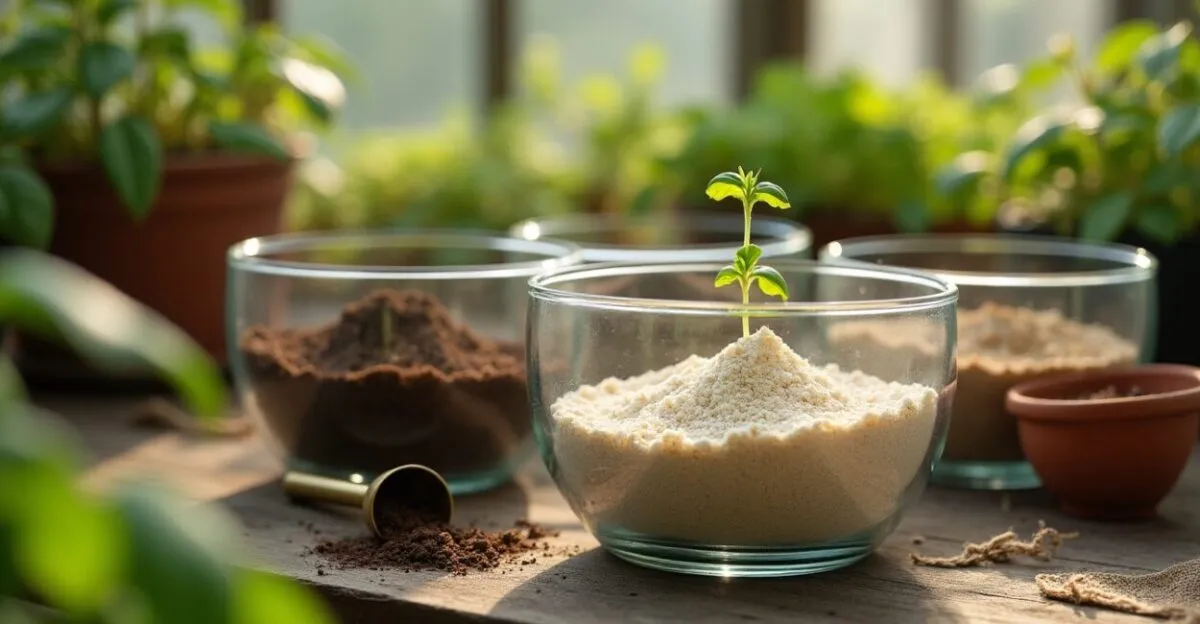
You don’t need the most expensive bag of soil—you need the right mix. Our tested recipe (2 parts soil, 1 part compost, 1 part perlite or sand) provides both drainage and water retention. This reduces rot and speeds up growth.
| Problem | What to add to the mix |
|---|---|
| Compacted soil | Add perlite or sand |
| Low organic matter | Add well-aged compost |
Quick Planting: Techniques That Save Time and Improve Your Chances of Success
Use seedlings instead of seeds to get a harvest sooner. Starting from seed still works, but seedlings can save you days or weeks. Planting in a ready-to-use grow bag or pot is the most effective shortcut.
Read also: A Small Garden: A Quick, Easy Setup
- Group seedlings by type (leafy greens, fruiting plants, and root vegetables) to make watering easier.
- Plant in small groups to reduce competition and make harvesting easier.
- Label each plant with a stick and tag to avoid mix-ups.
Save Water with an Irrigation Technique That Works
A DIY drip system and mulch can work wonders. A simple homemade dripper or perforated plastic bottles can save up to 70% of the water used by overhead watering. Mulch reduces evaporation and keeps soil temperature stable.
- Plastic-bottle dripper: poke 3–5 holes and bury the bottle upside down.
- Organic mulch: use bark or straw.
- Water early in the morning to maximize absorption.
Pests and Diseases: Quick Tips to Prevent Problems
Prevention is faster than treatment. Healthy plants and proper spacing help reduce infestations. Natural pest control and quick crop rotation keep your garden productive without harsh chemicals.
- Inspect plants weekly and remove diseased leaves right away.
- Use simple traps: yellow sticky strips for whiteflies.
- Use insecticidal soap spray for minor outbreaks.
What to Avoid: Common Mistakes That Slow Your Garden Down
Mistakes waste time and can be discouraging. Don’t add “more soil” without checking drainage, water on impulse, or mix plants with conflicting needs. These are the mistakes most likely to derail your 45-minute “functional garden” setup.
- Don’t fill a pot without making sure it drains well.
- Don’t group plants that need lots of water with those that need very little.
- Don’t ignore pests in the first few days—they can take hold quickly.
A quick comparison: expectations vs. reality—the expectation is “this will take weeks”; with this method, the reality is “first harvest in a few weeks, functional garden in 45 minutes.” Small choices at the start make all the difference. Here’s a quick story: a neighbor with no time to spare used this technique to set up three pots. Three weeks later, she harvested arugula for lunch. She said, “I thought I’d need a whole weekend—all it took was 45 minutes, and now I have lettuce.” That’s what this method can do.
Trusted sources support water conservation and integrated pest management practices. According to Brazil’s Ministry of Agriculture and research published by universities, small-scale growing techniques can make a big difference in garden yield and sustainability, especially in urban spaces. You can also find technical guidance through university extension programs and Embrapa, Brazil’s agricultural research corporation: Embrapa. Ready to get started? Set aside 45 minutes and gather basic tools and your potting mix. A quick garden isn’t a trick; it’s a process built on simple choices that deliver fast results.
Here’s something to think about: plant today, and in a few weeks you’ll have something you can’t buy at the grocery store—time, flavor, and self-reliance. What would you like to try growing first?
What’s the First Step to Setting Up My Quick Garden?
Find a spot that gets at least 4 hours of sun and gather your tools: pots, potting mix, a watering can, and seedlings. Prepare the soil mix (2 parts soil, 1 part compost, 1 part perlite) before you start; this saves time during setup. Plan for 45 minutes, divided among arranging your planters, preparing the potting mix, and planting. Using seedlings instead of seeds significantly speeds up results and improves your chances of early success.
Can I Use Any Pot, or Do I Need a Specific Type?
Almost any pot will work as long as it drains well. Drill holes in the bottom if needed and add a drainage layer (stones or broken pottery). Deeper pots are better for root vegetables such as carrots; shallow pots work well for lettuce and herbs. What matters most is the potting mix and choosing a pot that’s the right size for the plant. Repurposed containers work well as long as they have enough room and drain properly.
How Can I Save Water Without Harming My Plants?
Use a DIY drip system (plastic bottles or perforated hoses), apply mulch to reduce evaporation, and water early in the morning for better absorption. Check soil moisture with your finger: the soil should be slightly damp 1–1.5 inches below the surface. Adjust watering based on heat and wind. Simple drip systems save water and maintain steady moisture—essential for a productive quick garden in an urban space.
What Natural Tricks Can Help Keep Pests Out of a Quick Garden?
Plant resistant varieties, allow enough space between plants, and inspect them weekly. Use sticky traps for flying insects and a mild soap spray for minor infestations. Add companion plants that deter pests (for example, plant basil near tomatoes). Crop rotation and promptly removing diseased plant material help prevent outbreaks. These simple steps protect your garden without harsh pesticides, keeping your harvest safe and on track.
How Long Until the First Harvest with This Method?
It depends on what you grow: leafy greens such as arugula and lettuce may be ready to harvest in 2–4 weeks; tomatoes and peppers take longer, usually 6–10 weeks until fruit develops. Starting with seedlings significantly shortens the wait compared with starting from seed. The 45-minute method gets your garden up and running right away, but the first harvest depends on the plant, climate, and care. With basic attention, you’ll have fresh greens within the first few weeks.
Artigos Relacionados
 Build a Vertical Garden Today: A 20-Minute Beginner’s Guide
 Start an Apartment Garden From Scratch: A 1-Hour Method That Works
 Fun Classroom Activities: 8 Quick Ideas for School in 20 Minutes
 Phonics Teaching Methods That Build Fluent Decoding Skills
 Active Learning Methods: Engage Students With Proven Practices
 Small Garden: A Quick, Easy Way to Get Started
