
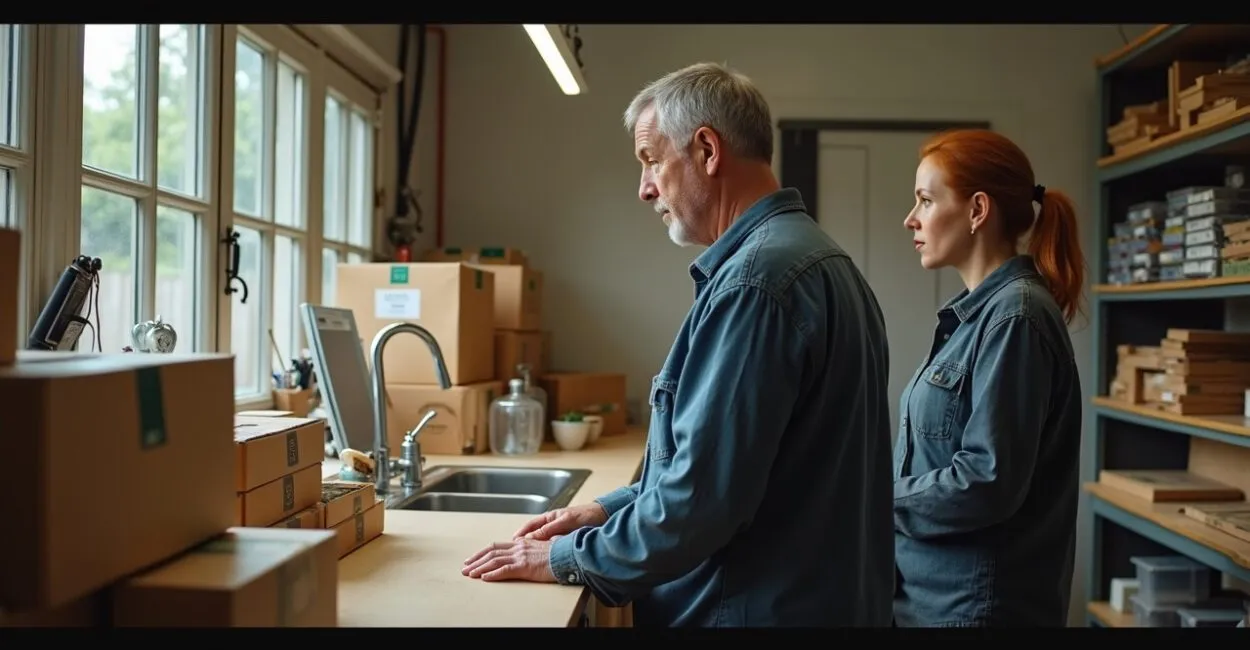
Reducing waste often delivers better results than making grand announcements about being a “green company.” In practice, small business sustainability is about operational decisions that cut costs, streamline processes, and improve how people perceive your brand—all at the same time.

For a small business, the goal isn’t to transform everything at once. The right approach is to start with the sources of wasted money and resources: energy, water, purchasing, waste, and logistics.
The difference between talk and results comes down to measuring a few key things, focusing on priorities, and making quick adjustments.
The Essentials
- Sustainability for small businesses doesn’t require an expensive project; it starts with eliminating waste that already affects the bottom line every month.
- The actions that tend to pay off fastest include improving energy efficiency, reducing business waste, making smarter purchases, and reviewing logistics.
- A small business can start with a simple assessment: energy bills, water use, waste volume, and a list of recurring purchases.
- ESG for small businesses doesn’t require a sophisticated report at the outset; it requires consistency between operations, tracking metrics, and honest communication.
- Greenwashing happens when a company makes environmental claims without proof, data, or consistent operational practices.
What Is Small Business Sustainability, and Why Does It Matter Now?
Small business sustainability is the ability to operate with less resource waste, a smaller environmental impact, and greater economic efficiency without compromising customer service. Put simply, it means spending less, throwing away less, and managing what the business buys, uses, and delivers more effectively.
It matters now for three very practical reasons. First, energy, water, and supply costs put far more pressure on small business margins than they do on large companies. Second, suppliers, online marketplaces, and B2B customers are paying closer attention to environmental and compliance standards. Third, sustainability is no longer just about “image”—it’s become part of day-to-day management.
Anyone working on sustainability management for small businesses knows the biggest mistake is trying to copy a multinational’s structure. Small businesses need routines, not rituals.
A well-maintained monthly checklist is worth more than a polished report nobody uses.
What separates a sustainable business from one that only talks about sustainability is having metrics, routines, and a process for course correction.
To put market expectations in context, it’s worth following resources from IBGE (Brazil’s national statistics agency), the environmental policy work of Brazil’s Ministry of the Environment and Climate Change, and the sustainable finance agenda of the Banco Central do Brasil (Brazil’s central bank). These institutions don’t replace day-to-day management, but they can help you understand where the market and regulations are headed.
Practical Benefits: Lower Costs, Greater Efficiency, and a Stronger Reputation
Where the savings show up first
The fastest benefit of sustainability for small businesses is lower costs through sustainability. That’s because many sustainable practices eliminate waste: less energy used after hours, less paper, fewer returns, fewer duplicate purchases caused by inventory mistakes, and less unnecessary disposal.
In practice, the financial benefits don’t come from one “big green project”; they come from the combined effect of small improvements. Businesses that adjust lighting, monitor consumption, and reduce purchasing losses see the impact on their bottom line before they notice any change in brand messaging.
Operational efficiency matters more than talk
Small businesses benefit from simplifying. Sorting waste, standardizing orders, reviewing suppliers, and reducing rework free up staff time and prevent mistakes. This applies to retail, salons, medical offices, repair shops, restaurants, and professional offices.
This approach also improves predictability. When a manager knows how much the business uses each month and per unit sold, they can stop guessing about whether costs are too high and start making decisions based on numbers.
A credible reputation without overpromising
A company’s reputation improves when its practices can be verified. Customers notice when a business uses less packaging, reduces waste, and clearly explains where its supplies come from and how it handles disposal. But a strong reputation doesn’t come from vague promises; it comes from consistency.
Experts disagree about how much more consumers are willing to pay for sustainable businesses. Here’s the safest takeaway: even if prices don’t increase, operational efficiency can still make the changes worthwhile. If prices do go up, the value proposition needs to be clear and verifiable.
For small businesses, sustainability is more profitable when it becomes an operating method, not a marketing campaign.
How to Get Started: A Simple Assessment of Your Business and Its Biggest Sources of Waste

The best place to start is by identifying where the business loses money each month. If you’re wondering how to operate more sustainably as a small business, start with four questions: What uses the most energy? What gets thrown away? What do you buy frequently? Where does rework happen?
Take a 30-minute snapshot
Gather the last three months of energy and water bills, purchasing records, and disposal data. Then note three things for each category: total consumption, changes from month to month, and likely causes. This simple review can reveal patterns that are easy to miss in the daily flow of work.
- Energy: lighting, air conditioning, and equipment left on after hours.
- Water: leaks, faucets without aerators, and inconsistent cleaning practices.
- Waste: inventory losses, excess packaging, and unnecessary printing.
- Purchasing: slow-moving items, suppliers that make multiple small deliveries, and excessive disposable packaging.
Rank issues by impact and effort
After your assessment, organize the issues into two categories: high or low impact, and easy or difficult to address. Start with changes that are easy to make and have a big impact. This avoids the classic mistake of putting effort into symbolic projects while the real source of waste remains unaddressed.
For example, a neighborhood restaurant might find that inconsistent purchasing costs more than its energy use. A retail store might be spending more on outdated lighting than it realizes. Your assessment should reflect how your business operates, not what’s trendy at the moment.
Set a baseline
Without a baseline, there’s no sustainability management for small businesses. You need to know “what it was before” to compare it with “what it is now.” This could be monthly consumption, waste volume, cost per order, or the amount of supplies used per sale.
Low-Cost Actions That Deliver Quick Results
The most effective actions require little investment and change day-to-day routines. Often, a business doesn’t need to buy anything new; it just needs to stop buying the wrong way. That’s where sustainable practices for small businesses start to deliver real savings.
Replace waste with routine
- Turn off what doesn’t need to stay on by setting a closing time and using a daily checklist.
- Standardize purchasing to prevent excess orders, duplicates, and losses from expired items.
- Use less packaging without compromising the customer experience.
- Sort waste at the source to make recycling easier and reduce mixed waste.
- Review deliveries to consolidate orders and reduce shipping costs and emissions per trip.
A real-world example
I saw a small coffee shop struggling with wasted supplies and high electric bills. The first changes were simple: turn off equipment after closing, standardize portion sizes, and review weekly purchases. In less than two months, the staff knew how much each product cost, and waste had fallen because no one was improvising during prep anymore.
There was no renovation, expensive consulting, or certification. Just discipline. Those are the kinds of gains that make a difference for a small business.
What pays off fastest
In general, three areas show results first: business energy savings, inventory control, and waste reduction. If the business offers delivery, packaging should be next on the list. If it relies on refrigeration, preventive maintenance often pays for itself quickly.
This approach works well for businesses with recurring consumption and repetitive processes, but it can fall short if the company ignores seasonality. Businesses with fluctuating sales should compare equivalent months, not isolated figures.
Sustainability by Area: Energy, Water, Waste, Purchasing, and Logistics
Energy: The bill that often hides opportunities
Switching to LED bulbs, servicing air-conditioning systems, cleaning filters, and avoiding standby power are low-cost measures with a big impact. In businesses that use refrigeration, preventive maintenance and temperature adjustments can make a real difference.
Read also: Sustainability Tips for Apartments: A Practical Guide
If energy use increases without a corresponding increase in business activity, investigate technical issues or unusual usage. In many cases, the problem isn’t the rate—it’s the routine.
Water: Quiet, consistent savings
Installing faucet aerators, fixing leaks, and improving cleaning routines can lower costs without affecting the customer experience. In laundromats, kitchens, and personal care businesses, weekly monitoring is invaluable because small changes can reveal problems before they lead to a high bill.
Not every situation requires technology. Sometimes a manual meter reading is enough to show where water is being lost.
Waste: Less trash, lower costs, better organization
Reducing business waste starts with prevention, not recycling. Anything that never enters the process doesn’t need to be thrown away. After that, separating organic waste, recyclables, and trash improves disposal and prevents useful materials from ending up mixed with regular garbage.
Food businesses, for example, should treat expired inventory and leftover production as management problems, not “unavoidable costs.”
Purchasing: Sustainability starts with the order
Sustainable purchasing doesn’t mean always buying the most expensive product with an attractive certification label. It means evaluating durability, replacement needs, origin, packaging, logistics, and lifecycle. Sometimes the most sustainable option is simply the one that lasts longer and prevents duplicate purchases.
| Criteria | What to look for | Practical impact |
|---|---|---|
| Durability | The item’s actual useful life | Fewer replacements and less waste |
| Packaging | Volume, recyclability, and return options | Less waste and easier storage |
| Supplier | Lead time, reliability, and proximity | Fewer stockouts and lower logistics costs |
| Use | Consumption per unit sold | Better margin and waste control |
Logistics: Fewer trips, lower costs, and fewer emissions
Sustainable logistics means consolidating routes, reducing partial deliveries, and planning transportation more effectively. For small businesses, this might mean combining orders, using pickup locations, or arranging more efficient delivery windows.
The benefits show up in three areas: fuel, staff time, and lower risk of damage. In urban areas, this can also improve delivery times and reliability. For smaller operations, taking fewer trips is often worth more than a nominal discount on shipping.
To learn more about regulations and public policy, follow materials from ANEEL (Brazil’s electricity regulator) on energy and efficiency, as well as guidance from Ibama (Brazil’s environmental protection agency) on environmental oversight and responsibility when your business activity requires special attention.
How to Measure Results with Simple Metrics
Without metrics, sustainability becomes a matter of opinion. With a few well-chosen numbers, a business can track progress, correct problems, and demonstrate results to owners, employees, and customers. Ideally, track operational indicators rather than metrics that are too broad.
Four metrics that fit into your routine
- Energy per dollar of revenue: monthly energy use divided by revenue for the same period.
- Water per operation: water use per customer visit, production run, or unit sold.
- Waste per sale: the amount discarded relative to the amount produced or sold.
- Purchasing losses: expired, broken, or unusable items as a share of total purchases.
How to track results without complex software
A monthly spreadsheet is enough for most businesses. Just record the date, consumption, volume, cost, notes, and actions taken. The key is to use the same method over time, because inconsistent comparisons can create a false impression of improvement or decline.
If a business wants to take its ESG efforts further, the next step is to add social and governance indicators: training, employee turnover, tax compliance, purchasing traceability, and supplier policies. At first, though, the most useful thing is to handle the basics consistently.
Small businesses don’t need to measure everything; they need to measure what changes purchasing, operating, and disposal decisions.
Common Mistakes and How to Avoid Greenwashing
Mistake 1: Communicating before you have proof
Greenwashing occurs when a business exaggerates environmental benefits without verifiable evidence. Calling a product “100% sustainable” without explaining its materials, origin, disposal, or technical limitations weakens trust and can damage the company’s reputation.
Mistake 2: Taking isolated actions
Changing packaging while ignoring internal waste doesn’t solve the problem. Real progress happens when a business connects purchasing, use, logistics, and disposal. If each department acts on its own, improvements stay small and are harder to maintain.
Mistake 3: Setting impossible goals
Promising a major reduction in a short time often leads to frustration. Better goals are specific, short-term, and verifiable: reduce energy use per dollar of revenue by 10%, cut mixed waste by 15%, or reduce purchasing rework by 20%.
Mistake 4: Copying the language of big brands
A small business doesn’t need to sound like a multinational to be taken seriously. It needs to be clear. Saying what you do, what you don’t do yet, and what limitations you face builds more trust than an empty campaign.
If you make public claims about your impact, use auditable internal data, photos of your process, and objective criteria. This reduces the risk of greenwashing and strengthens your social and environmental responsibility in a realistic way.
What to Do Now
The best next step isn’t to review everything; it’s to choose one area and work on it for 30 days. If your business is just getting started, focus on energy or waste, where results usually show up quickly and employees can adapt without much resistance. Then move on to purchasing and logistics.
Businesses that treat small business sustainability as resource management tend to win twice: they cut costs and improve how people perceive the business. The most honest test is simple: measure before, take prioritized action, and compare the results. If the number goes down and the process becomes more stable, you’re on the right track.
Frequently Asked Questions About Small Business Sustainability
How can a small business become more sustainable on a tight budget?
Start by identifying the most visible sources of waste: energy, water, purchasing, and waste. Then make routine adjustments that don’t require renovations or software, such as turning off equipment after hours, standardizing orders, and reviewing disposal practices. The initial investment may be low—or even zero.
Which sustainable actions deliver the fastest returns?
Actions that reduce recurring consumption tend to pay off fastest: switching to LED lighting, maintaining equipment, controlling inventory, reducing packaging, and consolidating deliveries. In many businesses, the savings show up on the bottom line before they appear in brand messaging.
Does sustainability really reduce costs for a small business?
Yes, when it’s part of waste management rather than a marketing campaign. Using less energy and fewer materials, reducing rework, and throwing away less almost always lower costs. The impact varies by business, but the economics are sound.
How can I measure results without complex tools?
Use a simple spreadsheet to track consumption, cost, volume, and monthly notes. Compare equivalent periods and choose a few metrics that influence decisions, such as energy per dollar of revenue or waste per sale. The most important thing is to use the same method over time.
Does a small business need to comply with any environmental or ESG requirements?
It depends on the business activity, size, and industry. Some operations have specific environmental obligations, and many supply chains already request basic evidence of compliance, traceability, and good practices. Even when there are no major formal requirements, the market is demanding greater transparency.
How can a business avoid greenwashing in its communications?
Talk only about what you can prove with data, established routines, or documentation. Avoid absolute claims like “100% sustainable” if you can’t support them with clear criteria. Being transparent about limitations and next steps builds more trust than exaggerated marketing.
%%AGPTRH7%%
Artigos Relacionados
 A Practical Guide to School Sustainability Projects
 Sustainability in Schools: A Practical Implementation Guide
 Sustainability Tips for Apartments: A Practical Guide
 Launch a Social Media Management Agency in Brazil: A Low-Cost Guide for Young Entrepreneurs
 Green Business Investing: The Positive Social and Environmental Impact of Companies Committed to Global Sustainability
 Sustainability Labeling and Communications: Practical Strategies to Showcase Your Sustainability Credentials and Attract Conscious Consumers Honestly
