

Reducing waste and lowering fixed costs go hand in hand more than many people realize. When sustainability for small businesses moves beyond talk and becomes part of daily operations, it stops being a “feel-good project” and becomes good management: less wasted energy, fewer materials thrown away, smarter purchasing, and leaner processes.
In practice, a small business doesn’t need to start with a major investment or a complex certification. It needs to look at what drains money every month and where losses are happening quietly.

This article explains where to start, what to prioritize, and which actions deliver real returns without disrupting your daily routine.
What You Need to Know
- In technical terms, business sustainability means managing environmental and operational impacts to keep the business running, reduce risk, and use resources efficiently.
- The first savings usually come from energy, water, waste, and purchasing. A stronger brand follows as a result of consistent practices.
- Small businesses get the most from choosing a few high-impact actions and tracking results month by month.
- Not every green practice makes sense for every business; what works for a coffee shop may not work for a repair shop or an online store.
- Transparency matters more than broad promises: customers can tell when a change is concrete and verifiable.
Sustainability for Small Businesses: What Changes in Your Operations and Bottom Line
The technical definition is straightforward: business sustainability is the ability to operate today without compromising resources, margins, and compliance tomorrow. In other words, it means using less energy, raw materials, water, and time while reducing regulatory risk and improving your reputation.
The most common mistake is treating sustainability as a marketing campaign. Anyone who works in operations knows that results come when sustainability is built into purchasing, inventory, production, cleaning, logistics, and disposal.
That’s how you stop money from slipping away.
The difference between sustainability and greenwashing isn’t the messaging—it’s whether there’s a process, a metric, and a routine for monitoring progress.
For context, you can track public indicators on consumption and waste through official sources such as IBGE, Brazil’s national statistics agency, which helps show how economic activity affects resource use, and the Ministry of the Environment and Climate Change, Brazil’s federal agency responsible for environmental policies and guidelines for businesses.
What It Includes
In practice, sustainability in a small business involves four areas that are closely connected: energy, waste, purchasing, and processes. If one improves while the others remain disorganized, the gains can disappear. That’s why a serious conversation starts with an operational assessment, not a slogan on the wall.
Where to Cut Waste Without Sacrificing Quality
Energy, Water, and Materials Are the First Places to Look
If your business pays bills every month, there’s room to make improvements. Switching to LED bulbs, servicing air conditioners, turning off equipment strategically, and performing preventive maintenance on refrigerators or machinery can deliver quick returns. In businesses that rely on refrigeration or production equipment, hidden energy use can cost more than the utility rate itself.
It’s also worth checking water use and cleaning supplies. A bathroom leak, for example, may seem minor, but it can eat into your bottom line over the course of a year. In a small operation, the problem can get worse because no one “owns” the task until the bill arrives.
How to Prioritize Without Getting Overwhelmed
- List your five biggest monthly operating expenses.
- Note which ones depend on people’s behavior and which depend on equipment.
- Choose one action in each area to test for 30 days.
- Compare before-and-after results using bills, simple records, or a spreadsheet.
For businesses that already use solar power, for example, the approach is a little different. Distributed generation can help in the long run, but it won’t solve internal waste on its own. If equipment is left running unnecessarily, the savings shrink even with a solar power system.
Sustainable Purchasing That Makes Sense for Small Businesses

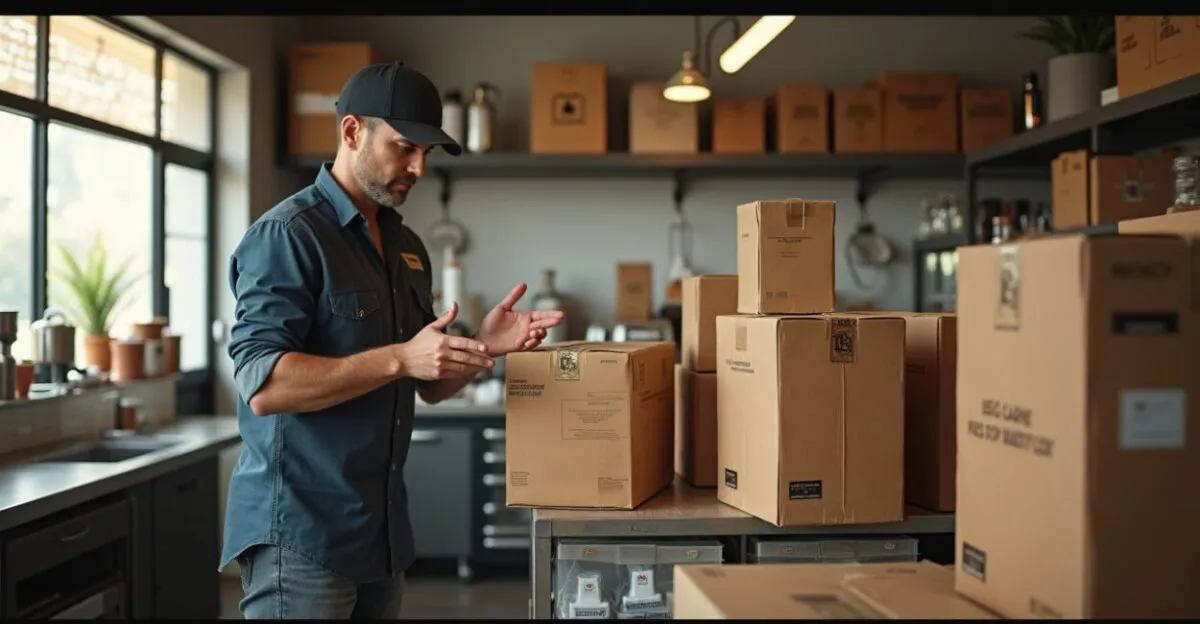
Sustainable purchasing isn’t about choosing the “greenest” item in the catalog. It’s about finding reliable suppliers, choosing products that last, and avoiding excessive packaging. A cheaper product that breaks quickly or leads to returns ends up costing more—the expenses are just spread out over time.
Good sustainable purchasing lowers the total cost of ownership; it doesn’t just make the shelf look better.
Small business owners should consider three criteria: consistent quality, workable logistics, and a supplier that provides invoices and maintains reliable standards. For a coffee shop, that might mean choosing coffee with origin certifications; for an online store, using less packaging and preventing damage; for a clinic, using supplies responsibly and choosing local vendors when timelines allow.
Criteria for Choosing Suppliers
- Consistent, reliable delivery.
- Packaging and order quantities that match actual demand.
- A clear return and customer service policy.
- Product or material origin when it affects risk or reputation.
There’s an important nuance here: sometimes the closest supplier isn’t the most sustainable if its production is inefficient or its products don’t last. Sustainability isn’t just about location; it’s about overall performance.
Read also: Sustainability Tips for Apartments: A Practical Guide
Waste, Recycling, and Reverse Logistics Without the Frills
Waste management starts before anything reaches the trash can. The best waste is waste that was never created. After that come proper sorting, reducing disposable items, reusing materials when it’s safe, and ensuring proper disposal. For many businesses, change begins by separating compostables, recyclables, and trash, with simple guidance for the team.
For businesses that handle electronics, packaging, batteries, oil, or contaminated materials, reverse logistics is part of their operational responsibility. Brazil’s National Solid Waste Policy, the country’s legal framework for solid waste management, takes this issue seriously. A good place to start is the Planalto, the Brazilian government’s official portal, and guidance from Ibama, Brazil’s environmental agency, when requirements vary by waste type.
A Bakery’s Story
A neighborhood bakery replaced oversized bags with packaging sized to each order, separated used cooking oil, and adjusted its late-afternoon bread production. None of these changes seemed dramatic. Still, within a few weeks, waste had decreased, trash pickups had become less frequent, and service was more organized. The owner realized the savings didn’t come from a major investment, but from removing everyday friction.
Internal Processes That Sustain Results
A sustainable process prevents rework, waste, and guesswork. When everyone does things “their own way,” the business may seem agile for a few days, but it eventually turns into chaos. Basic standardization saves time and money.
What to Standardize First
- Opening and closing checklists.
- Inventory tracking with reorder points.
- Preventive maintenance schedules.
- Simple records of waste and losses.
In service businesses, the benefits often show up in scheduling and communication. In retail, they show up in stagnant inventory. In food businesses, they show up in portion sizes and expiration dates. The principle is the same: the less you improvise, the fewer resources you waste without creating value.
A sustainable process reduces operational variation; without that, a business may improve one day and backslide the next.
How to Measure Results Without Building an Expensive System
A small business doesn’t need a sophisticated dashboard to get started. It needs three or four metrics that fit into the daily routine. The most useful ones are usually energy use, waste volume, wasted supplies, and cost per order or customer visit.
Metric
What It Shows
Frequency
Electric bill
Effects of equipment, usage, and maintenance
Monthly
Waste disposed of
Purchasing and sorting efficiency
Weekly or monthly
Supplies lost
Process failures and excess inventory
Monthly
Cost per operation
Whether the change actually lowered expenses
Monthly
The key isn’t to measure everything. It’s to measure a few things and take action. A metric no one checks is just decoration. A simple number reviewed every week can change behavior more than a lengthy report.
How to Strengthen Your Brand Without Greenwashing
A strong brand isn’t built on environmental promises, but on consistency. Customers notice when a business changes its packaging, reduces waste, explains its choices, and shares data clearly. That builds trust because the messaging reflects the operation, not the other way around.
Greenwashing happens when a business exaggerates its impact, uses vague terms, or promotes a “green” image without backing it up. The risk is twofold: it loses credibility and misses the chance to improve the business for real. It’s better to say less and prove it than to promise too much and disappoint.
How to Communicate the Right Way
- Use verifiable facts, such as reduced consumption or a change in materials.
- Explain the reason for the change in plain language.
- Show how the change benefits customers, not just the business.
- Avoid broad claims without proof, such as “100% sustainable.”
This is especially important when a business is part of a larger supply chain. A small supplier could lose a contract if it can’t verify product origin, proper disposal, or basic compliance. On the other hand, businesses that manage these requirements well become more reliable partners.
Next Steps for Making Changes Without Disrupting Operations
If your business hasn’t started yet, the best approach is to tackle one area at a time: energy, waste, purchasing, or processes. Trying to implement everything at once often leads to fatigue and abandonment. Focus on the area with the highest costs, the most waste, or the greatest risk.
The best test is simple: choose one change, try it for 30 days, compare the results, and decide whether to keep it, adjust it, or stop. Sustainability for small businesses works when it becomes an auditable routine, not when it depends on enthusiasm. To learn more, follow trusted technical resources on environmental management and productivity, such as Sebrae, Brazil’s small business support agency, which often adapts these topics to the realities of small businesses.
Frequently Asked Questions
Do Small Businesses Need to Invest a Lot to Become Sustainable?
No. In most cases, returns start with changes to daily routines, maintenance, and smarter purchasing—not major renovations. Replacing waste with better controls usually costs less than building a new system. The key is to choose actions with measurable impact and avoid cosmetic initiatives that don’t affect costs or processes.
What’s the First Area to Focus On?
Start with your biggest expense or most visible source of waste. For many businesses, that means the electric bill, wasted supplies, or stagnant inventory. If you’re not sure, do a simple 30-day assessment and identify where money is most often slipping away. Getting the first area right can help pay for the next steps.
Can Sustainability Really Help Increase Sales?
It can, but it’s not an automatic shortcut. The business impact comes when the change is real, consistent, and visible to customers. When a business communicates clearly, delivers consistently, and avoids exaggeration, trust grows. If operations remain disorganized, environmental messaging loses credibility and may even create suspicion.
How Can You Avoid Greenwashing in Practice?
Use data, keep promises modest, and show your process. Instead of claiming everything is sustainable, explain exactly what changed, why you changed it, and what results you saw. If you don’t have metrics yet, present the action as an operational improvement, not an environmental certification. Transparency protects your reputation and keeps marketing claims in check.
Which Metrics Are Most Worth Tracking?
The most useful metrics are those tied to your bottom line: energy use, waste volume, supply losses, and cost per operation. They show whether a change is making the business more efficient or just adding work. Ideally, track only a few metrics, compare them over consistent time periods, and use the data to guide everyday decisions.
Artigos Relacionados
 Green Entrepreneurship for Small Businesses
 Local Chatbots for Sales: How to Deploy Offline AI Assistants and Increase Conversions at Small Businesses
 Event Task Management Tools: 10 Options for Small Event Businesses
 Small Business Sustainability: A Practical Guide
 Sustainability at School: How to Put It Into Practice
 The Unseen Engine: What Drives True Sustainability?
