
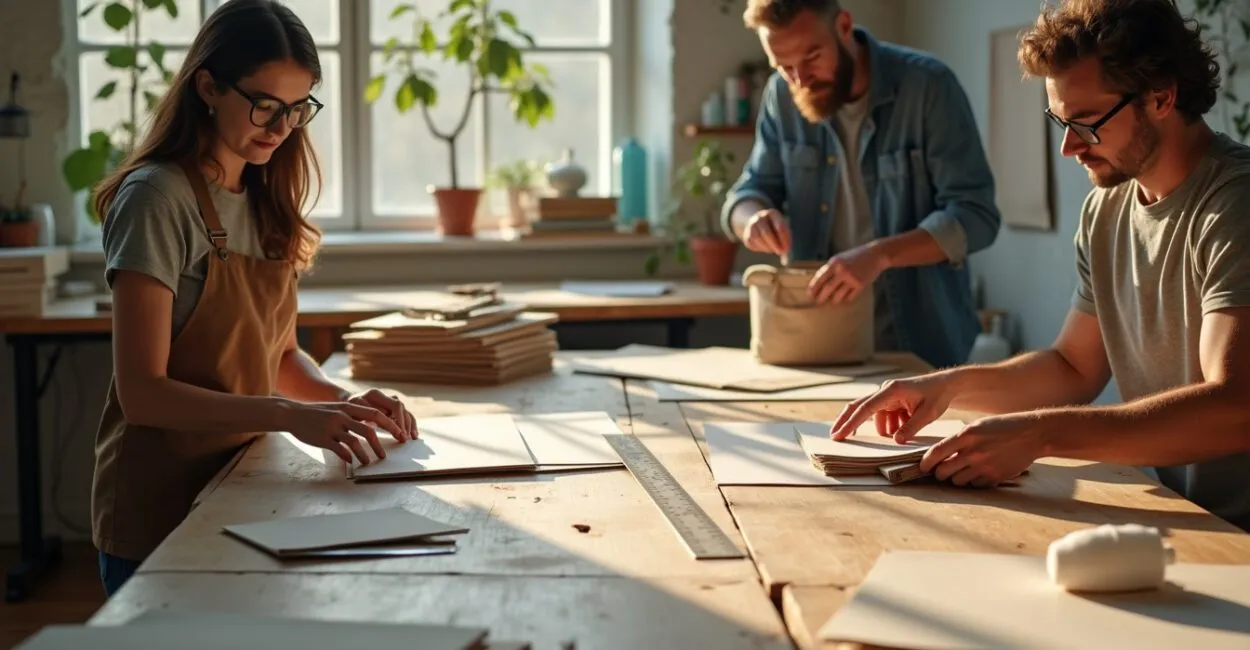
Cardboard turned into an organizer, a plastic bottle given a new purpose in the garden, and poster board that saves a school project without costing much: that’s creative recycling in practice. The difference between a project that looks good and one that’s useful comes down to choosing the right material, making clean cuts, and thinking through how the finished object will be used.
If you want to reuse waste quickly, affordably, and with a polished result, it helps to organize your options by material. In this article, you’ll find ideas using cardboard, plastic bottles, plastic, and poster board, along with tips for preparing materials, avoiding common mistakes, and turning discarded items into solutions for school, home, decor, and small businesses.

The Essentials
- Creative recycling means reusing waste to make useful, decorative, or educational items while reducing waste and costs.
- Cardboard is the most versatile material for quick projects because it’s easy to cut, works with white glue, and is useful for school projects, organization, and product displays.
- Plastic bottles work well as planters, watering cans, catch-all containers, or garden decor, as long as they’re clean and free of rough edges.
- For school projects, poster board and plastic are most effective when the project demonstrates purpose, process, and impact—not just appearance.
- Sorting, cleaning, and drying materials before use directly improves the finish and durability.
Creative Recycling Ideas for School Projects with Cardboard and Reused Materials
Creative recycling means reusing discarded materials to make something with a real purpose, visual appeal, or educational value. In practice, it combines simple design, low cost, and waste reduction.
At school, this can take the form of dioramas, displays, ecosystem models, organizers, and demonstration props.
Anyone who works with these projects knows the secret isn’t adding lots of decorations—it’s having a clear goal. A good cardboard project should answer three questions: What is it for? How was it made? Why does it make sense to reuse this material?
This approach works for both environmental education activities at school and presentation projects for high school.
What Makes a Good School Project
A well-received project usually combines usefulness, a neat finish, and an explanation of the process. If students only glue together colorful pieces, the result can look like random decoration.
When it demonstrates purpose, process, and reuse of materials, the project is stronger and easier to explain in class.
Why Cardboard Works So Well
Cardboard is lightweight, inexpensive, easy to cut, and fairly sturdy. It works with white glue, hot glue, and kraft tape, and it can be used to build large structures without complicated tools.
That’s why it’s become a go-to material for school projects, home organization, and even displays for small businesses.
In practice, cardboard works best when a project takes advantage of the material’s natural stiffness and avoids excess moisture. If it gets soaked, it quickly loses its shape, but when kept dry and reinforced, it can be surprisingly sturdy.
Easy Cardboard Projects for Home, School, or Business
If you’re looking for easy cardboard projects, start with solutions that have a clear purpose. Cardboard can be turned into useful items without advanced skills, which is why it’s common in classrooms, at fairs, and even in lean packaging operations.
Choose projects that make use of the material’s natural structure instead of forcing it to look like something it isn’t.
1. Desk and Drawer Organizers
Just cut matching pieces, create compartments, and reinforce the edges with tape. These organizers work for pencils, scissors, loose papers, and small accessories. At school, they make a simple, functional project; at home, they help cut clutter at little to no cost.
2. Stands for Phones and Tablets
With a well-made fold and a sturdy base, cardboard can hold lightweight devices for watching videos, reading, or making calls. The key is the angle: if it’s too upright, the device may slide; if it’s too low, the screen is hard to see.
3. Dioramas and Educational Displays
This is a classic use for hands-on environmental education projects. Cardboard can serve as a base, raised terrain, a structure, or a backdrop. It’s easy to build to scale, quick to assemble, and simple to adjust if a piece doesn’t turn out the expected size.
4. Simple Product Stands and Displays
Small businesses use cardboard to highlight products, prices, or messages at counters and fairs. Collecting cardboard for recycling can have commercial value because the material stops being trash and becomes a visual sales aid.
What separates a useful cardboard item from a flimsy makeshift one isn’t the look—it’s internal reinforcement, accurate measurements, and a design suited to the weight it needs to hold.
Plastic Bottle Ideas: Practical Uses, Decor, and Garden Projects

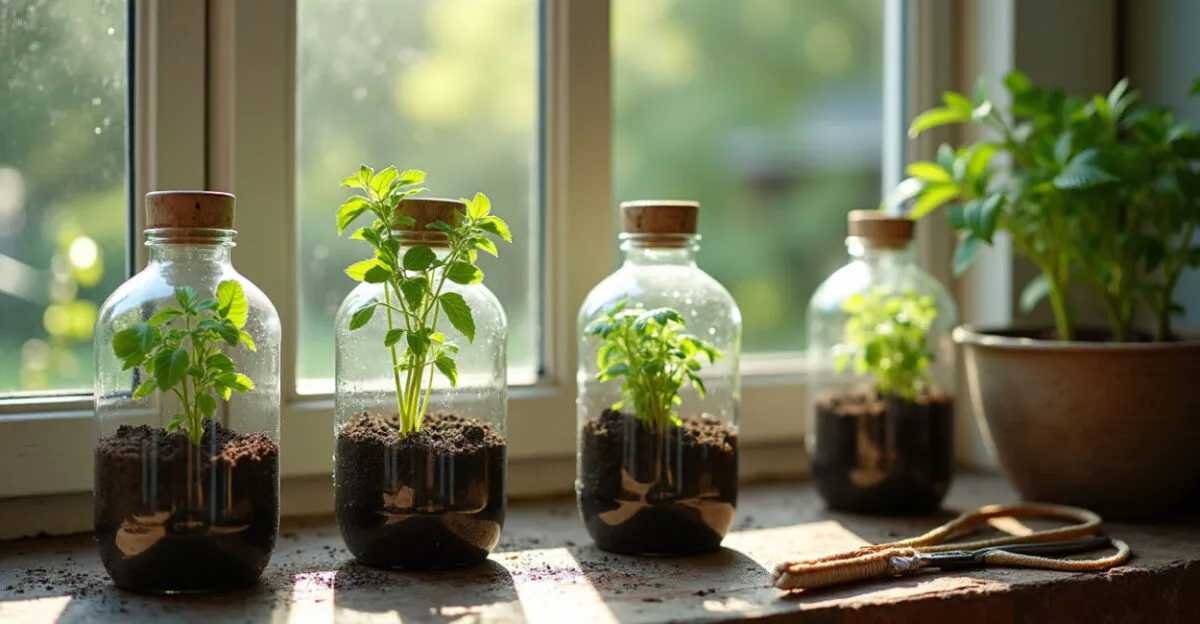
Plastic bottle projects are among the most versatile because the material is lightweight, transparent, and easy to cut. If you’re looking for plastic bottle ideas for the garden, home decor, or school, the basics are simple: wash the bottles thoroughly, remove the labels, and avoid leaving sharp edges. Plastic bottles work much better for lightweight items than for structures that need to hold a lot of weight.
Reusing materials also fits the principles of the circular economy by extending a material’s useful life before it’s discarded. This approach connects with the ideas behind the circular economy and cost reduction: less waste, more use, and fewer unnecessary purchases.
5. Simple Self-Watering Planters
Cut the bottle in half, use the top half upside down as a reservoir, and use the bottom half as the base. This setup works well for seedlings and herbs as long as the drainage is adjusted. It may not work if the hole is too small or if the plant needs very dry soil.
6. Watering Cans and Sprayers
Make a few holes in the cap, and a plastic bottle becomes a lightweight watering can for a small garden. It’s a practical solution for gardens, schools, and science projects. For a finer spray, make smaller holes and test it on a less delicate plant first.
7. Vertical Planters
Cut an opening in the side and add a rope hanger to turn a plastic bottle into a vertical garden planter. This is one of the most useful plastic bottle ideas for small spaces because it uses wall space and makes small plants easy to see.
8. Catch-All Containers and Clear Organizers
The clear plastic makes these handy for everyday use. On study desks, they hold pens, paper clips, and paintbrushes; in craft rooms, they organize beads, buttons, and small parts. Covering the edges with tape or fabric gives them a more finished look.
Read also: School Recycling Projects: 7 Practical Ideas
A common school project is to turn several matching plastic bottles into an organized vertical garden on a courtyard wall. Each group handles one step: washing, cutting, painting, or assembly. In the end, what seemed like disposable material becomes a shared project with a real purpose and a polished presentation.
Plastic and Poster Board Recycling Ideas for School Projects
Recycling projects with plastic and poster board work best when they demonstrate transformation, not just decoration. Rigid packaging, clean containers, and poster board can be used to make models, informational signs, dioramas, and visual aids. For school recycling projects, the most important considerations are safety, cleanliness, and choosing materials that suit the intended use.
Read also: School Recycling Projects: 7 Ideas to Get Students Involved
9. Poster Board Signs and Infographics
Poster board is great for organizing information. Instead of covering the display with color, use short headings, arrows, cutouts, and icons. This is especially useful for assessing the impact of environmental education, because students can clearly present a process, data, and conclusions.
10. Waste Cycle Models
Plastic packaging can represent lids, collection points, barriers, and waste flows in a model. Poster board provides the base, while plastic adds volume and texture. It’s a visual way to show sorting, reuse, and proper disposal.
11. Masks, Characters, and Themed Displays
When a school project calls for something more playful, poster board is a quick solution. It’s easy to cut, paint, and glue, and it pairs well with thin plastic for shiny or translucent details. This kind of project works best when the concept is clear and the design isn’t overloaded with elements.
Material
Best use
Strength
Common limitation
Cardboard
Organization, dioramas, displays
Sturdy and inexpensive
Sensitive to moisture
Plastic bottle
Garden, planters, catch-all containers
Lightweight and transparent
Can have sharp edges if cut poorly
Poster board
Displays, signs, school projects
Quick visual finish
Not very sturdy
Rigid plastic
Details, protection, volume
Versatile shape
Can be difficult to glue to some surfaces
How to Make Easy, Attractive Recycled Projects for School and Home Decor
Easy recycled projects for school usually follow the same steps: choose a purpose, sketch the design, cut accurately, and keep the finishing touches simple. The most common mistake is starting with decoration. The result may look eye-catching, but it’s more likely to break or come apart quickly.
Start with the Purpose, Not the Color
If the object is meant to organize, support, display, or protect something, that purpose determines its shape. Color, covering, and visual details come later. This approach saves time and avoids rework.
Use Inexpensive Materials, but Keep the Finish Neat
Kraft tape, colored paper, lightweight fabric, tempera paint, and white glue work for most projects. This is especially useful when making recycled decor without buying new materials. A neat finish matters more than excessive shine.
Choose Projects That Can Handle Minor Imperfections
Not every project needs to be symmetrical or perfect. A storage box, desk stand, or plastic bottle planter can handle minor differences in the cuts. A technical model requires more precision. Teachers and crafters may disagree about how much improvisation is acceptable, but the practical rule is clear: the more functional the object, the more precise the fit needs to be.
For students looking for high school recycling project ideas, this approach helps them earn a good grade without turning the project into a marathon. They can demonstrate intention, technique, and practical use—and that usually matters more than excessive decoration.
Tips for Collecting, Sorting, and Preparing Materials for Reuse
Preparation determines the final result. Damp cardboard warps, dirty plastic bottles can smell, and plastic with labels may leave behind ink or glue. Before starting any project, collect, sort, and clean your materials carefully. This step is what separates resourceful reuse from a slapdash job.
Official sources emphasize the importance of proper sorting and reducing waste at the source. Brazil’s Ministry of the Environment and Climate Change promotes waste management and the circular economy, while the IBGE website helps put consumption, production, and disposal in a national context. For education and school projects, the conceptual framework offered by UNESCO’s education resources can also help connect ideas with practice.
Preparation Checklist
- Wash plastic bottles, containers, and packaging before use.
- Remove labels, tags, and glue residue whenever possible.
- Dry materials thoroughly to prevent mold, odors, and warping.
- Keep clean cardboard separate from greasy or wet cardboard.
- Test the glue on a scrap piece before using it on the finished project.
When Cardboard Collection Makes a Difference
Collecting cardboard for recycling is most effective when the material is clean, dry, and flat. At home, that makes it easier to store. In businesses, it reduces disposal volume and creates opportunities to reuse cardboard for packaging, dividers, and prototypes. Using the right material in good condition prevents waste before assembly even begins.
How Creative Recycling Can Reduce Waste and Costs
Cost savings come from three things: buying less new material, disposing of less waste, and reusing items already on hand. At school, this can mean using packaging for displays and stands. In a business, it can mean low-cost displays, organizers, and visual communication. At home, the benefit is simple: more usefulness with less consumption.
The benefits aren’t only financial. Reusing materials for a real purpose teaches people about consumption, disposal, and planning. It also connects with topics like recyclable packaging that reduces costs and waste and using resources more thoughtfully in small projects. In practice, simple projects tend to get more participation because they fit into everyday routines.
Creative recycling saves money when it replaces a new purchase with reused material that serves the same purpose without compromising safety, clarity, or durability.
The key is not to romanticize every kind of reuse. Not all waste is worth transforming. Material that is heavily contaminated, brittle, or unsuitable for its intended use should be disposed of properly. Knowing the difference prevents risk, improves results, and keeps the project responsible.
If you want to put this approach into practice, start with one material, such as cardboard or plastic bottles, and repeat the process with small projects. Consistent practice improves the finish, speeds up the work, and helps you develop a standard you can use at school, for home decor, or even in a small business.
Next Steps for Turning Waste into Useful Projects
The best approach is to choose a material, give it a purpose, and make a small project with a neat finish. Cardboard for organizing, plastic bottles for the garden, and poster board for presentations cover many everyday needs. People who start with complex ideas often give up; those who start simple learn quickly and reuse more.
If you’re making a school project, build a functional version first and refine its appearance afterward. If you’re decorating or organizing, prioritize usefulness and stability. The smartest next step is to set aside materials from the week and try a small project that has a real use and a clean finish.
Frequently Asked Questions
What Are the Best Creative Recycling Ideas for Cardboard?
The best cardboard ideas combine simple construction with a clear purpose: desk organizers, phone stands, dioramas, displays, and dividers. Cardboard works especially well when the item won’t be exposed to moisture or excessive weight. It’s a great choice for school because it’s easy to cut, glue, and customize without expensive tools.
What Are Some Useful and Easy Things to Make with a Plastic Bottle?
You can make planters, watering cans, vertical garden planters, catch-all containers, and seedling pots. Plastic bottles are practical because they’re lightweight, sturdy, and easy to cut. The main things to remember are to clean them well, remove sharp edges, and choose a use that suits the item’s size and weight. They’re generally much better for garden projects than for heavy-duty structures.
How Can I Put Together a School Recycling Project Without Making It Complicated?
Start with just one material, such as cardboard, a plastic bottle, or poster board, and give the object a specific purpose. Then show the steps: collecting, cleaning, cutting, assembling, and finishing. The project is stronger when it explains why the material was reused and how that prevents waste. This works for both elementary school and high school recycling projects.
Which Recycled Materials Are Easiest to Reuse for Home Decor?
Cardboard, plastic bottles, clean plastic containers, and poster board are among the easiest materials to use for lightweight decor. They’re easy to paint, cut, and glue, and can quickly be turned into items for a wall, table, or party. The best results come from matching the material to the project instead of trying to imitate a factory-made finish. Simple designs usually work better than too many decorative effects.
How Does Creative Recycling Save Money and Reduce Waste?
It saves money by replacing new purchases with materials already on hand. It also reduces waste by extending the useful life of cardboard, plastic, and plastic bottles before they’re finally discarded. A well-planned project can benefit your budget, organization, and environmental education. The impact is even greater when reuse becomes part of a school, household, or business routine.
Artigos Relacionados
 Creative Upcycling: Practical Ideas for Making Money from Waste
 Elementary School Activities: Creative, Practical Ideas
 How to Reduce Waste in Small Businesses: A Practical Guide
 Recycling Activities for Preschool: 10 Ideas
 Activities for Early Childhood Education: Practical Ideas
 Mother’s Day Cards in Elementary School: Practical Ideas
