
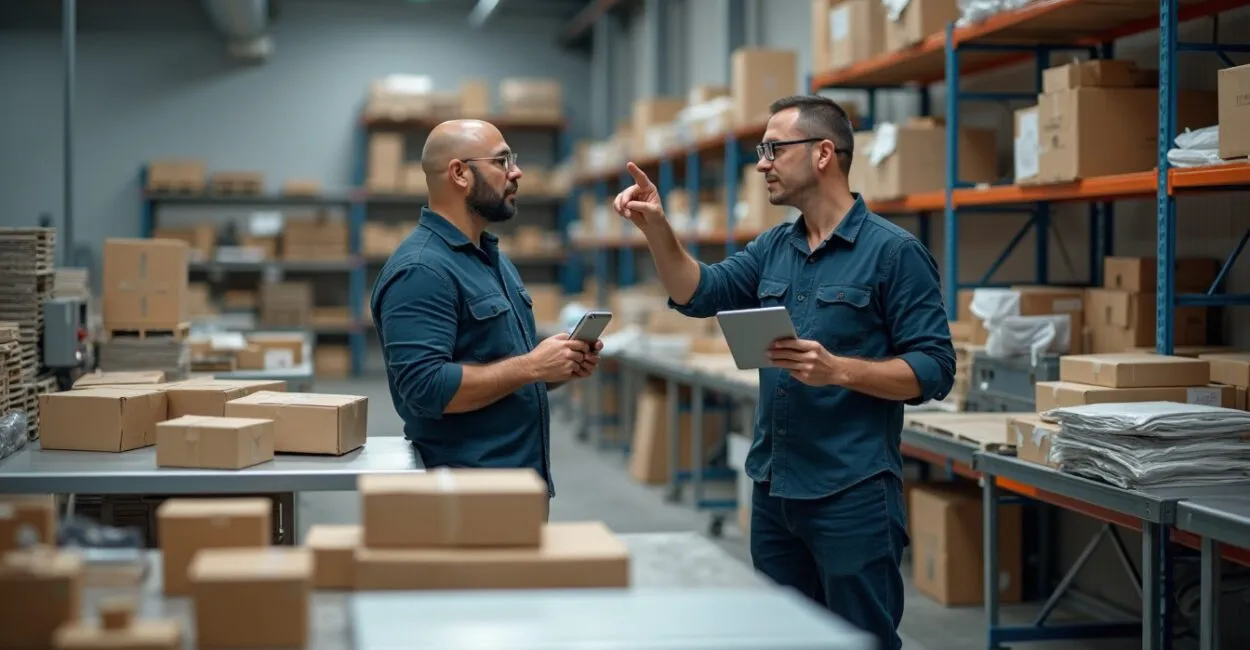
Reducing waste isn’t just about “being sustainable”—it’s about finding out where your business is leaving money on the table.
Circular Economy: How to Cut Costs and Boost Profits

When money gets tight, many businesses cut marketing, put off investment, and put pressure on their teams. But in many businesses, the real drain starts earlier: wasted raw materials, products designed to wear out quickly, and processes that lead to rework, disposal, and unnecessary shipping. That’s exactly where the circular economy comes in.
In practice, it replaces the “take, make, dispose” model with one built around designing for durability, reusing what’s already available, and eliminating losses before they become costs. The result isn’t just environmental. It’s financial. And in 2026, it’s getting harder to ignore.
The Hidden Cost of the Linear Model
The traditional way of doing business seems efficient until you add up the small losses: excess inventory, overpackaging, parts that break too soon, returns, corrective maintenance, and disposal. Each item seems minor on its own. Together, they become a quiet drain on your bottom line.
In a circular economy, waste isn’t an accident—it’s a design flaw. Look at your operations through this lens, and you’ll quickly see where money is slipping away. It’s not unusual for companies to buy cheap and pay more later in replacements, service, and reverse logistics.
Reuse That Really Cuts Costs
Reuse doesn’t mean making do with whatever’s on hand. It means giving materials, components, packaging, and even energy a second life within your business. This is where the circular economy stops being a talking point and starts improving your margins.
Practical examples are everywhere:
- reuse of boxes and pallets;
- reprocessing production scraps;
- selling waste materials to another industry;
- remanufacturing parts and equipment;
- returning inputs to new production cycles.
Anyone who works in this area knows the biggest payoff isn’t the “materials saved”—it’s a lower total cost of operations. Ask yourself: What’s going in the trash today that could come back as value?
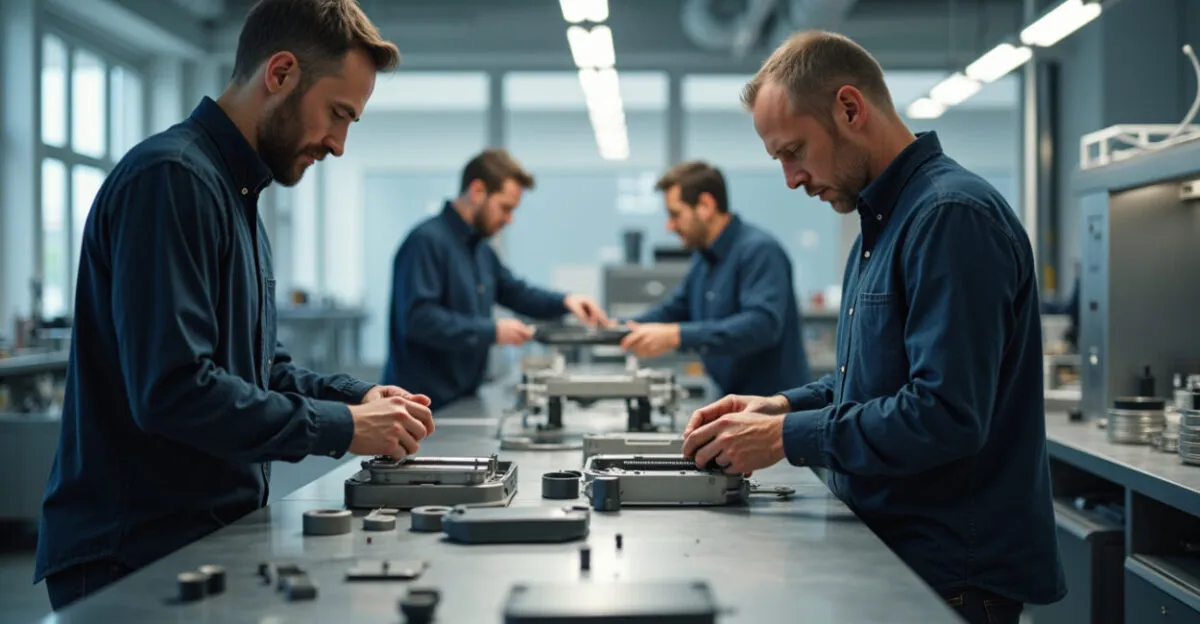
Designing for Durability Changes the After-Sales Game

There’s a huge difference between selling a lot and selling in a healthy way. Products that break early lead to replacements, customer service calls, a damaged reputation, and more emissions. Products that last build trust, reduce support needs, and increase the likelihood of repeat purchases.
In other words, designing for durability isn’t a luxury—it’s a strategy. Think modular parts, easy maintenance, replaceable components, and durable materials. The circular economy rewards businesses that reduce friction throughout a product’s life cycle.
Cheap products that break quickly almost always end up costing you twice.
Read also: Circular Economy in Packaging: Solutions That Cut Costs
How Waste Reduction Shows Up on the Bottom Line
This is what gets the finance team’s attention. Waste reduction affects unit costs, production time, idle inventory, and even working capital needs. When you reduce losses, you need to buy less to generate the same revenue.
According to research by the Brazilian Institute of Geography and Statistics (IBGE), Brazil’s national statistics agency, operational efficiency and production structure are key factors in business competitiveness. Brazil’s Central Bank also examines how productivity and costs affect business health in various analyses; a good place to start is the Central Bank of Brazil website.
Read also: Saving Energy at School: 10 Ways to Cut Costs
The benefits usually show up in four areas:
- less raw material purchased;
- less waste disposal and transportation;
- less rework;
- more predictable margins.
The Mistake That Most Often Trips Up Companies Trying to Change
The most common mistake is trying to “go circular” without redesigning the process. A company buys a recycled input, launches a green campaign, and keeps wasting at the same rate. That’s not a circular economy; it’s operational window dressing.
I’ve seen companies start with a simple change: the team mapped where losses were happening, found a recurring source of excess, and redesigned the packaging to fit better during shipping. The result was less damage, fewer wasted shipping dollars, and fewer returns. A small change on the spreadsheet, a big difference over the year.
If the process is still broken, sustainability messaging becomes an extra cost.
How to Get Started Without Disrupting Operations
You don’t need to transform the entire company at once. The smartest approach is to start where waste is easiest to see and returns are quickest. The circular economy works best in short test cycles.
- map losses by department;
- identify items with the highest disposal rates;
- test reuse in a small workflow;
- measure cost, time, and quality;
- scale only what delivers proven results.
This approach works well in manufacturing, retail, and food service, but it can fail if the quality of reused materials isn’t controlled. Not all waste has value; sometimes it needs technical treatment before it can reenter the cycle.
Profit, Efficiency, and Reputation: The Winning Combination
Businesses that adopt the circular economy often see gains in three areas at once. First, their bottom line benefits from lower purchasing costs and less waste. Second, efficiency improves as processes become cleaner and more predictable. Third, their reputation benefits as customers and partners see that their actions match their values.
This combination matters more than it might seem. In tight markets, companies that deliver with less waste tend to be more resilient to rising costs and price fluctuations. And when consumers see real value, sustainability stops being a slogan and becomes a reason to choose your business.
The future belongs not to those who throw things away fastest, but to those who make the most of what they already have.
The circular economy isn’t a project that’s “nice to include in a report.” It’s a smarter way to operate when every dollar counts and every mistake is costly.
Starting today isn’t just about reducing your impact. It’s about securing greater efficiency before it gets more expensive.
Frequently Asked Questions About the Circular Economy
Is the Circular Economy Only for Large Companies?
No. Small and midsize businesses often see the benefits sooner because they can test changes with less red tape. Reusing materials, reducing packaging, and reviewing inventory can already make a meaningful difference in smaller operations. The scale changes with the size of the business, but the underlying logic stays the same.
What’s the Difference Between Recycling and the Circular Economy?
Recycling is one tool in the circular economy, but it isn’t the whole picture. The circular economy starts earlier, with product design, material selection, durability, and the smart use of resources. Recycling addresses part of the problem; circularity aims to prevent the problem from arising in the first place.
Where Should I Start in My Business?
Start by mapping where you’re losing money, time, or materials. Then choose a process with obvious waste and run a small, measurable test that can be completed quickly. The best place to start is often an area that affects inventory, packaging, maintenance, or production scraps.
Does the Circular Economy Increase Costs at First?
It can in some cases, especially when it requires redesign, training, or supplier adjustments. But compare that upfront cost with what your company already loses to rework, disposal, returns, and repeated purchases. For many businesses, the investment pays for itself by plugging hidden leaks.
How Can I Tell Whether an Initiative Is Working?
Track simple metrics: less waste, lower cost per unit, fewer returns, lower raw material consumption, and less downtime. If operations are leaner and quality has stayed the same or improved, you’re on the right track. Without metrics, any initiative is just an opinion.
Artigos Relacionados
 Circular Economy vs. Recycling: Which Creates More Value?
 How to Apply a Circular Economy in Your Business
 Circular Economy: A Complete, Practical Guide
 Why Test Reverse Logistics in the Circular Economy
 Sustainable Cultivation: Practices That Boost Profits
 Rural Technology: Drones and Sensors That Boost Profits
