

Entrepreneurship can seem idealistic until you realize it reduces risk, sharpens your value proposition, and improves margins.
Here’s the catch: many people try to start with the “cause” and forget about the business. The numbers work the other way around—validate first, then scale, and only then sustain.

If you want to build something profitable without giving up positive impact, the safest approach is to treat sustainability as a decision-making method, not a marketing gimmick.
Why Sustainable Entrepreneurship Starts with Validation, Not Talk
Before you think about recyclable packaging, an impact report, or a green seal, you need to answer the question that separates a good idea from an expensive dream: will anyone pay for it? In sustainable entrepreneurship, validation isn’t a minor detail; it’s the filter that keeps you from wasting time on a product nobody wants to buy.
In practice, the most honest test is simple: a real problem, a clearly defined audience, and a willingness to pay. If your solution improves customers’ lives while reducing waste, energy use, emissions, or disposal, you win twice. But without demand, sustainability becomes a nice-looking project with an empty bank account.
I saw this happen with a small functional food brand: the founder invested in premium ingredients and flawless communications but ignored the final price. The product sounded great in the pitch but stalled in the shopping cart. After trimming the product line, listening to customers, and adjusting portion sizes, the business went from earning applause to generating repeat purchases.
A Value Proposition That Sells Without Sounding Like an Ad
The best value proposition in sustainable entrepreneurship doesn’t just say, “I’m eco-friendly.” It makes clear what problem it solves, why it’s better, and what difference it makes in the customer’s life. Sustainability alone doesn’t sell. Perceived value does.
The contrast is almost startling: before, you’re trying to convince people; afterward, customers get it. Before, impact seems like an added cost; afterward, it becomes a selling point. That shift happens when you put environmental benefits in practical terms: less waste, longer-lasting products, simpler logistics, more conscious consumption, or a lower total cost.
- Functionality: The product solves a real problem.
- Clarity: Customers understand the benefit in seconds.
- Proof: Data, tests, testimonials, or visible results.
- Differentiation: Choosing the sustainable option doesn’t feel like a sacrifice.
If your value proposition asks customers to “just believe” too much, it isn’t ready yet. Strong sustainable businesses don’t ask for faith; they give people a reason.
The Costly Mistake of Looking Green on the Outside but Being Fragile Within

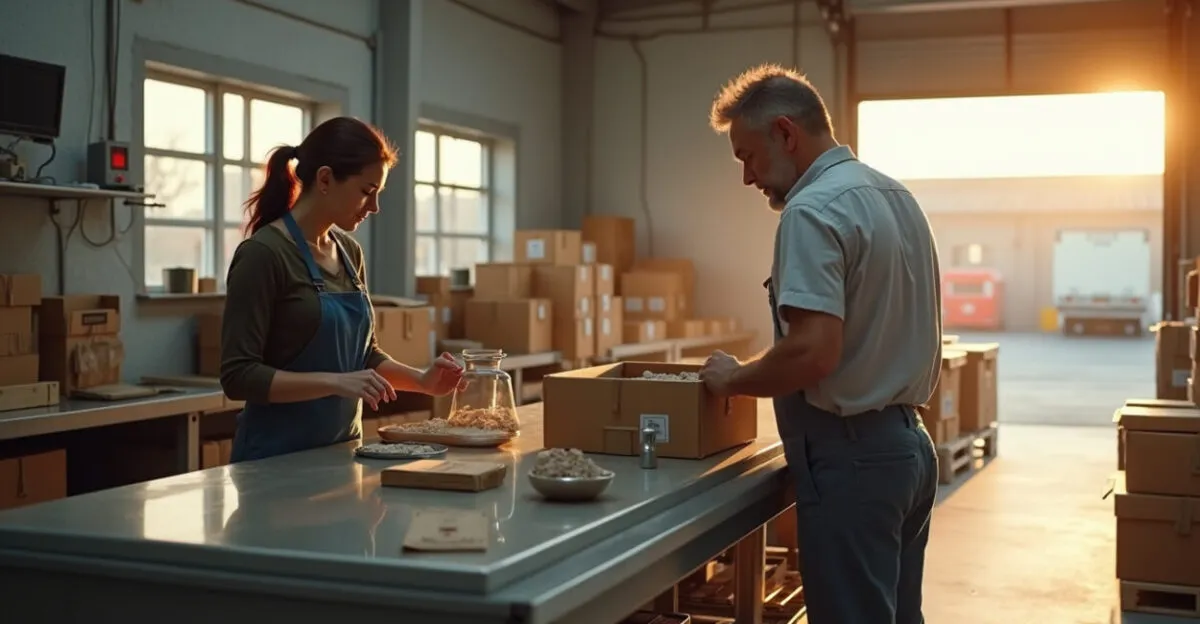
Many people associate sustainable entrepreneurship with products alone. But operations are where a promise either falls apart or earns credibility. Logistics, suppliers, energy, inventory, packaging, disposal, and productivity form the backbone of a business.
A responsible operation isn’t the most “perfect” one; it’s the one that reduces waste without putting the business at risk. That means buying smarter, producing with less surplus, avoiding unnecessary shipping, and tracking what comes in and goes out. The strongest sustainable businesses can grow without multiplying the mess.
Experts disagree about the best pace for adopting sustainable practices. Some advocate for certifications early on; others prefer starting with small but consistent operational improvements. Both approaches make sense in different contexts. This method works well when cash is tight, but it fails if you use the “testing phase” as an excuse to never improve anything.
Read also: Sustainable School Garden: How to Start One from Scratch Today
According to IBGE, Brazil’s productive landscape includes a large number of small businesses, making operational efficiency even more important. In lean operations, waste shows up fast—and hits the bottom line the following month.
4 Signs Your Idea Isn’t Ready Yet
Some ideas seem sustainable but aren’t mature enough to become businesses. The problem isn’t a lack of purpose. It’s a lack of evidence.
Read also: Sustainable Lighting for Small Apartments: 7 Solutions
- You still have to explain too much: If your idea needs a whole presentation to make sense, it’s weak.
- Customers praise it but don’t buy: Compliments don’t pay suppliers.
- Fulfillment costs rise quickly: If every order costs more to deliver than it brings in, the business is bleeding money.
- The impact is hard to measure: Without metrics, sustainability becomes a story.
Here’s the most useful comparison: a typical business tries to sell at any cost; a truly sustainable business builds impact and margins into the same model. If the two are constantly at odds, you’re still building the house, not living in it.
How to Turn Positive Impact into a Competitive Advantage
The market has changed quietly over the past few years. Today, many consumers are wary of generic promises and value transparency. In sustainable entrepreneurship, that creates room for brands that show their behind-the-scenes work, processes, and consistency.
You can turn impact into a competitive advantage in three ways: lower costs, build trust, or reach new markets. A less wasteful process cuts expenses. A more ethical supply chain strengthens your reputation. A product aligned with ESG criteria can make it easier to secure partnerships, apply for grant programs, and reach business customers.
Businesses that make sustainability seem “extra” lose. Those that make it seem smart grow.
Data from Banco Central do Brasil (Brazil’s central bank) shows how the cost of capital, efficiency, and risk management affect the financial health of businesses. This isn’t about adopting a feel-good message; it’s about reducing friction in your business and improving its ability to weather tough times.
What to Measure So You Don’t End Up with Just a Pretty Story
If you don’t measure, you’re guessing. And guessing is expensive. In sustainable entrepreneurship, measuring means tracking environmental, social, and financial metrics at the same time, without letting one overshadow the others.
You don’t need to start with a complex dashboard. Just track what actually shows whether the business is on solid footing: repeat purchase rate, waste per batch, shipping cost per sale, input use, complaints, delivery times, and margin by sales channel. When these numbers improve together, that’s a sign of consistency.
Metric
What it shows
Why it matters
Waste per production run
Operational efficiency
Affects cost and impact
Repeat purchases
Perceived value
Shows whether customers come back
Shipping costs
Scalability
Indicates whether the model can handle growth
This kind of discipline separates sustainable businesses from short-lived campaigns. Your mission may be green, but your cash flow still needs room to breathe.
Where Growth Gets Stronger When Sustainability Is Real
The less obvious thing about sustainable entrepreneurship is that it can grow faster precisely because it cuts wasted effort. The brand becomes easier to explain, customers understand the why, and the operation learns to repeat what works.
When sustainability becomes a system, not a talking point, growth tends to come with less friction. You negotiate better with suppliers, create longer-lasting products, simplify your messaging, and deliver more consistently. It doesn’t happen by magic; it happens because the business stops contradicting itself.
A sustainable business isn’t one that promises to save the world. It’s one that learns not to destroy its own margins while making some part of the world better.
People who get into business focused only on purpose often burn out. Those who understand process, validation, and responsible operations build something that’s harder to copy.
The UN Sustainable Development Goals help you see where impact and market opportunities can meet without guesswork. The best sustainable business doesn’t seem like an exception—it seems like a smarter solution.
Frequently Asked Questions
Does Sustainable Entrepreneurship Require a Large Upfront Investment?
Not always. Many improvements start with process changes, waste reduction, and better supplier choices. The most common mistake is assuming sustainability requires expensive technology, when many low-cost decisions can improve margins and impact at the same time. Ideally, start with what reduces losses and makes your value proposition clearer.
How Can I Tell Whether My Idea Is Truly Sustainable?
It needs to solve a real problem, have a market willing to pay, and generate measurable positive impact. If an idea only seems sustainable in the way it’s described, but doesn’t improve a process, costs, or customer behavior, it’s still on shaky ground. Consider environmental, social, and economic benefits together; if one falls apart, the model is incomplete.
Do I Need Certification to Start a Sustainable Business?
Not necessarily. Certifications can boost credibility and provide access to certain markets, but they don’t replace a coherent operation. In many cases, it makes more sense to validate the product, improve the supply chain, and measure results before seeking certifications. The market spots inconsistency quickly, so coherence matters more at the start.
What’s the Biggest Mistake People Make When Starting an Impact-Driven Business?
Putting impact ahead of financial viability, or vice versa. If a company ignores cash flow, it won’t last. If it ignores impact, it loses differentiation and trust. The balance comes when sustainability is part of the decision-making process, not window dressing for a presentation or launch campaign.
How Can I Grow Without Losing the Sustainable Side of My Business?
Grow with repeatable processes, simple metrics, and reliable suppliers. The more a business depends on improvisation, the harder it is to sustain growth without increasing waste. The practical rule is to scale what already works on a small scale instead of trying to look big before you’re consistent.
The winning business isn’t the one that talks the loudest about impact. It’s the one that can prove in practice that caring for the planet, people, and the bottom line can all be part of the same design.
If your sustainable idea only works when everything goes right, it isn’t ready yet. If it holds up under pressure, then it’s truly getting started.
Artigos Relacionados
 Sustainable Investing in Financial Markets: How to Get Started
 Sustainable School Gardens: Engaging Students with Nature
 Sustainable Packaging for Small Businesses: Is It Worth It?
 Building a Sustainable Future: Eco-Friendly Fashion Business Ideas for Young Entrepreneurs in Brazil
 Sustainable Supply Chain Audits: How to Audit Suppliers, Reduce Emissions, and Earn Certifications That Attract Responsible Customers
 Sustainable Hospitality Is Booming: Why Local Businesses Profit More
