
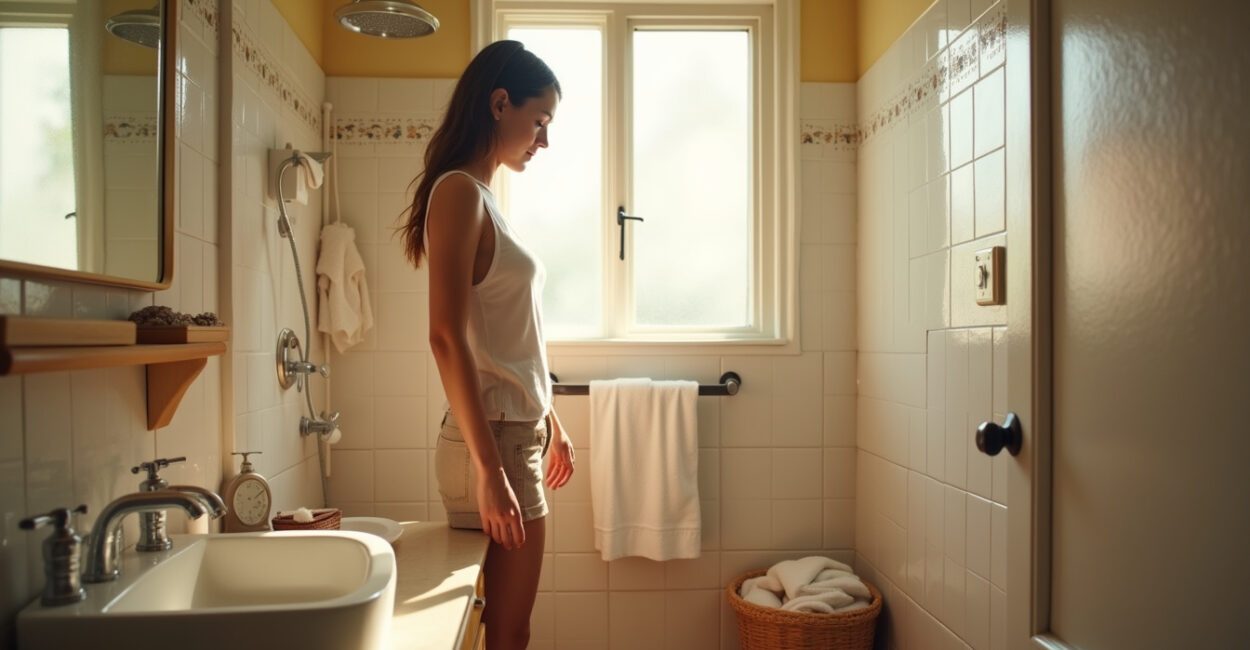
A shorter shower, a properly adjusted refrigerator, and fewer disposable packages can reduce waste without requiring purchases or renovations. Sustainable living at home without spending starts with changes to your routine: choose one habit, monitor your consumption, and stick with what works for your household. The idea is to use natural resources and materials responsibly, reducing your everyday environmental impact. At home, that might mean using less water and energy, reusing what you already have, and sorting waste according to local rules.
To get started, look for waste you can see: a dripping faucet, a light left on in an empty room, or food forgotten in the refrigerator. Small changes are easier to maintain when you track what’s happening instead of impulse-buying “eco-friendly” products.

How can you live more sustainably at home without spending money?
To make your home more sustainable without spending money, first change habits that use water, energy, and materials unnecessarily; then track whether those changes fit your routine. Start with what’s already within reach, such as turning off the faucet while scrubbing dishes, switching off lights when you leave a room, and reusing clean containers. Make one change at a time and prioritize those that don’t require equipment. For example, if a faucet is leaking, observing and documenting the problem can help you decide on the next step; the repair may require a part or a service call, so not every solution will be free.
A list of sustainability activities can help families talk about water use. The same principle applies to other sustainable habits: make the action visible and easy to repeat.
How can you save water while showering, washing dishes, and cleaning?
Saving water at home starts with using it for less time and turning off the flow when it isn’t needed. For example, an eight-minute shower uses less water than a 15-minute shower if the showerhead and other conditions are the same; the effect on your bill depends on your plumbing, rates, and hot water use. Keep shampoo and soap within reach, and turn off the water while you lather. At the sink, scrub dishes with the faucet off and turn it on to rinse. When cleaning floors, use a bucket if it’s appropriate for the surface instead of letting a hose run.
Watch for signs that are easy to overlook: a dripping faucet, a toilet that keeps refilling after a flush, or water running while someone looks for a cleaning cloth. Brazil’s National Water and Basic Sanitation Agency (Agência Nacional de Águas e Saneamento Básico, or ANA) provides information about water management and use on its official website. Household recommendations should be adapted to your plumbing and the guidance of your local water and sewer utility.
How can you reduce energy use from your refrigerator and lighting?

To reduce energy use without buying appliances, keep your refrigerator properly adjusted, maintain its door seal, and turn off lights in empty rooms. Results depend on the appliance, your rates, and your household’s habits; comparing bills from similar periods can help you evaluate changes without assuming a fixed amount of savings. Clean the door gaskets and check that the door closes completely. Avoid putting hot food inside and opening the refrigerator repeatedly while deciding what to eat. An overfilled refrigerator can also restrict airflow, so organize items without blocking the interior vents.
For lighting, make the most of natural light and do activities near windows during the day. When an old bulb burns out, replacing it with an LED may make sense, but it does involve an upfront cost. Procel, Brazil’s electricity conservation program, offers guidance for consumers; you can also consult the federal government’s Ministry of Mines and Energy.
Action Cost and tracking Adjust the refrigerator and clean the door seal No purchase needed; check that the door closes and compare your bills. Turn off lights and make use of daylight No cost; note when you forget during the week. Take shorter showers No cost; record shower times and compare water and energy use. Replace a burned-out bulb with an LED Requires a purchase; consider it when a bulb needs replacing.
A common mistake is to attribute every change in your bill to a single adjustment. The number of people at home, the weather, and the billing period can also affect comparisons.
How can you avoid plastic and sort waste correctly?
To reduce plastic, turn down packaging and disposable items you don’t need, reuse the containers you already have, and only then consider replacements. Sorting waste correctly means checking what your city’s recycling program accepts, since materials and procedures vary by municipality.
Read also: Corporate Sustainability Plan
Before buying a container, check whether you already have a clean one that can do the job. Reusable bags, food containers, and dish towels can help you avoid disposables when they’re available and suitable for the task. The goal is to reduce automatic consumption, not throw away items that still work.
Rinse or empty packaging according to local guidelines, and keep recyclables dry if your collection service recommends it. Organic waste, batteries, electronics, and medications may need to go to different facilities. To reduce your environmental impact, check with your local government or the responsible recycling cooperative before putting questionable materials in the recycling bin.
Read also: How Small Businesses Can Reduce Waste in Practice
If your family often brings home extra plastic bags from the grocery store, keep a reusable bag near the door. If it stays tucked away in the back of a drawer, it won’t change the habit; keeping it in your path as you head out makes it more likely you’ll use it. The impact of disposal depends on where the waste actually goes, so sorting it without knowing the local system doesn’t always solve the problem. Another article on environmental issues offers more on the subject.
For reusing vegetable scraps and peels, home composting may be an option. In an apartment, you’ll need to choose a method suited to your space, manage moisture and odors, and find out where the finished compost can go; it isn’t guaranteed to save money.
How can you do laundry using less water and energy?
Run the washer with a load that fits its rated capacity, and wash clothes when you have enough for a cycle—but don’t wait so long that stains set or clothes need a more intensive wash. The best interval varies with the type of clothing, your activities, and the number of people in your household. Separating heavily soiled items from clothes that need only a light wash can help you avoid unnecessarily long cycles. Check garment labels, use the amount of detergent recommended by the manufacturer, and, if your washer allows it, choose a cycle suited to how dirty the clothes are. Too much detergent can leave residue and require an extra rinse.
Air-drying clothes on a clothesline, when the weather and space allow, avoids using a dryer. In humid weather or homes without outdoor space, this may not be practical; don’t compromise ventilation or leave wet clothes sitting in a pile.
How can you keep your home comfortable and reduce waste without renovating?
To improve indoor comfort without renovating, make use of ventilation, block direct sunlight during the hottest hours, and reduce drafts where it’s safe to do so. The right solution depends on your home’s orientation, the climate, and the need for fresh air. Open windows when the outdoor air feels more comfortable, and close curtains or blinds when sunlight heats the room directly. A cloth or simple weatherstripping may help with a draft, as long as it doesn’t block necessary ventilation or exit routes.
For future renovations, consider shade, cross-ventilation, and materials suited to the local climate before choosing finishes. These decisions may improve comfort and reduce the need for heating or cooling, but they involve costs and depend on the project. No single solution works equally well in homes that are humid, hot, or poorly ventilated.
When researching topics related to buying and consumption, first compare what you already have at home. You can also learn how an approach works in learning contexts and consider the difference between alternatives before making a decision. To organize a routine, consider the time when each habit is easiest to maintain.
How can you tell whether the changes are working?
The changes are working when you maintain the habits and your records show a trend consistent with what you changed. A week can help you spot patterns, but it may be too short to measure changes in your bill, which is also affected by the weather, how many people are home, and the billing period.
Use a notebook or a note on your phone to track your actions and waste. You don’t need to assign a dollar value to every action; the first goal is to find out where waste happens most often.
- Day 1: Record the water meter and electricity meter readings, if accessible, and note your current habits.
- Days 2 and 3: Track showers, lights left on, and refrigerator use without changing everything at once.
- Days 4 and 5: Try one change, such as turning off the shower while you lather, and note whether you were able to stick with it.
- Day 6: Observe the amount of disposable and recyclable waste produced, without combining different waste categories in your comparison.
- Day 7: Compare your notes and choose one change you can realistically continue.
When comparing bills, use periods of similar length and conditions whenever possible. If a change requires a purchase or repair, record that cost separately so you don’t confuse reduced consumption with guaranteed financial savings.
Next step: choose one change to try
Today, choose one source of waste you can observe and record the starting point. Keep it up for a week without changing several habits at once; then decide whether the change was practical and worth continuing.
Frequently asked questions
Do I need to buy sustainable products to get started?
No. Reusing what you already have and avoiding waste are ways to get started without buying new products.
Can I put any packaging in the recycling bin?
No. Rules vary by municipality and available services; check which materials are accepted and how they should be prepared.
Is it better to hand-wash a few items or wait to use the washing machine?
It depends on the amount of laundry, the appliance, and the needs of each item. With a washing machine, avoid very small loads when the cycle and the machine’s capacity allow you to wait for a suitable load; delicate or urgently needed items may require different care.
How can I prevent bad odors from apartment composting?
Odors often indicate an imbalance in moisture, too much waste, or insufficient airflow. Follow the instructions for your chosen method and don’t add materials it can’t handle.
Is one week enough to know whether my bill went down?
In general, a week is more useful for tracking habits than drawing conclusions about your bill. Compare similar billing periods and account for changes in weather, occupancy, and appliance use.
Artigos Relacionados
 How to Build a Sustainable Brand Without Losing Your Margins
 Sustainable E-Commerce Packaging: 7 Options That Protect Products, Reduce Waste, and Control Costs
 Home Gardening: How to Grow Your Own Food in a Healthy, Affordable, and Sustainable Way
 Sustainable School Gardens: Engaging Students with Nature
 Sustainable Packaging for Small Businesses: Is It Worth It?
 Sustainable School Garden: How to Start One From Scratch
