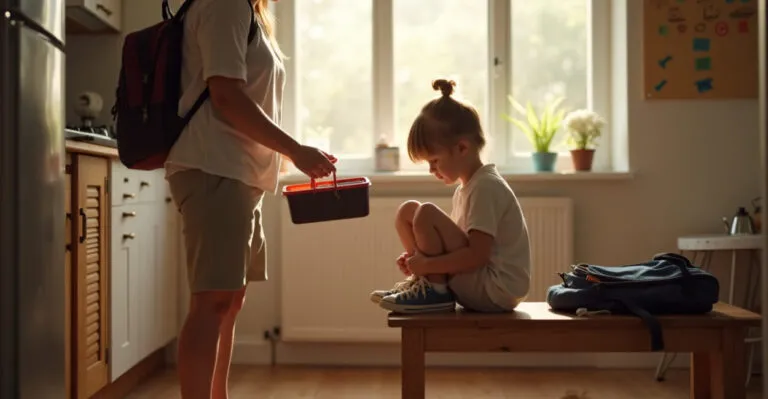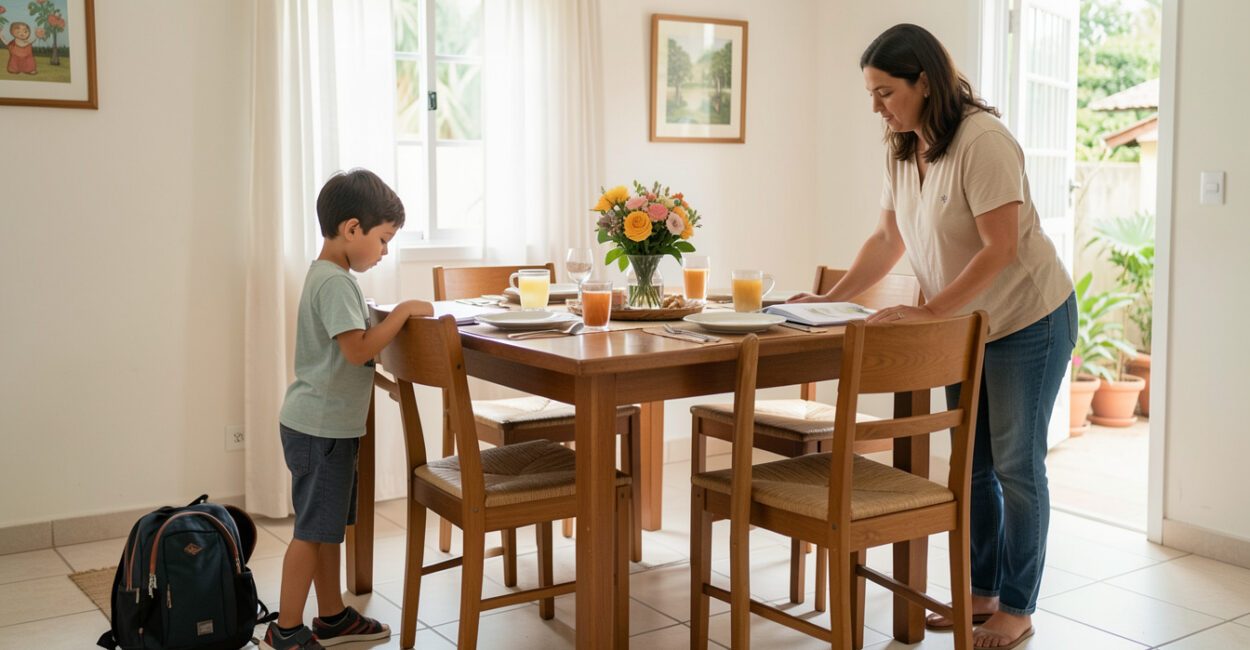
Sometimes homework starts late because the child comes home tired, the table is occupied, and no one has agreed on what can interrupt the study time. An at-home study routine works best when it fits the family’s schedule and takes each child’s age, energy, and needs into account.
Start by choosing a realistic time, setting a study period that fits the assignment, and planning breaks. Then observe what happens throughout the week: can your child get started, keep going, and finish?

This sequence can help you figure out what needs adjusting.
How do you set study times and session lengths at home?
The best time is when your child is ready to focus and the family can protect a predictable stretch of time. Session length depends on age, the assignment, and independence: start with a short block, see how your child responds, and adjust as needed instead of setting the same daily study time for every child.
A schedule should take school hours, sleep, meals, and physical activity into account. Some children prefer to rest a little after getting home before studying; others do better starting before playtime. A child’s development also affects how long they can sustain attention, so a session length that works for one child may be too much for another.
Instead of attempting one long session, try starting with 10 to 15 minutes of work. If your child stays focused and finishes the agreed-upon task without becoming overwhelmed, you can gradually extend the block. If attention fades sooner, shorten the session or break up the activity. The Center on the Developing Child at Harvard University discusses how self-regulation skills develop; this helps explain why expecting a child to have an adult’s level of control and focus can lead to frustration.
Study times can also vary by day. A harder assignment may go better when your child is well-rested, while a light review may fit better at another time. General recommendations have limits: learning needs, health, sleep, and the school’s guidance may call for a different setup.
How can you fit studying into your family’s routine?
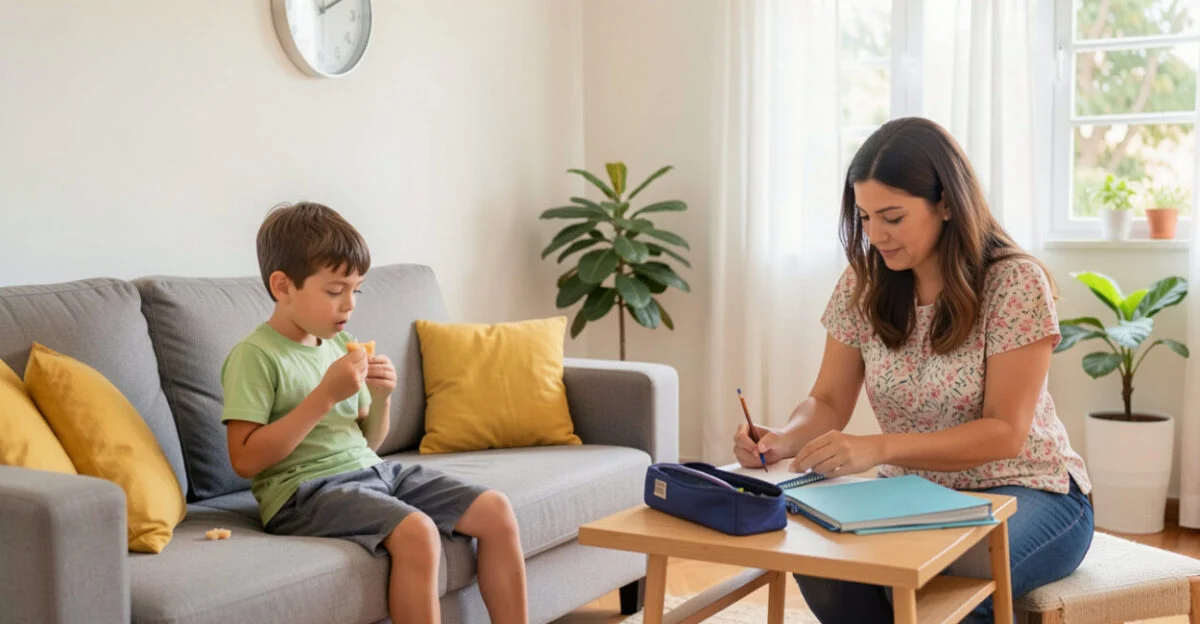
Agree on a start time, a place to study, and simple rules for interruptions. These agreements make the transition more predictable and help reduce friction between your child and the adults at home.
- Give your child advance notice of when study time will begin.
- Agree on who will be available to answer questions during the assignment.
- Have supplies and water ready before getting started.
- Ask other household members not to interrupt unless necessary.
- Allow some transition time between getting home from school and starting homework.
A 20- to 30-minute break between getting home and starting homework can help if your child is exhausted. That transition can include a snack or some downtime, but be clear about when it ends: “After your snack, we’ll get started at four.” A small adjustment to the routine is often more sustainable than trying to eliminate every break from the day.
Let your child help choose details, such as which assignment to do first or which supplies to get out. Having a say in age-appropriate decisions gives them some independence without making them responsible for organizing everything.
How can you plan the week’s subjects, assignments, and goals?

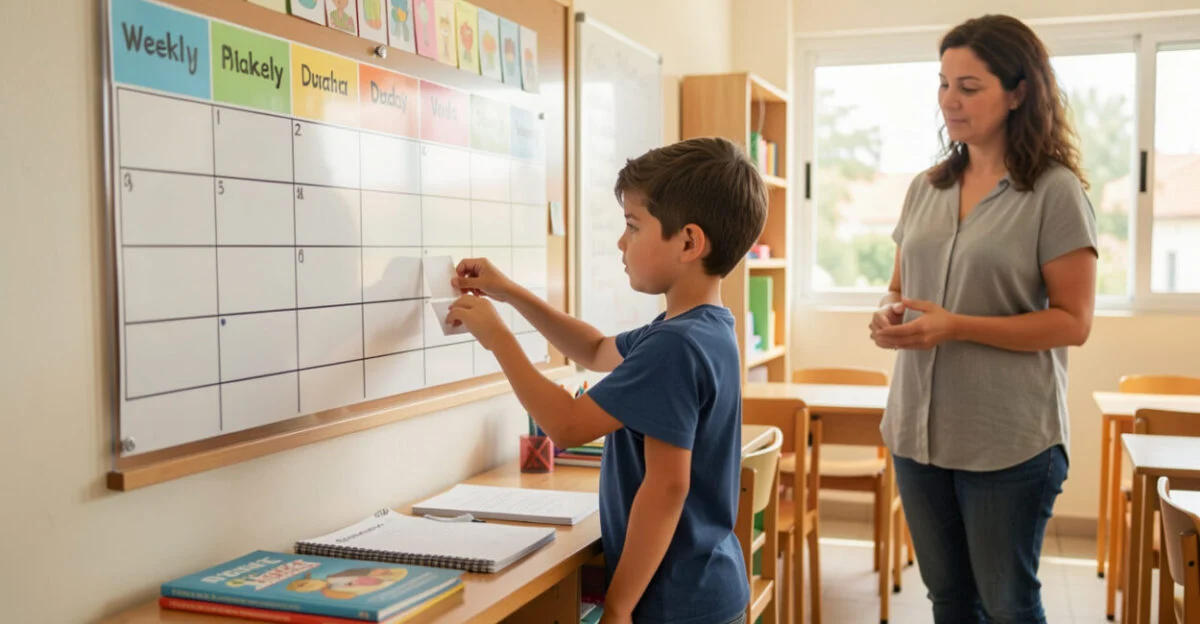
Plan the week around assigned work, due dates, and the time available each day. A simple chart can help prevent everything from piling up the night before and make it easier to see which assignments can be broken into steps.
Day Study plan Monday Check assignments and start the most urgent one. Tuesday Continue the assignment and review material covered in class. Wednesday Do the exercises or reading assigned by the school. Thursday Finish any outstanding work and ask questions. Friday Check due dates and get materials ready for the following week.
This is an example, not a required schedule. If your child has a test or a larger project coming up, break it into steps: research, draft, and revise on different days. To see how a learning approach can be put into practice, prioritize activities that involve students and encourage them to explain what they’re doing, rather than simply working through pages of assignments.
Older students can apply the same principle to a college entrance exam study schedule: spread subjects throughout the week, set aside time for practice questions, and plan review sessions. The workload and difficulty increase, but a weekly check-in is still useful for determining whether the plan is realistic.
Do study breaks help or get in the way?
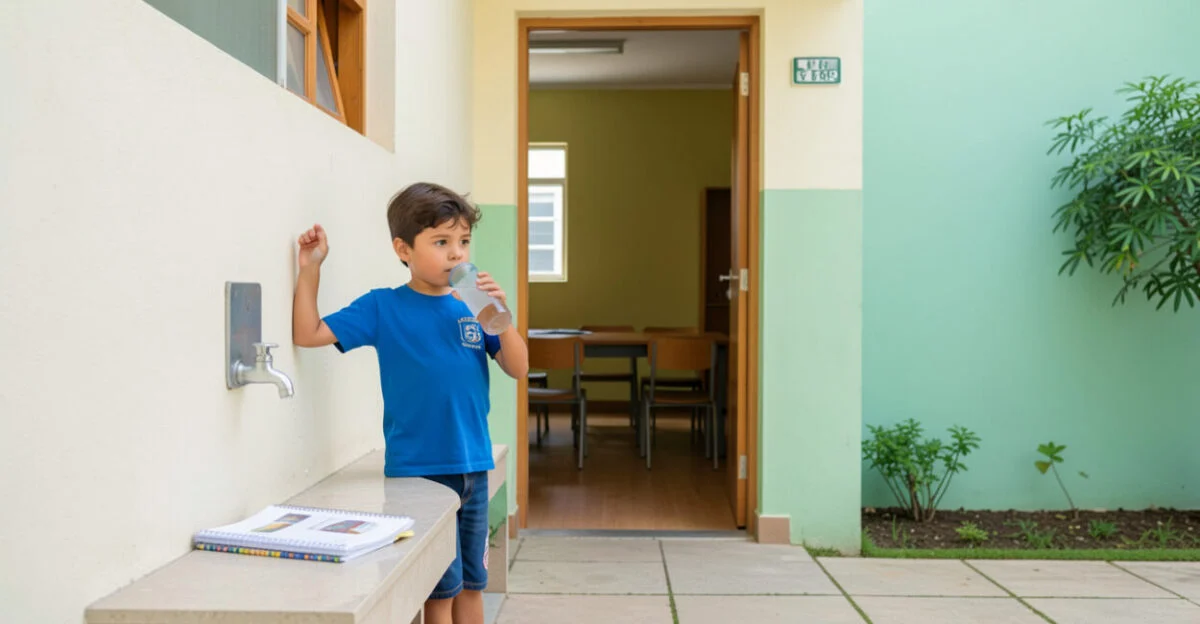
Short breaks help when they interrupt fatigue without distracting your child for too long. They give kids a chance to move around and return to their work with more focus. Long breaks, or ones that are hard to end, can make it more difficult to get back on task.
One possible starting point is to study for 10 to 15 minutes, then take a 2- to 5-minute break before starting another block. These intervals are a starting point to try, not a rule based on a universal attention span. More independent children may be able to work for longer stretches, while demanding tasks may call for shorter blocks.
Choose breaks with a clear start and end: getting a drink of water, using the bathroom, or stretching. Videos and mobile games can make it harder to get back to work because kids often want to keep watching or playing. If that happens, keep the device out of the study area during the agreed-upon time.
A break can also mark a change in activity. After reading, for example, your child might work on a few problems. Switching tasks can keep the whole session from feeling like one long, tiring repetition.
Read also: Study Routine: A Simple Method for Everyday Academic Independence

Do I need a dedicated room to set up a study space?
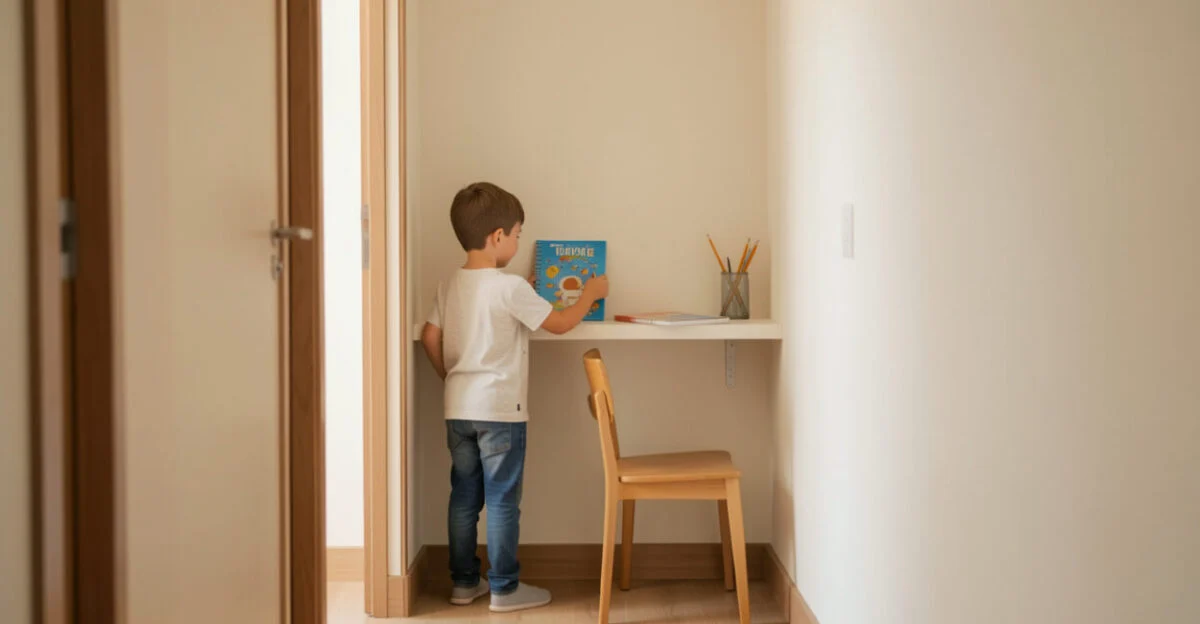
No. A shared table or an organized corner can work well, as long as your child can find the materials and focus during the agreed-upon time.
Keep only what’s needed for the assignment on the work surface, such as a notebook, pencil, and book. If your home is busy, a chair facing a wall or away from the TV can reduce distractions. Using the same spot regularly can also help your child associate that space with study time.
The space doesn’t need to look like a classroom. In many homes, the dining table works fine, as long as supplies can be put away and the family knows when the space is in use. Guidance from Brazil’s Ministry of Education (MEC) can help you find official education information; the home study space, meanwhile, should suit each family’s circumstances and agreements.
What should you do when your child doesn’t want to sit down and study?
When your child resists, find out what’s making it hard to get started before applying more pressure. Fatigue, an assignment that seems difficult, distractions, or not knowing what to do first may all show up as refusal.
Instead of presenting a whole list at once, give your child one small, concrete action: open the notebook to the assignment or read the first question. If the task seems overwhelming, break it into smaller steps. Ask what’s difficult and listen to the answer before assuming your child just doesn’t want to do it.
A small, clearly defined task can make getting started easier than a broad demand to “get everything done.”
If your child refuses every day, pay attention to when it happens and which subject is involved. They may be tired at that time, worried about making mistakes, or need help understanding the material. If so, talk with the school to align expectations and find out whether there’s a specific challenge.
Avoid turning study time into an endless negotiation, but make room for your child’s frustration. A simple agreement can help: the adult prepares the space and offers support; the child tries the first step and speaks up when something isn’t clear. You can also encourage school motivation by recognizing effort and strategies, rather than praising only the outcome.
How can you review the routine and build a study habit?
Set aside a few minutes at the end of the week to see whether your child started, kept going, and finished assignments. This can help pinpoint the problem: if it takes a long time to get started, reconsider the time; if your child starts but stops, look at the session length or distractions; if they make progress but don’t finish, check the workload or difficulty of the subject.
For the review to be useful, change one variable at a time. If getting started is hard, try a different time for a few days without also changing the study space and block length. When several things change at once, it’s harder to tell what helped.
One child may need closer supervision than another, and a routine that worked at the beginning of the school year may need to change as new activities or assignments come up. For ideas suited to different ages and needs, explore resources about early childhood education and reference materials from UNICEF Brazil.
Start by choosing a likely study time and a short block for the coming week. At the end of the week, use what you observed about getting started, staying on task, and finishing to decide which single factor to adjust.
Question Short answer Best time When your child is ready and the family can stick to the plan. Study time Depends on age, the assignment, and your child’s response; start with short blocks. Breaks Short breaks help kids rest, as long as it’s easy to get back to work. Study space An organized corner may be enough; a dedicated room isn’t necessary. Resistance Find out what’s getting in the way and suggest one small first step.
Frequently Asked Questions
Is it better to study before or after playtime?
It depends on how your child feels after school and when they can concentrate. Try one sequence for a few days and see whether they start and finish assignments with less resistance.
Should I stay with my child throughout the entire assignment?
Not necessarily. Younger children may need more supervision, while more independent kids may be able to work on their own and ask an adult when they have questions. Adjust the level of supervision to the activity and each child’s abilities.
What should I do if homework takes longer than expected?
Check whether your child understood the assignment and whether it can be broken into smaller parts. If the difficulty continues, make a note of what happened and talk with the school before adding study hours on your own.
Do we need to follow the same schedule on weekends?
In general, weekends can be more flexible. If there’s unfinished work or an upcoming test, agree on a short, set study period while preserving time for rest and other activities.