
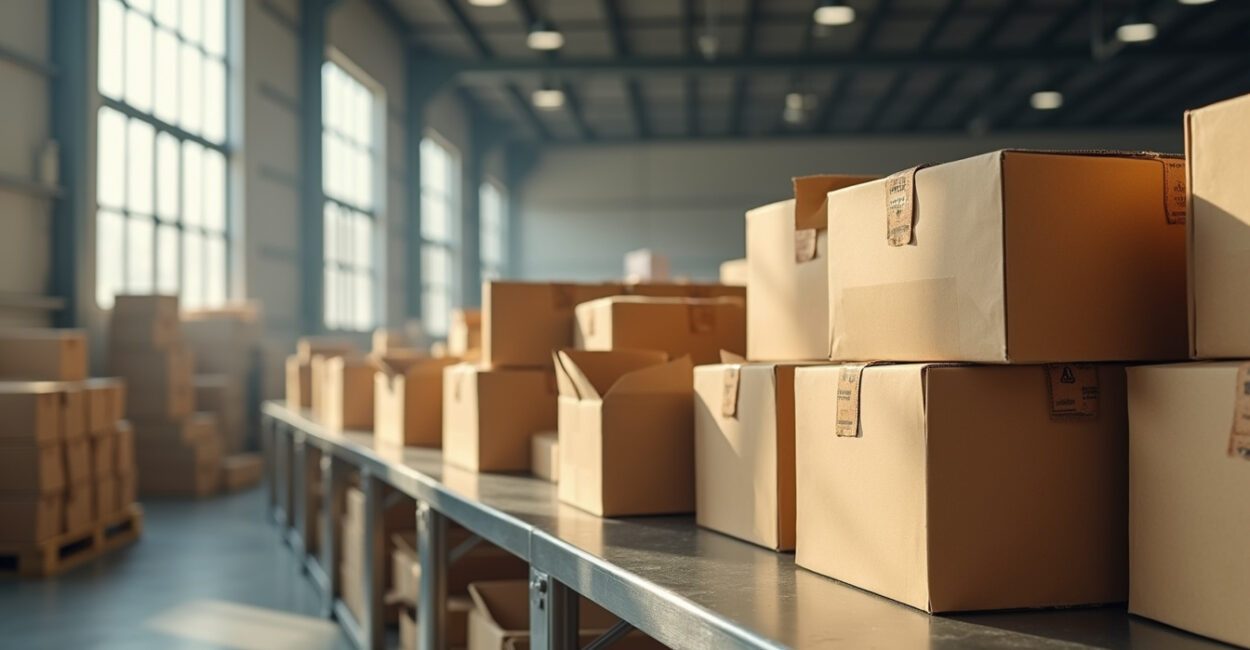
A box that’s larger than the product requires more cardboard, takes up warehouse space, and can increase shipping costs. To choose recyclable e-commerce packaging, compare the protection needed, package size, material composition, and the collection options available to the customer. Recyclable packaging is made from materials that can be reused as raw materials in a recycling process. That doesn’t guarantee it will be recycled: proper sorting and local infrastructure also affect where discarded packaging ends up.
Operational savings usually come from combining several decisions: avoiding unnecessary layers, standardizing dimensions, and buying formats that fit the products you ship. A package that costs less per unit can end up costing more if it needs extra reinforcement, takes up too much space, or fails to protect the goods.

Key takeaways
- Corrugated cardboard works for many shipments, as long as the size and strength suit the product.
- Paper mailers can work for lightweight, nonfragile items; they don’t replace a box when there’s a risk of crushing or impact.
- Mixed materials, such as paper with a plastic laminate, can make sorting and recycling more difficult.
- Total cost includes packaging, storage, assembly time, shipping, and damage-related losses.
- Disposal instructions should explain what to separate and where to check local rules, without promising that every municipality recycles the material.
Types of recyclable e-commerce packaging and when to use each
The most common options are corrugated cardboard boxes, paper mailers, and flexible recyclable plastic packaging, each suited to different products and shipping conditions. Choose based on weight, fragility, moisture exposure, and the level of protection needed, as well as the materials used in the complete package and whether the recipient’s area offers collection and recycling. Corrugated cardboard provides structure and allows packages to be stacked. It can contain recycled material, but its dimensions and strength still need to match the load: an oversized box may need extra filler and allow the product to shift during transit.
For lightweight items without fragile parts, kraft paper mailers can reduce package volume and make sorting easier. Suitability depends on the product: folded clothing is different from an item that could break or become misshapen. Tape, labels, and coatings matter too; a paper mailer with a plastic layer glued to it shouldn’t be treated as if it were made entirely of paper.
Flexible plastic packaging may be suitable for items that need a barrier against moisture or dirt. Identifying the type of plastic can help with sorting, but it doesn’t solve the disposal question: collection and processing options vary by municipality. The Ministry of the Environment website provides official information about waste and environmental policies; for everyday disposal, it’s also worth checking with your local waste services.
Format
Best use
Limitations to consider
Corrugated cardboard box
Products that need structure or protection from compression
Excess volume uses more material and may take up more space during shipping
Paper mailer
Lightweight, flexible items that are unlikely to be damaged
Provides less protection against impact and crushing
Flexible plastic packaging
Items that benefit from a barrier against moisture or dirt
Recycling depends on the type of plastic and local collection and processing infrastructure
When evaluating alternatives, look for information about the material’s recycling and don’t assume something is environmentally beneficial just because it looks that way. Some paper products, for example, may have finishes that make sorting more difficult. Recyclable materials should be assessed as a whole, not just by their main component.
Packaging can only return to the production cycle if its composition and the collection system allow it to be sorted and processed.
Read also: How to Properly Dispose of Used Cooking Oil
How to choose and implement recyclable packaging in your operation
Start by measuring products in their packaging and identifying which formats protect each category without leaving unused space. Then compare total costs: purchase price, storage space, assembly time, sealing materials, shipping, and potential damage-related losses. This approach helps you avoid choosing based only on unit price.
One useful approach is to sort orders by product type: lightweight and flexible, rigid and durable, or fragile and impact-sensitive. Then test a few combinations of boxes, mailers, and interior cushioning. The test should replicate your usual packing and handling process; packaging that works when empty or sitting on a workbench may fail when stacked or moved.
- Standardize a small range of sizes to reduce waste and scattered purchasing.
- Check strength and fit before placing a large order.
- Record which products need extra protection and where it’s required.
- Check that the supplier’s specifications describe the materials, coatings, and supply conditions.
- Make sure the team can assemble and seal the package without improvised steps.
Finishing details also affect sorting. Excess tape, overlapping labels, and glued-on plastic windows can make separation more difficult. A list of materials and components used for shipping can help you review what you can reduce without compromising sealing or order identification.
A supplier with consistent dimensions and specifications makes inventory easier to manage. Consolidating compatible formats can reduce the number of box types and prevent the team from using the wrong package just because it’s the only one left. It can also support more efficient processes, without assuming that one supplier will always be the best choice.
Reducing packaging costs starts with eliminating space and steps that don’t protect the product.
A decision-making approach for different scenarios
Consider a store that ships clothing and small fragile items. A piece of clothing that doesn’t wrinkle easily can go in a paper mailer if the size and seal are appropriate; a fragile item needs structure and interior protection, such as a properly sized box. If an order combines both types of products, choose packaging based on the more vulnerable item, without leaving excessive room for movement.
This example doesn’t establish a universal format: dimensions, weight, route, and handling all vary. For small items, careful use of interior space can prevent an oversized box from using more material than necessary; for fragile items, reducing volume shouldn’t mean removing necessary protection.
If your team wants to evaluate a change without disrupting operations, run a limited test with a group of products and track assembly, damage, supply use, and disposal. A simple adjustment, such as switching from a premium box to a more basic, standardized model, saves money only if it still protects the order and doesn’t create extra work.
How to guide customers on disposal

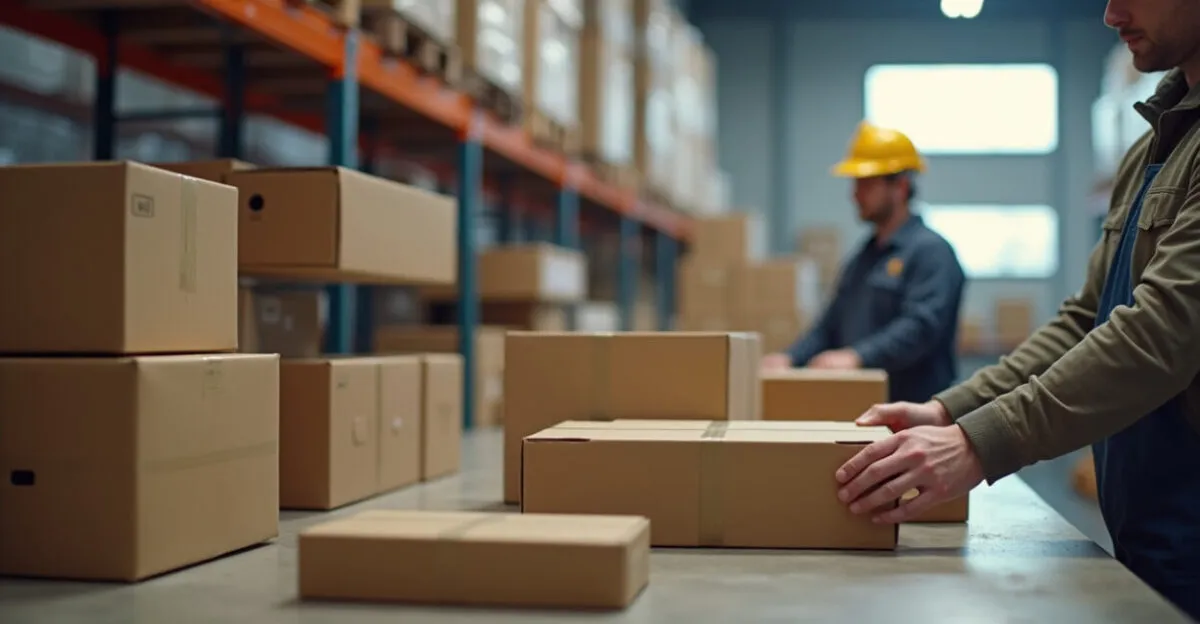
Identify the primary material and explain how to separate components before disposal. If the packaging includes paper, plastic, and tape, don’t claim the entire package is recyclable without verifying its composition and applicable guidance; tell customers to check with their local recycling program or waste services.
A short instruction can clarify what to do: remove the contents, separate different materials when possible, and keep paper or cardboard dry and free of excess residue. For flexible packaging, identifying the material may help, but it doesn’t guarantee local collection or processing.
Reverse logistics and recycling programs depend on systems and rules that can vary. Brazil’s National Solid Waste Management Information System (SINIR) is an official source of information on waste management; stores can also direct customers to check with their local government or the cooperative serving their area.
Avoid vague claims like “100% sustainable” unless they’re specifically substantiated. Sharing the material composition, its limitations, and how to sort it is more useful to customers and provides a solid basis for sustainability messaging.
Before changing your shipping standards, select a group of products, document the current format, and test a suitable alternative. Compare protection, supply use, space occupied, and ease of sorting; then update disposal instructions based on local rules, without promising an outcome your operation can’t control.
Frequently asked questions
What’s the best packaging for the environment?
It’s packaging that protects the product using only the material needed and can be sorted and sent for recycling where the customer lives. Its impact also depends on composition, transportation, and local infrastructure, so there’s no single best format for every order.
What are the three types of packaging?
A common classification divides packaging into primary, secondary, and tertiary. Primary packaging touches the product directly; secondary packaging groups or protects products; tertiary packaging bundles packages for shipping and handling.
What packaging is best for e-commerce?
Corrugated cardboard boxes are versatile for products that need structure; paper mailers can work for lightweight, flexible items; and flexible plastic packaging may be useful when moisture protection is needed. The right choice depends on the product, the shipping route, and available disposal options.
Can recyclable packaging be recycled in every city?
No. Collection and processing vary depending on local infrastructure and which materials each municipality accepts. Customers should check local guidelines, and stores should avoid guaranteeing recycling when they don’t control that step.
How can you tell if packaging is recyclable?
Check the composition and look for manufacturer information about the materials and how to separate the components. Symbols or labels on the package don’t guarantee that the material is collected and recycled in your area; check local service guidelines too.
Artigos Relacionados
 Sustainable E-Commerce Packaging: 7 Options That Protect Products, Reduce Waste, and Control Costs
 Sustainable E-Commerce Packaging: 7 Practical Options
 Creative Portfolio for Clients: The Mistake That Costs You Work
 Open-Ended Toys: Choices That Inspire Creativity
 Pharmaceutical Packaging: Requirements That Sell Your Product
 Common Low-Cost Solar Panel Mistakes: Nine Failures That Cut Your Savings and How to Avoid Them Now
