
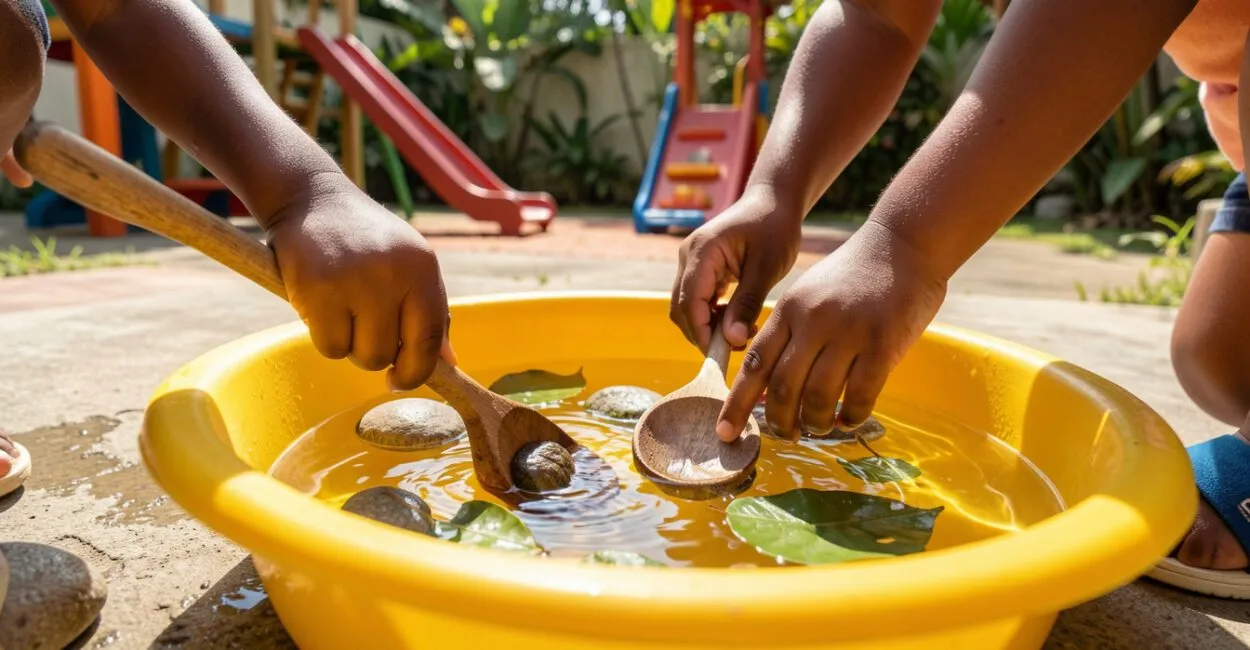
A basin of water, a few objects, and time to explore can turn an ordinary moment into an opportunity for discovery. Sensory play invites children to investigate materials and phenomena through their senses, using simple activities that work at school and at home. Children can explore textures, sounds, colors, and scents, with adaptations for their age, interests, and individual needs. Safety starts with choosing the right materials and continues throughout the activity: supervision, awareness of allergies, and choking prevention are essential.
What Is Sensory Play, and How Can You Include It in Your Teaching Routine?
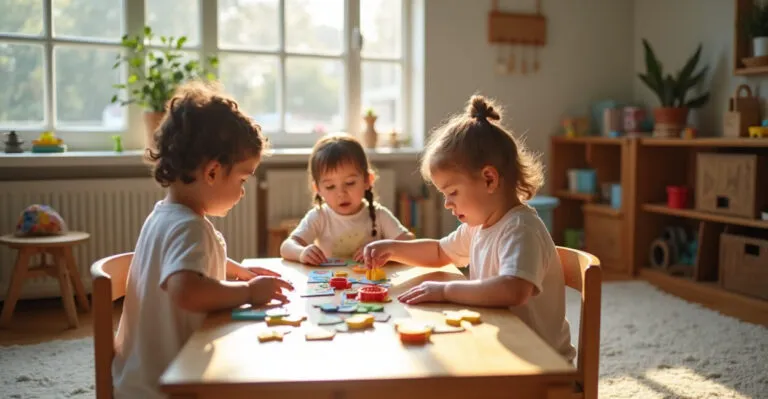
Sensory play activities offer children sensory input—such as different textures, sounds, temperatures, colors, scents, and tastes—so they can observe and interact with their surroundings. At school, these activities can be part of a learning sequence, provided they have a clear purpose, appropriate materials, and room for children to participate at their own pace. An activity might invite the class to compare rough and smooth surfaces, identify sounds in the environment, or observe what happens when water passes through different containers. The teacher sets up the activity and guides discoveries with open-ended questions such as “What changed?” or “What sound did you notice?” Exploration is most rewarding when children can choose how to engage: by touching, looking first, using a tool, or simply watching.

A well-planned sensory activity offers choices, lets children explore safely, and welcomes different ways of participating.
This type of experience can support curriculum goals, such as observing the properties of materials, building vocabulary, and sharing discoveries. What it offers depends on the context, the teacher’s guidance, and each child’s response; it cannot guarantee a specific learning or behavioral outcome.
How Can You Choose and Adapt Activities for Each Child’s Age, Interests, and Needs?
Choose an activity based on each child’s development, communication style, interests, and support needs. Age can help you estimate the level of supervision and complexity required, but it does not determine on its own what a child will find comfortable or engaging. For babies and toddlers, choose brief activities with large, washable objects that cannot be swallowed, and provide close supervision at all times. For children ages 2 to 3, exploration can involve large containers and simple tools, as long as an adult keeps small pieces and other items that could go in a child’s mouth out of reach. For older children, add comparisons, drawing-based records, or sorting activities based on the class’s interests.
Watch for signs of discomfort, such as pulling away, covering their ears, or trying to leave the area. Turn down the volume, remove a material, offer an alternative, or end the activity. Some children seek out certain stimuli; others avoid those same stimuli. Preferences can change depending on the environment, fatigue, and how familiar the activity is.
If the school is already planning age-based activities for a special event, sensory play can tie in with ideas for Children’s Day in early childhood education, with materials and activity length adapted to the class.
Which Tactile Activities Using Everyday Materials Are Easy to Set Up?

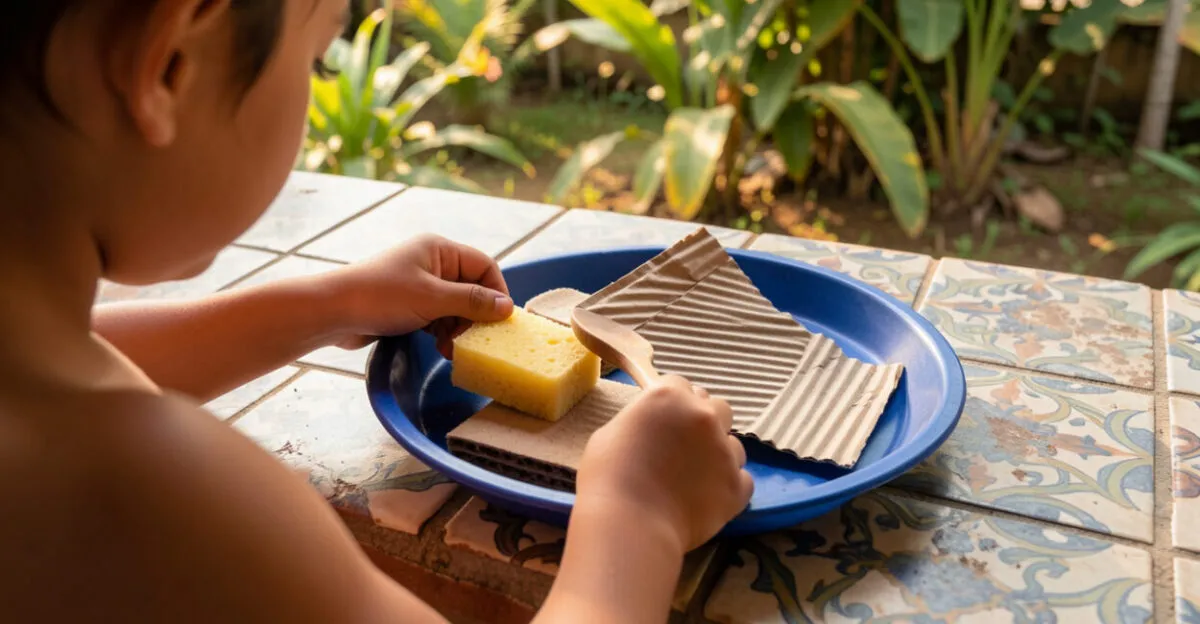
A sensory box with large, safe objects is a simple option: children can explore surfaces, compare materials, and describe what they notice. Use just a few items at a time, and make it clear that the goal is to investigate—not to touch everything.
Texture Box
Materials: an open box or tray and large pieces of fabric, a new sponge, corrugated cardboard, and felt. Check that there are no staples, sharp edges, or loose parts. Steps: Set out two or three materials; invite the child to look, touch them by hand, or use a spatula; then compare words such as soft, rough, and firm. For children who prefer not to touch materials directly, offer a spoon or large tongs that are appropriate for their age and safe to use.
Water Painting
Materials: wide paintbrushes, water, and a washable surface, such as a dark-colored board or an outdoor area approved by the school.
Complete guide: Teaching Practices in Early Childhood Education
Steps: Offer a wet brush and invite children to make marks, observe the strokes, and watch the water evaporate. This is a no-paint alternative, but the floor must be dry or protected to prevent slips. A common mistake in tactile exploration is putting too many materials on the table at once. This can make it harder for children to choose and keep the space organized. Starting with a few options lets you see what interests them and make adjustments without turning the activity into an obligation.
Read also: Physical Activity for Kids: Educational Games
To add movement to the exploration, a circuit can include tactile stations without requiring every child to try each one. Learn how to plan a movement circuit using everyday objects and adapt the route to the class’s abilities.
How Can You Explore Sounds, Colors, Scents, and the Five Senses?
Set up short activities focused on one type of stimulus at a time, so children can notice what is being presented and choose whether to participate. Taste requires extra care: offer only foods that are age-appropriate, approved by the school, and suitable for known allergies and dietary restrictions.
- Hearing: Make soft sounds with crumpled paper, large, securely sealed shakers, or classroom instruments. Invite children to find where the sound is coming from; keep the volume low and stop if anyone seems uncomfortable.
- Sight: Set large blocks or color cards on a table. Give children time to look, sort colors, or follow a slowly moving object if they find it comfortable.
- Smell: Present closed containers with familiar scents, such as orange peel, at a distance. Don’t bring the container close to a child’s face or use concentrated fragrances; stop the activity if irritation, asthma symptoms, or discomfort occur.
- Taste: For a planned tasting, offer small portions of familiar foods with family consent and after checking for allergies and dietary restrictions. Children can refuse without pressure.
A five-senses activity does not need to engage all the senses at once. Separating experiences helps children notice differences and lets you remove one stimulus without canceling the entire activity. In a themed workshop, these explorations can be combined with an art workshop using simple materials, as long as each station has its own instructions and supervision.
What Educational Activities Can Be Offered to Autistic Children?
Activities can offer predictable routines, accessible instructions, and different ways to participate, based on each child’s observed preferences. Autistic children have diverse sensory profiles: a sound may be pleasant to one child and overwhelming to another. That’s why activities should allow children to decline, take a break, or make a choice.
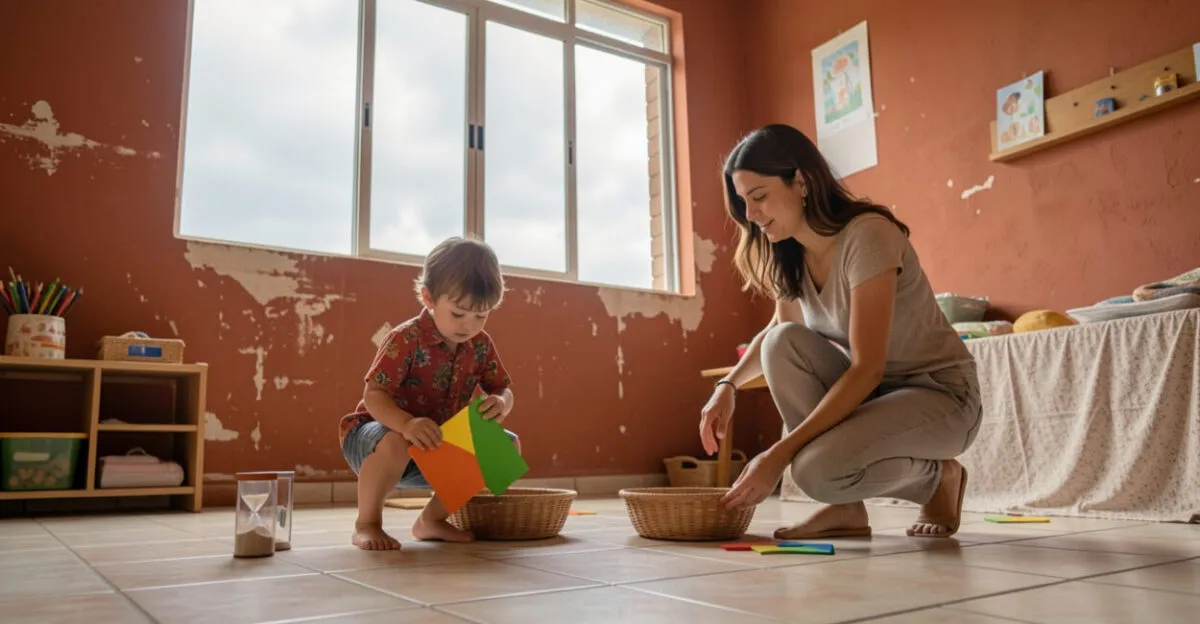
A sorting activity with large objects grouped by color or texture may work well for a child who enjoys categorizing. Another child may prefer to watch a visual timer, explore a material with a tool, or listen to a quiet sound. Visual supports with pictures or step-by-step directions can help children anticipate what will happen, but the team should check whether this format works for the child.
To support participation, the teacher’s notes can include which materials were offered, how the child was able to choose, and what adjustments were needed. Avoid labeling an activity as “calming” or assuming a strategy will work for the whole class. The school can coordinate activities with the family and the professionals who support the child, while respecting educational goals and the scope of each person’s role.
Visual supports or printable materials, such as a sequence of steps or choice cards, can be part of educational activities for autistic children. However, a free download or activity book should be reviewed first: check that the language, difficulty level, and format are accessible to the child rather than treating the worksheet as a one-size-fits-all solution.
What Safety Precautions Are Needed for Materials and Supervision?
Before starting, assess the risks of choking, ingestion, allergic reactions, cuts, slips, and reactions to scents or sounds. The activity requires active supervision, with an adult able to monitor the group and keep unsuitable materials away from children’s mouths and eyes.
- Avoid grains, beads, buttons, bottle caps, and small pieces with children who might swallow them; use large, intact materials.
- Check labels and family-provided information about allergies, dietary restrictions, and sensitivities to products. Don’t use unfamiliar items or irritating substances.
- Discard damaged materials and clean shared objects. For water activities, limit the amount of water and dry the floor as soon as you’re done.
- Don’t offer food as part of a game without permission, allergy checks, and precautions against choking.
The Brazilian Ministry of Health website provides public health guidance; for a school activity, also check local protocols and the institution’s recommendations. Supervision and material selection should take into account age, mobility, and observed behavior—not just the list of objects.
How Can You Document Activities in Your Lesson Plan?
Record the objective, materials, available adaptations, anticipated risks, and how you’ll observe participation. This planning helps the activity build over time and lets the team know what to adjust, without framing the observation as a promise of therapeutic results.
A brief planning sheet can include the learning goal, estimated duration, room setup, participation options, safety precautions, and questions for a follow-up conversation. For example, in a sound activity, the goal might be to compare timbres; observations could note which sounds the class identified and what volume adjustments were needed.
Make the activity part of the class’s broader plan rather than treating it as a standalone exercise unrelated to what students are learning. For a group activity, a cooperative game can complement the stations, as long as participation doesn’t depend on touching specific materials.
There is no single ideal duration or stimulus that works for every child. The same material may spark curiosity one day and cause discomfort the next. Objective notes and conversations with the team can help you decide whether to repeat, modify, or discontinue the activity.
Summary: Which Activity Should You Choose, and What Precautions Matter Most?
Question Quick answer Where should you start? Offer a few large, safe materials, with the option to watch without touching. How should you adapt activities by age? Consider development, the level of supervision needed, and individual preferences. How can you include autistic children? Preview the steps, offer choices, and adjust stimuli based on the child’s response. What needs the most attention? Small pieces, allergies, ingestion, sound volume, and wet floors. How should you plan? Set the objective, materials, adaptations, safety measures, and observation approach.
Choose an activity, try it with just a few materials, and note what made participation easier or harder. Observe the class and follow school protocols, and communicate with families to guide your next adjustment.
Can You Do Sensory Activities Without Buying Materials?
Yes. Fabric, clean cardboard, water, and large utensils can all work, as long as they are intact, clean, and appropriate for the child’s age. Check every item before offering it.
Does a Child Have to Touch Every Material?
No. Watching, pointing, using a tool, or choosing a different material are all valid ways to participate. Respecting a child’s refusal helps keep the activity safe and accessible.
How Can You Tell if a Printable Activity Is Appropriate?
Check whether the instructions are clear, the content matches the learning goal, and the child can access the format. A printed worksheet can support a routine, but it needs to be adapted to the individual child and does not replace the teacher’s guidance.
Artigos Relacionados
 Educational Play: 15 Ideas for Learning Through Play
 Colors and Shapes Activities: Learning Through Play
 Play-Based Learning in Elementary School: Learning Through Play
 Nature Games: 10 Ideas for Preschoolers
 Water Activities: Teach Sustainability Through Play
 Play-Based Activities and Child Neuroscience: 5 Effective Ideas
