
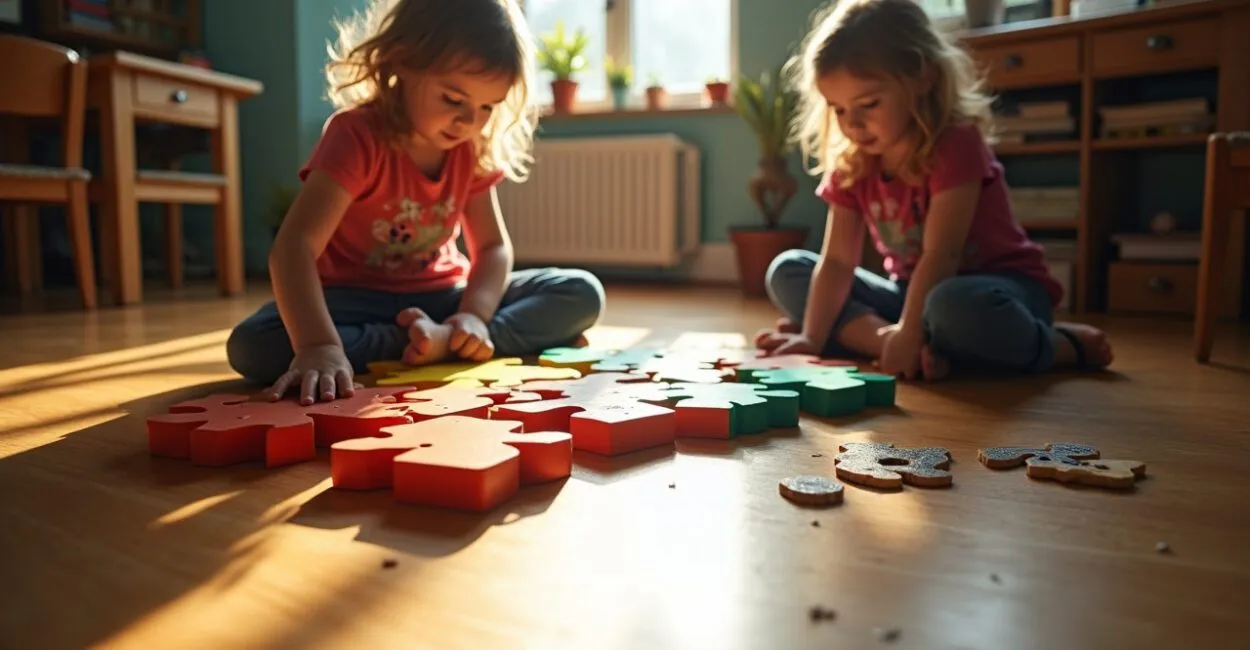
Play-based learning in elementary school turns learning goals into experiences where students explore, make decisions, and test their ideas. In a math lesson, for example, manipulatives can help students model fractions; in history, clues placed around the classroom can prompt the class to investigate events and sources. A game has educational value when the teacher knows what they want to teach and observes what students do during the activity.
What makes play so powerful in education?
In elementary school, play-based learning is an intentional way of teaching through games, challenges, role-play, and other participatory experiences. The approach combines a learning goal with rules or guidelines that let students explore, test ideas, and discuss what they discover. Interest in the activity can support focus and a willingness to try again, especially when the challenge is right for the class. To make that happen, the teacher needs to connect play with the subject matter: explain the goal, monitor students’ strategies, and make time for them to share what they learned. That way, fun and understanding can go hand in hand.

Exploring the foundations of play-based learning in elementary school
A well-planned play-based activity involves active participation, an achievable challenge, and room for choice. These elements help students draw on what they know and develop skills across different areas, which the teacher can observe during the activity:
- Cognitive: Classification, sequencing, and strategy games exercise memory, reasoning, and problem-solving. For example, when students put cards showing historical events in order, they explain what happened before and after.
- Social-emotional: Group activities give students opportunities to negotiate rules, listen to classmates, and learn from mistakes. When working together on a construction project, students need to agree on how to divide tasks and materials.
- Motivational: Clear goals and progressively challenging tasks can encourage persistence. Breaking a problem into steps lets students see their progress without making success depend on beating their classmates.
The teacher serves as a facilitator: explaining the rules, checking that everyone can participate, and asking questions that connect students’ decisions to the subject matter. Holistic development can also include motor skills, depending on the activity and the class’s needs.
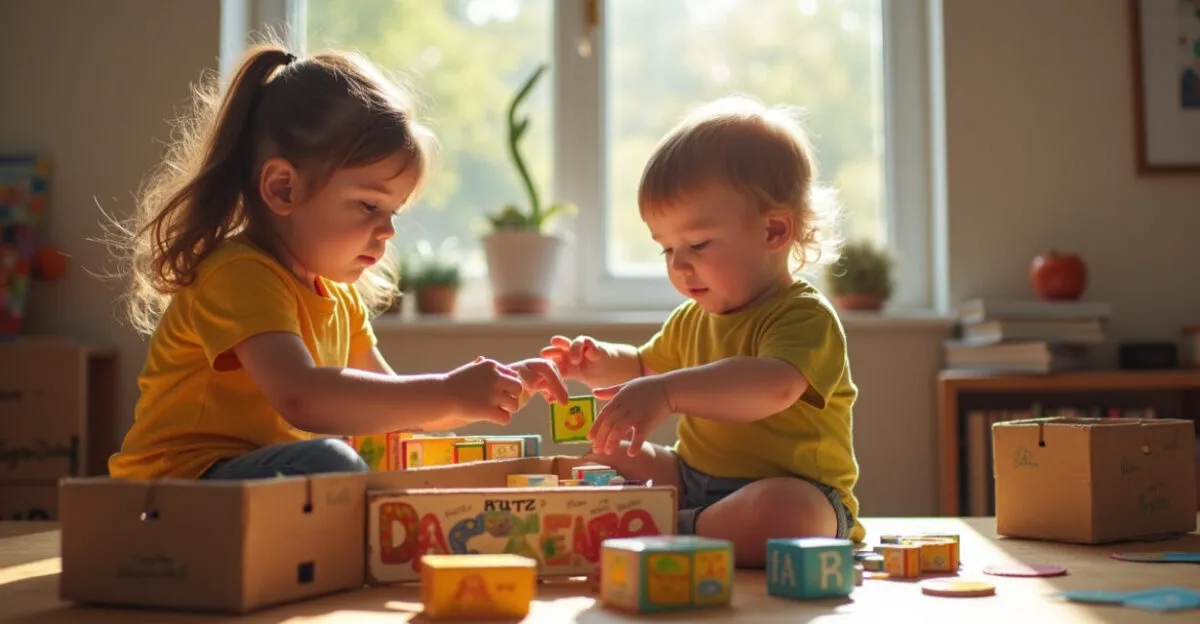
How to integrate games into the elementary school curriculum

When choosing a game, start with the learning goal, then select the activity. A game that works in one subject may need adjustments for another; the rules should help students practice or demonstrate the knowledge they are expected to learn.
- Define what students should understand or be able to do by the end.
- Choose a simple activity with available materials and rules suited to students’ age and the time available.
- Plan how you will observe learning: through answers, strategies, oral explanations, written work, or projects.
- Wrap up with a discussion or short task that connects the game to the subject matter.
Subject or topic Possible activity What to observe Math: fractions Build shapes with paper pieces divided into parts Whether students can relate the parts to the whole History: sequencing events Put cards with facts and clues in order How students explain the order and relationships between events Language arts: vocabulary Word market using cards and paper tokens Whether students recognize, read, and use words in context
Activities that capture attention and nurture learning
Simple games can teach a range of subjects without requiring expensive materials. Before you begin, explain the goal and rules; during the activity, observe students’ strategies; afterward, ask them to show or explain what they learned.
Read also: Parents and Play: Tips for Encouraging Playful Freedom
- Word market: Use letter or word cards and paper tokens as money. In pairs, students “buy” words to make a list or sentence. This activity builds reading, vocabulary, and writing skills.
- History clue hunt: Hide cards with information about a topic the class has studied. In groups, students find the clues, put events in order, and present the sequence, practicing source analysis and chronological understanding.
- Fractions with paper: Give students sheets of paper to fold into halves, fourths, and eighths. Ask them to compare the parts and explain how different fractions can represent equal amounts.
- Question board game: Draw spaces on paper or on the board and use questions related to the lesson. Students move forward when they explain an answer, giving the class a chance to review concepts without needing a store-bought game board.
A puppet story can support oral expression, while a model made from reused materials can help students represent science concepts. In each case, choose an activity that makes students’ reasoning visible instead of evaluating only who finishes first.
From games to understanding: a playful path to knowledge
Games and hands-on exploration can make abstract ideas easier to observe. To study the water cycle, for example, students can track a simple model using water in a clear container, following safety instructions and observing changes over time. They record what they see and connect their observations to the concepts they are learning.
In history, cards with sources, images, or descriptions let students compare perspectives and build a timeline. The teacher can ask which clues support each conclusion. This discussion helps determine whether students understood the material or simply followed the activity’s rules.
Common mistakes that undermine learning through play
Problems often arise when a game has no clear connection to the learning goal, the rules are hard to understand, or competition keeps some students from participating. It’s also common to end the game without revisiting the subject matter, missing a chance to identify questions or misconceptions.
- Demonstrate the rules briefly and check that everyone understands.
- Adjust the level of difficulty and offer different ways to participate, such as speaking, pointing, writing, or working with a classmate.
- Don’t eliminate students for making mistakes; give them another chance and recognize the strategies they use.
- Set aside a few minutes for questions, written reflections, or an exit ticket related to the goal.
The teacher can observe who participates, which approaches students choose, and where they run into difficulty. If the class is having fun but can’t explain the material, the activity needs adjustments or closer guidance.
The teacher’s role: guiding the learning game
The teacher plans the experience, monitors participation, and decides when to step in. Questions like “What clue led you to that answer?” or “Is there another way to solve it?” help students explain their reasoning without interrupting the game at every step. After the activity, a quick check can show what students understand and what needs to be revisited: an individual response, a drawing, an explanation with a partner, or an example created by a student. Ongoing professional development can also help teachers choose and adapt strategies. Brazil’s Ministry of Education (Ministério da Educação) provides official information about education and teacher training that can guide the search for useful resources.
The future of education is play: transforming elementary school
Play-based learning can be part of the school day when it aligns with the curriculum and fits the class’s real-world circumstances. Paper, cards, bottle caps, and materials already available at school can all be used to create games; the key is to define the goal, plan how everyone will participate, and choose a way to observe learning. A simple sequence—plan, play, discuss, and check what students learned—helps teachers refine the activity. If students don’t understand the rules or the subject matter, the teacher can simplify steps, change materials, or adjust groups for the next lesson.
Frequently asked questions
What are play-based teaching methods?
Play-based teaching methods use games, play, role-play, or challenges to address learning goals. In elementary school, the teacher defines the subject matter, guides the activity, and observes how students participate and demonstrate their understanding.
What are the benefits of play for child development?
Play can support reasoning, memory, and problem-solving; encourage cooperation, communication, and respect for rules; and promote participation and persistence. Outcomes depend on the goal, how well the activity fits the students, and the teacher’s guidance.
How can play be used to teach abstract concepts?
Teachers can represent concepts using materials, models, role-play, or challenges. Students can explore fractions with paper pieces; in history, clue cards can help them sequence events and discuss evidence. Afterward, students explain how the experience relates to the subject matter.
Can play be used in every elementary school subject?
Yes. Word games can support language arts, number challenges can teach math, and role-play can explore history topics. The activity should match the subject’s learning goal and let the teacher observe learning, rather than being included just to fill time.
What challenges arise when schools use play-based teaching methods?
Challenges include planning time, adapting rules for different learning paces, access to materials, and showing how the activity connects to the curriculum. Starting with simple games, using accessible materials, and keeping track of what works can help teachers make adjustments. Sharing ideas with colleagues and consulting teaching resources can also support the process.
What is the goal of a play-based activity?
The goal is to create a participatory experience that helps students practice or understand a specific learning objective. To do that, the teacher defines the goal, explains the rules, and includes a way to check what the class learned.
How can you tell if a game is supporting learning?
Observe whether students use the material they’ve learned to make decisions and can explain their choices. An oral response, a short written reflection, or an individual example after the game can show what students understand and what needs to be revisited.
How can games be adapted for different needs and learning paces?
Shorten or break steps into smaller parts, provide visual instructions, and allow different ways to respond. You can also pair students for support, allow more time, or offer different levels of challenge while keeping the same learning goal. Monitor participation to make sure every student can contribute.
Artigos Relacionados
 Play-Based Learning: The Secret to Engaging Students Today
 Play-Based Learning: Practical Strategies for Teachers
 Active Learning Methods for Elementary School: A Practical Guide
 Basic Math: Strategies for Learning in Elementary School
 Play-Based Activities for Elementary Education
 Elementary School: A Complete, Practical Guide
