
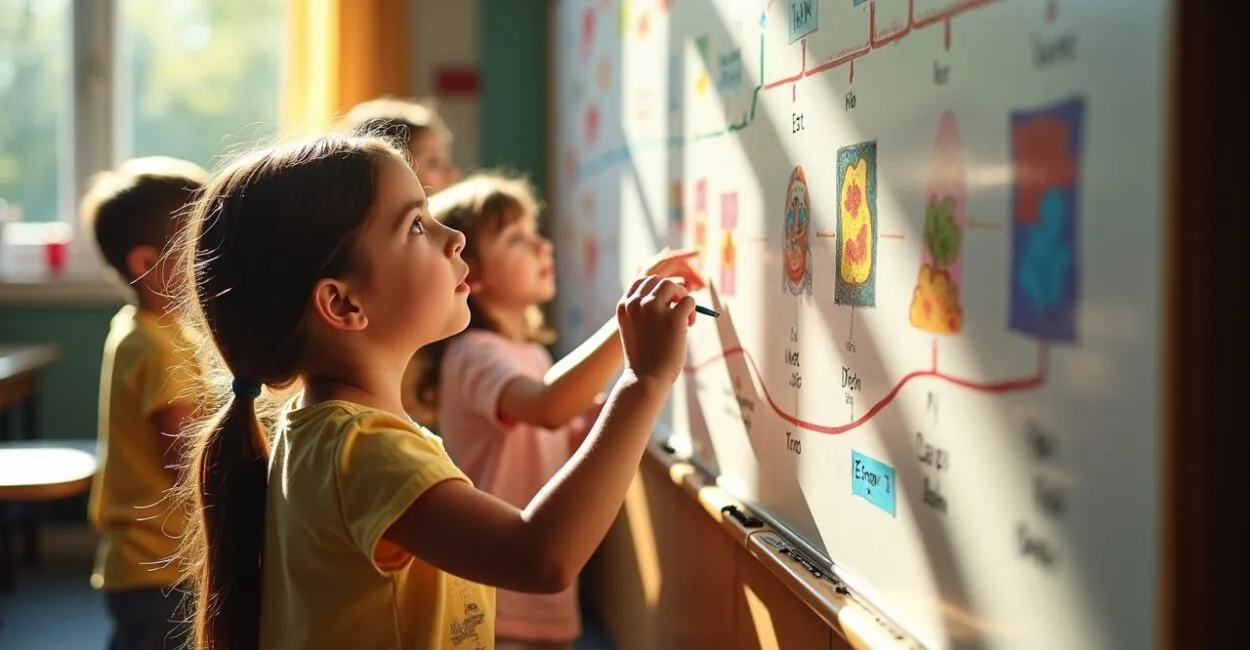
Remember that history class that seemed to last forever? Students yawning, eyes glazed over… It doesn’t have to be that way. Imagine turning the French Revolution into a giant board game, or exploring the mysteries of photosynthesis with a scavenger hunt around the school grounds. Activities for middle school can make lessons more engaging and help learning really stick.
This isn’t about “playing just to play.” These are carefully planned activities that reinforce knowledge, encourage collaboration, and spark genuine interest in your students. Get ready to discover a world of possibilities that can transform the way you teach.

How Well-Planned Activities Spark Interest (and Improve Grades)
Many teachers still believe the only way to teach is through repetition and memorization. But neuroscience has shown that learning is far more effective when it’s connected to emotion and experience. That’s where middle school activities come in. A Stanford University study found that hands-on activities can increase students’ retention of material by up to 30%.
Instead of simply reading about the solar system, why not build a 3D model as a group, with each planet representing a historical figure? Or turn grammar rules into a competitive card game? The key is to **get out of the realm of theory and start taking action**, turning learning into an exciting adventure.
The Costly Mistake That Keeps Students from Learning (and How to Avoid It)
One of the most common mistakes is choosing random activities that aren’t connected to the lesson content or its objectives. This can backfire, turning the activity into a pointless distraction. Avoid that trap with these tips:
- Plan ahead: Set a goal for the activity and decide how it fits into your lesson plan.
- Consider your class: Adapt the activity to your students’ interests and needs.
- Give clear instructions: Explain the rules and goals concisely.
- Monitor and guide: Observe how students are doing and offer support when needed.
- Debrief: After the activity, lead a discussion to reinforce what students learned.
Remember: the goal isn’t just to have fun, but to **reinforce learning in an engaging and effective way.**
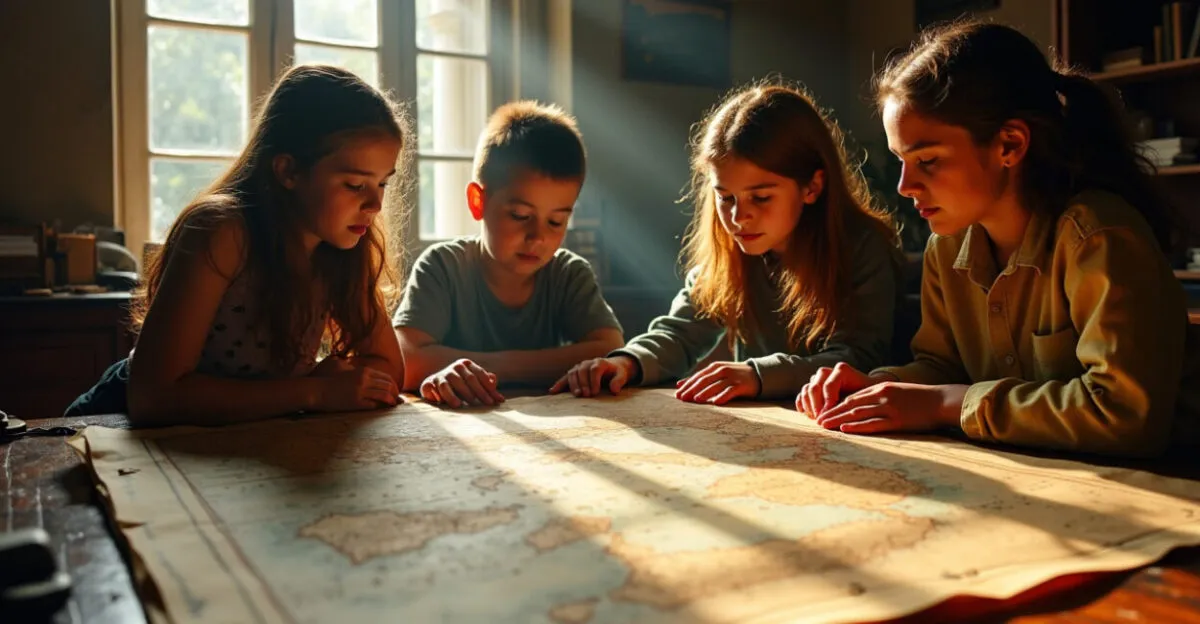
“The History Detective”: An Adventure in the Past (With Real Results)

Imagine your students becoming real detectives, examining clues to solve a historical mystery. That’s the idea behind “The History Detective,” an activity you can adapt to a range of topics, such as the Middle Ages, the Renaissance, or the colonization of Brazil.
Read also: Active learning strategies: Engage students with effective practices
Divide the class into groups and give each one clues about the historical period you’re studying. Each group analyzes the clues and identifies the people involved, significant events, and the causes and consequences of the mystery. At the end, each group presents its conclusions, and the “detective” who solves the mystery wins a prize. This activity builds logical reasoning, research, collaboration, and an interest in history. According to Brazil’s Ministry of Education, the use of active learning methods like this is essential to students’ overall development.
Turn Math Into a Strategy Game (and Watch Grades Go Up)
Math can seem overwhelming to many students. But with the right activities, you can turn it into an exciting strategy game. One option is the “Math Challenge”: divide the class into teams and give them challenging problems to solve.
Read also: Fun Learning Activities: 8 Quick Ideas for the Classroom in 20 Minutes
Each team has a limited amount of time to solve the problems, and the team with the most correct answers earns points. To make the activity even more exciting, you can offer rewards, such as extra credit or small prizes. The key is to **encourage healthy competition and teamwork.**
The Secret to Inspiring Teaching: Adaptability and Creativity (Made Simple)
There’s no magic formula for creating perfect activities. Inspiring teachers know how to adapt activities to their students and use creativity to make learning a unique experience. Remember: you don’t have to be a genius to come up with great activities. Just observe your students, identify their interests and needs, and use your imagination.
One science teacher, for example, turned the classroom into an improvised lab to simulate a volcanic eruption. Another teacher created a song parody contest to teach figures of speech. The key is to **step out of your comfort zone and try new ideas.**
Activities That Save the Day: Free Resources and Ready-to-Use Ideas (Right Now!)
If you’re short on time or ideas, don’t worry. There are plenty of free resources and ready-to-use ideas to help you create great activities for middle school. Sites like Nova Escola offer complete lesson plans with engaging activities and downloadable resources.
You can also find inspiration in books, magazines, and education blogs. The key is to **be willing to experiment and adapt ideas to your students.** Remember: the goal is to make learning an enjoyable and meaningful experience for everyone.
The Future of Education Starts Now: Activities as a Tool for Change
Middle school activities aren’t just a way to make lessons more fun. They’re a powerful tool for helping students build essential skills for the future, including creativity, collaboration, critical thinking, and problem-solving. By investing in well-planned activities, you’re investing in your students’ future and the future of education.
So why not start transforming your lessons today? Try new activities, see how they work, and share your experiences with other teachers. Together, we can build a more engaging, meaningful, and transformative education for everyone.
What’s the Difference Between Learning Activities and Educational Games?
Although the terms are often used interchangeably, there’s a subtle difference. Learning activities are broader experiences that promote interaction and learning through hands-on participation. Educational games, on the other hand, have specific rules and a clear objective, often involving competition or collaboration. Which one you choose depends on your lesson goals and your class. Both are excellent ways to engage students, but it’s important to use them thoughtfully and plan ahead to ensure they align with the content and learning objectives.
How Can You Adapt Activities for Different Subjects?
The key to adapting activities for different subjects is to identify the concepts and skills you want to teach, then find activities that let students explore them in an engaging, interactive way. For example, if you want to teach the water cycle in science, you could create an activity where students act out its different stages. If your goal is to build reading comprehension skills in English, you could ask students to create characters and settings based on a text they’ve read in class. The important thing is to be creative and adapt existing activities to your needs.
How Can You Help Students Who Feel Uncomfortable Taking Part in Activities?
Not every student feels comfortable participating in activities, whether because they’re shy, unsure of themselves, or simply prefer more traditional work. In these cases, it’s important to respect each student’s pace and offer low-key ways to participate, such as observing the activity and recording their thoughts, helping organize it, or joining a smaller group. The goal is to create a safe, welcoming environment where everyone feels comfortable taking part, even in a more reserved way. Forcing students to participate can backfire and make them even less willing to join in.
What Are the Main Benefits of Using Activities in the Classroom?
There are many benefits to using activities in the classroom. They engage students and make learning more fun and interesting. They encourage collaboration and teamwork, helping students develop important social skills. They reinforce learning because hands-on experiences are more meaningful and memorable. They build creativity and critical thinking by encouraging students to find innovative solutions to problems. Activities can also help create a more positive, welcoming learning environment where everyone feels comfortable participating and sharing their ideas.
How Can You Assess Student Learning Through Activities?
You can assess student learning through activities in a number of ways, from observing students as they participate to reviewing what they present at the end. Set clear assessment criteria, such as participation, collaboration, creativity, the quality of responses, and the ability to apply what students have learned. You can use a variety of assessment tools, including checklists, rubrics, questionnaires, and self-assessments. The key is to **make sure the assessment is fair, transparent, and aligned with the goals of the activity**, and to give students constructive feedback so they can improve.
Artigos Relacionados
 Active Learning: Practical Techniques to Engage Students
 Active Learning Methods: Strategies to Engage Students
 Active Learning Methods: Engage Students With Proven Practices
 Practical Resources for Building Student Autonomy Into the School Day
 Sustainable Workshops: Low-Cost Activities for Schools
 Hands-On Learning Workshops: 12 Ideas for Schools
