
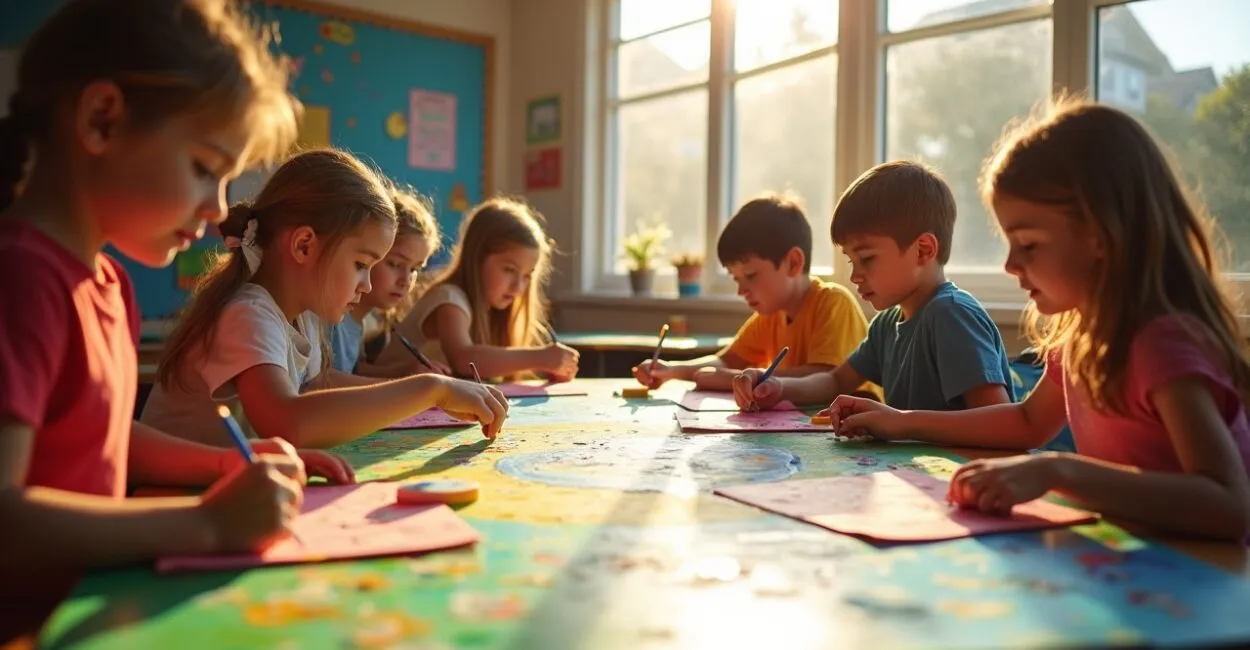
Imagine a classroom where teamwork takes the place of competition, ideas flow freely, and students feel comfortable sharing their opinions. Sound idealistic? Maybe not! Collaborative group activities are powerful tools for transforming the classroom, encouraging teamwork and effective communication while helping students develop essential social skills for the future. More than just games, these activities are learning opportunities that prepare students for real-world challenges, where collaboration is key to success.
If you’re looking to strengthen teamwork among your middle school students, keep reading. We’ll explore five creative activities that will transform the way they interact, solve problems, and learn together. Get ready to see the magic of collaboration in action!

The Secret to School Success: Why Invest in Collaborative Activities
Many educators focus solely on the curriculum, forgetting that developing social-emotional skills is just as crucial to student success. Studies show that students who take part in collaborative group activities earn better grades, have higher self-esteem, and are less likely to experience bullying. After all, school isn’t just a place to learn math and English. It’s also a place to build healthy relationships and develop emotional intelligence.
Think about it: In the workplace, the ability to work as a team, communicate clearly, and solve problems together is highly valued. By investing in collaborative activities, you’re preparing your students for the future and helping them become capable professionals and engaged citizens. It’s an investment worth making, both in each student’s individual growth and in building a fairer, more collaborative society.
“Desert Island”: Discover the Power of Prioritizing and Constructive Debate
The “Desert Island” activity is a classic that never loses its appeal. Imagine your students stranded on a remote island with limited resources. As a group, they must choose the 10 items they need most to survive from a prepared list. This activity encourages prioritizing, constructive debate, and negotiation—skills that are essential to success in every area of life.
The key is to encourage students to back up their arguments. Ask them to defend their choices with facts and evidence, listen carefully to their classmates’ arguments, and work toward a consensus. The goal isn’t to impose their own opinions, but to find a solution together while valuing different perspectives. To make the activity even more engaging, you can add extra challenges, such as wild animals on the island or an approaching storm.
Empathy Wall: Build Bridges of Understanding and Respect

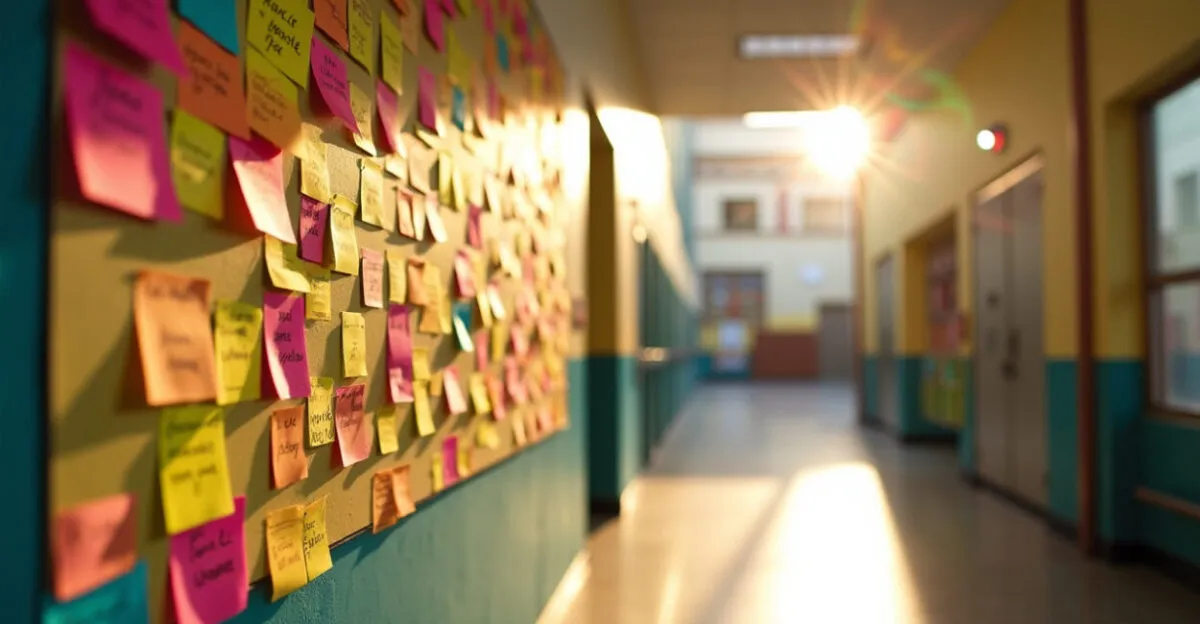
In an increasingly polarized world, empathy is an essential skill. The “Empathy Wall” is a simple but powerful activity that helps students learn to put themselves in someone else’s shoes. The idea is to create a wall where each student can express their feelings, fears, and dreams, anonymously or under their name.
Read also: How to Negotiate a Raise with Confidence
Once the wall is complete, lead an open and respectful discussion where students can share their reactions and support one another. This activity helps create a trusting, welcoming environment where students feel comfortable being themselves and showing vulnerability. By practicing empathy, they learn to value diversity, respect differences, and build healthier, more meaningful relationships. Want a practical example? Ask students to write about a time they felt left out, then hold a class discussion about how to make school more inclusive.
“Building Bridges”: A Visual Metaphor for Overcoming Challenges as a Team
This activity is a great way to show how collaboration helps people overcome challenges. Divide the class into groups and provide simple materials, such as straws, string, tape, and craft sticks. The challenge is to build a bridge connecting two points, using only the materials provided.
The key is to observe how groups organize themselves, divide up tasks, and solve problems as they arise. Encourage clear communication, shared responsibilities, and creative problem-solving. After the activity, lead a reflection on what students learned, highlighting how collaboration helps teams achieve a shared goal. For an interesting variation, add a “river” (a strip of blue tape on the floor) that the bridge must cross, making the challenge harder and requiring more planning.
“Collaborative Detectives”: Solve a Mystery and Strengthen Team Problem-Solving Skills
Turn your classroom into a crime scene with the “Collaborative Detectives” activity. Create an intriguing mystery, leave clues around the room, and divide the class into teams of detectives. The goal is to solve the mystery using logical reasoning, evidence analysis, and teamwork.
This activity encourages critical thinking, effective communication, and the ability to work under pressure. Encourage students to share their ideas, question the evidence, and look for solutions together. To make the activity even more exciting, you can add characters, create a compelling story, and use visual materials such as photos, maps, and videos. Remember: The goal isn’t just to find the culprit, but to develop valuable life skills.
What to Avoid When Using Collaborative Group Activities
Collaborative group activities don’t always deliver the results you expect. Some common mistakes can undermine an activity’s effectiveness and even frustrate students. One of the biggest mistakes is failing to clearly define the activity’s goals, leaving students confused and unfocused. Another common mistake is not adapting the activity to students’ ages and interests, which can make it boring and irrelevant.
It’s also important to avoid excessive competition, which can create rivalry and individualism and undermine teamwork. Another key point is to make sure every student has a chance to participate and contribute, so no one feels excluded or marginalized. Remember: The goal of collaborative activities is to strengthen teamwork, promote inclusion, and develop valuable social skills. Avoid these common mistakes, and you’ll be on your way to creating a more collaborative and effective learning environment.
Collaborative Group Activities: Skills for Life
Collaborative group activities are much more than simple recreational exercises. They’re powerful tools for transforming the classroom into a dynamic, collaborative, and meaningful learning environment. By investing in these activities, you’re preparing your students for future challenges and helping them become capable professionals, engaged citizens, and more empathetic, collaborative people.
Why not start using these activities in your classroom today? See how your students grow, improve academically, strengthen their teamwork, and help create a more welcoming and inclusive school environment. Collaboration is the future of education! Which activity will you try first?
What Role Does the Teacher Play in Collaborative Group Activities?
The teacher acts as a facilitator, guiding the learning process and making sure every student feels safe and comfortable participating. The teacher should define the activity’s goals, explain the rules, provide the necessary materials, and encourage students to reflect on what they’ve learned. It’s important to carefully observe how students interact, identifying challenges and opportunities for improvement. The teacher should be ready to step in when needed to mediate conflicts, encourage communication, and ensure that every student has a chance to contribute. The teacher shouldn’t be the center of the activity, but rather a guide who helps students build knowledge together.
How Can You Adapt Collaborative Group Activities for Different Age Groups?
Adapting collaborative group activities for different age groups is essential to their success. For younger students, choose simpler, more playful activities with clear rules and specific goals. Keep them short and engaging, with a focus on fun and social interaction. For older students, you can use more complex and challenging activities that encourage critical thinking, problem-solving, and decision-making. These activities can be longer and more in-depth, with a focus on reflection and applying what they’ve learned. Consider students’ interests and abilities when choosing and adapting activities to make sure they’re relevant and meaningful to them.
What Are the Benefits of Collaborative Group Activities for Students’ Social-Emotional Development?
Collaborative group activities offer many benefits for students’ social-emotional development. They help students develop empathy, effective communication, conflict resolution, decision-making, leadership, and teamwork skills. By taking part in these activities, students learn to put themselves in someone else’s shoes, express their opinions clearly and respectfully, negotiate solutions, handle frustration, and build healthy relationships. Collaborative activities can also boost students’ self-esteem, self-confidence, and sense of belonging, helping them feel more secure and better prepared to face life’s challenges.
How Can You Evaluate the Effectiveness of Collaborative Group Activities?
You can evaluate the effectiveness of collaborative group activities in several ways, from directly observing how students interact to using surveys and interviews. Set clear evaluation criteria, such as student participation, communication quality, problem-solving ability, and satisfaction with the activity. Evaluation should be ongoing and formative, so the teacher can identify the activity’s strengths and weaknesses and make any necessary adjustments. It’s also important to ask students for feedback so they can share their opinions and suggestions for improvement. Evaluating collaborative activities is essential to make sure they’re meeting their goals and contributing to students’ development.
How Can You Handle Students Who Refuse to Participate in Collaborative Group Activities?
Handling students who refuse to take part in collaborative group activities calls for patience, empathy, and understanding. It’s important to find out why they’re reluctant, as the reasons may include shyness, insecurity, fear of making mistakes, or lack of interest. The teacher should talk with the student one-on-one, offer support, and encourage them to participate. It’s important to respect the student’s pace and not force them to do anything they’re uncomfortable with. The teacher can offer other ways to participate, such as observing from the sidelines or sharing ideas in writing. Above all, create a trusting, welcoming environment where students feel safe expressing their opinions and joining in, even gradually. The goal is to show students that collaboration is an opportunity to learn and grow, not an obligation.
Artigos Relacionados
 Fun Middle School Activities to Engage Students and Make Learning Stick
 Creative Curriculum: 7 Hands-On School Activities for 2025
 Elementary School Activities: Creative, Practical Ideas
 Fun First-Grade Math: Games, Activities, and Hands-On Ways to Explore Numbers, Shapes, and Logic
 Collective Buying on the Rise: How Parent Groups Cut Costs and Streamline Purchases for Municipal Schools
 Practical Resources for Building Student Autonomy Into the School Day
