
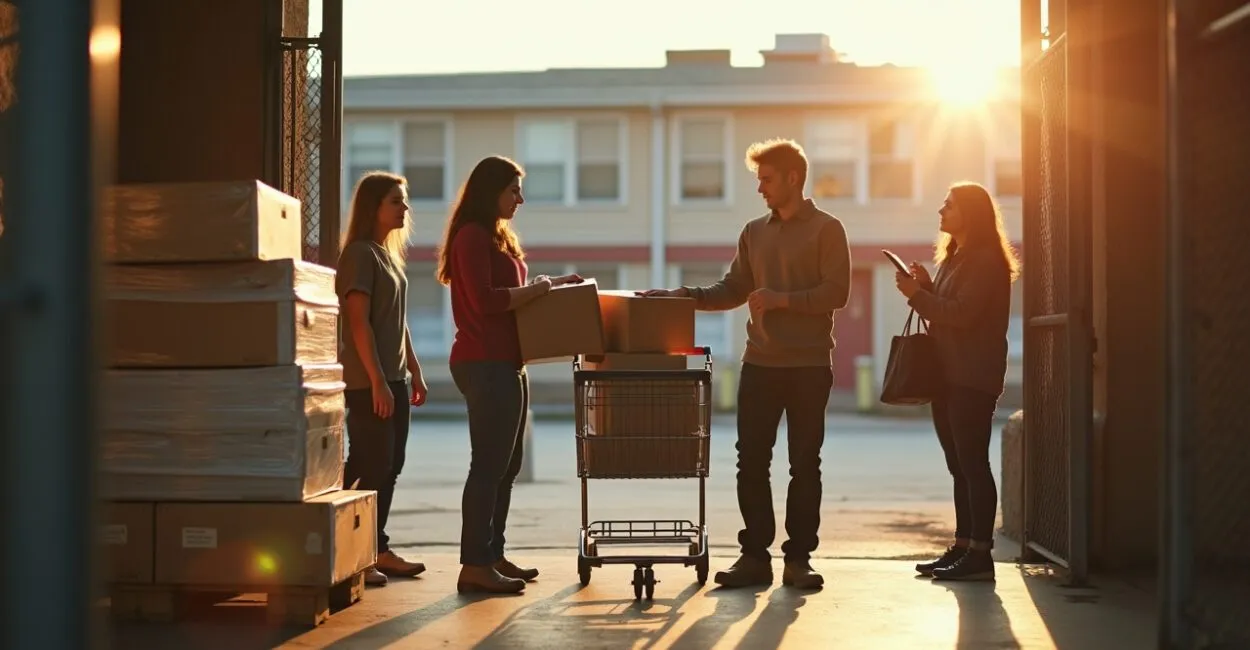
The cart arrives full, but the cost per student has been cut almost in half. That’s what happened in the latest group purchase organized by parents for municipal schools: lower prices, the right items on the list, and a coordinated delivery at school. Collective buying isn’t a new idea—it’s logistics combined with common sense and greater buying power.
How Collective Buying Can Cut Prices by Up to 50%
Buying in bulk brings prices down. When families pool their orders, suppliers treat them as wholesale purchases. Savings come from case discounts, shared shipping costs, and less packaging waste. Instead of paying R$10 per item, families can get it for R$5 or less—and that makes a difference at the end of the month. Collective buying also prevents one-off purchases that go unused and expire in the cupboard.

A Practical Routine: Organizing Parents Without the Chaos
A good process keeps things simple. Start a group on WhatsApp or Telegram. Assign one person to get quotes, another to handle communication, and someone else to contact the school. Use shared spreadsheets to track items, quantities, and payments. Collective buying works when responsibilities are clear; otherwise, logistics can stall and the list can become a mess. The key is consistency: one form per student and firm, short deadlines.
Read also: School Supplies for Early Childhood Education: Safe Choices
The Part No One Explains Well: Shipping and Storage

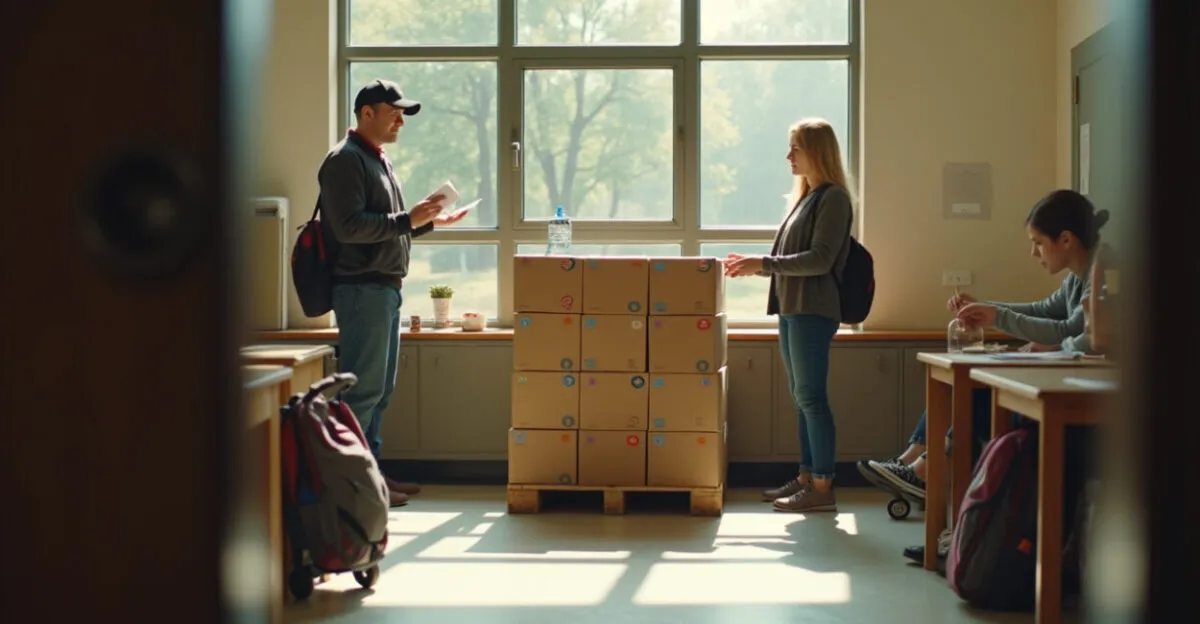
Shipping is where collective buying shines—or falls apart. Arrange for a single delivery to the school or a nearby pickup location. Storing supplies in the teachers’ lounge for a few days can work, as long as the school district office approves. A quick comparison: before—30 separate deliveries, high costs, and a risk of missing items; after—one consolidated delivery, savings, and easier tracking. Buying in bulk reduces errors and helps ensure nothing is missing from the list.
Common Mistakes That Can Derail a Group Purchase (and How to Avoid Them)
Avoiding mistakes matters as much as negotiating. Common pitfalls include assuming everyone wants the same brand, failing to confirm the final quantities, paying without getting a receipt, choosing a supplier based only on the lowest price, and not agreeing on a delivery location. Here’s a practical solution:
- Standardize alternatives for each item;
- Confirm quantities by a set deadline;
- Require an invoice;
- Prioritize suppliers with a good local reputation;
- Confirm there’s space at the school before scheduling delivery.
Real-Life Example: A Short Story Worth More Than a Rule
In one neighborhood, 18 families formed a group to get ready for the start of the school year. Two parents handled the budget, and the school lent them the teachers’ lounge for three days. The result: supplies in hand before the first week, 40% savings on pencils and notebooks, and nothing missing. What made the difference? Clear communication and deadlines. Collective buying turned a stressful task into a predictable routine—and left enough money for a backup supply kit.
Suppliers: Where to Find Reliable Options at Good Prices
Not every discount is worth it. Look for suppliers with a verifiable CNPJ (Brazilian business tax ID), invoices, and references from other schools. Use public lookup tools and local websites to check their reputation. According to data from the Banco Central (Brazil’s Central Bank), tax transparency and clear information reduce the risk of fraud in group purchases. Another useful resource is the Ministério da Educação (Brazil’s Ministry of Education) website, which provides guidance on processes and standards for school supplies in public school systems.
Practical Checklist: Steps for Your First Group Purchase
Skip the guesswork: follow a few simple, repeatable steps. Quick checklist:
- Form the group and assign responsibilities;
- Standardize items and choose two alternative brands;
- Get three quotes that include shipping;
- Confirm the order with an invoice and delivery date;
- Agree on a school pickup location and designate someone to receive the order.
If the public school is already working with a tight budget, collective buying can make a real difference: it lowers the cost per student and reduces the chance of missing supplies. Organizing a group isn’t difficult—it takes discipline and shared responsibility. If your community hasn’t tried it yet, now may be the time.
How Do I Start a Group Purchase at My Municipal School?
Start by bringing together a small group of interested parents and assigning clear roles for purchasing, finances, logistics, and communication. Get the school’s official supply list and standardize choices, with two options for each item. Request quotes from at least three suppliers, always requiring an invoice and a delivery date. Set short deadlines for confirming participation and making payments. Coordinate a delivery location and date with the school administration. These steps make collective buying a reliable process.
Can a School Legally Accept Deliveries for a Parent Group Purchase?
Yes, as long as the school district office or school administration gives formal approval. The school can accept goods for distribution if someone is responsible for checking the order and there is adequate temporary storage space. It’s a good idea to document approval in writing, record the delivery with an invoice, and set a short pickup window. This helps prevent liability issues, improper storage, or lost supplies. Transparency with the public school administration is essential to making a group purchase work smoothly and safely.
How Can We Split Payments and Prevent People From Skipping Out?
Use payment methods that leave a record, such as transfers via Pix (Brazil’s instant payment system) with proof of payment, a bank account held by two organizers, or group payment platforms. Always issue individual receipts and track payments in a shared spreadsheet. Set firm deadlines: anyone who hasn’t paid by the agreed date is left out of the order or charged an additional fee. Transparency and clear rules reduce fraud. Having a second person oversee the finances also helps prevent suspicion and keep everything accountable.
What Are the Best Items to Buy as a Group?
Standardized items that can be bought in large quantities offer the biggest savings: notebooks by type, pencils, pens, erasers, rulers, basic backpacks, and art supplies. Perishable or highly customized items, such as personalized planners, usually offer less savings. Choose items schools accept in bulk and that can be stored for a short time. Buying in volume lowers the unit cost and simplifies delivery, helping prevent shortages and waste.
What Should We Do if an Item Is Missing From a Group Purchase Delivery?
Document the issue right away with a photo and invoice, then contact the supplier to request a resolution. If the supplier doesn’t fix the problem, bring the group together, review the contract or receipt, and request a replacement shipment or compensation. Notify the school and, if needed, contact consumer protection agencies. Keeping written records of all communication, such as emails or messages, makes it easier to file a formal complaint. Requiring an invoice and setting clear deadlines greatly reduces the risk of missing items; if a problem does occur, documentation protects you.
Artigos Relacionados
 Sustainable Workshops: Low-Cost Activities for Schools
 Low-Cost School Sustainability Projects in 3 Weeks
 Original Work Assessment: Tools and Criteria for the School Year
 The Authoring Cycle in Elementary School
 Early Childhood Education Courses for Parents
 Cheap Christmas Party Favors for School: 10 Ideas Under $1
