
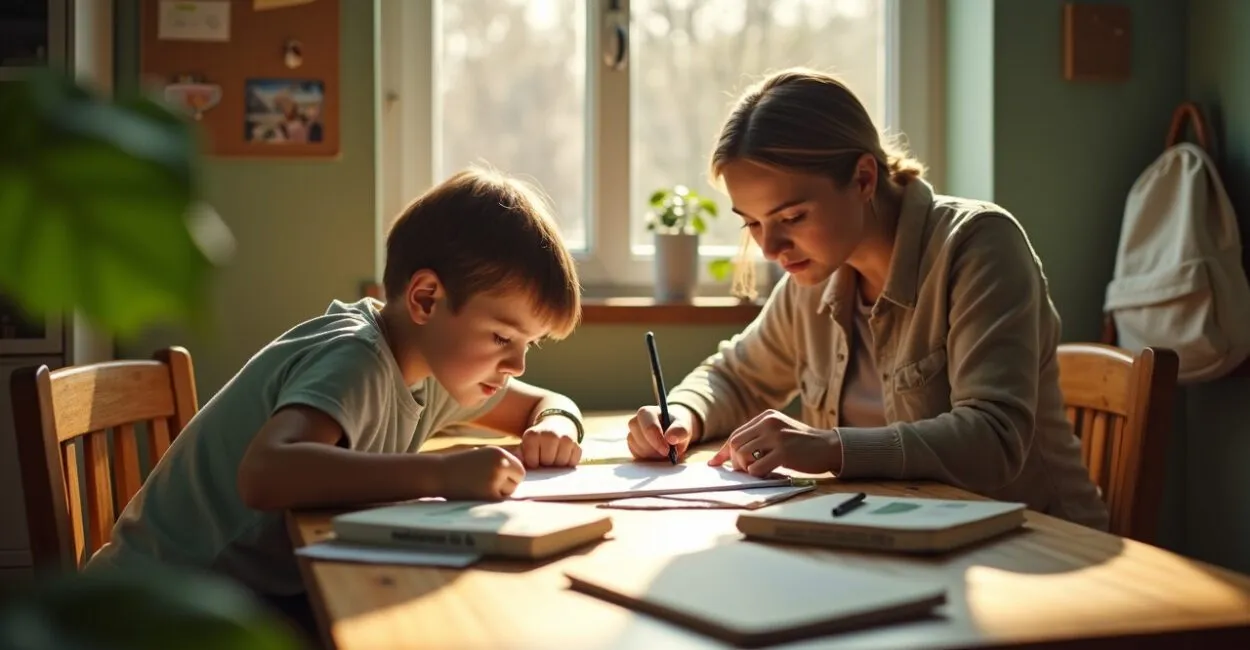
The school supply list for first grade now comes with a green label—and that’s already changing conversations around the kitchen table. Sustainable supplies are showing up in school notices, parent meetings, and deals at office supply stores. For families, the question is straightforward: Will this strain the budget or save money over time? Here’s the quick version: learn how these supplies affect your budget, get tips for choosing wisely, and see what’s really changed.
Why Public Schools Are Asking for Sustainable Supplies
In many cities, the shift started as a logistical decision. Now it’s public policy. Public schools are adopting sustainable supplies to reduce waste and teach practical habits. The goal is twofold: cut down on single-use plastic and foster a culture of care. The immediate result: fewer backpacks soaked by flimsy plastic covers. The long-term result: students learning better habits. According to Brazil’s Ministry of Education, initiatives like these also influence public procurement and local suppliers.

What Really Changes in a Family’s Budget
The impact is subtler than it may seem. In the first year, costs may rise because of items with certifications. But families often spend less in the second and third years. That’s because durable products mean fewer replacements—reusable notebooks, a metal pencil case, and sturdy water bottles last longer. The comparison is clear: expecting a cheap pencil case to last three years is one thing; in reality, you may end up buying a new one every semester. In the end, the math can work out in your favor.

How to Identify Truly Sustainable Products (and Avoid Greenwashing)

A green label doesn’t always mean a product is a good choice. Look for concrete signs: recycled materials, certifications, and a take-back or recycling program. A sustainable product has a story: you know where it came from and where it’s going. Here are some common mistakes families make:
- Buying something just because it says “eco” without checking for certification.
- Choosing the most expensive option because it must be better.
- Overlooking durability in favor of appearance.
One practical tip: choose brands that publish reports and offer exchanges or repairs.
Practical Tips: Building a First-Grade Supply List Without Overspending
You can cut costs without sacrificing quality. Prioritize durable, reusable items that come with a warranty. Here are a few simple ideas:
- Buy a metal pencil case instead of one made from flimsy plastic.
- Choose notebooks with thicker recycled covers.
- Reuse supplies from older siblings when possible.
If you’re buying new supplies, ask about discounts on bundles and choose stores that accept packaging returns.
A Comparison Worth Making: Upfront Cost vs. Cost Over Time
Imagine two parents: one buys three cheap pencil cases over three years; the other buys one sustainable pencil case that lasts the same three years. The sustainable pencil case usually costs less per year. This comparison can be surprising because it changes how you think about spending: it’s not just the price tag, but how long the item lasts. The savings are even more obvious with items like backpacks and water bottles. Think about cost per use, not just the sticker price.
How Schools Can Help Families
Schools can help reduce the financial burden on families. Supply-lending programs, donation drives, and group purchases are simple steps. When schools coordinate, prices go down and quality goes up. Some school districts buy standardized supply kits through purchasing cooperatives, lowering costs. Education is another important tool: workshops on repairing supplies and recycling can change habits and prevent unnecessary replacements.
A Short Story: How One Pencil Case Changed a Family’s Habits
Lucia bought a simple, inexpensive pencil case. Within six months, it was coming apart. She ended up buying three. The following year, she invested in a well-reviewed pencil case with a warranty. Her son still uses it today. What changed? Fewer trips to the office supply store, fewer arguments at home, and more money left over. This small change shifted the family’s shopping habits—and showed that making sustainable choices can be practical and affordable.
According to Brazil’s Ministry of Education, school policies have been moving in this direction. University studies also show the economic benefits of durable products. See a University of São Paulo reference on school supplies and consumer behavior: university research.
In the end, the question isn’t just “eco-friendly or not?” It’s “how can we make sustainable choices practical and affordable, too?” Choosing wisely means looking beyond the price tag. That can make a difference for families and the planet.
What Should You Avoid When Buying Sustainable Supplies?
Don’t rely on an “eco” label alone—check the details. Some brands sell an image without backing it up. Don’t assume the most expensive option is always the best: price doesn’t guarantee sustainability. Don’t sacrifice durability for appearance; a pretty notebook that falls apart in a few weeks means more spending and more waste. Avoid last-minute panic buying: planning ahead and reusing supplies can help prevent unnecessary purchases. Before you decide, look for certifications, warranties, and return policies.
Are Sustainable Supplies Really More Expensive Upfront?
Yes, in most cases, the upfront cost is higher. But a fair comparison should take the product’s lifespan into account. Well-made products last longer and reduce repeat purchases. A high-quality backpack may cost more, but it shouldn’t need to be replaced every year. In addition, school group-buying programs and exchanges between families can reduce the cost. Think about cost per use, not just the sticker price—that shift in perspective can make sustainable supplies the better deal overall.
How Can You Tell Whether a Product Has a Trusted Certification?
Look for recognized labels and information about the supply chain. Labels such as FSC for paper and wood, as well as certifications for sustainable management and recycling, use audited standards. Check whether the brand publishes reports or has a take-back program. Visit recognized organizations’ websites to verify the label. If you’re unsure, contact the manufacturer and ask for documentation. Transparency is a strong sign of a commitment to sustainable supplies and helps reduce the risk of greenwashing.
Which Items Are Worth the Investment in a First-Grade Supply List?
Focus on items that will be used every day and last for years: a backpack, pencil case, water bottle, quality scissors and glue, and notebooks with sturdy covers. Disposable items, such as thin plastic covers, can be replaced with reusable alternatives. Invest in options that come with a warranty or can be repaired. For pencils and pens, choose refillable options when possible. These choices reduce repeat purchases and save money over the product’s lifetime.
Where Can You Find Official Information on Sustainable School Policies?
Official sources include municipal government websites and Brazil’s Ministry of Education, which publish programs and guidance. Universities and research centers also share studies on the economic and environmental impact of school supplies. Check public procurement documents to learn about district-wide purchases and sustainable purchasing policies. This information can help parents work with schools and identify local initiatives that lower costs and improve the quality of sustainable supplies on first-grade lists.
Artigos Relacionados
 Sustainable Workshops: Low-Cost Activities for Schools
 Public Schools: History, Challenges, and Policies
 Public School Purchasing: Bringing Local Farmers Onboard
 The Role of Schools and Families in Shaping Values: Foundations and Concepts
 Air Pollution: Hidden Impacts and Sustainable Solutions for Public Health
