
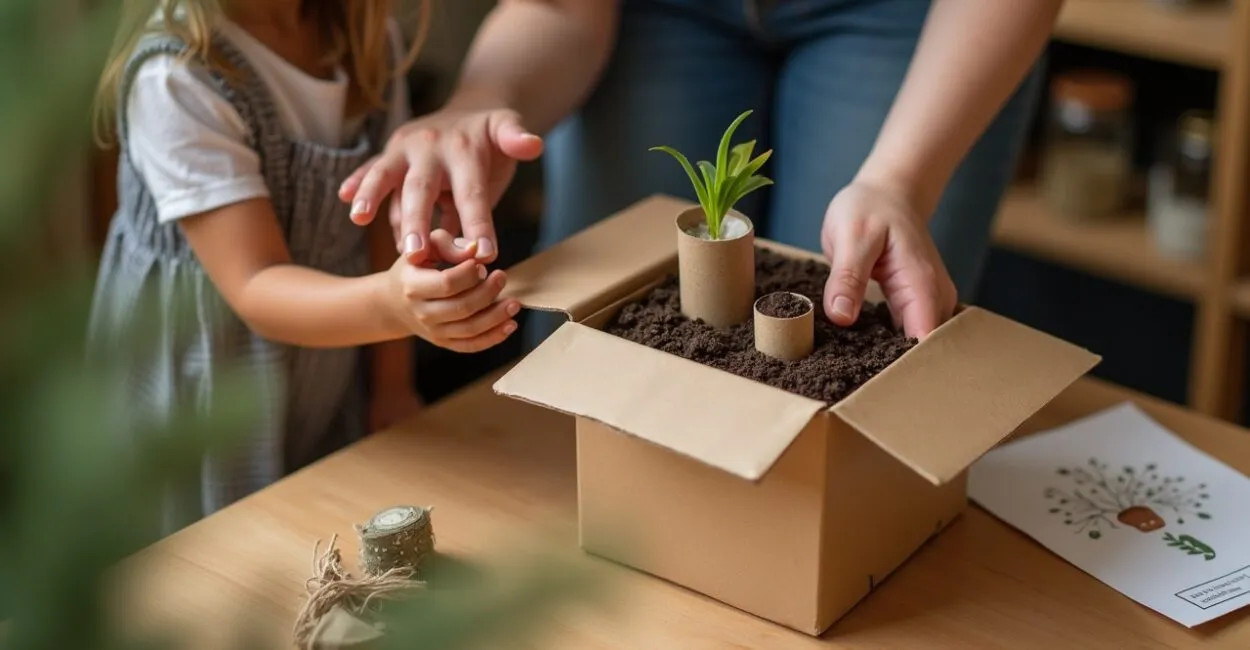
A cardboard box filled with small items made from repurposed materials can mean more to parents than a brand-new, disposable toy. Sustainable gifts for Christmas at preschool aren’t just a trend—they’re a hands-on lesson in caring for the planet, wrapped up as a present. Here, you’ll find 10 easy ideas, zero-waste packaging, and activities that turn every gift into a conversation at home.
1. Gifts That Teach: 3 Sustainable Gift Ideas That Double as Activities
The real value lies in what the child does with the gift. Instead of simply giving something, suggest an activity. That multiplies the learning.

- Seeds in a recycled planter made from a toilet paper roll: the child waters them and records their growth throughout the week.
- A germination kit in a large matchbox (seed + cotton + instructions): great for little hands.
- Good-habit cards for the family (seed paper): plant the card together and watch flowers grow.
These sustainable gifts turn a present into a family activity. The school becomes the starting point for a new habit.
2. 10 Sustainable Gifts Perfect for Preschool Christmas
Here’s a practical guide to 10 items you can put together at low cost and with a big impact.
- Hand-painted fabric bag made from repurposed scraps.
- Doll made from a recycled sock and stuffed with fabric scraps.
- Seed kit in a kraft paper envelope with planting instructions.
- Handmade soap in seed-paper packaging.
- Tree ornament made from cork and yarn.
- Repurposed wood puzzle painted with water-based paint.
- Glass jars filled with hot chocolate mix and a reusable label.
- Bookmark made from fabric scraps and leftover paper.
- Sustainability activity calendar printed on recycled paper.
- Thank-you cards printed on seed paper to plant.
Each item here is easy for a teacher to make with a group or for children to create with supervision. Sustainable gifts don’t have to be expensive to be memorable.
3. Zero-Waste Packaging That Gets More Compliments Than Shiny Ribbon

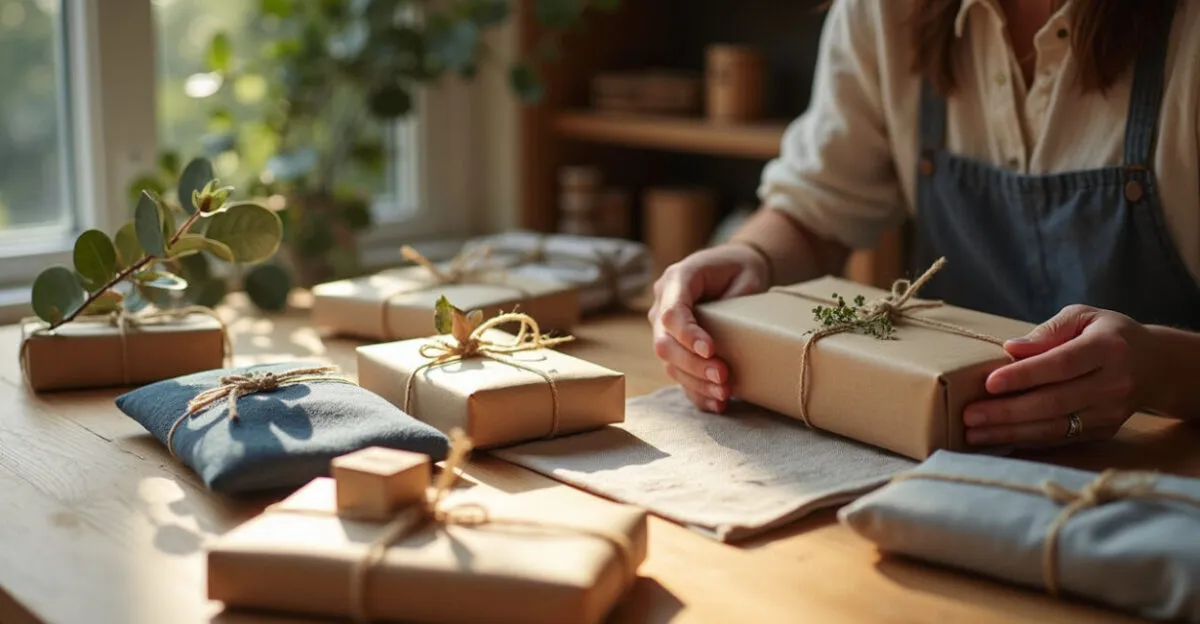
Wrapping matters. Good packaging says more than a gold ribbon ever could.
- Reusable fabric bags—they’re part of the gift.
- Kraft paper stamped by the children.
- Recycled paper boxes decorated with natural materials like leaves and twigs.
Choose packaging that can be used again. A small bag that becomes a toiletry pouch or snack bag extends the gift’s positive environmental impact.
Read also: Christmas Gifts for Preschool: 25 Ideas
4. Recycled Materials with a Designer Look: Turn Trash into Gifts
Repurposing is an act of value. A bottle cap can become an ornament; a scrap of fabric can become a bag. Here are a few ideas:
Read also: Cheap Christmas Gifts: 10 School Options Under R$5
- Painted plastic lids become mini stamps.
- Toilet paper rolls become planters or dolls.
- Cut and painted plastic bottles become bells or pencil holders.
This approach teaches children that materials can have a long life when they get a second chance. Sustainable gifts show this in action.
5. What to Avoid: Common Mistakes When Making Sustainable Gifts
Want to save money without cutting corners? Avoid these pitfalls.
- Don’t combine disposable and “eco-friendly” materials just for appearances—it can confuse parents.
- Don’t use toxic paints or small items without age-appropriate guidance—safety comes first.
- Don’t hand out gifts without instructions: explain how to reuse, plant, or care for them.
Common mistake: thinking “sustainable” means thrown together. Plan, test, and standardize. That way, the gift becomes a good example, not a problem.
6. A Comparison That Can Change Your Mind: Before and After Sustainable Gifts
Expectation: a pretty little gift that ends up in the trash by the end of the day. The alternative: a useful, long-lasting, educational present.
| Before | After |
|---|---|
| Cheap plastic toy | Class-made bag from fabric scraps |
| Plastic packaging | Seed-paper envelope |
| Thrown away right away | Family activity and reuse |
This comparison shows why choosing sustainable gifts is a change in mindset—and a way to make a real difference in how much waste the party generates.
7. How to Involve Families and Make Sustainable Gifts a School Project
Without follow-through at home, the impact fades. The school needs to invite families to take part.
- Invite parents to production workshops and make them part of the school calendar.
- Send simple instructions, in print or through an app, on care and reuse.
- Ask for donations of reusable materials: fabric scraps, jars, and paper rolls.
Result: the gifts become a bridge between school and family, taking learning beyond the classroom and into everyday life.
According to Brazil’s Ministry of the Environment, local environmental education initiatives increase the adoption of sustainable practices at home. University studies also show that habits formed in childhood are more likely to last into adulthood—making these gifts an investment in behavior, not just presents (SciELO). One final, simple exercise: choose one of the 10 gifts and add an instruction for the family. That turns the gift from an object into a bridge. It’s simple, inexpensive, and powerful.
Here’s a thought: next year, count how many families planted the seeds you gave them. The number might be higher than you think.
Frequently Asked Questions About Sustainable Gifts
How Can I Choose Safe Sustainable Gifts for Young Children?
Choose nontoxic materials and large pieces that don’t pose a choking hazard. Use water-based paints, thick yarn, and secure finishes. Test the finished product before handing it out, and include the recommended age range on the label. Avoid loose parts like small buttons or detachable decorations. If the gift includes seeds, identify the species and make sure it isn’t known to cause allergies. If you’re unsure, choose an item that becomes an activity for parents to supervise.
How Do I Estimate the Cost and Time to Make 30 Sustainable Gifts?
List reusable materials already available at the school, such as fabric scraps, jars, and lids, to keep costs down. Make a prototype and time how long it takes to assemble; multiply that by the number of students. Factor in drying, painting, and finishing time. Also estimate the cost of items that can’t be reused, such as seeds or labels. Consider inviting families to a collaborative workshop to share the work and reduce expenses. Finally, add a 10% buffer for unexpected costs.
Can I Use Seed Paper for All Sustainable Gifts?
Seed paper is a great choice when the gift can break down naturally: it works especially well for cards, labels, and packaging. Avoid using it for items that will be stored or exposed to moisture, since the seeds won’t germinate in those conditions. Check the seed varieties, too: choose native or noninvasive plants and include planting instructions on the label. Seed paper becomes an educational asset when families plant it and follow the seedlings’ growth, reinforcing the gift’s sustainability message.
How Can I Involve Children in Making Sustainable Gifts Without Sacrificing Quality?
Assign tasks based on age and ability: younger children can paint and glue, while older children can cut and assemble. Standardize the steps so every item meets basic safety and quality standards. Use prototypes to show the expected result and set up workstations with materials sorted out. Make sure an adult supervises cutting and hot-glue use. That way, the sustainable gifts feel like a group effort while maintaining consistent quality.
What Activities Can I Suggest to Keep the Learning Going After Christmas?
Suggest a “care journal” where children record what they do with their gift using photos, drawings, or short notes. Set weekly challenges: water the plant, use less plastic for a day, or pack a snack in the fabric bag. Encourage families to share experiences in the school’s group chat, posting how they reused the packaging or how their seeds grew. These activities keep the message behind the sustainable gifts alive long after the event.
Artigos Relacionados
 Easy Christmas Goodie Bags: Simple Ideas
 Christmas Gifts for Preschoolers: 25 Ideas
 Practical Early Literacy Strategies for Preschool Success
 Debt Management Plan for Fast and Sustainable Relief
 Preschool Activities That Build Social Skills Every Day
 Environment and Education in the 21st Century: Pathways to a Sustainable Future
