

Early literacy shapes how young children understand words, sounds, and stories—it’s the foundation for reading, writing, and success in school. It matters because it predicts later academic achievement, vocabulary growth, and long-term engagement with learning. Starting with simple, evidence-based practices helps children build confidence and get ready to learn.
This article outlines practical early literacy strategies and actionable ways to improve preschool readiness, including activities, assessment tips, and classroom-ready routines. You’ll find step-by-step approaches, activities for school and home, and links to authoritative research to support implementation.

Foundations of Early Literacy Development
Phonological Awareness and Sound Play
Phonological awareness is the ability to recognize and manipulate the sounds in spoken language, making it a core early literacy skill. Through rhymes, clapping syllables, and sound games, children connect spoken words with letters and, later, reading. Teachers should incorporate short, daily sound-play activities to strengthen auditory discrimination and phoneme awareness. These brief routines help preschoolers identify beginning, middle, and ending sounds, building decoding skills for when formal reading begins.
Consistent practice supports vocabulary and listening comprehension, making phonological activities essential alongside alphabet knowledge and opportunities for emergent writing in balanced early literacy instruction.
Alphabet Knowledge and Letter Recognition
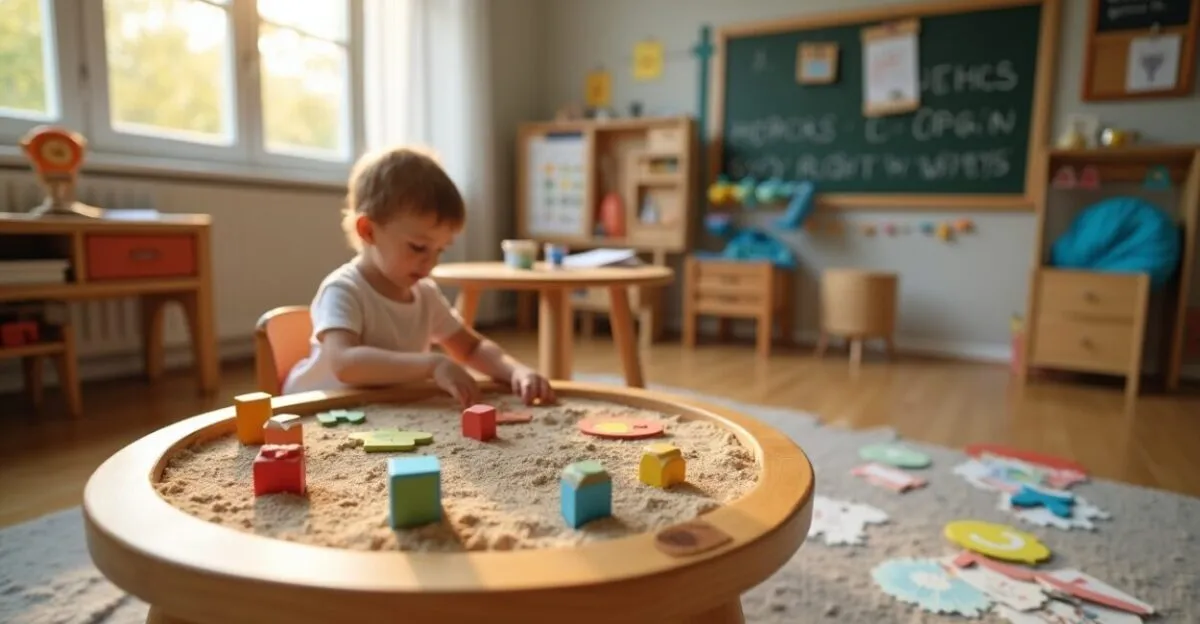
Knowing letter names and shapes is a building block of early literacy that connects print to speech. Activities that pair letter forms with meaningful words, such as children’s names and familiar objects, encourage recognition and recall without relying on rote memorization. Use multisensory techniques—tracing letters in sand, magnetic letters, and letter-sound matching—to reinforce the connection between symbols and sounds. Gradually increase the challenge by introducing uppercase and lowercase pairs and common letter patterns.
Integrate alphabet knowledge with shared reading and writing activities so children encounter letters in authentic contexts that support emerging reading and writing fluency.
Vocabulary Growth and Oral Language
Rich conversations and intentional vocabulary instruction accelerate early literacy. Expand preschoolers’ word knowledge by introducing new nouns, verbs, and descriptive words during everyday routines and storytime. Create explicit teaching moments and repeat words in context: define new words, model how to use them, and invite children to use them in play and retellings. This approach strengthens comprehension and narrative skills.
Strong oral language supports decoding and comprehension, including later reading comprehension, making vocabulary building a central part of early literacy programs.
Instructional Methods for Teaching Early Literacy Skills
Shared Reading and Dialogic Storytime
Shared reading engages children in interactive book experiences that model fluent reading and comprehension strategies. Use dialogic prompts—open-ended questions and follow-up comments—to deepen understanding during storytime. Plan a sequence: preview vocabulary, read with expression, and pause to invite predictions and connections. This routine strengthens listening comprehension and narrative awareness while introducing children to print concepts.
Use diverse, culturally relevant books and reread them to build familiarity and vocabulary. Shared reading is a high-impact, low-cost teaching approach that supports early literacy goals.
Systematic Phonics and Scaffolded Decoding
Introducing letter-sound relationships in a clear, cumulative sequence supports decoding. Begin with simple consonants and short vowels, then move on to blends and digraphs, using explicit modeling and guided practice. Scaffold lessons with decodable texts that match the patterns taught so children can successfully read connected text. Pair phonics instruction with phonemic awareness activities to help children apply what they learn to reading.
Regularly assess mastery to guide pacing and small-group instruction, ensuring systematic phonics supports all learners without overwhelming emerging readers.
Writing as a Literacy Accelerator
Early writing activities reinforce letter-sound connections and support emerging literacy by giving children meaningful reasons to put language into writing. Provide frequent opportunities for drawing, scribbling, and inventive spelling in meaningful contexts. Use shared writing to model composition and print directionality. Encourage children to write their names, labels, and simple sentences to connect sounds with written symbols. This practice builds knowledge of spelling patterns and confidence.
Integrating writing with story retelling and classroom projects strengthens early literacy by showing children how print communicates ideas and preserves language for others to read.
- Introduce sounds: Start with short, daily phoneme games using rhymes and alliteration to build phonological awareness.
- Teach letters: Introduce a small set of letters through multisensory activities, linking each one to a clear sound and familiar word.
- Model reading: Use shared reading to demonstrate fluency and comprehension strategies, following the text with your finger as you read.
- Provide practice: Offer decodable texts and guided reading that match the phonics patterns taught to build confidence and automaticity.
- Encourage writing: Provide authentic daily writing activities—labels, captions, and stories—to reinforce encoding and vocabulary use.
Early Literacy Activities and Classroom Routines

Interactive Literacy Centers
Centers provide structured, hands-on practice for emergent literacy through activities such as letter hunts, rhyming games, and sensory writing trays. Rotate activities weekly to maintain engagement and cover core skills. Set clear goals and provide brief, scaffolded instructions so children can work independently or in small groups. Include materials for phonics, vocabulary, and emergent writing to cover a range of skills.
Track participation and progress with quick checklists so teachers can adjust groups and interventions. Centers can serve as both a diagnostic and instructional tool.
Daily Language Routines and Transitions
Use transitions for mini-lessons: sing the alphabet song, practice blends while lining up, or play quick word games during handwashing. These moments provide repeated exposure to key early literacy concepts.
Short, frequent routines add repetition without losing children’s interest. Incorporate vocabulary and print awareness into greetings, calendar time, and snack routines to make language learning part of the day.
Routines provide structure and support attention, helping children internalize skills through repeated, meaningful practice throughout the preschool day.
Home-School Literacy Partnerships
Engage families with simple strategies: nightly shared reading, letter-of-the-week activities, and storytelling prompts. When relevant, provide guidance in multiple languages to support diverse learners and the languages spoken at home.
Offer brief take-home kits with books and activities, and share progress with practical tips for caregivers. Family involvement reinforces classroom gains and encourages consistent practice.
Encourage caregivers to model reading for pleasure and talk through everyday routines. These practices strengthen vocabulary and emerging comprehension while reinforcing classroom instruction.
Assessing and Monitoring Early Literacy Progress
Screening and Progress Monitoring
Use brief, validated screening tools to identify children who need support with phonological awareness, letter knowledge, or vocabulary. Regular progress monitoring helps teachers differentiate instruction and time interventions effectively.
Conduct assessments at key checkpoints—at enrollment, midyear, and before children leave pre-K—to track growth and adjust instruction. Combine formal measures with teacher observations for a more complete picture.
Data-informed decisions support targeted small-group instruction and effective use of teaching time, improving outcomes for children at risk of reading difficulties.
Informal Assessment Strategies
Collect work samples, anecdotal notes, and running records during guided reading to assess emerging skills. Observation checklists used during centers can reveal daily patterns in letter use and phonemic awareness.
Read also: Saving Strategies to Reach Goals and Emergency Funds
Use brief, in-the-moment checks—writing names, identifying letter sounds, and reading decodable text for one minute—to monitor progress without disrupting routines. These low-stakes measures complement formal tools and integrate assessment with instruction, allowing timely adjustments and positive learning experiences.
Interpreting Data to Guide Instruction
Analyze assessment results to group students by need, plan targeted interventions, and select appropriate decodable texts and activities. Focus on skill gaps rather than labels when planning instruction.
Create simple progress charts to share with families and other stakeholders, highlighting strengths and next steps so caregivers can reinforce learning goals at home.
Leia também: The Art of Public Speaking: 12 Essential Tips for Speaking with Confidence
Regular data reviews keep instruction on track and ensure early literacy teaching is responsive, equitable, and focused on measurable skill growth for every child.
| Assessment Type | Purpose | Frequency |
|---|---|---|
| Screening | Identify risk and starting points | At entry and quarterly |
| Progress Monitoring | Track skill gains | Every two weeks or monthly |
| Informal Observations | Daily instructional insights | Ongoing |

Classroom Materials, Books, and Resources for Early Literacy
Choosing High-Impact Books
Choose predictable, repetitive texts and richly illustrated picture books that support vocabulary and narrative skills. Include multicultural titles and a range of genres to broaden children’s exposure and engagement.
Use big books for shared reading, small decodable readers for phonics practice, and poetry for rhythm and phonological awareness. Rereading favorite books deepens comprehension.
Rotate books with the seasons and align selections with instructional themes to connect language experiences with classroom learning goals.
Low-Cost Materials and DIY Resources
Many effective tools are inexpensive: letter cards, pocket charts, and recycled materials for sensory writing. Create DIY alphabet trays, matching mats, and story props to support hands-on learning.
Encourage children to make their own books and picture dictionaries to personalize learning while practicing emergent writing and print concepts. These activities build a sense of ownership and encourage literacy engagement.
Low-cost materials make ongoing practice possible in any setting, providing frequent opportunities for meaningful early literacy activities without a large budget.
Digital Tools and Guided Use
Use carefully selected digital apps and audiobooks to supplement instruction. Focus on interactive experiences that build phonological awareness and vocabulary rather than passive screen time.
Set clear goals for technology use: targeted practice, family access to read-alouds, or differentiated phonics activities. Monitor screen time and pair technology with hands-on activities.
Combine online resources with teacher guidance to ensure digital tools reinforce classroom goals without replacing essential human interaction in early literacy development.
- Provide predictable books for shared reading.
- Create DIY alphabet and writing centers.
- Use audio story recordings for listening at home.
- Introduce apps for focused phonics practice.
- Rotate materials to maintain engagement.
Interventions and Supports for Diverse Learners
Tiered Instruction and Small-Group Interventions
Use a multi-tiered system of supports (MTSS) to tailor early literacy instruction to students’ needs. Provide explicit small-group lessons for children who need targeted phonics or vocabulary support.
Adjust pacing, prompts, and materials—use decodable texts for phonics, picture-supported vocabulary cards for language learners, and extra repetition to strengthen skills.
Consistent progress monitoring helps educators move students between tiers as needed, ensuring interventions are timely and effective while maintaining an inclusive classroom.
Supporting Multilingual Learners
Build on children’s home languages to strengthen early literacy by connecting familiar words with their English equivalents and using bilingual books when available. Oral language development in any language supports cognitive and literacy growth.
Use visuals, gestures, and consistent routines to support comprehension. Explicitly teach cognates and shared vocabulary to help children transfer knowledge between languages.
Family engagement and culturally responsive materials ensure multilingual learners receive affirming, effective instruction that values their linguistic strengths as they develop early literacy skills.
Assistive Strategies and Accommodations
For children with speech, hearing, or learning differences, use multiple modes of instruction—visuals, tactile letters, and explicit modeling—to ensure access. Collaborate with specialists to set individualized goals aligned with classroom instruction.
Adapt activities by shortening them, adding repetition, and providing one-on-one support. Use picture schedules and predictable routines to support attention and comprehension.
These accommodations make early literacy instruction inclusive, helping each child develop foundational reading and writing skills with support tailored to their needs.
| Type of Support | Example Strategy |
|---|---|
| Multilingual | Bilingual books and cognate instruction |
| Speech/Language | Visual cues and simplified directions |
| Academic Intervention | Small-group phonics with decodable texts |
Measuring Outcomes and Scaling Early Literacy Programs
Key Metrics and Outcome Indicators
Track letter knowledge, phonemic awareness scores, vocabulary growth, and samples of emergent writing as key early literacy indicators. Monitor kindergarten readiness measures to evaluate program impact.
Combine quantitative measures with qualitative observations—engagement, confidence, and storytelling ability—to capture overall growth in early literacy skills.
Use consistent benchmarks across classrooms to compare outcomes, identify effective practices, and expand interventions that demonstrate measurable improvement.
Professional Development and Coaching
Invest in teacher training focused on effective early literacy instruction, including shared reading techniques, phonics scope and sequence, and progress monitoring. Coaching helps ensure effective classroom implementation.
Provide ongoing observation, feedback, and collaborative planning time so teachers can refine their practices and share successful activities across teams.
Skilled educators are the most important resource. Professional learning turns research-based strategies into daily routines that improve early literacy outcomes at scale.
Policy, Funding, and Community Partnerships
Secure sustainable funding and build community partnerships with libraries, universities, and nonprofits to expand access to books, training, and family outreach. Aligning policies helps ensure early literacy is a priority in pre-K initiatives.
Use local research and pilot programs to demonstrate impact and attract investment. Work with public health and social services organizations to address barriers to participation.
Community-wide commitment amplifies classroom efforts, creating networks of support for early literacy from home to school and back.
Practical early literacy strategies bring phonological awareness, alphabet knowledge, vocabulary, and writing into daily routines that prepare children for school. With systematic instruction, engaging materials, and family partnerships, educators can improve preschool readiness and support long-term reading success.
Use screening and targeted interventions, monitor progress with simple measures, and invest in teacher development to expand effective practices. Make early literacy a priority to help children become confident, capable readers: start small, measure often, and adjust as you go.
Frequently Asked Questions About Early Literacy
At What Age Should Early Literacy Instruction Begin?
Early literacy begins informally in infancy through shared picture-book reading and conversation. Formal, structured activities typically start in preschool, between ages 3 and 5. Early exposure to rich oral language, songs, and simple letter activities prepares children for phonological awareness and later decoding. Preschool programs that include daily shared reading, letter-sound activities, and emergent writing provide measurable benefits for kindergarten readiness. Consistent family involvement, combined with classroom routines, accelerates vocabulary development and story comprehension during these critical early years.
How Can Families Support Early Literacy at Home?
Families can support early literacy by reading every day, talking about pictures, and asking open-ended questions that build vocabulary and narrative skills. Encourage children to name objects, retell stories, and play rhyming or sound games during everyday routines. Provide books and simple writing materials, and model writing by making lists or notes together. Small, regular activities—shared reading, letter games, and storytelling—build foundational skills and positive reading habits that complement classroom instruction and improve preschool readiness.
Which Screening Tools Are Recommended for Early Literacy?
Reliable screening tools include brief assessments of phonological awareness and letter-sound knowledge designed for preschool settings. Well-regarded options include validated early literacy assessment batteries and state early learning guidelines. Choose tools that are quick to administer, culturally responsive, and predictive of later reading outcomes. Combine results with teacher observations for a more complete picture. Regular checkpoints allow for timely intervention, helping identify children who need targeted phonics or vocabulary support so they can receive focused instruction before kindergarten.
What Are Effective Interventions for Children Struggling with Reading Basics?
Effective interventions include explicit small-group phonics lessons with decodable texts, repeated phonological awareness activities, and scaffolded writing experiences that reinforce sound-symbol connections. Monitor progress frequently to adjust pacing and focus, and use multisensory activities—tactile letters, visual cues, and oral rehearsal—to improve retention. Collaborate with speech-language specialists or reading coaches when needed. Interventions should be intensive, systematic, and connected to classroom instruction so children can apply their gains to broader reading tasks and comprehension.
How Do Teachers Choose Appropriate Books for Emergent Readers?
Choose books that balance predictable language, strong illustrations, and engaging stories while matching children’s emerging decoding skills. Include repetitive texts for phonological practice, decodable readers that align with phonics patterns already taught, and diverse picture books that build vocabulary and cultural understanding. Rotate selections to maintain interest and include nonfiction to expand background knowledge. Consider the languages spoken by families and offer bilingual options when possible to honor literacy at home and support transfer between languages.
For further reading and authoritative guidance, explore research from the National Institute for Literacy and reading resources from the National Institute of Child Health and Human Development (NICHD) and classroom strategies from Reading Rockets. These resources offer evidence-based practices and practical tools to support early literacy instruction.
Artigos Relacionados
 Early Literacy Milestones and Games for Preschoolers
 Play-Based Learning: Practical Strategies for Teachers
 Improving Basic Education: Practical, Measurable Strategies
 Effective Teaching: Practical Strategies for Better Results
 Literacy Difficulties and Early Intervention: How to Identify Them
 How to Introduce Literacy in Early Childhood Education
