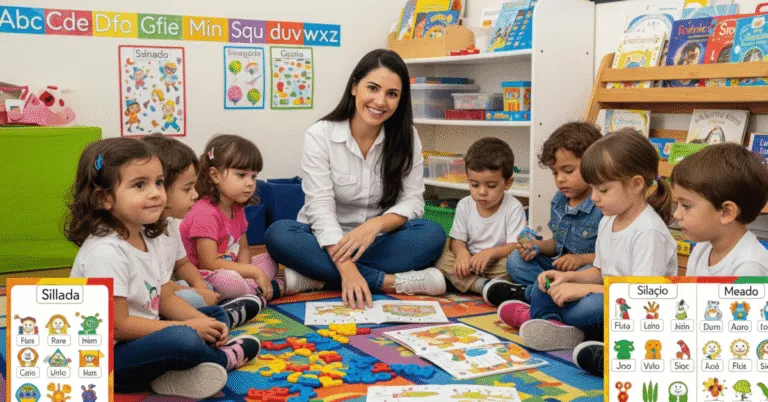
A child may know the names of the letters and still be unable to put them together to read a word. Literacy difficulties can affect reading, writing, or awareness of speech sounds; a single mistake does not confirm a disorder. To decide what to do, look at the child’s progress, learning opportunities, and the kind of support that helps.
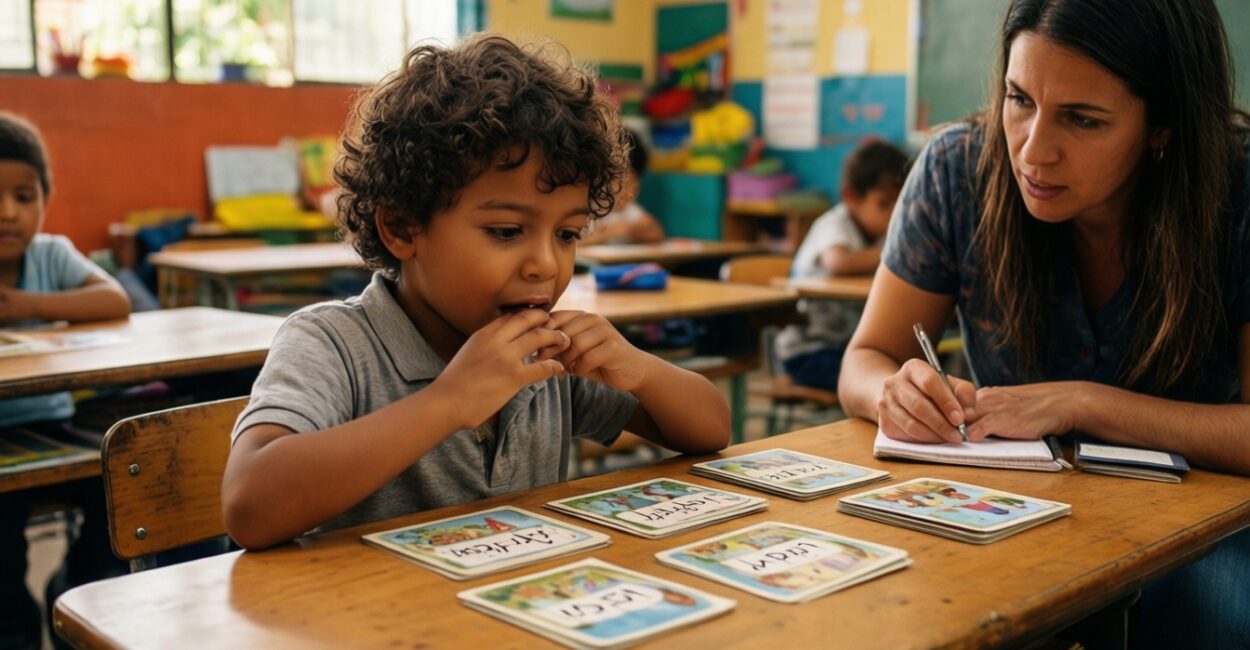
The most useful approach starts with specific examples, not labels: What task did the child do? Where did they hesitate? What could they do after receiving guidance? Keeping a record helps families and schools adjust instruction and, if the difficulty persists, discuss an evaluation.

Quick facts
- What to look for: letter recognition, connections between sounds and letters, reading, and writing.
- What a mistake means: It may be part of learning and should be interpreted in context.
- First step: Record the tasks, support provided, and the child’s responses.
- When to talk with the school: When the obstacle persists or interferes with progress and participation.
- Diagnosis: An educational screening or checklist of signs cannot confirm a disorder.
What literacy difficulties are and how they show up
Literacy difficulties are recurring obstacles to learning reading and writing skills, such as recognizing letters, connecting them to sounds, reading words, or putting ideas in writing. The term describes what a child encounters while learning, but it is not a diagnosis.
How these difficulties are interpreted depends on the child’s development, the instruction they have received, and their response to appropriate support.
A child may occasionally mix up letters while learning. It warrants attention when the obstacle recurs across different tasks and over time, limits progress, or continues despite explicit instruction and opportunities to practice. The distinction does not come down to one wrong answer; it depends on the pattern observed and how it changes with guidance. In a broad sense, a learning difficulty is an obstacle to acquiring or using knowledge and skills. In literacy, it may involve awareness of speech sounds, letter recognition, decoding words, understanding texts, or writing. There is no universal, official list of exactly seven difficulties; categories vary by framework, and observed difficulties do not automatically amount to diagnoses.
To learn how instruction can support this process, explore the stages and approaches to literacy instruction in elementary school.

Observable signs and possible causes
Signs vary from child to child. Some children can read familiar words but get stuck on new ones; others can express an idea clearly out loud but struggle to write it down.
A difficulty becomes meaningful when you consider how often it occurs, the context, and the effect of support—not when you single out a mistake made during one task.
Skill being observed
What may happen during a task
What to record before drawing conclusions
Letter recognition
Hesitating when naming letters or confusing some letter shapes.
Which letters the child recognizes, in what format, and with how much help.
Connections between letters and sounds
Difficulty matching a letter to its corresponding sound.
Whether the connection improves with an example, a clue, or a review.
Reading words and texts
Reading slowly, stopping while sounding out words, or avoiding reading aloud.
Which words the child can read, where they hesitate, and whether they understand what they read.
Writing letters and words
Leaving out letters, using the wrong spellings, or struggling to put an idea in writing.
Whether the writing is independent or copied, and what guidance helps.
These examples can help organize observations; none of them alone confirms a disorder. “Difficulty learning to read” does not have a single explanation, either. Dyslexia is a specific learning disorder associated with reading, but reading difficulties can have other causes and require an appropriate evaluation before receiving a clinical label.
Factors to consider include consistency of learning opportunities, whether the strategies are appropriate, and the conditions in which the child learns. Developmental concerns or other needs may warrant a specialized evaluation, but they cannot be inferred from a letter mix-up or a single assignment. An online checklist is no substitute for a professional evaluation.
For learning goals at each grade level, the Base Nacional Comum Curricular (Brazil’s National Common Curricular Base), published by the Ministry of Education, provides a curriculum framework. It guides instruction; it cannot diagnose an individual child.

How to track progress and decide when to seek help

Tracking progress means recording what a child can do independently, where they get stuck, and what changes when they receive a clue or explanation. An educational screening for literacy identifies what a child knows and helps plan instruction; it is not a clinical diagnosis. Comparable records over time are more useful than a general impression like “they’re falling behind.”
- Task observed.
- What the child did independently.
- Where the child stopped or hesitated.
- Guidance provided.
- What changed after the guidance.
- Date or time of the observation.
- Next step agreed on with the school.
A reading worksheet can reveal something that might be missed in a general assessment: a child may recognize letters on their own but still be unable to combine sounds when reading a word. Recording this difference makes it possible to choose a more targeted activity and see whether the support worked.
Talk with your child’s teacher when a pattern persists, affects participation, or there is little progress despite instructional adjustments. If the school and family cannot determine what is getting in the way, a professional evaluation may make sense. The decision depends on the child’s progress and observed needs, not age alone. The INEP, Brazil’s National Institute for Educational Studies and Research, publishes official education information, but its general data cannot determine what an individual child should do.
Instructional strategies and activities that support literacy
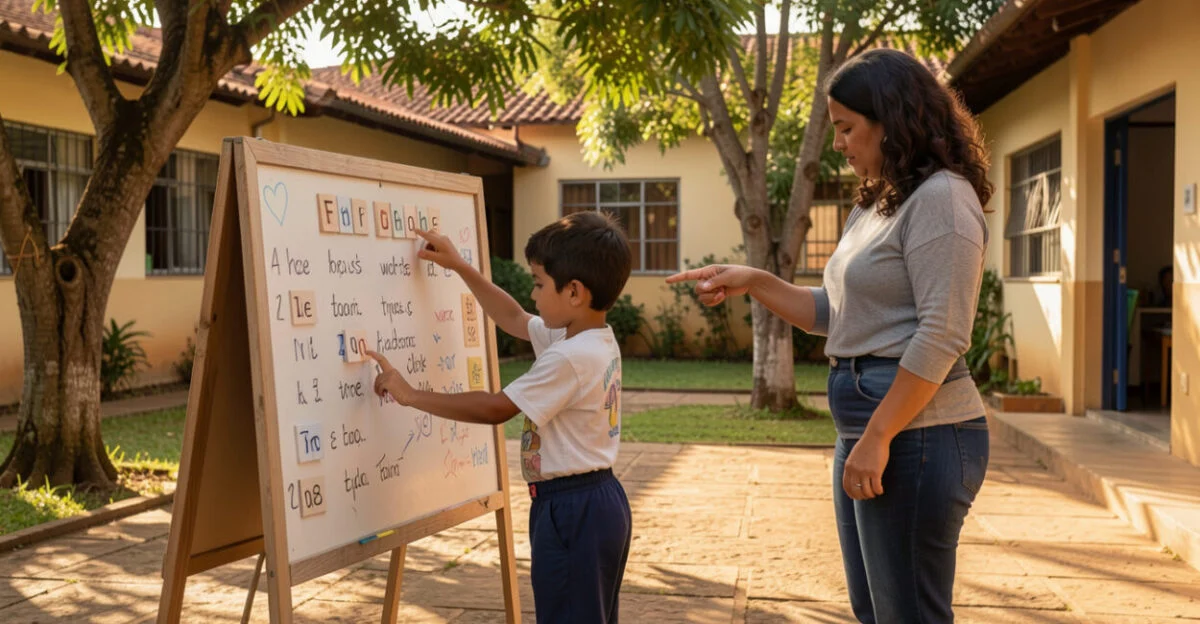
To teach students with learning difficulties to read and write, instruction should build on what the child already knows and move forward in observable steps. Teachers can explain how sounds connect to letters, model how to read words, assign writing with a clear purpose, and review skills that are not yet secure. They can then observe the child’s response and adjust the challenge.
Observed need
Possible support
How to track the response
Difficulty recognizing letters
Compare letters in different formats and connect them to familiar words.
Check which letters the child recognizes without clues and which still require help.
Difficulty connecting sounds and spellings
Explore initial sounds, syllables, and taught sound-letter connections using examples that gradually increase in difficulty.
Observe whether the child identifies the sound and connects it to the letter in new words.
Difficulty reading words
Practice guided reading with words and texts suited to the child’s current level.
Record fluency, hesitations, the need for clues, and comprehension.
Difficulty writing words
Assign purposeful writing, provide models when needed, and review one aspect at a time.
Compare what the child writes independently with what they can do after receiving guidance.
Activities can share a topic or goal with the rest of the class while varying the level of support, the amount of work, or the complexity. An adaptation works best when it addresses an observed need; repeating exercises without checking what the child is learning can be tiring without clarifying what still needs to be taught. Activities for students with literacy-related learning difficulties should complement instruction, not replace it.
When choosing an activity workbook for students with learning difficulties, check whether it includes:
- A clear objective for each activity.
- A gradual increase in difficulty.
- Clear, easy-to-read instructions.
- Activities connected to what is being taught.
- Room for an adult to provide guidance.
- Activities suited to the child’s current skill level, not just their age or grade.
A search for PDF activities for students with learning difficulties may turn up useful materials, but the file format does not guarantee that they are appropriate or effective. The same criteria apply to activities labeled for fourth grade: the grade listed does not replace an assessment of the goal and what the child can already do.
Games and activities can support practice when they target the skill being taught. A reading resource should give children a chance to read; a game unrelated to the goal will not address the observed difficulty.

How to support reading and writing at home
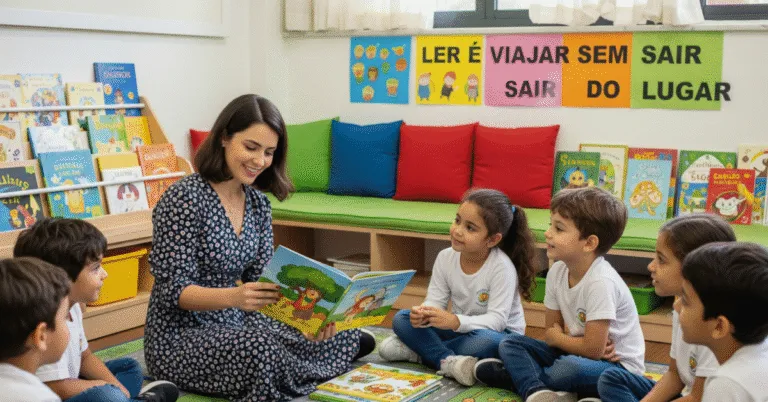
At home, brief shared reading and everyday chances to write help children stay engaged with written language without turning every conversation into a test. A child might choose a story, follow along as an adult reads, or write a note. Families play an important role in supporting literacy, but they do not need to take the place of the school.
When a child gets stuck while reading, offer a clue or read together. Don’t interrupt every sentence to correct them: if the goal is understanding the story, preserve its meaning and work on accuracy another time; if the activity teaches a sound-letter connection, correction can be part of the support. Keep an eye on slow reading alongside comprehension, confidence, and the child’s response to guidance.
If a child refuses to read aloud, avoid putting them on the spot or forcing them. Offer to read together or let them read silently, and talk with the school about possible reasons, such as insecurity, difficulty sounding out words, or discomfort with the situation. Reading and writing also provide access to content in other subjects; persistent difficulties can affect that access, though not in the same way for every child.
How families, schools, and support professionals can work together
A productive conversation between family and school focuses on specific situations: What task was assigned? Where did the obstacle arise? What help was offered, and how did the child respond? This kind of record avoids labels and helps set a learning goal that can be observed at school and at home. Understanding the role of teachers in assessing literacy difficulties also helps put educational screenings in the context of instructional planning.
A useful record shows the task, where the difficulty occurred, and how the child responded to support.
Families and schools can work together in a simple cycle: choose a skill, agree on a strategy, record what happens, and review the plan. If concerns persist or progress remains limited despite adjustments, professionals from different fields can contribute as needed. Evaluation does not replace instruction, and no single professional is right for every case.
When there is reason to look into health or developmental concerns, families can talk with qualified professionals. Psychology and neurology are distinct fields, and whether to involve professionals in either depends on the question being addressed. Information about health care is not a substitute for individualized guidance, either. To learn about the role of the MEC, Brazil’s Ministry of Education, and consult official literacy documents, check the Ministry’s own publications.
Next steps and myths to avoid
Start by writing down a specific reading or writing situation. Then talk with the school, agree on support tied to the observed difficulty, and track whether it changes the child’s performance. If the concern persists or calls for investigation beyond instruction, the family can seek a professional evaluation and bring along its records.
Letter errors do not automatically confirm a disorder, and comparing a child with classmates does not explain what they need to learn. How difficulties are classified depends on the framework used, so a fixed list of “seven types” may mix educational signs with diagnoses. When discussing the process, clear, example-based communication helps keep the focus on support. Artificial intelligence can generate activity ideas, but it cannot observe the child or replace instructional planning or an evaluation. Identifying and addressing difficulties requires careful follow-up, without blaming the child or the person teaching them; supporting a child’s personal growth also means respecting their pace and participation.
Frequently asked questions
What are the 7 types of learning difficulties?
There is no universal, official classification that establishes exactly seven types. Categories vary by framework, and an observed obstacle to learning is not, by itself, a diagnosis.
Is it normal for a 7-year-old not to know how to read or write?
Age alone cannot establish whether a child has a disorder or determine the cause. Families and schools should consider the child’s progress, learning opportunities, and applicable curriculum goals, as well as what the child can already do and how they respond to support.
Are letter errors when writing always a sign of a disorder?
No. Letter substitutions or omissions can occur during learning and should be considered in the context of the tasks, instruction received, and whether the pattern persists.
What should I do if my child refuses to read aloud?
Avoid forcing them or putting them on the spot in front of others. Try reading together or offering silent reading, and talk with the school to understand what may be behind the refusal.
Can learning to read later affect other areas of learning?
It can make it harder to access content that depends on reading and writing, but this effect is not inevitable and does not affect every child in the same way. Tracking needs in each subject makes it possible to provide support without assuming the outcome.