
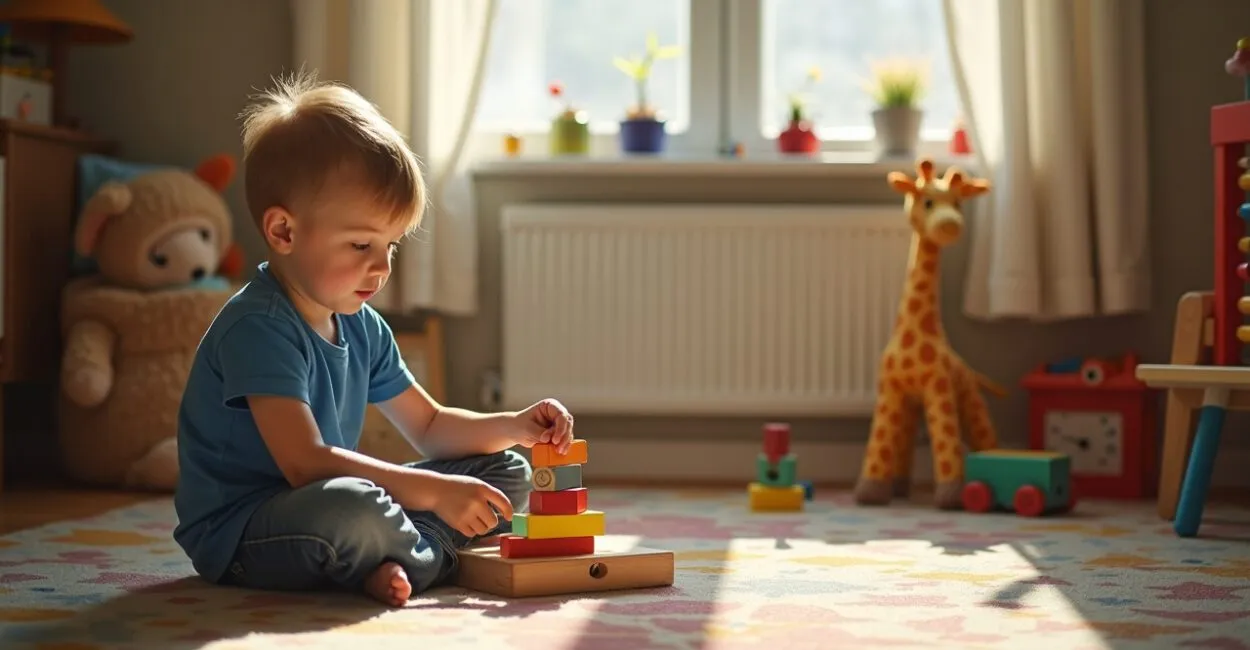
Picture this: instead of complaining about math homework, your child asks to do one more problem. Sound like a far-off dream? Believe it or not, it’s possible! First-grade math can be a fun, engaging journey—not an uphill battle. Forget the idea of dull, repetitive lessons. Here’s how to turn learning into play and spark your child’s curiosity and logical thinking.
Discover games, hands-on activities, and tricks that will make numbers, shapes, and logic puzzles your child’s new favorite things. Get ready to see math in a whole new light!

Counting Stories and Exploring Numbers
Did you know that storytelling is a great way to introduce numbers? Instead of simply introducing numerals, create engaging stories that use them naturally. For example, tell a story about three teddy bears who went for a walk in the woods, or five little birds singing on a branch. Use your fingers to show the quantities, and encourage your child to do the same. This playful approach makes learning more meaningful and memorable.
Many parents make the mistake of focusing only on memorizing numbers without helping their child build an understanding of quantity. To avoid this, use everyday objects to represent numbers. Toy pieces, fruit, colored pencils—anything can be a learning tool. The key is to let your child handle the objects and see how each number relates to a specific quantity.
Math Dominoes: A Fun Way to Add
Who says dominoes are just for adults? Give the game a first-grade math makeover and turn study time into pure fun! Make dominoes with pictures of objects (balls, flowers, and so on) instead of the usual dots. Put two different quantities on each tile, then challenge your child to find the tile that matches their sum. This game builds logical thinking, counting, and number recognition.
Avoid using large numbers at first. Start with small quantities (up to 5) and gradually make the game more challenging. The goal is to challenge your child without frustrating them. Remember, learning should feel easy and enjoyable.
Geometric Shape Treasure Hunt

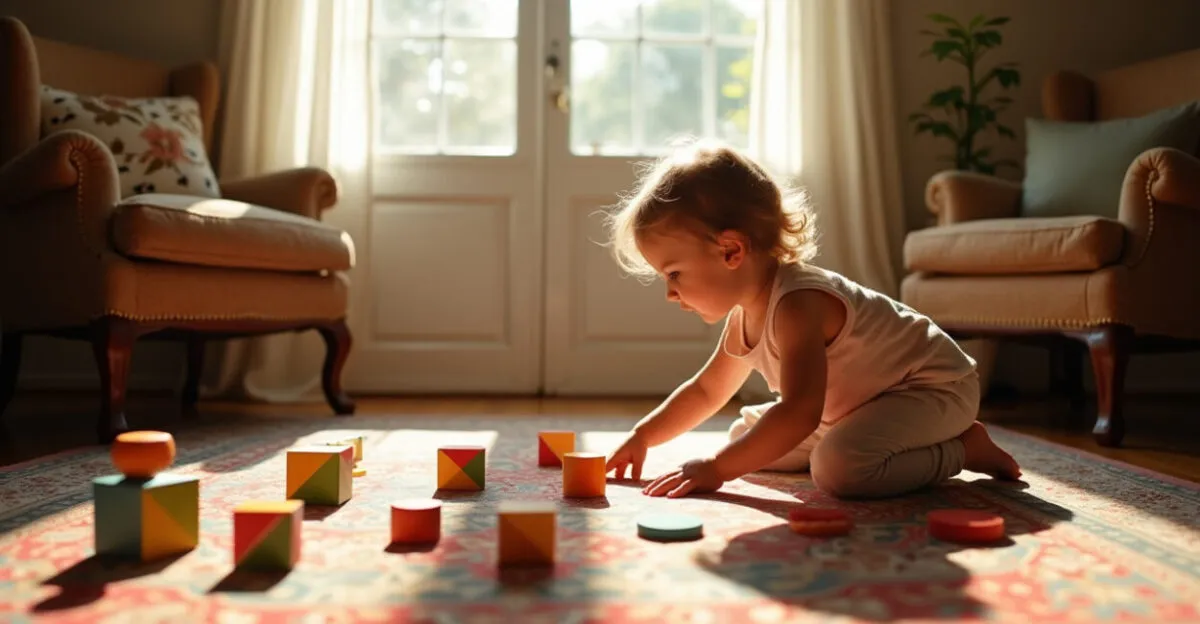
Turn your home into a treasure map and set off on a geometric adventure with your child! Hide objects with different shapes (circles, squares, triangles, and so on) around the house, then create clues to help your child find them. The clues can be riddles, drawings, or even simple math problems about shapes. This activity builds visual perception, shape recognition, and logical thinking.
Read also: 7 Practical Reading Games for First Grade
Here’s a fun comparison: think of a square as a house with four equal walls and a triangle as a slice of pizza. Analogies like these help children picture geometric shapes in a more concrete and enjoyable way.
Playing with Pattern Blocks
Pattern blocks are a great way to build children’s logical thinking and classification skills. These blocks come in different shapes, colors, and sizes and can be used for all kinds of activities. For example, ask your child to sort the blocks by color, shape, or size. Or make a pattern and challenge them to figure it out and complete the sequence. This game encourages critical thinking, problem-solving, and organization.
A common misconception is that pattern blocks are just toys. In fact, they’re powerful tools for children’s cognitive development, helping them learn first-grade math in a fun and effective way.
Math Songs: Rhythm and Counting
Music is a universal language that can make math learning fun and engaging. Write songs about math concepts like counting, addition, and subtraction. Use musical instruments to keep the beat, and encourage your child to sing and dance along. This activity builds motor coordination, memory, and focus while introducing math concepts in a fun, natural way.
Imagine a simple tune that teaches your child to count from 1 to 10, with a gesture for each number. This little musical story turns learning into a full sensory experience.
Math Board Games
Many board games can be adapted to teach first-grade math. Create a board with numbered spaces and a math challenge on each one. Roll the dice to see how many spaces your child moves. When they land on a space with a challenge, they must solve the problem before continuing. This game builds logical thinking and problem-solving skills, encourages friendly competition, and makes learning math fun and interactive.
According to Brazil’s Ministry of Education (MEC), using games and playful activities in math class increases student interest and performance. Visit the MEC website to learn more about its guidelines for teaching math in basic education.
Educational Apps and Websites
Technology can be a great ally when teaching first-grade math. Many educational apps and websites offer games, activities, and interactive exercises that introduce math concepts in fun, engaging ways. Use these resources to supplement learning at school and at home. This modern, interactive approach sparks curiosity, encourages independence, and builds children’s interest in math.
Still, it’s important to limit screen time and choose high-quality apps and websites that genuinely support your child’s learning. Ask teachers and experts for recommendations before choosing the best resources for your child. Khan Academy Kids is a great option, with high-quality content available for free. Check it out!
Remember: the secret to turning math into an adventure is creativity, patience, and a willingness to learn alongside your child. With the right strategies, you can spark a love of math and help set your child up for future success.
Frequently Asked Questions
My child struggles with math. Can these games really help? Absolutely! The playful, interactive approach makes learning more enjoyable and less intimidating. Instead of feeling pressured to get every answer right, your child can explore and discover math concepts naturally. Games also help develop logical thinking, focus, and problem-solving skills—essential for success in math and other areas of life.
How Often Should I Do These Activities with My Child?
There’s no magic formula, but it’s a good idea to make these activities a regular part of your child’s routine without overdoing it. Start with short sessions of 15 to 20 minutes and see how your child responds. If they’re having fun and learning, you can gradually increase the time. The important thing is to keep the activities enjoyable rather than making them feel like a chore. Weekends can be a good time to spend a little longer playing math games.
How Can I Tell if My Child Is Learning Math Effectively?
Notice whether your child seems more confident when working through math problems, can explain concepts clearly, and shows interest in learning more. Other signs include being able to apply math concepts to everyday situations, such as counting money to buy a toy or measuring ingredients to bake a cake. Most importantly, your child should feel happy and motivated to learn without being afraid to make mistakes.
Can These Activities Replace Math Class at School?
No, not at all. These activities supplement classroom learning; they don’t replace it. They reinforce concepts learned at school, make learning more fun, and encourage your child’s interest in math. Ideally, talk with your child’s teacher to find out where they need the most help, then adapt the activities to meet their specific needs.
Where Can I Find More Resources and Ideas for Making Math Fun?
Many websites, books, and educational materials can help you find more resources and ideas for making math fun. Recommended websites include Khan Academy, Nova Escola (a Brazilian education website), and Brazil’s Ministry of Education. You can also look for activity books and math games at bookstores and educational toy stores. The key is to explore different resources and find the ones that best fit your child’s learning style.
Artigos Relacionados
 Math Workshops: Hands-On Games for Understanding Concepts
 First-Grade Curriculum: Essential Subjects, Skills, and Tips for Supporting Your Child’s Learning
 City Guidance on the Rise: New First-Grade Supply List Recommendations Affecting Teachers and Families
 Language-Building Play: 10 Activities to Get Kids Talking
 Creative Curriculum: 7 Hands-On School Activities for 2025
 Interactive Math Activities With Technology in the Classroom
