
A newly planted seedling in a pot can suffer from both waterlogged soil and a lack of water on a hot afternoon. Strawberries can be grown in pots, garden beds, in the ground, or in vertical structures when the system provides adequate drainage, light, and management for the cultivar and climate. When choosing how to grow them, consider the space available, the source of your seedlings, and conditions in your area.
For just a few plants, a well-prepared container is usually easier to monitor. Production for sale, however, also requires planning for costs, labor, fruit preservation, and sales channels. At any scale, there is no single planting formula that works throughout Brazil.

Quick summary
- Choose a cultivar and planting time with guidance from local experts.
- Use a container or growing area with good drainage.
- Monitor moisture without waterlogging the growing medium.
- For commercial production, estimate costs and assess the market before investing.
At a glance
- Systems: pots, plastic bottles, garden beds, in-ground planting, and vertical structures.
- Key conditions: adequate light, available water, and drainage for excess water.
- Seedlings: healthy, from a reliable source, and suited to the region.
- Management: irrigation, nutrition, and plant health practices adapted to the system and climate.
- Planting time: varies by region, cultivar, and whether the crop is grown outdoors or under cover.
What to consider before growing strawberries
Strawberry plants are grown for their fruit, and their performance depends on the interaction between cultivar, climate, location, growing system, seedling quality, and management. Simply put, even a plant well suited to the region needs healthy roots, balanced water, and adequate light to grow.
At home, the goal is usually to keep a few plants within easy reach for care and harvesting. Selling strawberries involves other requirements: purchasing supplies, organizing labor, preserving fruit after harvest, and finding buyers. Commercial production also requires estimating losses and costs before expanding the growing area.
Observe how much sun the site gets throughout the day, how well air circulates, and whether water is readily available. Also determine where excess water will drain: a patio without a drain or a plot where water collects can damage the roots. In rural areas, water collection and use need to be planned; review the requirements for registering a rural well in Brazil before relying on your own water source.
Before you plant, check that you have:
- Assessed the available space and sunlight.
- Planned drainage for the container or growing area.
- Chosen a growing system that fits the space and time available.
- Obtained seedlings from a reliable source.
- Secured a water supply for irrigation.
- Consulted local recommendations.
Climate, location, and planting time
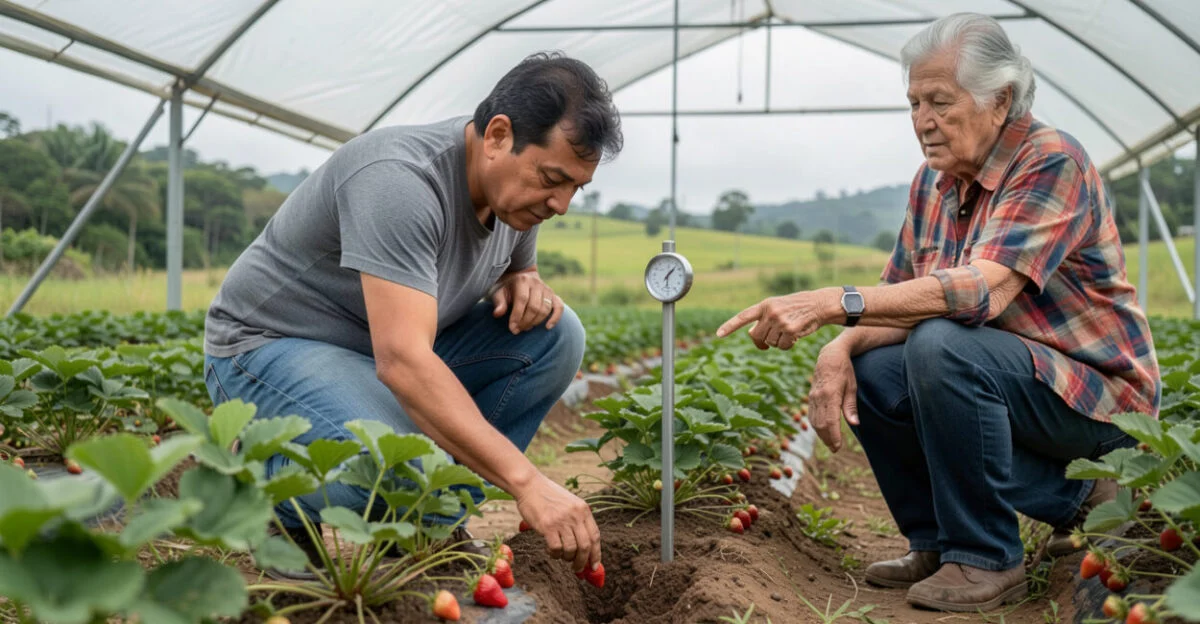
Strawberry planting times in Brazil vary by region, cultivar, and growing system; there is no single calendar that works everywhere. Excessive heat can harm plant development and fruit quality, so choose a cultivar and planting period based on the area’s climate history.
Even the question of when to grow strawberries in southern Brazil calls for a local answer: altitude, climate, and growing system can all affect the best timing. Protected and open-field production may also call for different recommendations. Consult reputable nurseries and local agricultural extension services rather than following planting dates suggested for another town.
Embrapa’s strawberry resources are a good starting point for research and production guidance. When deciding when to plant, combine technical information with the actual conditions at your site, including temperatures, water availability, and the possibility of protecting the plants.
Decision What to consider What varies by region or system Where to confirm recommendations Cultivar Suitability for the climate, purpose, and system Performance and response to local conditions Agricultural extension services and a trusted nursery Planting time Climate history and desired production period Regional calendar and cultivar Regional agricultural extension services Open-field or protected growing Exposure to the elements and available infrastructure Temperature, humidity, and management requirements Local technical guidance Water availability Supply reliability and drainage Irrigation needs and site conditions Agricultural extension services and water-source assessment
How to choose seedlings and prepare the site

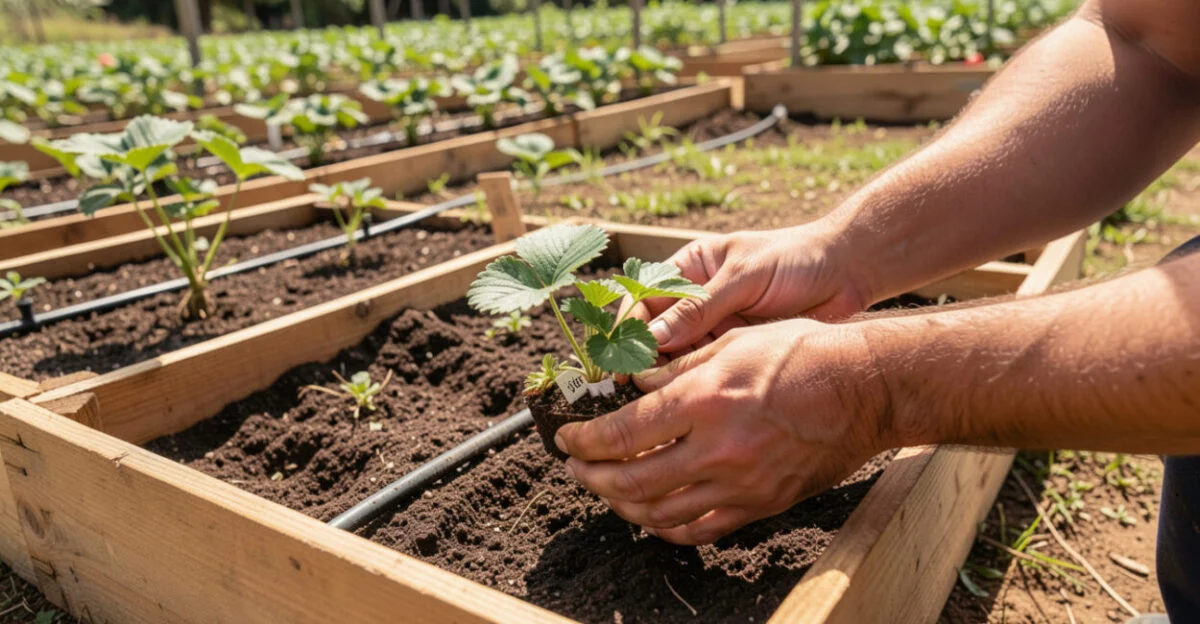
Buy healthy, labeled seedlings from a reliable source. The cultivar should suit both the region and the chosen system; a cheap seedling with no known origin may bring establishment and plant health problems that make management difficult from the start.
Prepare the container, garden bed, or plot before bringing in the plants. The soil or growing medium should drain well and provide suitable growing conditions; its composition depends on the available materials and the system, so a generic recipe is no substitute for local recommendations.
For larger plantings, base soil amendments and fertilization on soil testing and technical guidance. Also install irrigation and drainage systems in advance. When strawberry growing is part of a broader agricultural operation, planning should account for the property’s conditions, as it does when choosing combinations of trees and crops.
How to plant in pots, beds, in the ground, or in PVC pipes
The best system depends on the available space, your budget, and your ability to monitor irrigation. Pots and plastic bottles work for a few plants; garden beds and in-ground planting can accommodate larger areas; PVC pipes make use of vertical space but require careful attention to water distribution and structural stability.
Read also: Coffee Growing: How to Plan Your Crop and Care for the Plants
To grow strawberries in pots, choose a container with enough volume for the plant and unobstructed drainage holes. Small pots dry out quickly, especially in hot or windy locations. For plastic bottles, the openings should allow both planting and drainage; improvised containers need frequent checks to prevent waterlogged or dry spots.
For a strawberry bed or in-ground planting, prepare a well-drained area and leave enough room to reach the plants, irrigate, inspect, and harvest without stepping on the growing area. Follow spacing recommendations for the cultivar and system rather than copying a formula without context.
Read also: Soybean Planting: How to Plan the Season and Manage the Crop
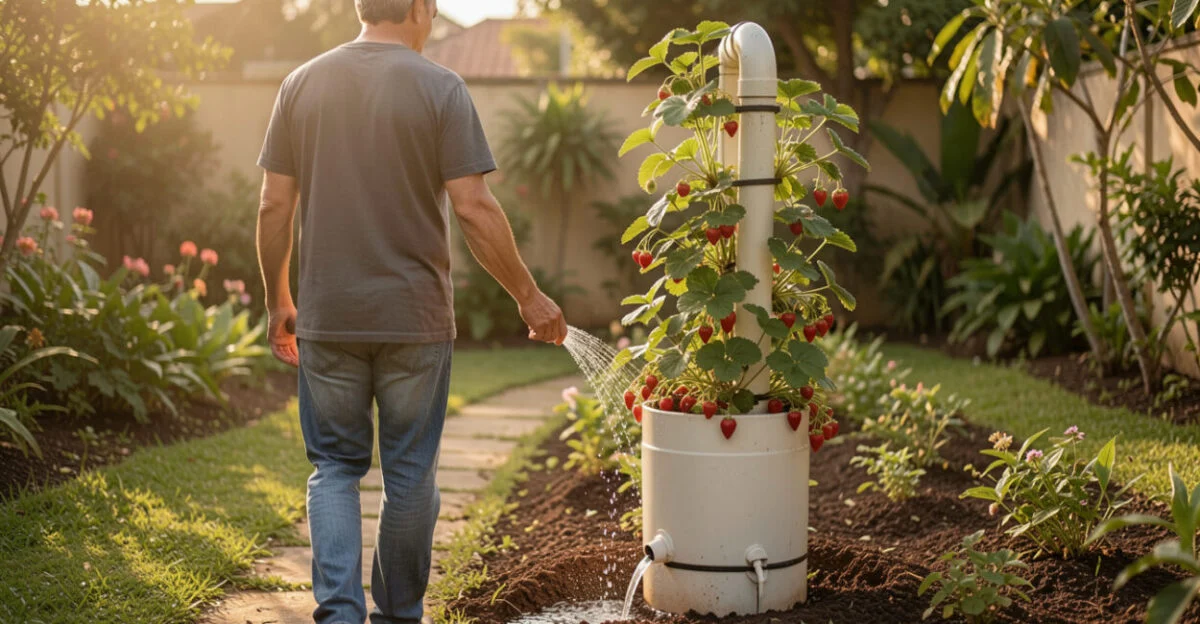
To grow strawberries in PVC pipes, make openings suited to the container and plants, secure the structure so it cannot tip over, and plan how water will reach every section. One easy-to-miss detail: the top of the pipe may dry out before the bottom, while water collecting below can keep the roots too wet. Check different points along the pipe and adjust irrigation; a homemade setup is not automatically equivalent to a commercial system designed to control water and nutrients.
System Typical space and use Points to consider Limitations Pot A few plants on a patio, balcony, or in a yard Drainage holes and adequate volume Growing medium can dry out quickly Plastic bottle Home growing using a repurposed container Openings, drainage, and stability Limited volume and need for close monitoring Garden bed Growing area arranged in rows Drainage and access for care and harvest Depends on site conditions and preparation In-ground planting Growing directly in the soil Drainage, access, and soil conditions Less control over the root environment PVC pipe Vertical structure for a small space Water distribution, secure mounting, and maintenance Moisture may vary throughout the pipe
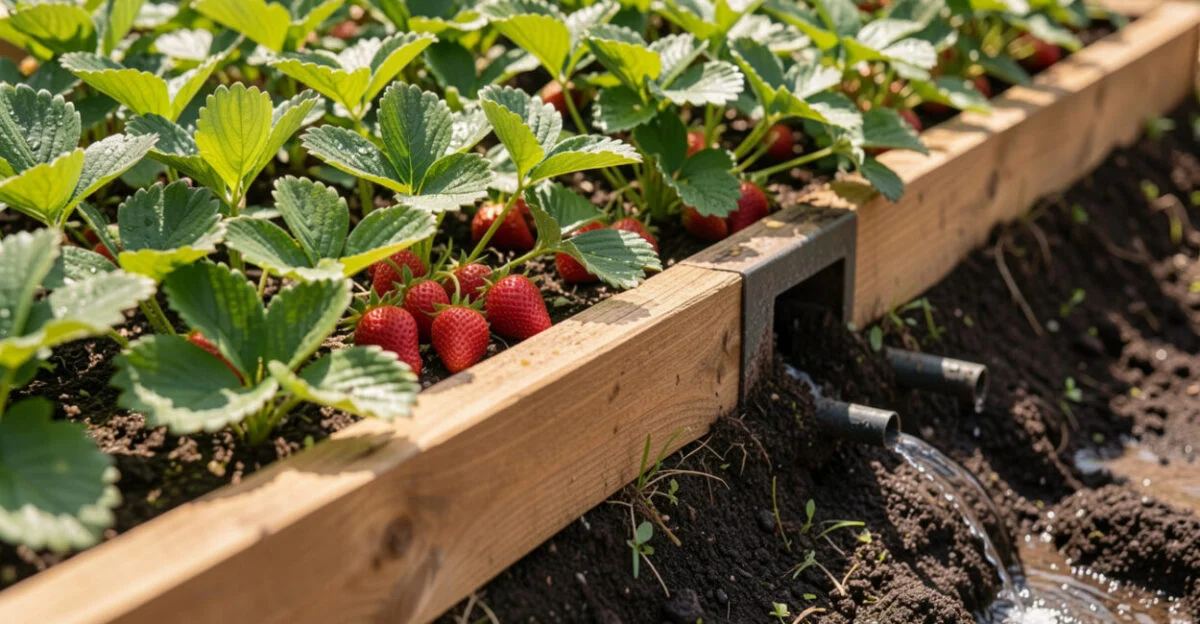
If water remains in the container or garden bed after irrigation, improve drainage before watering more often.
Water, nutrition, and plant health management
Strawberry plants need a regular supply of water, but their roots should not remain waterlogged. Irrigation frequency depends on the climate, soil or growing medium, container size, and plant growth stage. Rather than following a fixed schedule, check moisture and make sure water drains through the holes or away from the growing area.
Fertilization also depends on soil testing, cultivar, and growing system. In commercial production, applying a generic rate may leave plants short of nutrients or cause excess; ask for technical recommendations based on the soil or growing medium and production plan.
Inspect leaves, flowers, and fruit regularly for signs of pests, diseases, or water stress. A diagnosis will guide the response: similar symptoms can have different causes. To plan prevention and control measures for your crop, consult integrated pest management practices and seek crop-specific guidance.
Tip
In containers, check moisture in more than one spot, not just on the surface. The top layer may look dry while the root zone is still moist.
Flowering, harvest, and post-production care
Monitor the plant from flowering through fruit development, keeping an eye on both growth and plant health. The right time to harvest depends on the strawberries’ intended use and the buyer’s standards; what works for home consumption may differ from the requirements for shipping and sale.
Harvest and handle the fruit carefully to minimize damage. If you plan to sell it, determine how it will be packed, stored, and transported. Also record how much you harvest and how much is lost: these records help you evaluate management and inform future decisions. For other recordkeeping and monitoring practices, learn how to organize food traceability.
Remove diseased material according to the guidance appropriate for the situation, and keep the growing structure in good working order. Avoid indiscriminate pruning or cleanup: removing plant parts should take into account plant health and recommendations for the cultivar and system.
Is a strawberry greenhouse profitable? How to assess its feasibility
A strawberry greenhouse can help organize production and protect plants from some outdoor conditions, but it does not guarantee higher profits. The results depend on costs, yields, losses, selling prices, and the ability to market the fruit.
Before investing, put together a budget and production plan based on local data. Include upfront investment; recurring costs; labor; losses; packaging and transportation; sales channel; and local prices. Also consider whether you will have the facilities needed to store and deliver the crop to buyers’ specifications.
Here is an illustrative example, not a market forecast: if your budget includes the structure, seedlings, and irrigation, add those expenses to operating and marketing costs. Then compare the total with the potential revenue based on local yield and price estimates, minus losses. If you do not have a confirmed buyer or reliable data for the estimate, hold off on expanding and gather that information first.
When assessing strawberry production in Brazil, consider the property’s conditions, available technical support, and distance to buyers. Protected production involves more than putting up a cover: the project may require investment in infrastructure and water and nutrient management, as well as labor and postharvest planning.
Frequently asked questions
What is the best strawberry to grow?
There is no single cultivar that is best for every situation. The choice depends on the region, climate, growing system, and purpose; ask a local agricultural extension service or trusted nursery which seedlings are recommended for your area.
What are five interesting facts about strawberries?
A strawberry is an aggregate fruit formed from a flower with multiple ovaries; the tiny spots on its surface are achenes, structures that contain seeds; many cultivars produce runners that can grow into new plants; pollination contributes to even fruit development; and cultivars vary in their characteristics and adaptability.
Can strawberries tolerate hot weather?
Excessive heat can harm plant development and fruit quality. Results depend on the cultivar, region, and management, so consult local recommendations before planting in a hot climate. Do not assume a cultivar recommended for another region will perform just as well in yours.
Where to start
Before buying seedlings, note the available space, sunlight, drainage options, and how much time you can dedicate to irrigation and monitoring. Then consult local recommendations to choose a cultivar and planting time. If you plan to sell, research costs and sales channels before building the structure.
Artigos Relacionados
 Hydroponics: How to Start Growing Without Soil
 Vertical Farming and LED Lighting: Revolutionizing Strawberry Production
 How to Use Leaf Analysis to Guide Plant Nutrition
 Plant Diseases: How to Identify Them and Prevent Losses
 African Mahogany Planting: A Complete Guide to Profitable, Sustainable Growing
 What to Do With an Inheritance: How to Manage the Money
