
Hydroponics: How to Start Growing Without Soil
To get started with hydroponics, choose a plant that suits your space and set up a system that provides roots with water, nutrients, and oxygen.

When learning how to grow plants hydroponically, it’s important to understand that protected growing and hydroponics aren’t the same thing. A greenhouse can house different ways of growing plants; hydroponics is defined by providing water and nutrients to roots without using soil. You’ll need a reservoir, plant supports, nutrient solution, adequate light, and a way to keep the solution circulating or oxygenated. Before buying a kit, decide where it will go and what you want to grow: lettuce and other leafy greens are usually easier options for beginners than large plants or those with long growing cycles.
How to grow hydroponically: what replaces soil
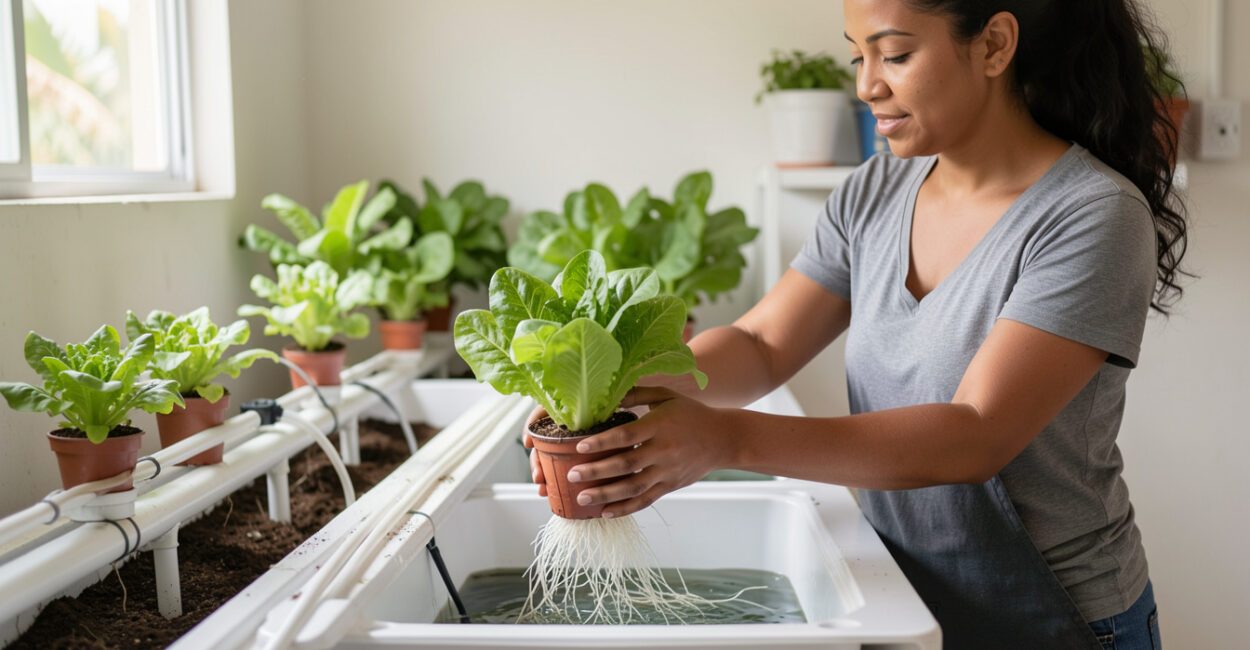
Hydroponics is the practice of growing plants without soil, with roots receiving water and mineral nutrients through a nutrient solution. To get started, choose a species suited to your space, use a reservoir and plant supports, and prepare the solution according to technical guidance. The system also needs light and oxygenated roots.
Soil typically provides physical support and helps make water and nutrients available. In hydroponics, these functions are divided among the structure that holds the plant, the nutrient solution, and, in some systems, an inert growing medium such as phenolic foam or expanded clay.
That doesn’t mean you can simply leave the roots submerged in water. Without oxygen, circulation, or proper management, they can suffer, and an imbalanced solution can affect growth. Publications from Embrapa, Brazil’s agricultural research agency, on hydroponic growing and technical materials from the FAO can help you understand how to manage a system. For example, the FAO covers agricultural practices for protected crops in its good practices manual for greenhouse vegetable production.
What to gather before setting up your first system
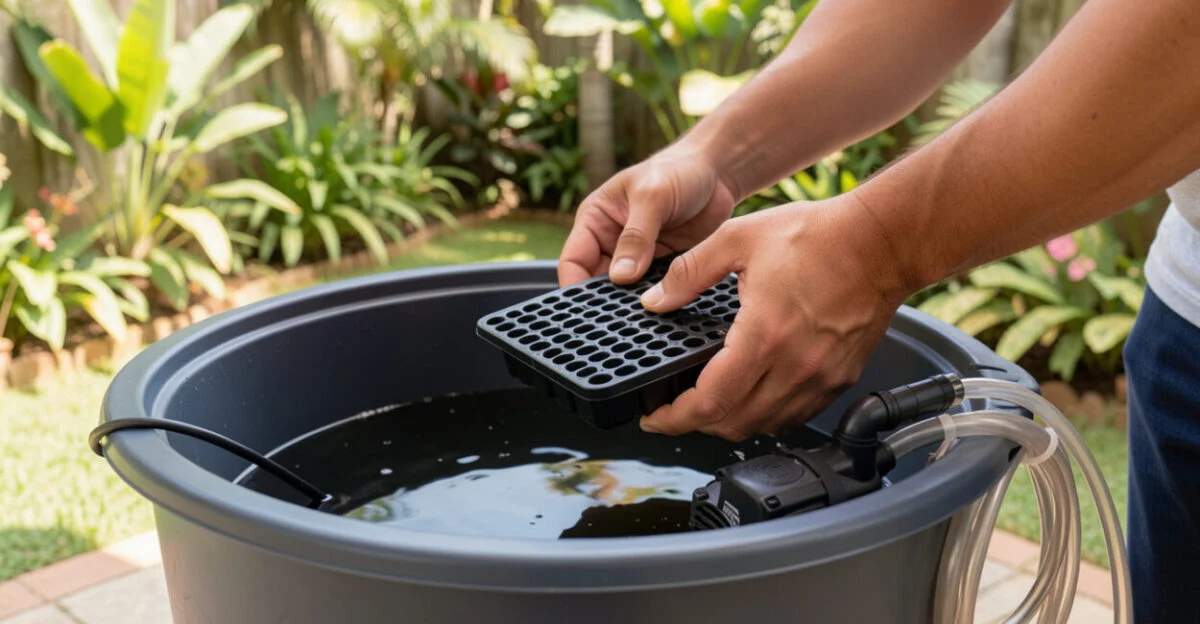
The essentials are easy to list, though each component needs to work with the others. A basic setup includes:
- Opaque reservoir: Reduces light exposure, which encourages algae growth.
- Plant supports: A channel, tray, or perforated lid, depending on the system.
- Water and nutrient solution: Prepared according to the label and technical guidance.
- Light: Enough natural light or supplemental lighting suited to the crop.
- Oxygenation or circulation: Needed depending on the system design.
A pump, timer, and pH and electrical conductivity meters can make monitoring easier, but not every setup needs all of them. The extension service at the Federal University of Santa Catarina can be a useful source of local advice; recommendations may vary depending on your water, temperature, and system type.
A practical tip: choose a reservoir that’s protected from light and easy to clean. Dirt and roots that build up in tight corners make cleaning harder, even when the rest of the system looks fine.
Read also: Soil Liming: When to Do It and How to Guide Application
Which system fits your space and routine

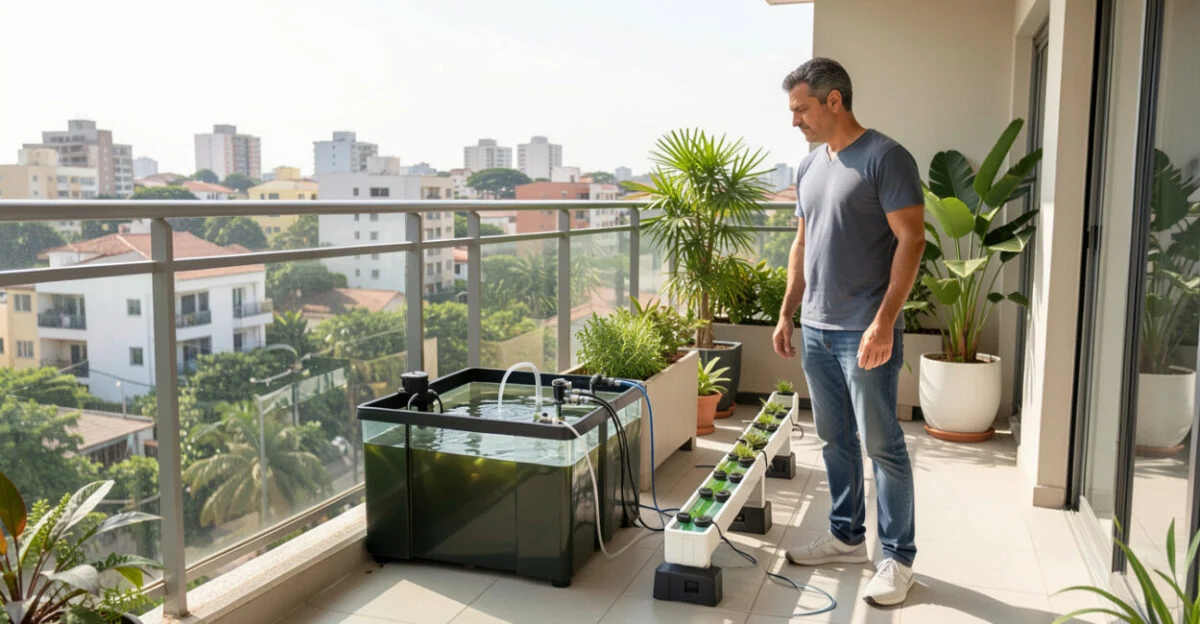
There’s no one-size-fits-all kit for beginners. The right choice depends on your space, the plant species, and how willing you are to monitor the water. Compare how each system works before buying:
System Space Maintenance and power Aerated reservoir Small Requires checking water and aeration; uses a pump. Ebb and flow Small to medium Alternates between watering and draining; typically uses a pump and timer. Nutrient film technique (NFT) Varies Solution flows through channels; uses a pump and requires careful monitoring of circulation.
A system without a pump can reduce reliance on electricity, but it isn’t automatically right for every plant or situation. If the power goes out in a system that depends on circulation, the roots may not get a fresh supply of solution. Choose based on your routine, not just the kit’s compact design.
Read also: Beekeeping: How to Start Raising Bees on a Farm
Nutrient solution isn’t something to mix by guesswork
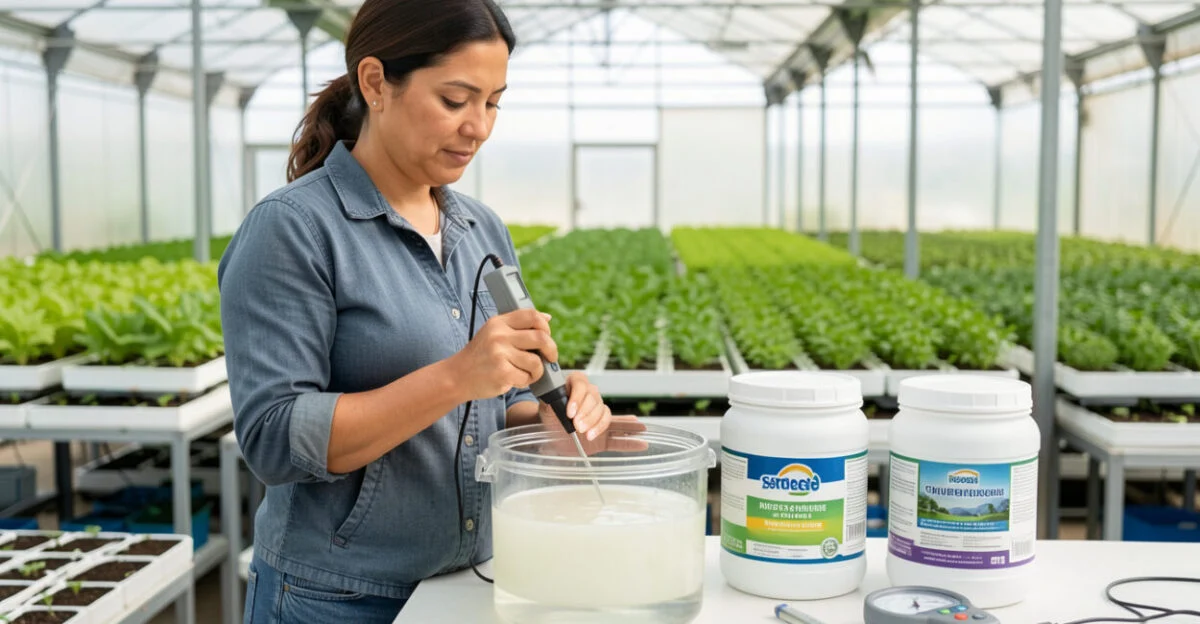
Use fertilizers formulated for hydroponics and follow the manufacturer’s instructions or a professional’s recommendations. The solution needs to provide macro- and micronutrients in the right proportions; dissolving just any fertilizer in water won’t guarantee the right mix.
Don’t improvise homemade recipes or mix products without guidance: some nutrients can react with one another or become unavailable to the plant. For more precise monitoring, pH and electrical conductivity meters can help you track the solution, as long as you know how to interpret the readings and adjust them for the crop and product.
Results also depend on the source water and the plant species. General advice may not work if your water has different characteristics or the crop needs a different management approach.
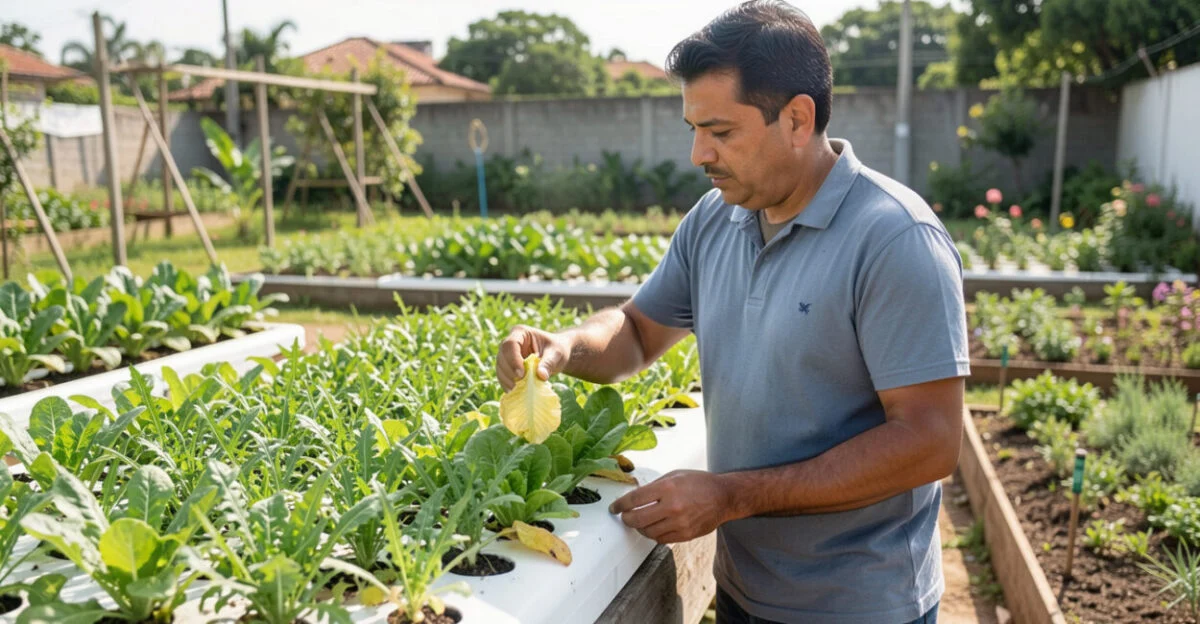
Plants to start with and warning signs to watch for
Lettuce, arugula, and some herbs can be good options for beginners, provided the system and growing conditions are suitable. Larger plants, fruiting crops, and plants with bulky roots may need more space, support, and monitoring. Experience growing on a small scale also doesn’t automatically translate to commercial production.
Look for yellowing leaves, slow growth, darkened roots, or a solution with an unpleasant smell. These are warning signs, not diagnoses: they may be related to nutrients, oxygenation, temperature, water, or disease. Keep a record of changes and adjust one variable at a time; that makes it easier to see what helped or made the crop worse.
A quick routine can prevent problems that are hard to fix
Check the solution level, make sure the pump is working if your system has one, and inspect the roots. Top up or replace the solution according to the product instructions and the recommended practices for your crop. Clean the reservoir, channels, and supports between growing cycles, making sure no cleaning product residue remains.
To learn about other technical roles in agriculture, find out what an agricultural technician does in day-to-day production. Training can help you understand recommendations, but the routine for each system depends on local conditions.
Is hydroponics profitable? Run the numbers before selling
Profitability depends on local demand, selling prices, equipment and energy costs, labor, losses, and your ability to maintain production. A crop that’s profitable for a grower with established buyers may not pay off in a small setup or without a sales channel.
Before scaling up, talk with potential buyers, estimate expenses, and test your approach on a small scale. Hydroponics can be part of sustainable agriculture, but it doesn’t guarantee water savings or financial returns in every situation. First, get the system working; then decide whether selling your produce makes sense.
Frequently asked questions
Do I need a greenhouse for hydroponics?
No. Hydroponics can be done in different environments; a protected structure may help, but it doesn’t define the method.
Can I use soil or regular fertilizer?
Hydroponics doesn’t use soil as a growing medium, though some systems use inert media to support plants. Regular fertilizer isn’t a substitute for a formulated nutrient solution and should only be used with proper technical guidance.
Which plant is the most profitable?
It depends on costs, local demand, losses, and crop management. To get started, choose a crop that suits your system and space, then assess whether it makes sense to sell it.
Before buying a kit, choose a plant and set aside a spot for the system. This simple step can prevent you from building a setup that doesn’t fit your routine.
Artigos Relacionados
 How to Grow Strawberries: Climate, Plants, and Essential Care
 Soil Testing: The Step That Prevents Major Losses
 Regional Medicinal Herbs: How to Grow and Sell Them
 Soil and Pasture Management in Family-Based ILPF Systems
 Sustainable Agriculture: Techniques for Soil and Climate
 Organic Fertilizer: Recipes and Uses for More Fertile Soil
