
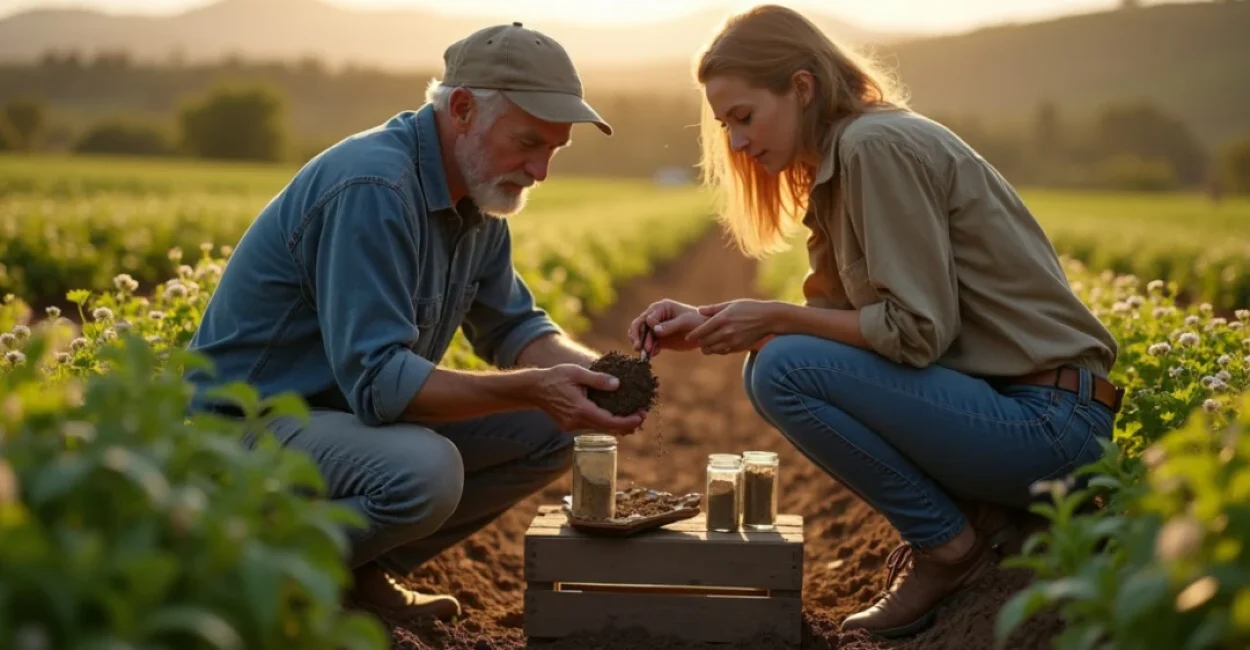
Growing medicinal herbs may seem simple—until a pharmaceutical company rejects your first batch. The soil test showed clear warning signs: low pH, insufficient calcium, and heavy metals near the limit. The result? A rejected harvest, a blown budget, and a reputation at risk. Whether you grow herbs as a family tradition or to sell to pharmacies, understanding your soil test results can change everything. Here, we’ll explain what the report really tells you and show you how to adjust liming and fertilization to avoid costly mistakes.
The Number That Makes the Difference: How to Read pH and What It Means for Your Crop
pH is a gauge of nutrient availability. The ideal pH varies among regional medicinal herbs, but acidic soil (pH < 5.5) tends to reduce calcium and magnesium while increasing aluminum, which can damage roots. If the pH is outside the ideal range, the plant can’t absorb nutrients, even when they’re present in the soil.

- pH < 5.5: risk of aluminum and manganese toxicity;
- pH 5.5–6.8: a safe range for most medicinal plant species;
- pH > 7.5: reduced iron and zinc availability.
Adjusting pH isn’t just a matter of spreading lime. You need to calculate the rate, timing, and application method. Getting it wrong means applying too little or too much—and that can also affect whether your crop passes the metals and extract tests used by pharmaceutical companies.
Read also: Grain Storage: How to Reduce Post-Harvest Losses
What the CEC and Base Saturation Report Reveals—and What You May Not Know
Cation exchange capacity (CEC) shows how much nutrient the soil can hold. Soils with low CEC lose fertilizer to rain, while soils with high CEC retain calcium and magnesium well. A soil test showing low CEC calls for smaller, more frequent applications. For herbs intended for pharmacies, consistency is key: differences in CEC between plots can lead to variations in active ingredient levels—and rejected batches.
The Connection Between Nutrients and Active Ingredients That No One Explains Properly

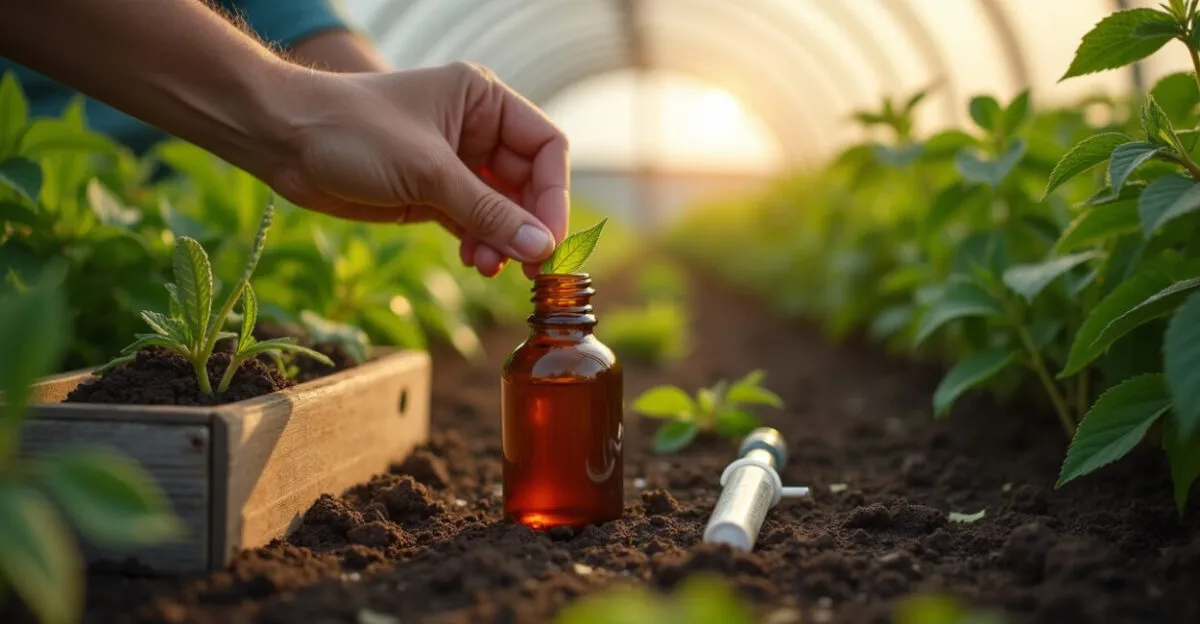
It’s not just about the numbers: the availability of N, P, K, and micronutrients affects the synthesis of active ingredients. Excess nitrogen can increase biomass and reduce essential oil concentrations. In other words, a bigger harvest isn’t necessarily a better one. Optimizing fertilization for quality requires foliar testing as well as soil testing. Use both to meet pharmaceutical lab specifications.
Practical Liming: When, How Much, and How to Apply It
Liming corrects soil acidity and adds calcium and magnesium. But applying the wrong amount can alter pH and the Ca/Mg ratio. Start with the recommendation in your soil test and try it on a small area first. Properly calibrated liming promotes healthy roots and reduces the risk of soluble metals. Timing: apply 3 to 6 months before planting in heavy soils, or 1 to 2 months ahead in light soils. Spread it evenly and, if possible, incorporate it into the planting layer.
Read also: Grain Storage: How to Reduce Losses on the Farm
Common Mistakes That Can Ruin a Medicinal Herb Crop
Simple mistakes can cost you an entire crop. Here are some of the most common:
- Ignoring the soil test recommendations and applying products “by eye”;
- Using lime without adjusting application rates for CEC;
- Fertilizing only for yield, not for active ingredient quality;
- Failing to test for heavy metals in industrial areas or near roads;
- Collecting soil samples inconsistently and mixing layers that shouldn’t be combined.
A Comparison That Points to Action: Before and After Properly Interpreting Your Soil Test
The expectation: plant more, harvest more, and sell at a good price. The reality after reading the soil test: adjust pH, split fertilizer applications, and monitor micronutrients. Before, you may have vigorous plants, but their active ingredient levels are out of specification. After, each plant may yield less, but your batch meets pharmaceutical standards with top marks. That trade-off—quantity for quality—is what pays the bills and opens doors in the formal market.
A Short Story: How One Grower Saved His Crop and Won a Contract with a Company
A grower in southern Brazil noticed yield differences between fields. The soil test showed low calcium and a pH of 5.2. He split the lime applications, applied lime in targeted areas, and reduced nitrogen by 30% to bring the plants into balance. In the next growing cycle, active ingredient tests met specifications, and he signed a contract with a regional company. The result? Better margins and approved batches instead of piles of rejected herbs.
For more information, consult the heavy metal tolerance limits set by Anvisa, Brazil’s health regulatory agency, and soil testing recommendations from Embrapa, Brazil’s agricultural research corporation. According to studies by Embrapa and regulations from Anvisa, quality control starts in the soil.
Ready to take action? Review your soil test, identify problem areas, and create a correction plan before your next planting. The difference between making a sale and having a batch rejected comes down to the steps you take today.
Frequently Asked Questions About Soil Testing and Medicinal Herbs
How Do I Know If My Soil pH Needs to Be Adjusted for Growing Medicinal Herbs?
Compare the pH in your soil test with the ideal range for the species you’re growing. Many herbs do well at a pH between 5.5 and 6.8, but some prefer slightly acidic soil. If the test shows a pH below 5.5, adjustment is almost always needed to prevent aluminum toxicity. The decision also depends on CEC: soils with low CEC require smaller, more frequent lime applications. Follow a technical recommendation and retest after 3–6 months to confirm the adjustment.
How Often Should I Test Soil When Growing for Pharmaceutical Companies?
For crops intended for pharmaceutical use, test the soil at least once a year and before each planting if you’ve changed your management practices or inputs. In new fields or after major soil amendments, repeat the test in 3 to 6 months. Also, conduct foliar testing during the growing season to check nutrient uptake. More frequent testing reduces surprises in the final product’s chemical analysis and helps maintain the consistency pharmaceutical companies require.
Which Nutrients Have the Greatest Impact on Active Ingredient Concentrations in Plants?
Nitrogen, phosphorus, and potassium influence biomass and the synthesis of secondary metabolites. Excess nitrogen tends to dilute compounds such as essential oils. Micronutrients—including iron, zinc, and manganese—also affect the enzymatic pathways involved in producing active ingredients. Balance is key. Soil testing shows what’s available, while foliar testing reveals what the plant is actually absorbing. Fine-tuning fertilization helps ensure quality, not just quantity.
How Can I Prevent Heavy Metal Contamination Near Urban Areas or Roads?
Check your soil test for potential risks: lead, cadmium, and other metals may exceed permitted limits in vulnerable areas. Avoid planting along roads, near industrial sites, or in areas exposed to runoff. If the site has a history of contamination, use physical barriers, raised beds, and clean potting mix in containers or beds filled with imported soil. Regular testing by accredited laboratories and proper documentation are essential to demonstrate safety in the tests required by industrial buyers.
What’s the First Practical Step After Receiving a Soil Test Report?
Start by reviewing the pH and CEC data. These figures show whether liming is needed and how much amendment to apply. Next, check the macro- and micronutrients that affect active ingredient levels. Plan your liming and split fertilizer applications before planting, and schedule foliar tests during the growing season. If you have questions, consult an agronomist experienced in medicinal plants. A written plan with a schedule for amendments and testing helps prevent rushed decisions that could lead pharmacies to reject your crop.
Artigos Relacionados
 Sustainable Cultivation: Practices That Boost Profits
 Biological Pest Control: Beneficial Insects That Save Your Garden
 Soil and Pasture Management in Family-Based ILPF Systems
 5 Sustainable Practices That Transform Small Farms
 Rural Sustainability: 9 Practices That Can Fail
 Sustainable Agriculture: Techniques for Soil and Climate
