
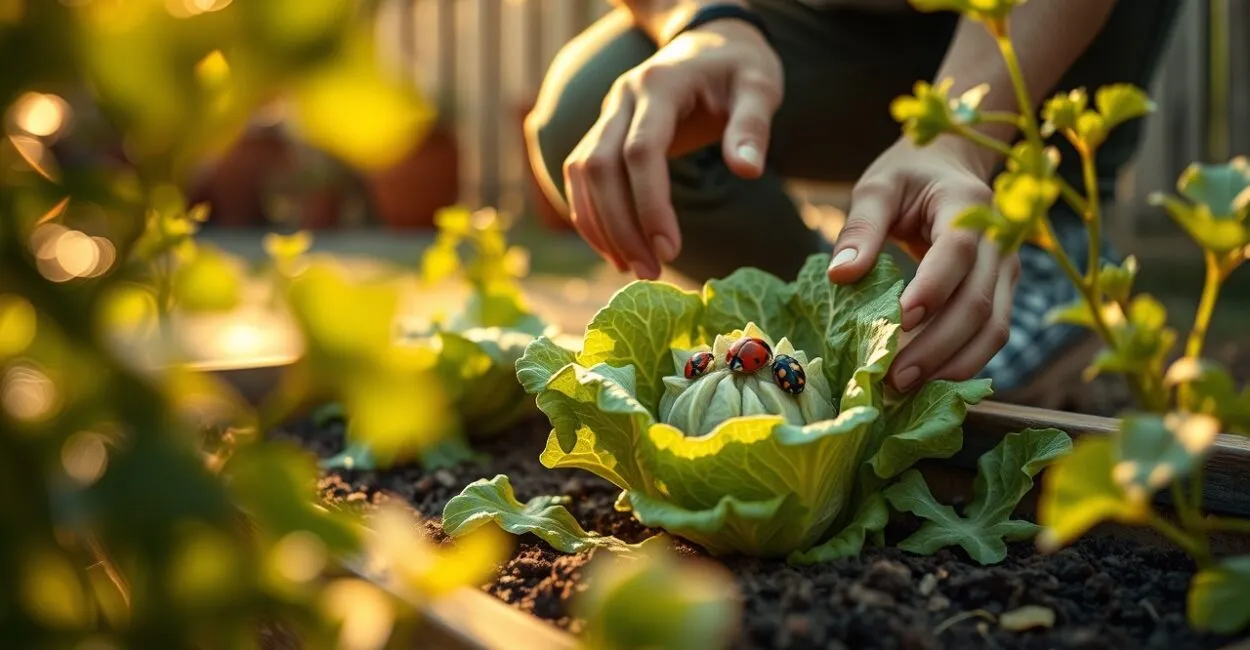
One morning, I found a lettuce plant with half its leaves eaten—and no insecticide in sight. Instead of panicking, I thought about what could fix the problem without harming the soil: biological pest control. Within three days, a small army of natural predators turned things around. If you want to reduce pests and keep your garden healthy without becoming a threat to the ecosystem, this article covers beneficial insects, how to attract them, and which plants will help them stick around.
Why Ladybugs Are More Effective Than You Think
Ladybugs devour aphids like moviegoers munching popcorn—quickly and in large numbers. A single larva can eat hundreds of aphids as it develops. Ladybugs not only reduce pest populations but also help prevent them from coming back when they have a suitable habitat. Plant herbs with small, open flowers (such as cilantro and fennel), and avoid excessive pruning. You’ll provide shelter and food for adults that will continue to populate your garden.

The Difference Few People Explain: Generalist vs. Specialist Predators
People talk about “predators,” but the distinction matters: generalist predators (e.g., green lacewings) eat a range of pests, while specialists (e.g., Trichogramma wasps) target a particular species. Choosing between a generalist and a specialist means deciding between broad coverage now or targeted control later. Use generalists when you’re dealing with a mix of pests; bring in specialists to target recurring problems, such as leaf-eating caterpillars. Combining the two at different times is often the most robust strategy.
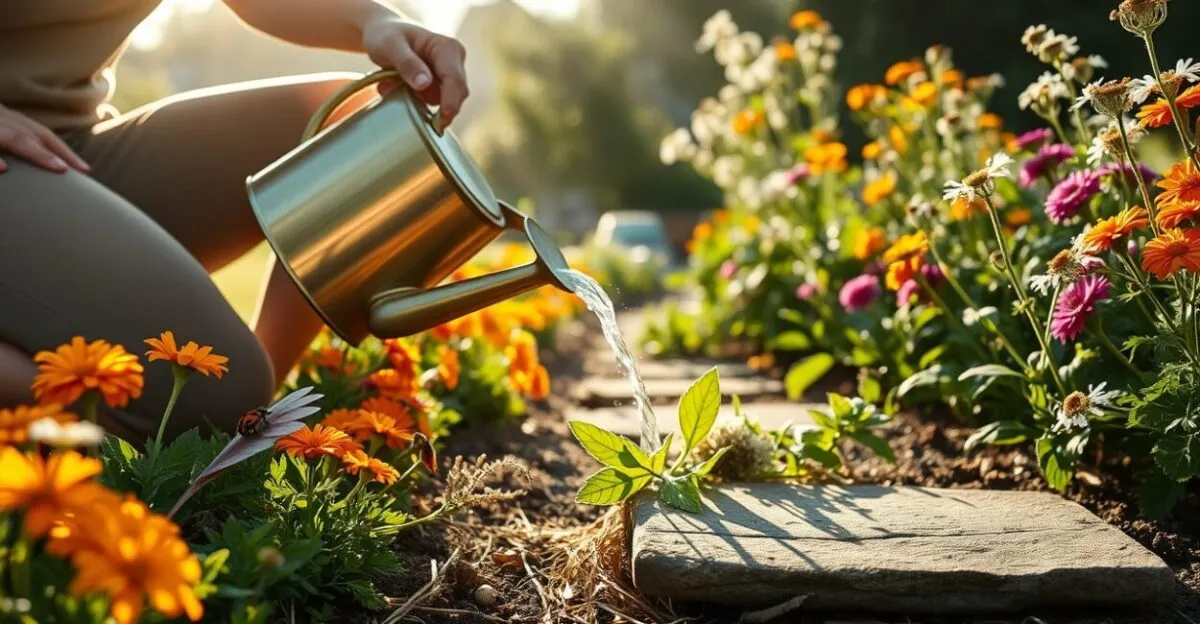
Beneficial Insects and How to Attract Them: A Practical Guide

There’s no point bringing in predators if you don’t give them what they need: food, water, and shelter. Here are the essentials:
- Ladybugs: cilantro, fennel, and calendula;
- Green lacewings: nectar-producing “insectary plants” and light ground cover;
- Parasitic wasps (Trichogramma): plants that attract moths and flowers for adult wasps;
- Ground beetles: straw mulch and rocks for shelter.
Water in the morning to provide sources of water (not puddles), plant areas that bloom throughout the season, and avoid herbicides that kill alternative food sources.
Companion Plant Combinations That Work in Practice
A functional garden relies on combinations, not magic formulas. For example:
- Tomatoes + basil + calendula: attract pollinators and repel nematodes;
- Lettuce + cilantro + fennel: provide habitat for ladybugs and green lacewings;
- Peppers + corn + nasturtiums: nasturtiums draw aphids away from neighboring plants.
Before/after comparison: Before, a monoculture with recurring aphid problems; after, a mix of companion plants and a 60–80% drop in pests within weeks. Try small plots to test the combination in your local microclimate.
Read also: Integrated Pest Management: 7 Practical Techniques for Organic Gardens

Common Mistakes That Undermine Biological Pest Control
Mistakes are common—and costly. Many practices kill beneficial insects without you realizing it.
- Using broad-spectrum insecticides: they kill natural enemies;
- Over-tidying the garden and leaving bare soil: predators lose shelter;
- Failing to monitor: planting and walking away prevents timely, targeted action;
- Introducing species unnecessarily: this can disrupt the local ecosystem.
Avoid these pitfalls and consider simple measures: targeted sticky traps, irrigation management, and mulch to stabilize microhabitats.
A Short Story: How a Neighborhood Saved an Entire Garden
A community garden was struggling with caterpillars devouring its cabbage. Instead of spraying pesticides, the gardeners planted strips of calendula, fennel, and nasturtiums between the beds. Within weeks, natural predators had increased, and the caterpillars had nearly disappeared. The solution wasn’t an expensive treatment; it was redesigning the garden to support beneficial insects. Instead of fighting nature, they found a way to get it working for them—and gained more flowers and pollinators, too.
When to Get Human Help: Assisted Biological Pest Control
Sometimes direct intervention is necessary, such as purchasing Trichogramma wasps to control caterpillars or beneficial insects for use in greenhouses. Biological pest control with purchased agents is a tool, not a substitute for ecosystem management. Before buying, consider the pest, the crop’s growth stage, the cost and benefits, and whether the supplier is certified. Check release schedules and combine them with companion plants to help beneficial insects stay in your garden.
For guidance on decisions and practices, research and agricultural extension agencies agricultural provide protocols and effectiveness data. Researchers at Embrapa, Brazil’s agricultural research corporation, report that integrated pest management techniques that include natural enemies reduce costs and environmental impacts. Look for technical resources and practical guidelines for specific crops. It’s also helpful to consult scientific reviews of natural-enemy releases to understand the risks and results.
Reliable sources I recommend: Embrapa — research and recommendations and an academic review of natural enemies in gardens available through university portals such as SciELO.
If you want a garden that can defend itself, stop fighting every pest and start building a team of invisible allies. It’s not about eliminating every insect; it’s about balance—and the result is healthier plants, living soil, and less repetitive work.
Wrapping Up
Planting with beneficial insects in mind is a statement: you’re embracing a garden that can sustain itself. That choice changes not only what you harvest but also how you see every insect among the leaves.
How Can I Tell Which Insect Is Attacking My Plant?
Look for signs: aphids cluster in soft colonies on shoot tips; caterpillars leave irregular holes along leaf edges; thrips cause silvery patches and spots; and mites spin fine webs. Use a magnifying glass and check in the morning, when many insects are active. Record the signs (spots, droppings, eggs) and compare them with visual guides from Embrapa or local universities. If you’re unsure, take a photo and ask an agricultural extension service for a diagnosis—a quick check can prevent the wrong intervention.
Can I Use Purchased Insects Without Harming the Ecosystem?
Yes, as long as they’re native or approved species and are used according to technical recommendations. Releasing commercially purchased natural enemies requires care: choose reputable suppliers, follow recommended release rates and timing, and pair them with companion plants to help them stay in the area. Avoid uncontrolled exotic species, as they may compete with local wildlife. Check the regulations and technical guides from agricultural extension services before introducing any organism.
How Long Does Biological Pest Control Take to Work?
It depends on the pest, the control agent, and the environment. In some cases, such as ladybugs controlling aphids, you’ll see a significant reduction within days or weeks. When it comes to restoring balance with parasitoids or creating favorable habitat, expect the process to take weeks or months. The key is to monitor regularly and avoid applying insecticides that would kill beneficial insects just as they’re beginning to establish themselves. Patience combined with targeted intervention is usually more effective than repeated attempts to eliminate pests quickly.
Which Plants Should I Avoid if I Want to Attract More Natural Predators?
Avoid large monocultures and plants that don’t offer accessible nectar or pollen—many dense grasses and uniform crops don’t support natural enemies. Also avoid plants treated with neonicotinoids or systemic fungicides, which can harm pollinators and predators. Choose a diverse mix, flowering strips, and insectary plants (nasturtiums, calendula, and fennel) that provide a steady supply of resources. Even small changes to your garden layout can transform the predator community.
Can Biological Pest Control Be Combined with Organic Farming?
Absolutely. Biological pest control is a cornerstone of organic farming: it reduces reliance on chemical inputs and protects soil and biodiversity. Techniques such as intercropping, cover management, the controlled release of natural enemies, and the use of plant extracts can all complement the system. The key is planning—a planting calendar, regular monitoring, and choosing companion plants. When done well, an organic system that uses biological pest control can improve yields and resilience without compromising the soil’s future.
Artigos Relacionados
 Small Vertical Garden, Made Easy: A Step-by-Step Guide That Works
 Start an Apartment Garden From Scratch: A 1-Hour Method That Works
 Integrated Pest Management: 7 Practical Techniques for Organic Gardens
 Integrated Pest Management: Sustainable Practices for Pest Control
 5 Sustainable Practices That Transform Small Farms
 Rural Sustainability: 9 Practices That Can Fail
