
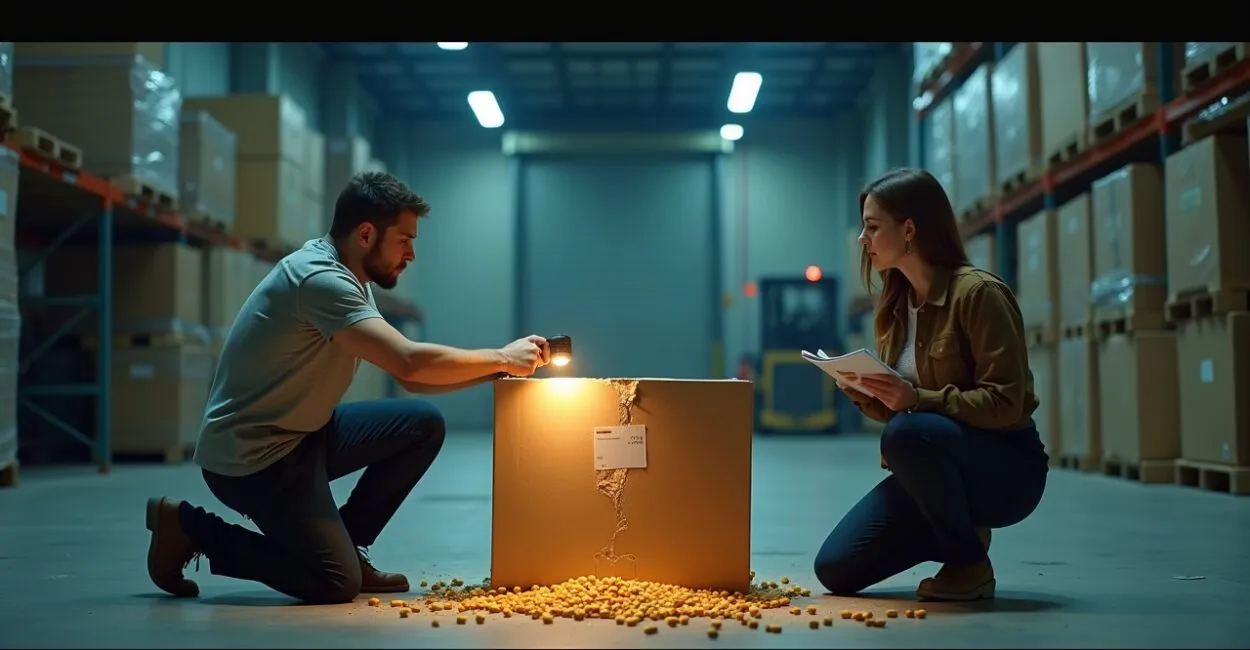
In the middle of the night, a shipment of capsules is held at customs. The label lacks the required registration, and the manufacturer loses weeks of production. This happens because herbal medicine regulations in Brazil are clear—but not always easy to navigate for those just starting out. If you supply herbs to manufacturers or want to get your products into pharmacies, understanding the rules can help you avoid fines, rejected shipments, and logistics headaches.
The Registration Every Supplier Needs to Know About
There is more than one type of registration. The process for plant-based raw materials sold to manufacturers is usually different from the one for finished products intended for pharmacies. The key is knowing whether your material is a raw material, a pharmaceutical ingredient, or a finished product. Each category requires different documentation: a certificate of analysis, botanical origin information, and good harvesting and transportation practices. Without these, a manufacturer may reject the shipment before payment is even made.

Why Botanical Classification Changes Everything
Misclassifying a species can be costly. Depending on its intended use and the part of the plant involved, it may be classified as an aromatic, medicinal, or food plant. That changes labeling requirements, contaminant limits, and even what is prohibited. Confusing “bark” with “leaf” can change its legal classification. To avoid surprises, have a specialist identify the plant and keep the report with the shipment.
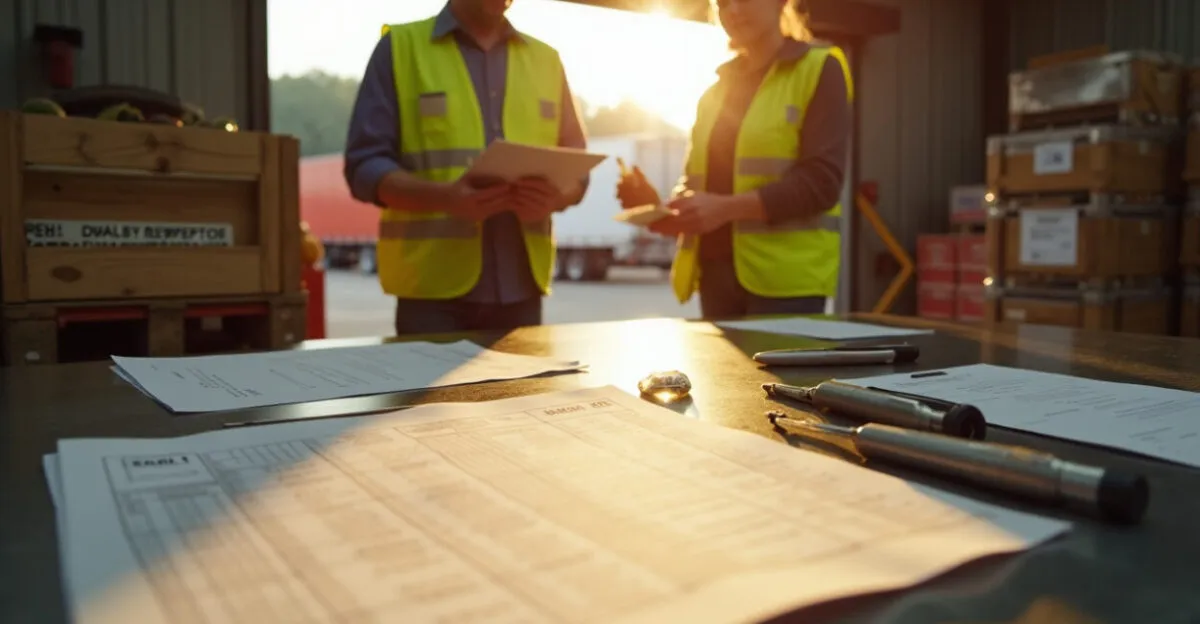
Essential Documents: A Practical Checklist

Want to avoid having a shipment returned? Have these documents ready:
- Botanical identification report and CID (when applicable)
- Certificate of Analysis with microbiological and residue parameters
- Supplier fact sheet and GOOD HARVESTING PRACTICES
- Traceability records showing the lot, date, and place of origin
Without this paperwork, a manufacturer may reject the shipment because of regulatory risk.
Read also: The Machinist and His Role in Industry
Common Mistakes That Lead to Fines and Rejections
Some mistakes happen again and again—and they can be costly. Avoid:
- Sending samples without a certificate of analysis
- Failing to document the chain of custody (traceability)
- Using common names instead of scientific names
- Ignoring contaminant and pesticide limits
These oversights can lead to seizure, fines, and a loss of buyer confidence. Prevention is always less expensive than damage control.
Leia também: Bromeliads and Their Special Care
Expectations vs. Reality When Selling to Pharmacies
Expectation: deliver a “natural” herb, and the pharmacy buys it on the spot. Reality: the supply chain requires documentation, lab reports, and labeling that meet ANVISA requirements. The difference is administrative, not just technical. Suppliers focus on the product, while pharmacies focus on liability, quality control, and consumer safety. Providing well-organized documentation speeds up getting your product onto store shelves and reduces costs.
Short Story: How Documentation Saved a Shipment
A small cooperative had a shipment flagged for 20% microbial contamination. They had kept samples and previous test results. This allowed them to show that the problem was limited to the drying process and make the necessary corrections. The buyer accepted the shipment after it was reprocessed. Without the test results, it would have been destroyed. A single sample and lab report can save a sale and a business relationship.
Where to Find Official Regulations and Stay Up to Date
Regulations change, so it’s essential to check official sources regularly. Start with government websites and research centers. ANVISA, Brazil’s National Health Surveillance Agency, publishes regulations and guidance on herbal medicines. Universities and research centers provide information on safety and quality standards; see studies and recommendations in the academic literature. Subscribing to industry newsletters and joining trade associations can help you stay ahead of changes.
Final Thoughts
If your goal is to sell to manufacturers or pharmacies, treat documentation as part of the product. It’s not a luxury—it’s essential for legal and commercial security. Invest in lab reports, traceability, and, of course, specialists who can identify the plant. This reduces risk, speeds up business, and protects your reputation.
What Does ANVISA Say About Selling Herbal Medicines?
ANVISA sets requirements for the registration, labeling, and quality control of herbal medicines and botanical ingredients intended for medicinal use. The rules cover stability requirements, contaminant limits, botanical identification, and documentation of good manufacturing practices. Suppliers of raw materials should closely monitor the specific regulations and resolutions that detail required testing. This helps prevent shipments from being held or destroyed and protects your business from administrative penalties and fines.
Do I Need to Register Every Shipment I Send to a Manufacturer?
Not necessarily. Registration applies to finished products and certain ingredients, depending on their classification. However, every shipment must be traceable and have a certificate of analysis. The manufacturer may require documentation equivalent to registration before accepting a shipment. So even without formal registration, maintaining lab reports, proof of origin, and test results is essential for commercial acceptance and to prevent rejection on delivery.
How Can I Verify the Source and Good Harvesting Practices?
Simple records can make a difference: purchase invoices, geotagged photos of the harvesting area, reports on cultivation practices, and crew records. Cooperatives often use contracts and field records to demonstrate traceability. Third-party reports on cultivation practices and identification can also help. These documents show that the supply chain was controlled and contamination risks were reduced, giving manufacturers and pharmacies confidence when they receive the shipment.
Which Lab Tests Are Most Critical?
Essential tests include microbiological analysis, chemical identification (metabolite profile), pesticide residue testing, and heavy metal testing. Some species also require adulteration and authenticity tests. Test parameters should meet the buyer’s requirements and ANVISA regulations. Working with a reliable lab and obtaining regular reports helps prevent surprises. In many cases, a comprehensive initial assessment saves time and money over the long term.
What Should I Do if a Pharmacy Rejects a Shipment?
First, ask for the report or technical reason for the rejection. Then, arrange independent testing and compare the results with those provided. If the problem is limited to a specific issue, correct the process (drying, storage, or packaging) and document the corrective action. If the results are disputed, involving an expert or accredited lab can help with negotiations. Being transparent and ready to provide documentation often resolves the issue faster than legal disputes.
Artigos Relacionados
 Pathologist: A Complete Guide to the Profession and Its Importance in Medicine
 Careers in Industry: Trends, Skills, and Future Opportunities
 Biotechnology: The Revolution Transforming the Food Industry
 Industry-School Partnerships: Benefits for Students and Businesses
 Federal Council of Medicine: A Complete, Updated Guide
 Lawyer: A Complete Guide to Requirements, Practice Areas, and Career Tips
