

The price of a bunch of herbs has gone up at the farmers market. The grower says part of the increase comes from organic certification, and the buyer hesitates between paying more or choosing another vendor. This dilemma is more common than you might think in regions where endemic medicinal plants grow. I’ll show you when it’s worth investing in certification and when it’s better to focus on higher-paying niche markets.
How Much Does Certification Really Increase Herb Prices?
The short answer: it depends. In local markets, the price premium can be 10%–30%. In export markets or specialty stores, it can reach 50% or more. Prices don’t rise on their own—they rise where consumers understand and value the certification. For rare medicinal herbs, the difference is greater because supply is limited and buyers want assurance of purity. At local farmers markets, the seal has less impact.

The Hidden Costs Producers Often Overlook
Costs go beyond the annual audit. They include conversations with the certifier, adapting growing areas, contamination control, changing packaging, and recordkeeping for traceability. Many producers count only the fee and forget to factor in work hours and early losses. These hidden costs can eat up profits for the first 2 to 3 years. Plan your cash flow accordingly, or transition in stages: start with one plot and track the results before certifying everything.
Read also: Organic Farmers Markets: Who Profits While Producers Lose
Technical Requirements That Affect Herb Cultivation

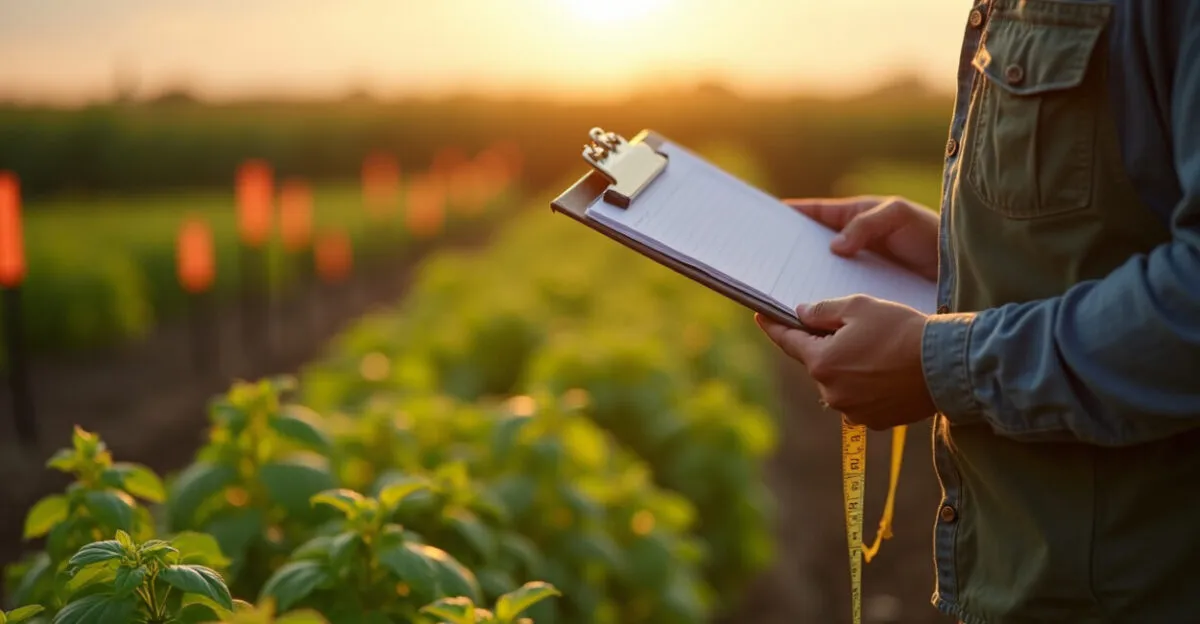
Requirements vary, but some affect day-to-day operations: no synthetic pesticides, organic fertilizer management, minimum distances from conventional growing areas, and records of farming practices. For wild-harvested plants, growers must follow sustainable management practices and prove that harvesting causes no harm. It’s not just about “not using chemicals”—it’s about maintaining records and following consistent procedures. This affects harvest schedules, labor costs, and even the varieties you choose.
Who Pays More: Markets and Sales Channels That Are Worth It
Not everyone pays extra for certification. The buyers most willing to pay more include urban natural-food stores, premium herbal medicine manufacturers, exporters to the European Union, and natural cosmetics niche markets. For these buyers, certification is often a “ticket to entry.” Selling directly to informed consumers through subscriptions or product kits can also increase your margins. Knowing your buyer is key.
Read also: How to Plan the Purchase of Used Farm Equipment
A Comparison to Make the Decision Clear: Certified vs. Noncertified
Before: production without certification, lower costs, access to local markets. After: certification, higher costs, access to markets that pay up to 50% more. Expectation vs. reality: growers expect a quick return; in reality, it usually takes 2–4 harvests to recoup the investment. The table below summarizes the main differences.
| Item | Without certification | With certification |
|---|---|---|
| Average price | Base price | +10% to +50% |
| Upfront costs | Low | Moderate to high |
| Market access | Local | Local, national, export |
| Documentation | Simple | Extensive |
Common Mistakes: What to Avoid When Certifying Medicinal Herbs
- Expecting immediate profits: the first few years may require investment.
- Failing to map out sales channels: certification is worthless without buyers.
- Ignoring contamination risks from neighboring areas.
- Underestimating the need for packaging and branding that align with the certification.
Avoiding these mistakes is just as important as meeting the standards. Many producers give up because of poor planning, not because certification is technically impossible.
A Practical Way to Decide: Take Small Steps Before Saying Yes
Start small. Harvest a certified crop from one plot or lot and sell it through a channel that values organic products. Track your costs, time, and customer feedback. If it works, scale up. Look for technical support and cooperatives to spread out costs. Making decisions based on data is better than making them based on hope.
According to data from Brazil’s Ministry of Agriculture, Livestock and Food Supply, transition programs and technical assistance reduce the risk of problems during certification. MAPA (Brazil’s Ministry of Agriculture, Livestock and Food Supply) provides guidance and regulations. For research on medicinal plant management and markets, consult Embrapa, Brazil’s agricultural research corporation, which offers practical recommendations and regional examples.
A quick story: a grower in northern Brazil started by certifying five sacks of fennel. She sold the lot to a cosmetics store that required proof of purity. The profit from that first sale covered the audit and paid for the extra labor. She just had to be patient and choose the right buyer.
A practical decision for you: If your herbs are rare, have a market in urban niches, or could be exported, certification is usually worth it. If your production volume is small and local markets set the price, compete on quality without certification and reassess in 1–2 years.
I’ll leave you with a challenge: before you start the paperwork, list three buyers who would actually pay more for that assurance. If you can’t name at least one, it may be time to strengthen your marketing strategy before pursuing certification.
What Are the Actual Upfront Costs of Certifying Medicinal Herbs?
Costs vary by region and certifier. In general, expect to pay for the initial audit, changes to your practices, organic inputs, appropriate packaging, and the time needed to keep records. As a rough estimate, many small-scale growers start with an investment ranging from a few thousand to tens of thousands of Brazilian reais, depending on the size of the growing area. There are also ongoing costs, including annual audits and records management. Planning cash flow for 2–3 years can help prevent surprises and keep you from abandoning the process.
How Long Does It Take to See a Financial Return After Certification?
The return usually isn’t immediate. In most cases, it takes 2 to 4 harvests to recover the upfront costs, depending on the plant’s growing cycle and the sales channel. High-margin products and export sales can shorten the payback period to 1–2 years. Local markets where consumers aren’t as familiar with organic products may take longer. The key is to sell certified lots through channels that pay a premium and reduce costs through a cooperative or direct sales.
Can Wild Plants Be Organically Certified?
Yes, but there are additional requirements. For wild plants, growers must provide proof of sustainable management, identify protected harvesting areas, and maintain records showing a low environmental impact. They must also show that harvesting does not threaten the species and that the plants can be traced back to where they were collected. This adds administrative complexity but opens doors to markets that value conservation and origin. Many buyers pay a premium for these attributes.
What’s the Difference Between Organic Certification and Other Labels (Sustainable, Fair Trade)?
Organic certification focuses on farming practices: inputs, management, and traceability. Labels such as sustainable or fair trade cover social issues, conservation, and working conditions. They can overlap and add value when combined, but they cost more and require different audits. In premium markets, combining labels can multiply the price. However, entering this market requires planning and paying for separate audits or integrated certifications offered by some organizations.
Is Joining a Cooperative Worth It to Reduce Certification Costs?
Generally, yes. Cooperatives spread out audit costs and provide access to larger markets. They can also help with standardization, packaging, and logistics. For small medicinal herb growers, joining forces reduces individual risk and improves negotiating power. But good governance is essential: without clear management, a cooperative can become more of a burden than a benefit. Review its track record, transparency, and business agreements before joining.
Artigos Relacionados
 Regional Medicinal Herbs: How to Grow and Sell Them
 Integrated Pest Management: 7 Practical Techniques for Organic Gardens
 Organic Fertilizer: Recipes and Uses for More Fertile Soil
 Credit Cards and Personal Loans: When to Use Each
 Organic Farming: Profitable Niches for 2025
 Types of Green Certifications and Sustainability Labels
