
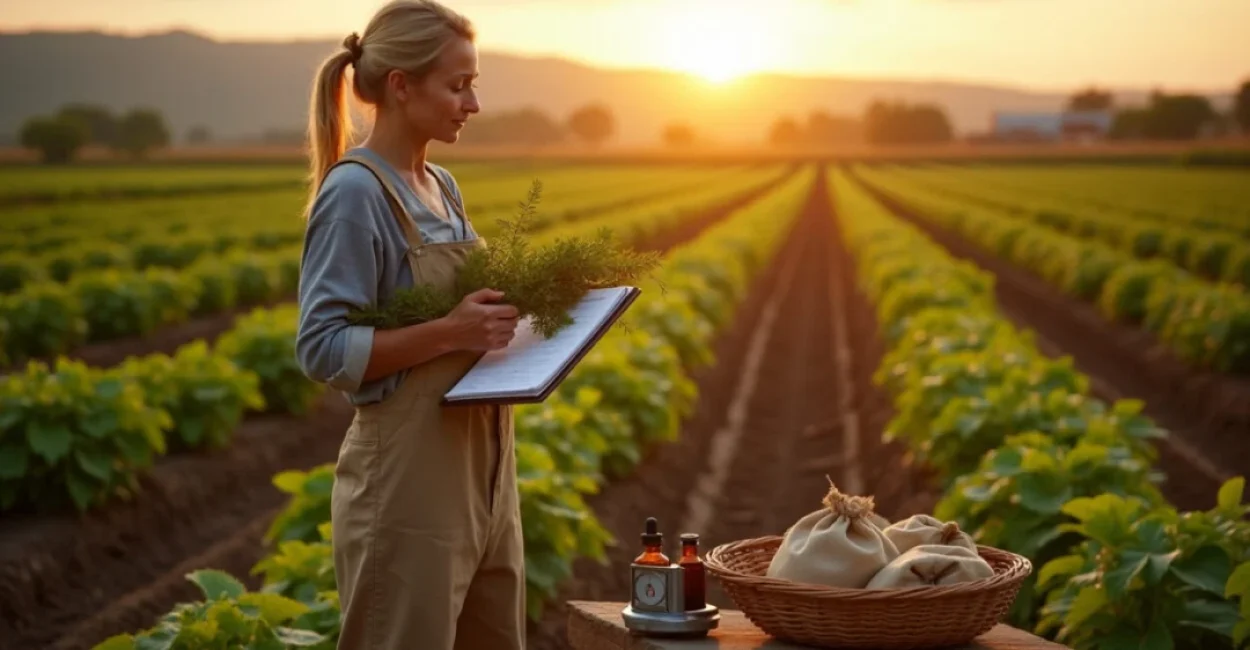
In the middle of what looked like an ordinary field, a washerwoman became the turning point for the business: she discovered that pharmaceutical companies and local pharmacy chains were looking for the herb growing there. Within weeks, she changed how she grew and sold it. If you grow or are thinking about growing regional medicinal herbs, this guide shows you the way—from choosing a species to landing a large-scale contract—without the fluff.
Why Choosing Regional Species Is the Advantage No One Told You About
Growing native plants lowers costs and improves resistance to pests. Adapted species need less irrigation and fewer pesticides. That means higher margins and lower production risk. Buyers also value local sourcing: labeling and traceability can set your product apart. Start with small trials: plant 100 m² of three varieties and compare productivity, aroma, and oil content. Record flowering dates and yields. These data carry weight when you negotiate with pharmacies or manufacturers.

A Practical Guide to Which Regional Species Actually Sell Today
Not every “medicinal” plant can be turned into a product. Focus on species with proven demand: rosemary, peppermint, lemon balm, boldo, arnica (where permitted), and certain native species with a history of local use. Look for plants that already have a pharmaceutical or herbal medicine market and can be legally harvested and sold. Check research portals and lists from Brazil’s Ministry of Health to avoid protected plants. Test flavor, active compound levels, and postharvest stability before scaling up.
From Planting to Postharvest: Simple Techniques That Raise the Price per Pound

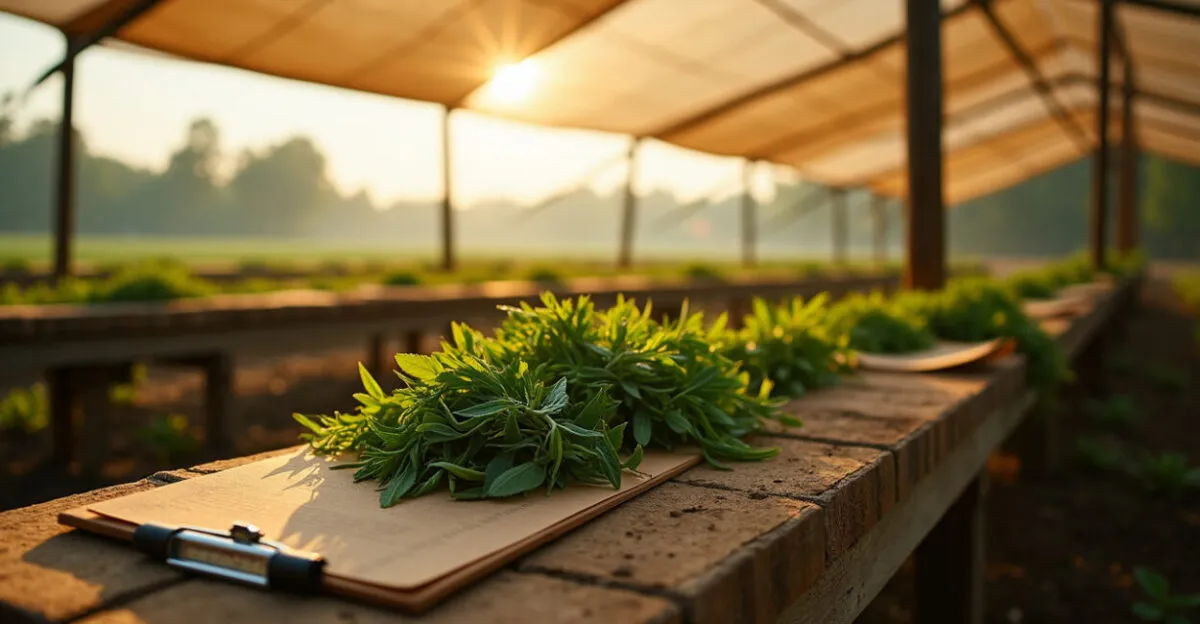
Soil, spacing, harvest timing, and drying all affect the final product. One underused practice is harvesting early in the morning, when essential oils tend to be more concentrated. Quick drying out of direct sunlight preserves aroma and value. Invest in raised drying racks and good airflow. Use simple charts to track drying times and temperatures for each batch. A common mistake is drying herbs in piles, which leads to mold and lower quality. Small improvements can double your selling price.
Market Numbers: Where to Sell and How Much to Charge
There are three main sales channels: compounding pharmacies, herbal medicine manufacturers, and local or farmers’ markets. Each offers different prices and purchase volumes. Pharmacies pay more for small certified batches; manufacturers pay less per pound but buy in larger volumes. Build a spreadsheet with costs per hectare, harvesting costs, and your target margin. According to the Brazilian Institute of Geography and Statistics (IBGE) and academic studies, organic and certified niches are growing faster—so certification may be worth the investment.
Read also: How to Grow Strawberries: Climate, Seedlings, and Essential Care
Logistics and Contracts: How to Turn a Harvest into Predictable Revenue
Contracts protect you against price fluctuations. Negotiate monthly deliveries and quality standards. Ask for an advance to cover supplies and secure a minimum price for large orders. Learn to prepare standardized samples and basic lab reports on active compound levels when required. Common mistakes include selling without a contract and accepting late payments. Use promissory notes or stagger deliveries to reduce risk. Clear delivery timelines and routes help build buyer confidence.
How to Build Partnerships with Pharmacies and Manufacturers, Step by Step
Submit a sample, product data sheet, and production plan. Start with small samples and test their stability. Offer a 30–90 kg pilot batch at a promotional price to demonstrate consistency. If it works, scale up to an annual contract. Keep communication clear and deliver on time. Prepare a standard contract with terms covering quality, reprocessing, and penalties. Emphasize traceability: batch records, dates, and certifications build trust and can raise your price.
Mistakes That Can Sink Your Business—and the Before-and-After That Can Transform Your Farm
Many growers make the same mistakes: selling without samples, drying herbs improperly, failing to keep records, and not putting contracts in writing. Before: inconsistent sales, low prices, and risk of rejection. After: consistent quality, contracts, and higher margins. One grower lost 30% of a crop because it was dried improperly. After installing drying racks and monitoring the temperature, they doubled the price per pound. Here’s a quick list of what to avoid:
- Don’t harvest without testing active compound levels.
- Don’t dry herbs in piles.
- Don’t sell without a standardized sample.
- Don’t accept payment only after delivery without a contract.
- Don’t ignore local laws on protected species.
For data and regulations, consult Brazil’s Ministry of Health portal and university studies on medicinal plants. According to the Ministry of Health and publications from EMBRAPA, Brazil’s Agricultural Research Corporation, traceability and good agricultural practices are becoming increasingly important market requirements.
If you’re serious about turning your crop into a business, start with a well-documented pilot. Small changes to harvesting and drying can pay off quickly. The market rewards growers who deliver consistent quality.
One final question: what will your land be worth when your herbs carry a “traceable origin” label? Think about it before the next growing season.
How Do I Start Testing a Regional Species for Large-Scale Sales?
Start small: plant 100 m² of one species and document yield and quality over three growing cycles. Collect samples at different times, dry them under controlled conditions, and compare active compound levels using simple methods (such as aroma and oil weight in a basic home test) or send them to a lab for analysis. Track your actual growing, labor, and drying costs. Use these figures to calculate your minimum price and margin. Then approach a buyer with a 30–90 kg pilot batch and adjust your process based on feedback.
What Certifications or Permits Do I Need to Sell to Pharmacies and Manufacturers?
Requirements vary by buyer and product. For herbal medicines and pharmaceutical ingredients, many manufacturers require good agricultural practices (GAP) and sanitary documentation. Compounding pharmacies often accept suppliers that provide traceability and quality reports. Check with local health authorities and Brazil’s Ministry of Health for rules specific to your area. Budget time and money for certifications: they can increase your selling price but require organized records and production and postharvest controls.
How Long Does It Take to Get a Contract with a Manufacturer or Pharmacy Chain?
It depends on product consistency and the buyer. A typical timeline is 1–3 months for samples and testing, 3–6 months for a pilot and adjustments, and 6–12 months for an annual contract. Large manufacturers require stability testing and audits of agricultural practices. Smaller pharmacies may move faster if they like the sample. Plan for up to a year to turn a pilot into a stable contract. In the meantime, maintain local sales to support cash flow and refine your processes based on feedback.
How Do I Calculate a Fair Price per Pound Based on Quality and Market Conditions?
Add up direct costs: supplies, labor, harvesting, drying, packaging, and transportation. Then add indirect costs such as infrastructure, certification, and management time. Divide the total cost by your projected output to find your cost per pound. Add your target margin (20–50%, depending on the niche). Compare your price with market prices for products of similar quality. Charge a premium for superior quality, such as higher oil content or properly dried herbs. Negotiations with manufacturers and pharmacies may include volume discounts and advance payments.
Artigos Relacionados
 Home Gardening: How to Grow Your Own Food in a Healthy, Affordable, and Sustainable Way
 Fern Care: How to Grow and Place Ferns in Your Home
 Micro Habits: 10 One-Minute Changes to Help You Grow
 Building a Legal Career: Steps to Grow in Practice
 Startups: How to Validate Ideas, Grow Fast, and Profit
 Savings: How to Build and Grow Your Emergency Fund
