
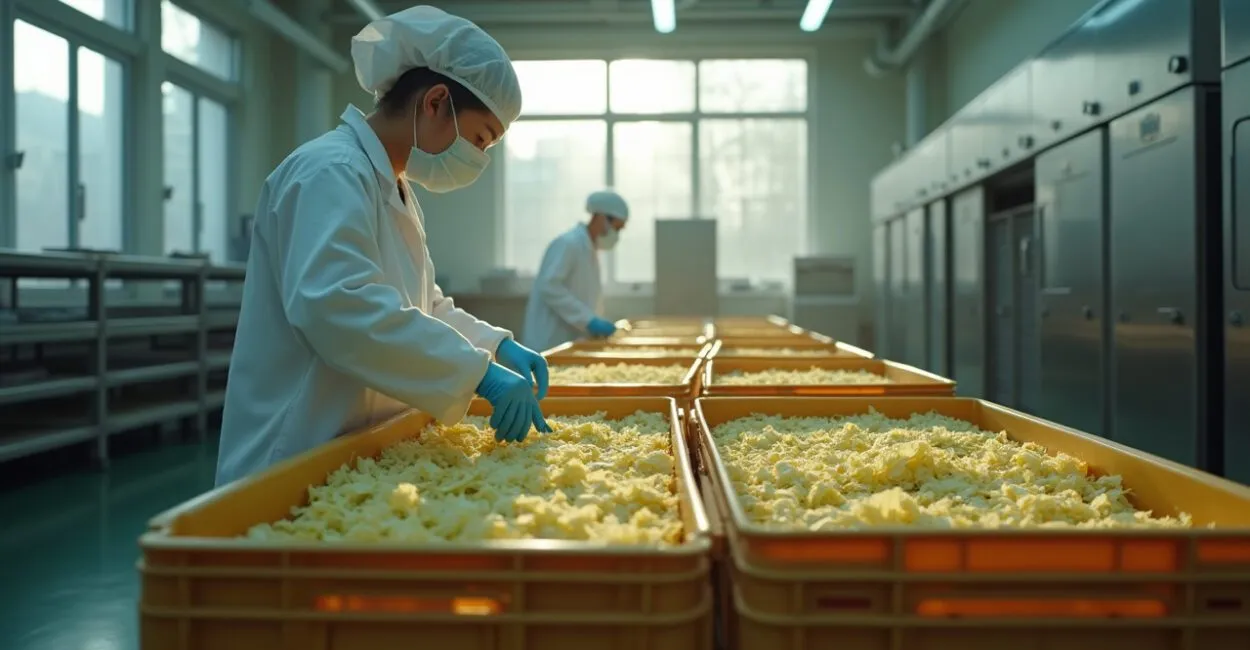
Picture this: boxes of herbs with pale color, a weak scent, and a market price cut in half. The problem almost always comes after harvest. Post-harvest processing determines whether your crop becomes high-value raw material for pharmaceutical companies or a low-cost byproduct. Here, you’ll find practical techniques for drying, sanitation, storage, and humidity control—all designed for herbs sold to manufacturers and laboratories.
Why Drying Determines Up to 40% of the Final Value
Proper drying is about more than removing water. It preserves essential oils, color, and potency. Simple mistakes can destroy volatile compounds and reduce yield during extraction. Dry too quickly and you lose aroma; dry too slowly and mold can develop.

- Open-air drying: inexpensive, but carries a high risk of contamination.
- Temperature-controlled dryers: moderate cost and greater safety for pharmaceutical use.
- Vacuum dryers: more expensive, but better at retaining active compounds.
For a direct comparison, a batch dried in a controlled tunnel can yield 20–40% more extract than the same batch dried in the sun.
The Mechanism No One Explains Clearly: Humidity Control in Stages
Humidity isn’t a single number. There are three critical stages: pre-drying, stabilization, and storage. Each stage requires a specific relative humidity (RH) target and duration. Moving straight to storage is a recipe for color loss and contamination.
- Pre-drying: quickly reduce surface moisture.
- Stabilization: equalize moisture throughout the material without overheating it.
- Storage: maintain stable RH to prevent recrystallization and fungal growth.

Hygiene That Pays: Practices Pharmaceutical Buyers Require

Cleaning rules aren’t just red tape. They help ensure your batch passes quality control. Surfaces, equipment, and packaging should follow documented cleaning procedures. Cross-contamination can undo years of work and erode customer trust.
Read also: Grain Storage: How to Reduce Post-Harvest Losses
- Daily sanitation procedures and records.
- Uniforms, PPE, and changing areas to reduce microbial transfer.
- Periodic validation using swabs and microbiological tests.
Under good manufacturing practice standards, many buyers require certifications and reports. Skipping these requirements means a lower price per pound.
Storage Techniques That Preserve Color and Potency for Months
Proper storage is just as important as proper drying. Temperature, light, packaging, and handling all affect the loss of active compounds. Opaque packaging, a cool environment, and minimal movement can substantially extend shelf life.
Read also: Corn Farming: How to Plan Planting and Harvesting
- Packaging that blocks moisture and oxygen.
- Temperature control between 15–22°C, depending on the herb.
- Traceable FIFO inventory and separate areas for released and quarantined batches.
Measurements That Save Batches: Sensors, Data, and Sampling
Guessing that everything is fine isn’t enough. Measuring gives you certainty. Humidity sensors, data loggers, and regular sampling help prevent surprises. A simple RH chart covering 72 hours can show whether the process failed.
- Use data loggers at least 3 points in the batch.
- Use statistical sampling to test potency and contamination.
- Integrate readings into your management system to track deviations.
For standards and limits, consult technical guides from universities and regulatory agencies. Useful references, for example, are available on the FDA website, along with academic publications from universities such as Purdue University.
Common Mistakes That Ruin Batches—and How to Avoid Them
Recurring mistakes cost money. Here are the most common ones and how to fix them.
- Drying at too high a temperature: diminishes aromatic compounds—use a controlled temperature ramp.
- Storing at RH > 65%: increases the risk of mold—install dehumidifiers and monitor conditions.
- No sanitation records: can lead to buyer rejection—standardize your documentation.
- Insufficient sampling: may miss contamination—sample more frequently.
How to Turn Process Improvements Into a Higher Price
Small changes can improve your margins. Start by controlling RH and validating the drying process. Provide RH records, microbiological test results, and certificates of potency. Industrial buyers pay more for traceable raw materials backed by data.
- Minimum package: batch specification sheet, drying curve, and laboratory analysis.
- Worthwhile upgrades: controlled drying and barrier packaging.
- Social proof: provide key buyers with samples and before-and-after comparisons.
Here’s a surprising comparison: investing 5–10% in processing can raise the sale price by 30–60% when buyers are looking for pharmaceutical-grade quality.
One final thought: a well-processed batch doesn’t just bring in more money—it can open the door to long-term contracts with manufacturers willing to pay a premium for consistency. If you want to enter this market, start measuring today.
What Is the Ideal Moisture Level for Storing Herbs Intended for Pharmaceutical Use?
The ideal moisture level varies by species, but a common target is 8% to 12% moisture in dried herbs, with ambient relative humidity controlled between 45% and 55%. Levels outside this range increase the risk of mold and degradation of active compounds. Monitor conditions with sensors at different points in the storage area and use dehumidifiers when needed. Document readings for audits and industrial customer requirements.
How Long Should I Dry Herbs Before Packaging Them for Industrial Use?
Drying time depends on the method, plant density, and intended use. In industrial dryers with process controls, drying typically takes 12 to 72 hours. The goal is to reach internal moisture stability, not just a dry surface. Test the material using a moisture balance or oven-drying method. Package it only after the sample reaches the target moisture level and is cool and stable, to prevent condensation.
Which Microbiological Tests Are Essential Before Shipping to Pharmaceutical Laboratories?
Minimum tests include total microbial count, mold and yeast counts, and screening for pathogens such as Salmonella and E. coli. Depending on the buyer, aflatoxin and pesticide tests may also be required. Take representative samples from the batch and use accredited laboratories. Complete reports speed up batch approval and reduce additional requests from the buyer.
How Do I Choose Between Sun Drying, Tunnel Drying, and Vacuum-Oven Drying?
Choose based on the level of control you need and the expected return. Sun drying is inexpensive but carries a high risk of contamination and volatile compound loss. A temperature- and airflow-controlled tunnel offers a balance between cost and quality. A vacuum oven preserves heat-sensitive compounds and improves yield, but requires a large investment. Consider volume, the sensitivity of the active compound, and buyer requirements before deciding.
What Documentation Should I Provide to Increase the Value of a Batch?
Provide a batch specification sheet, a drying curve with temperature and RH records, potency analysis results, microbiological test results, and a traceability certificate. Also include recommended storage instructions and the batch’s sanitation history. These documents reduce the buyer’s perceived risk and are often required for contracts with pharmaceutical manufacturers.
Artigos Relacionados
 How to Choose Neutral Colors to Make Spaces Look Bigger
 Rural Innovation Is Redefining Harvests: An AgTech Example for 2025
 Neutral Color Palette: Combinations That Make Small Rooms Feel Larger
 Light Colors That Make Spaces Feel Larger
 Why Pastel Colors Are Taking Over Zen Decor Again
 Post-Harvest Processing: Preserve Potency and Color
